


Tuesday, 30-06-2026 | 08:42
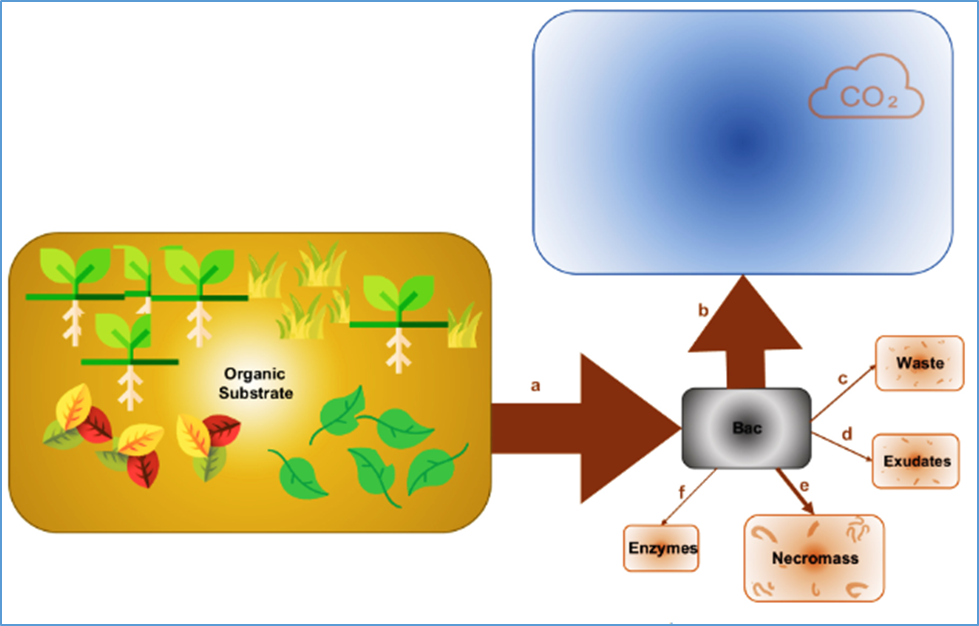
Soil organic carbon (OC) sequestration is presumed to rely to a large extent on microbial transformation of plant residues into microbial necromass. Necromass formation, however, represents only one pathway by which microorganisms contribute to soil organic matter, while OC released through metabolism is often neglected. Using a dynamic modeling approach, we show that exudates and waste products contribute about equally to bacterially derived OC inputs to soil with median contributions of 10% each
Updated News
- Kyoto University Develops a Comprehensive Framework to Improve CRISPR Safety Evaluation
- ASCA2026 Registration Now Open
- El Niño is coming. Here is where the risks to agriculture are highest
- FAO Investment Centre: Turning potential into progress
- How IFAD is maximizing the economic impact of remittances
- Director-General stresses need for critical investments in soil health
- Prioritizing farmers: Alliance and IRRI collaborate to capacitate partners on Human-Centered Design for more effective digital agroclimatic advisories
- IRRI joins global effort to modernize GHG measurement guidelines for rice
- 2025 Impact Report: IFAD scales up sustainable bond programme to boost rural investment, with strong issuance and credit rating upgrade
- Bracing for El Niño: FAO and WFP launch joint appeal to protect 8.8 million people from extreme weather events
- ISAAA and MABIC Announce 2026 Asian Short Course in Malaysia
- FAO Partnership Award honors logistics, youth innovation and integrated development
- Director-General inaugurates second phase of FAO-Circo Massimo metro station installation in Rome
- Upgrading and Expanding the Digital System for Rice Production Activity Monitoring and Reporting (RiceMoRe)
- FAO Food Price Index broadly stable in May even as cereal quotations increase
Scientific news
- Bacterial metabolism rather than necromass dominates input to soil organic carbon
- Genome-edited rice variety with low-cadmium accumulation in the grain
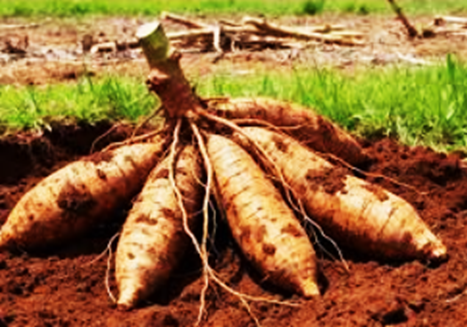
- Integrated omics analysis on organic fertilizer-mediated regulation of starch synthesis in cassava
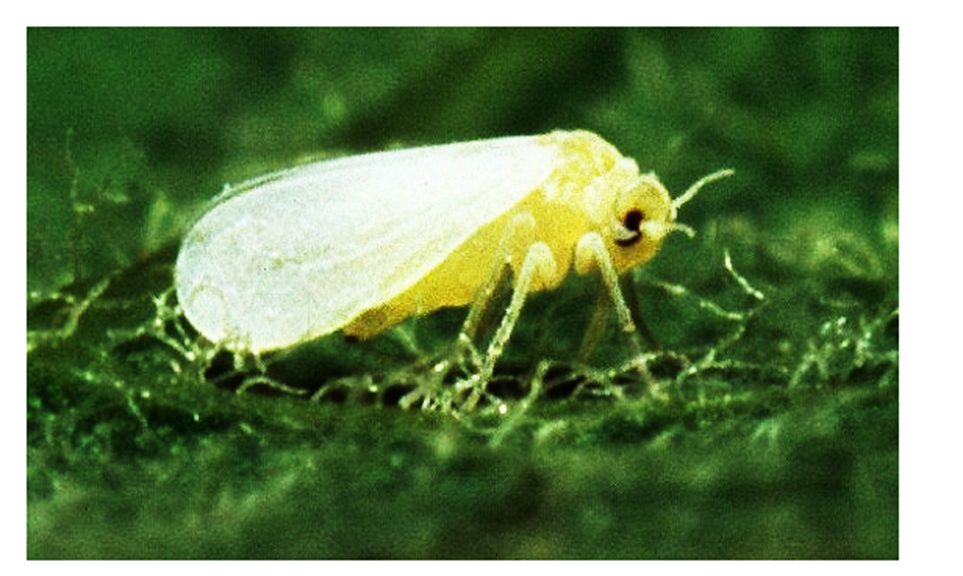
- Creating resistance to the whitefly Bemisia tabaci in cassava through RNAi-mediated targeting of multiple insect metabolic processes
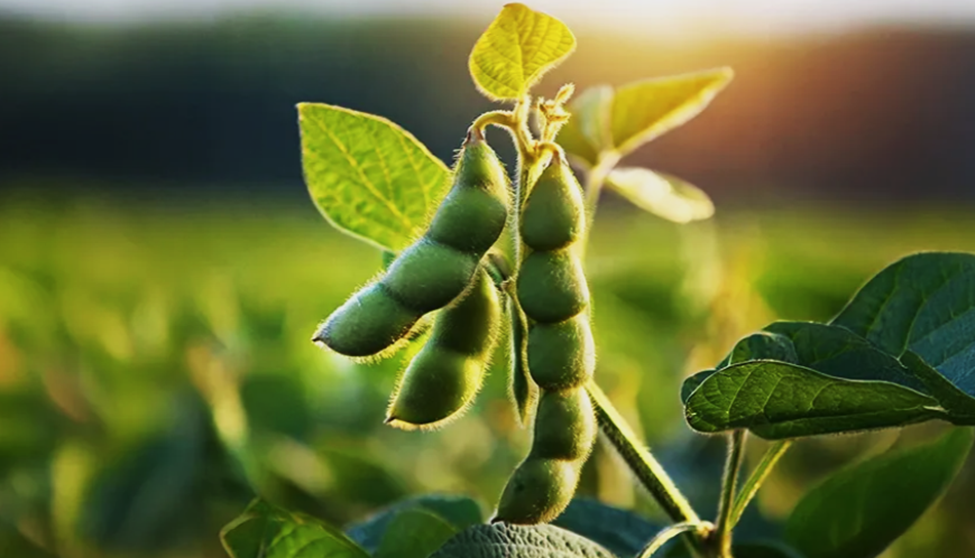
- Selection of four mutant alleles of fatty acid desaturase genes for a stable high oleic and low linolenic acid soybean seed oil trait
- Optimising realised genetic gain with low forward predictive ability across cycles for cooking time and correlated traits in common bean based on multivariate genomic selection
- Decoding heat-induced chalkiness in rice: molecular mechanisms, genetic networks, and mitigation strategies for climate resilience
- Genome editing of susceptibility gene StDND2 enhances Phytophthora resistance in Solanum tuberosum
- Polyploidy-driven expansion and regulatory diversification of the Kelch repeat F-box gene family in sweetpotato
- Trehalose-6-phosphate phosphatase-mediated trehalose metabolism shapes sorghum grain domestication for brewing adaptation
- Genome-Wide Analysis of the Hsf Family and Functional Characterization of CiHsf10 Under Low-Temperature Stress in Chrysanthemum indicum
- Transcriptome-metabolome integration reveals MYB/WRKY-RGA network and phenylalanine metabolism in potato late blight resistance
- Trust and doubt coexist: an empirical study on the acceptance mechanism of transgenic technology among Chinese youth
- Virus-induced transgene- and tissue culture-free heritable genome editing in tomato
- Genetic basis of cadmium accumulation and tolerance in maize seedlings uncovered through integrated linkage mapping and transcriptome analysis
Tuesday, 30-06-2026 | 01:40
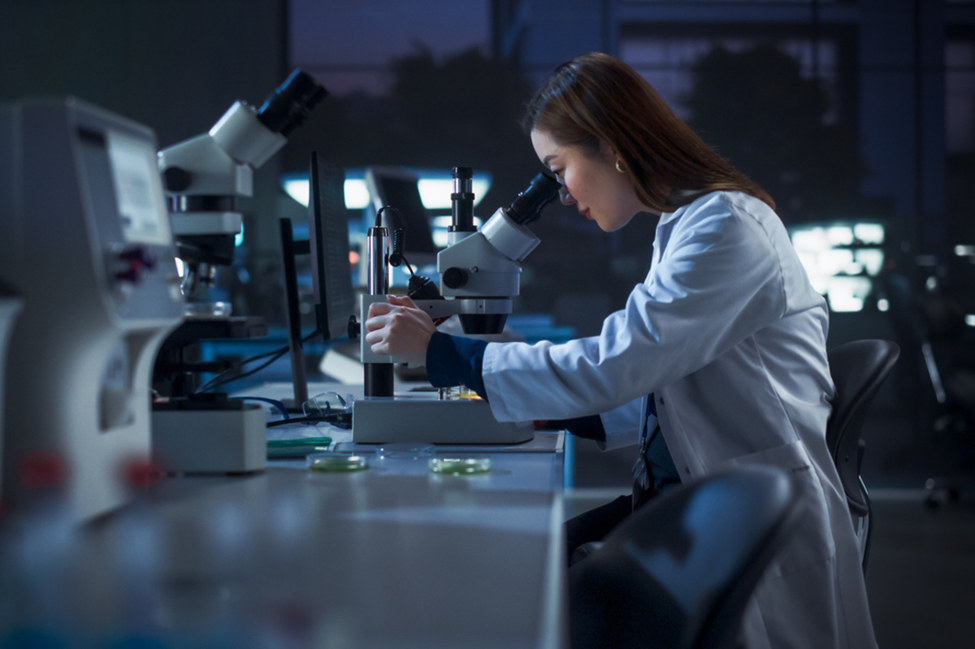
Researchers led by Professor Akitsu Hotta from the Center for iPS Cell Research and Application (CIRA), Kyoto University, have developed a comprehensive framework to evaluate the safety of CRISPR-Cas9 genome editing therapies. The approach combines computer-based predictions, laboratory validation, and whole-genome analysis to identify both intended and unintended genetic changes.

Tuesday, 30-06-2026 | 01:42
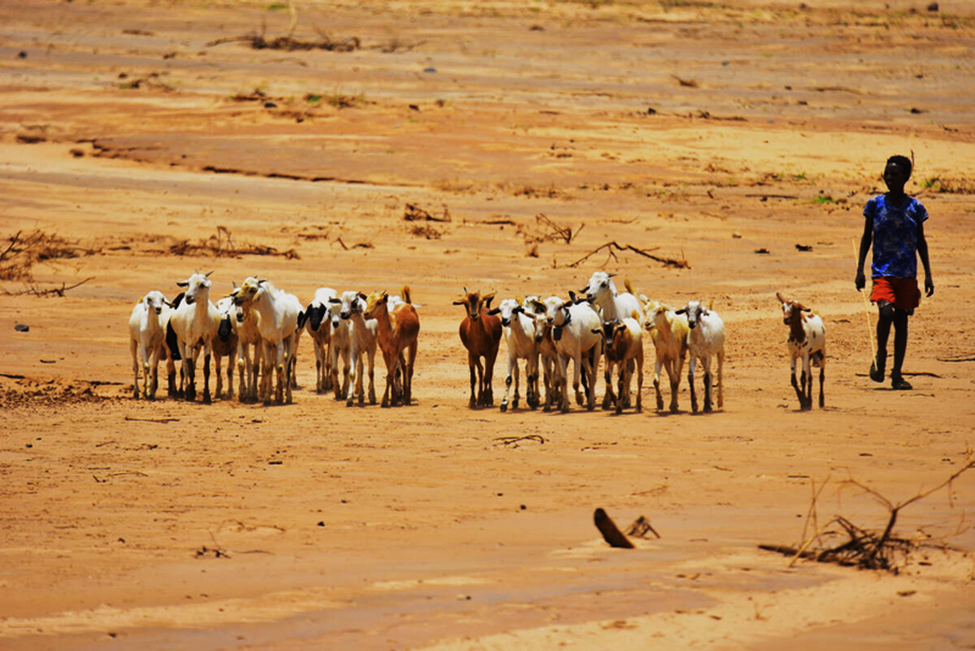
Soil organic carbon (OC) sequestration is presumed to rely to a large extent on microbial transformation of plant residues into microbial necromass. Necromass formation, however, represents only one pathway by which microorganisms contribute to soil organic matter, while OC released through metabolism is often neglected. Using a dynamic modeling approach, we show that exudates and waste products contribute about equally to bacterially derived OC inputs to soil with median contributions of 10% each
Tuesday, 30-06-2026 | 01:41
The global agricultural landscape is shifting, and the Asia-Pacific region is commanding center stage. According to the report ISAAA Brief 57: Global Status of Commercialized Biotech/GM Crops in 2024, Asia has officially become a powerhouse, accounting for nearly 10% of global biotech crop plantings in 2024, with 20.81 million hectares under cultivation. Driven by nine pioneering countries, the region is demonstrating an aggressive growth trajectory.

Home

Seminar and Workshop in February 2023
Tuesday, 30/09/2025 | 01:22:56
Seminar and Workshop in January in 2023
Tuesday, 30/09/2025 | 01:23:16
The IAS Research Activities In 2024
Tuesday, 30/09/2025 | 01:24:19
Highlight On Research & Development Activities By IAS in 2023
Tuesday, 30/09/2025 | 01:24:53

2025 Agriculture Report - Spectacular Breakthrough
Friday, 30/01/2026 | 00:41:58
Vietnam Agriculture In 2024: Accelerate Creativity & Sustainable Efficiency
Monday, 29/09/2025 | 09:06:37
VIETNAM AGRICULTURE IN 2023 SHIFTING TO INTELLIGENT PRODUCTION
Monday, 29/09/2025 | 09:09:38
Vietnam agriculture in 2022: Switching to an agricultural economy
Monday, 29/09/2025 | 09:11:28
Photo gallery


Tracking
-
Online:4
-
All:1218403