


News & Events
News & Events
Bacterial metabolism rather than necromass dominates input to soil organic carbon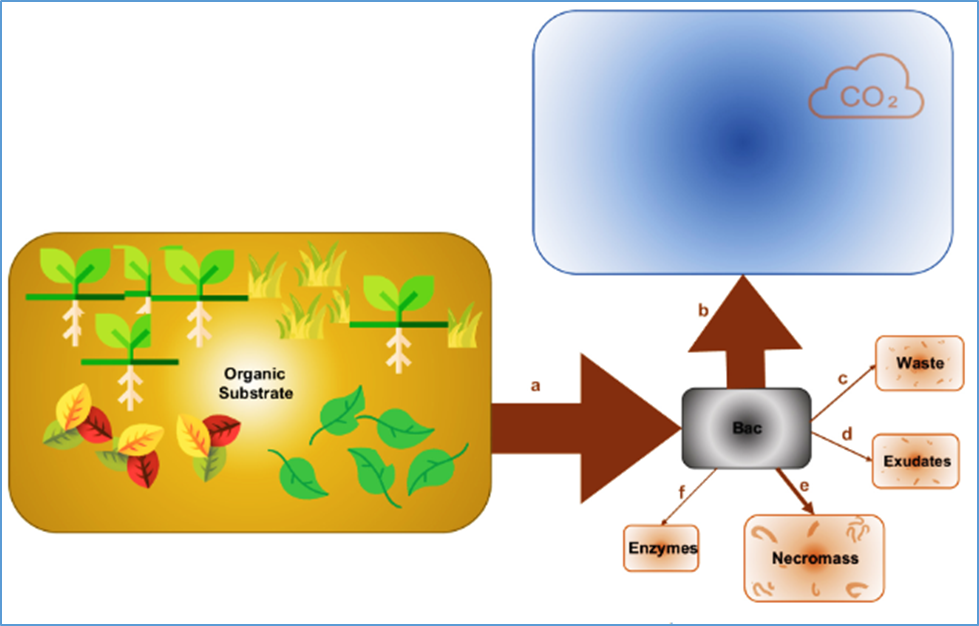
Tuesday, 30/06/2026 | 08:42:34
Soil organic carbon (OC) sequestration is presumed to rely to a large extent on microbial transformation of plant residues into microbial necromass. Necromass formation, however, represents only one pathway by which microorganisms contribute to soil organic matter, while OC released through metabolism is often neglected. Using a dynamic modeling approach, we show that exudates and waste products contribute about equally to bacterially derived OC inputs to soil with median contributions of 10% each
ISAAA Report Features Updates in Biotech Regulation and Adoption in Asia and Oceania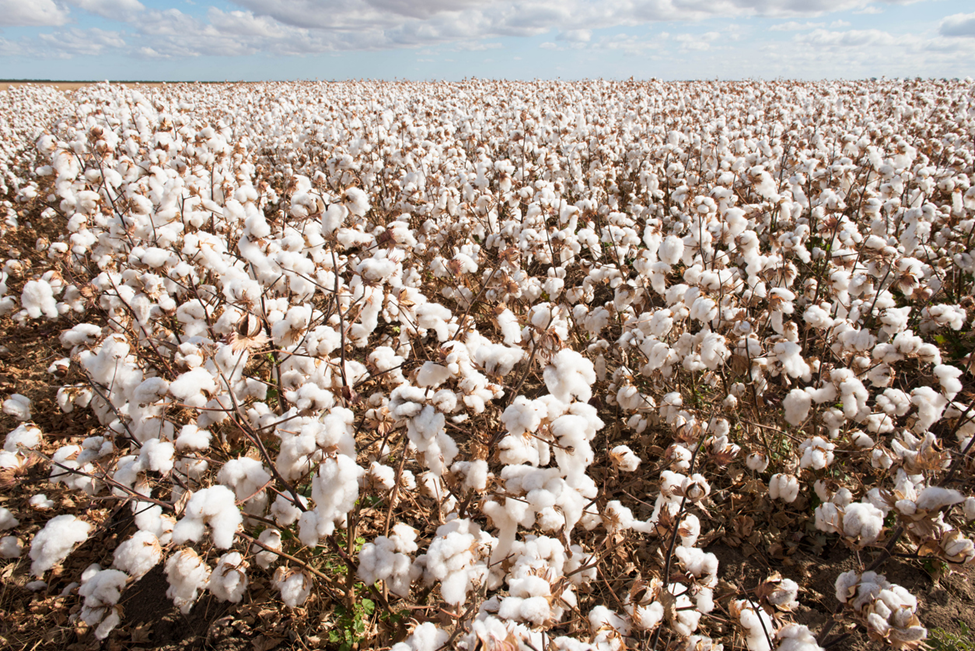
Tuesday, 30/06/2026 | 08:41:24
The global agricultural landscape is shifting, and the Asia-Pacific region is commanding center stage. According to the report ISAAA Brief 57: Global Status of Commercialized Biotech/GM Crops in 2024, Asia has officially become a powerhouse, accounting for nearly 10% of global biotech crop plantings in 2024, with 20.81 million hectares under cultivation. Driven by nine pioneering countries, the region is demonstrating an aggressive growth trajectory.
Kyoto University Develops a Comprehensive Framework to Improve CRISPR Safety Evaluation
Tuesday, 30/06/2026 | 08:40:21
Researchers led by Professor Akitsu Hotta from the Center for iPS Cell Research and Application (CIRA), Kyoto University, have developed a comprehensive framework to evaluate the safety of CRISPR-Cas9 genome editing therapies. The approach combines computer-based predictions, laboratory validation, and whole-genome analysis to identify both intended and unintended genetic changes.
Genome-edited rice variety with low-cadmium accumulation in the grain
Monday, 29/06/2026 | 09:38:15
Cadmium (Cd) is a toxic and carcinogenic heavy metal, and rice, as a staple food, is a major source of dietary Cd intake. Therefore, limiting the transfer of Cd from soil to rice grain without compromising grain yield is a critical issue for human health. In this study, through base-editing-mediated mutagenesis screening targeting OsNramp5, a major transporter gene for manganese (Mn) and Cd uptake, we identified a single amino acid substitution at position 441 (Ile to Thr) that significantly reduced Cd accumulation in both shoots and grains without affecting the accumulation of other essential metals
Agri-Food Coalition in the EU Welcomes Approval of NGT Regulation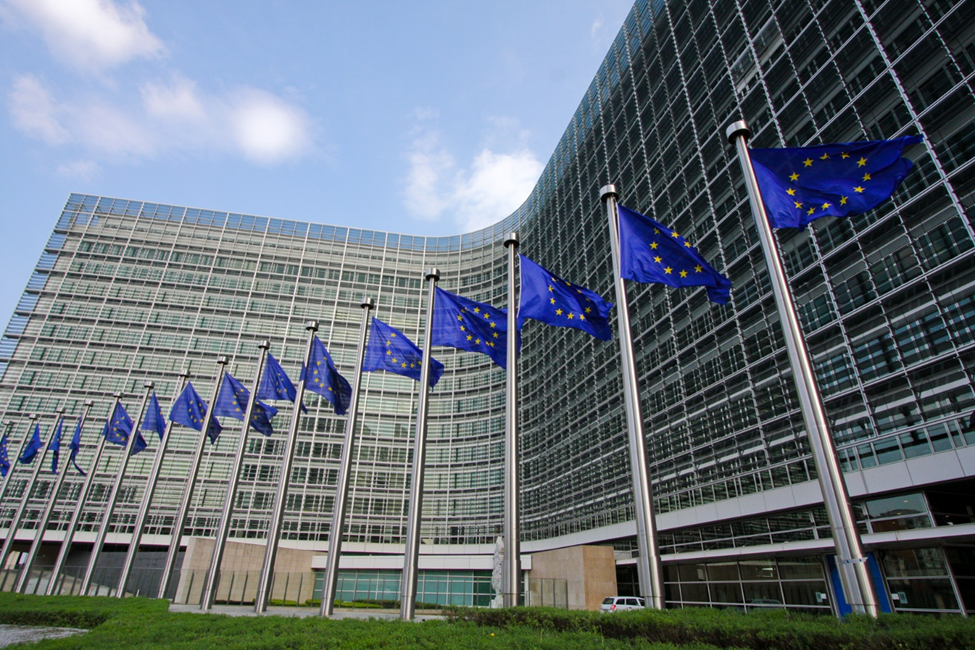
Monday, 29/06/2026 | 09:37:21
A coalition of 30 European agri-food value chain organizations welcomed the formal adoption of the European Union regulation on plants obtained through New Genomic Techniques (NGTs). The decision marks a major milestone for the continent's agricultural and food systems, concluding over eight years of intensive negotiations and complex scientific and political discussions between the European Parliament, the Council of the European Union, and the European Commission.
ASCA2026 Registration Now Open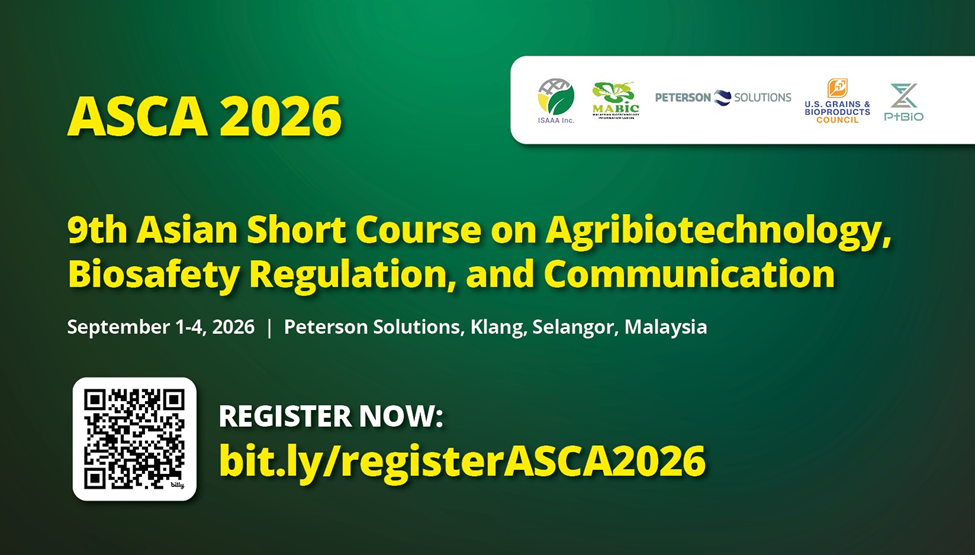
Monday, 29/06/2026 | 09:36:33
The International Service for the Acquisition of Agri-biotech Applications (ISAAA), Inc., announces the opening of registration for the 9th Asian Short Course on Agribiotechnology, Biosafety Regulation, and Communication (ASCA2026), to be held on September 1-4, 2026, at Peterson Solutions in Klang, Selangor, Malaysia.
Integrated omics analysis on organic fertilizer-mediated regulation of starch synthesis in cassava
Thursday, 25/06/2026 | 14:38:18
Cassava (Manihot esculenta Crantz) is a vital food security crop and industrial feedstock worldwide. Although the excessive use of chemical fertilizers threatens soil health and sustainable agriculture, organic amendments provide an environmentally friendly alternative. In this study, organic fertilizer (chicken manure) was set as treatment and chemical fertilizer as control.
Multiplex gene editing enables the multibiofortification of essential vitamins and other health-promoting phytonutrients in tomato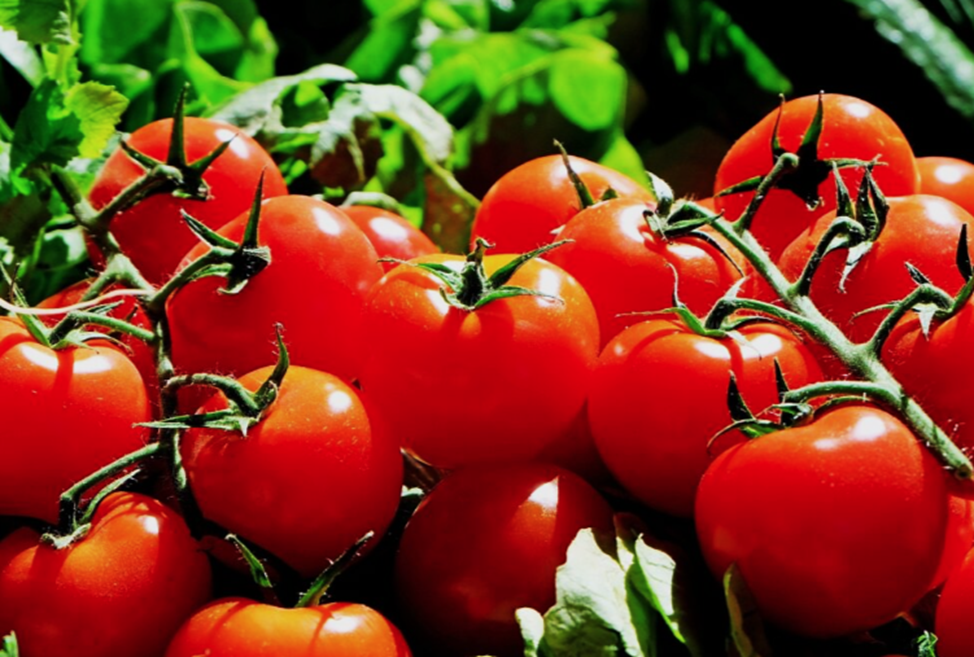
Thursday, 25/06/2026 | 14:37:20
Dietary deficiencies in essential micronutrients and other phytonutrients represent a global health and economic burden, contributing to “hidden hunger” and chronic diseases. While genome editing has been employed to improve individual nutritional traits in crops, multibiofortification through simultaneous modification of multiple distinct metabolic pathways is more challenging. Here, we designed a multiplex CRISPR-Cas strategy to edit five key genes in tomato:
El Niño is coming. Here is where the risks to agriculture are highest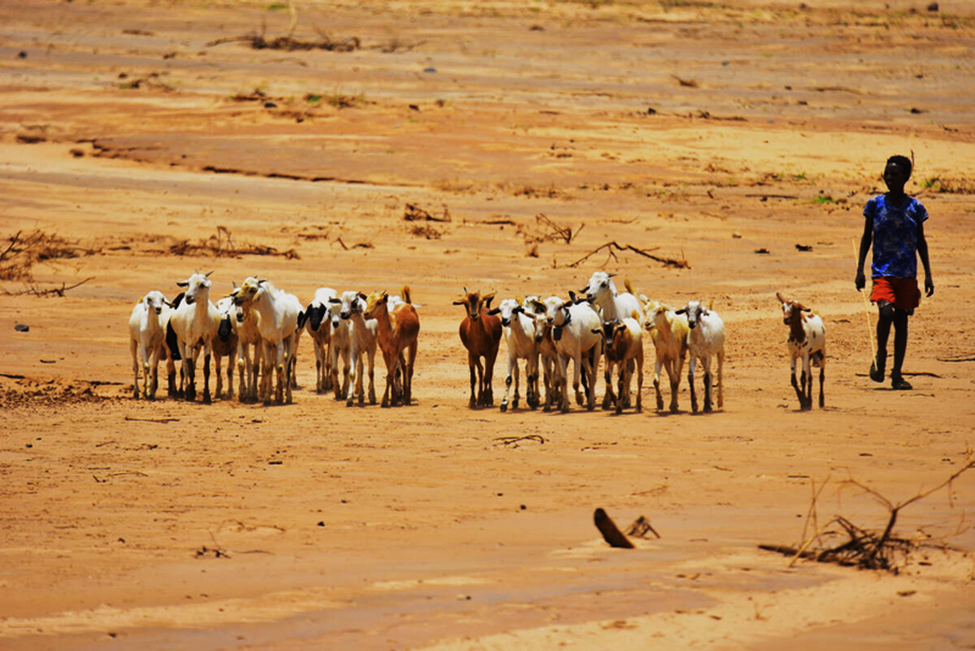
Thursday, 25/06/2026 | 14:36:10
A new El Niño phase is likely to begin within weeks, putting agriculture on alert around the world. New analyses by experts at the Food and Agriculture Organization of the United Nations (FAO) allow for detailed mapping of where El Nino-linked drought is most likely to impact crops and pasturelands.
Creating resistance to the whitefly Bemisia tabaci in cassava through RNAi-mediated targeting of multiple insect metabolic processes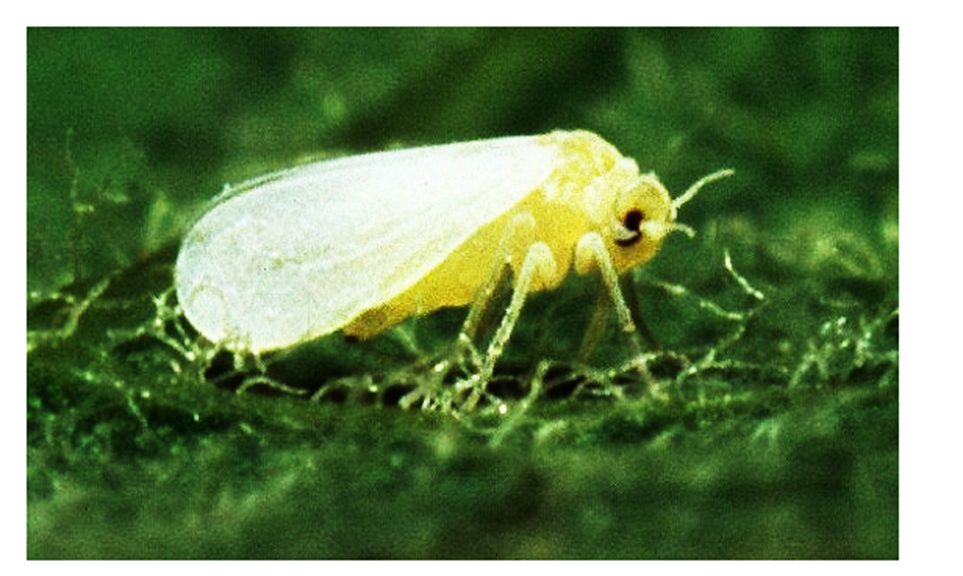
Thursday, 25/06/2026 | 14:34:36
Whole plant bioassays showed insecticidal activity of transgenic plants, reaching 58% lethality for adults within 7 days and 75-90% lethality of nymphs after 25 days, compared to control plants. Target genes were confirmed to be downregulated by up to 2.5-fold in adult whiteflies and nymphs.
Africa-based Biotech and Biosafety Information Portal Launched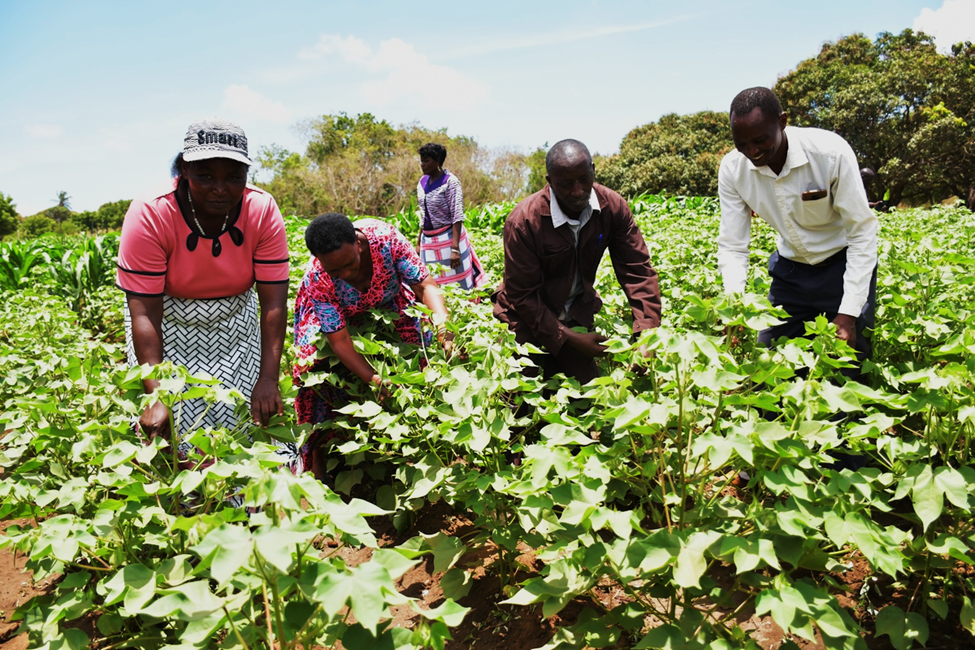
Thursday, 25/06/2026 | 14:33:40
Africa has taken a major step toward strengthening access to credible biotechnology and biosafety information following the launch of a continental digital portal designed to make regulatory data easier to find, understand, and use.The portal, dubbed the Biotech Africa Database platform, provides country-specific information on biotech crop approval decisions and summaries of key regulatory requirements for import, export, and transit of biotech products. It also offers, at a glance, a guide to application processes for the movement of biotech products across borders.
FAO Investment Centre: Turning potential into progress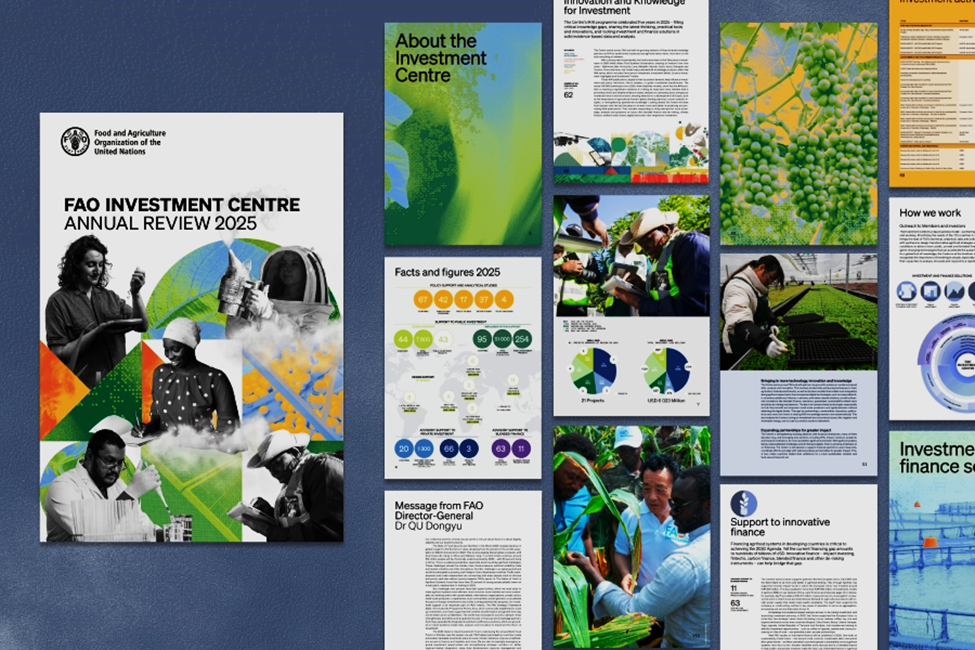
Thursday, 25/06/2026 | 14:32:32
Agrifood systems are being tested like never before, threatening global food security, livelihoods, peace and stability.Investment is critical to transforming agrifood systems and “turning potential into progress,” FAO Director-General QU Dongyu wrote in the Foreword to the AO Investment Centre’s Annual Review for 2025.The Annual Review – out today – offers a snapshot of the Centre’s work with its partners to accelerate the pace of change through more and better agrifood investment.