


News & Events
News & Events
Study Reveals Extreme Dwarfism in Wheat Impairs Gluten Composition and Baking Quality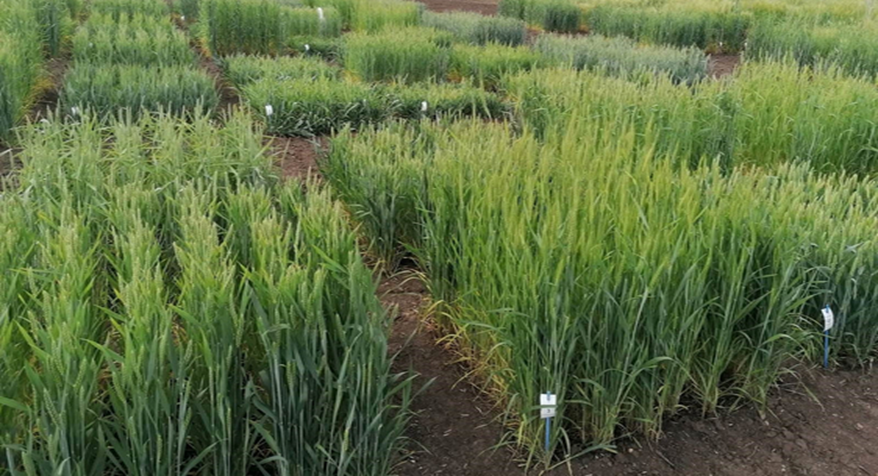
Tuesday, 30/09/2025 | 08:14:07
A recent study by the Leibniz Institute for Food Systems Biology at the Technical University of Munich (LSB) and the Leibniz Institute of Plant Genetics and Crop Plant Research (IPK) has found that extremely dwarf wheat, a variety developed during the Green Revolution to increase yields and prevent wind damage, has a less favorable gluten composition. As a result, it produces flour with poorer baking properties than semi-dwarf, dwarf, or tall wild-type wheat.
The introduction of so-called dwarfing genes (Reduced height-Rht genes) during the "Green Revolution" in the 1960s is considered a milestone in agriculture. These genes ensure that wheat plants are shorter and therefore less susceptible to wind damage (lodging). They can also invest more energy in grain filling, which can significantly increase yields. Over 70% of all wheat grown globally today contains at least one of the dwarfing genes responsible for its short stature.
Genome-wide meta-QTL approach identifies consensus loci associated with agriculturally important tomato fruit traits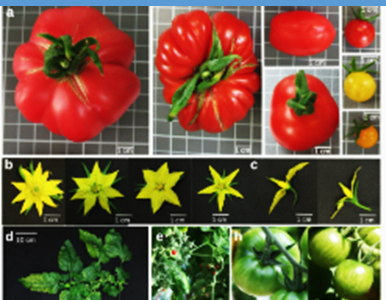
Monday, 29/09/2025 | 08:05:33
Using 82 different QTL mapping populations investigated in prior studies, we identified 99 high-confidence meta-QTL regions along with potential candidate genes associated with fruit quality traits in tomato.
The genetic analysis of economically important quantitative traits is essential for the development of new cultivars that exhibit improved yield and quality, including disease resistance and enhanced flavor. Meta-QTL (MQTL) analyses allow for the integration of QTL data from multiple independent studies, revealing chromosomal regions consistently associated with traits of interest. In this study, we identified reliable and consistent QTLs for eight agronomically important fruit traits in the cultivated tomato through MQTL analysis of 1,438 QTLs reported in 82 independent mapping populations.
CRISPR Produces Disease-resistant Cacao Plants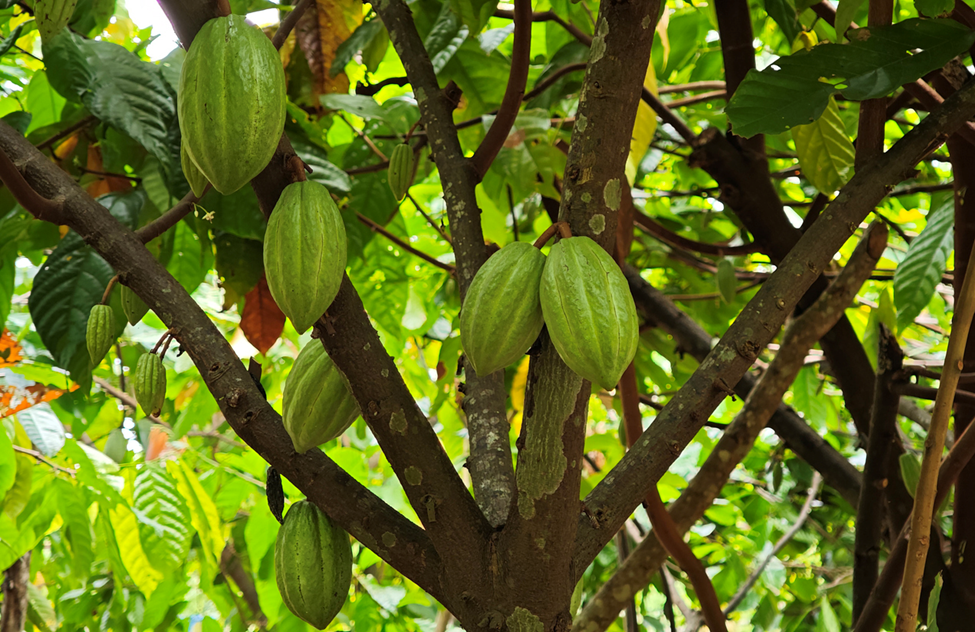
Monday, 29/09/2025 | 08:02:20
A research team at the Pennsylvania State University (Penn State) reported the successful development of disease-resistant cacao plants using gene editing. This breakthrough, published in Plant Biotechnology Journal, provides a solution to one of the biggest problems of the global chocolate industry—the black pod disease caused by a species of Phytophthora.
Using CRISPR-Cas9 technology, the researchers edited a gene called TcNPR3, which is involved in the plant's defense system in cacao plants. This resulted in 42% smaller disease lesions, compared with the non-edited cacao plants.
EU Authorizes Use of GM Maize DP51291 for Food and Feed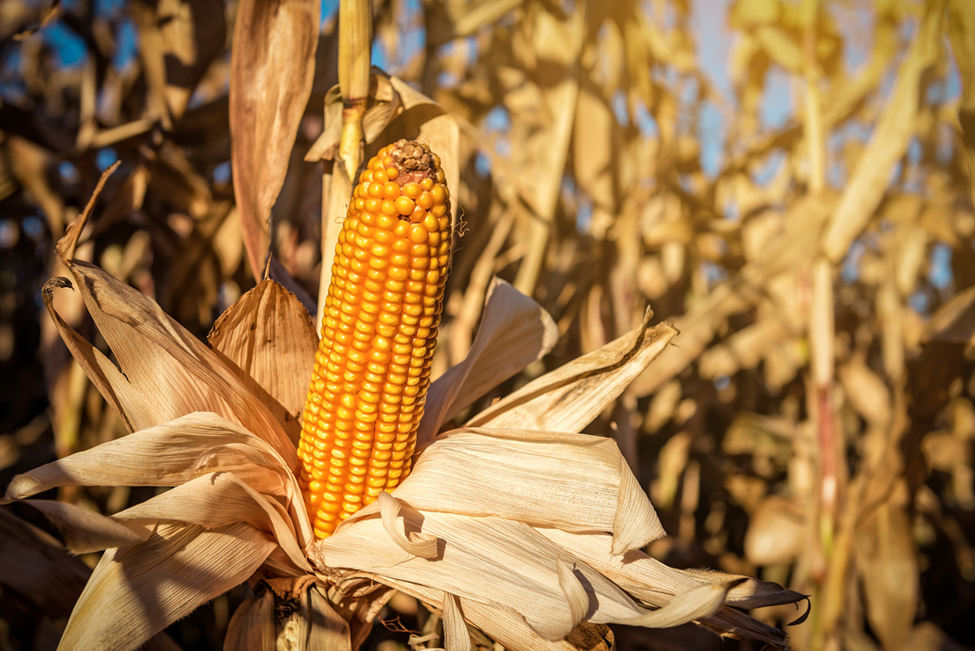
Monday, 29/09/2025 | 08:01:33
The European Commission has authorized the use of a genetically modified (GM) maize DP51291 for food and animal feed. The approval was issued on September 22, 2025, after the release of the scientific assessment by the European Food Safety Authority (EFSA), which confirmed that the GM maize DP51291 is as safe as its conventional counterpart.
The application was submitted by Corteva Agriscience Belgium B.V. on January 27, 2023. According to the Commission, the GM maize underwent a comprehensive risk assessment to ensure a high level of protection for human and animal health and the environment. The authorization permits only the import and use of the GM maize in food and feed products, but not its cultivation within the European Union (EU).
WOX11-OsPRX130 module confers rice drought tolerance by maintaining ROS homeostasis in rice root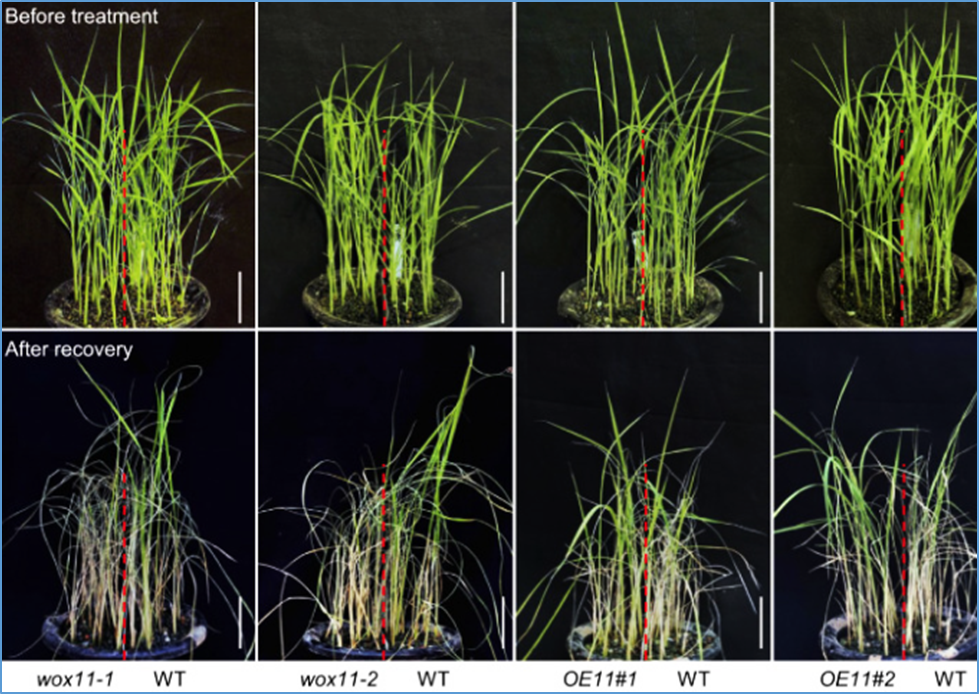
Sunday, 28/09/2025 | 06:07:59
Plants have evolved sophisticated mechanisms to cope with drought stress. A resilient root system, coupled with appropriate levels of reactive oxygen species (ROS), is crucial for optimal growth and increased yield under drought stress. Accumulating studies have shown a strong link between root development, ROS, and drought tolerance. WOX11, as a master regulator of crown root (CR) development in rice, also governs root redox metabolism. However, it remains unknown whether WOX11 modulates ROS homeostasis in roots to facilitate adaptation to drought stress. In this study, we found that WOX11 directly binds to the promoter of the peroxidase gene OsPRX130, thereby enhancing drought tolerance by regulating CR growth.
Drought-resistance Spray Developed for Crops
Sunday, 28/09/2025 | 06:10:55
Researchers from the Spanish National Research Council (CSIC) reported in Molecular Plant the new molecule that they have developed to help plants better withstand drought. Known as inverted cyanobactin (iCB), the newly developed molecule copies the mechanism of abscisic acid (ABA), a natural plant hormone that regulates how plants respond to water stress.
The iCB compound works by activating the plant's drought resistance mechanisms, specifically by helping them close the tiny pores on their leaves, called stomata, which significantly reduces water loss. This approach allows plants to survive severe drought while still being able to maintain productivity.
Climate Adaptation Strategies for Maintaining Rice Grain Quality in Temperate Regions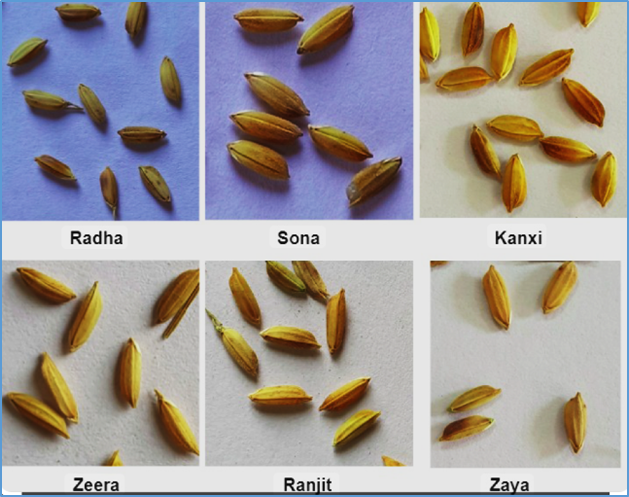
Saturday, 27/09/2025 | 09:15:23
Climate change poses significant challenges to temperate rice production, particularly affecting grain quality and market acceptance. This review synthesizes current knowledge of climate-induced quality changes, with a focus on the Australian rice industry as a case study with comparisons to other temperate regions. Environmental stressors such as extreme temperatures, variable rainfall, elevated CO2, and salinity disrupt biochemical pathways during grain development, altering physicochemical, textural, and aromatic traits. Different rice classes exhibit distinct vulnerabilities: medium-grain japonica varieties show reduced amylose under heat stress, aromatic varieties experience disrupted aroma synthesis under drought, and long-grain types suffer kernel damage under combined stresses.
A Learning Event at Kamaget Secondary School: Linking Agriculture, Nutrition, and Education for Better Nutrition and Farm Incomes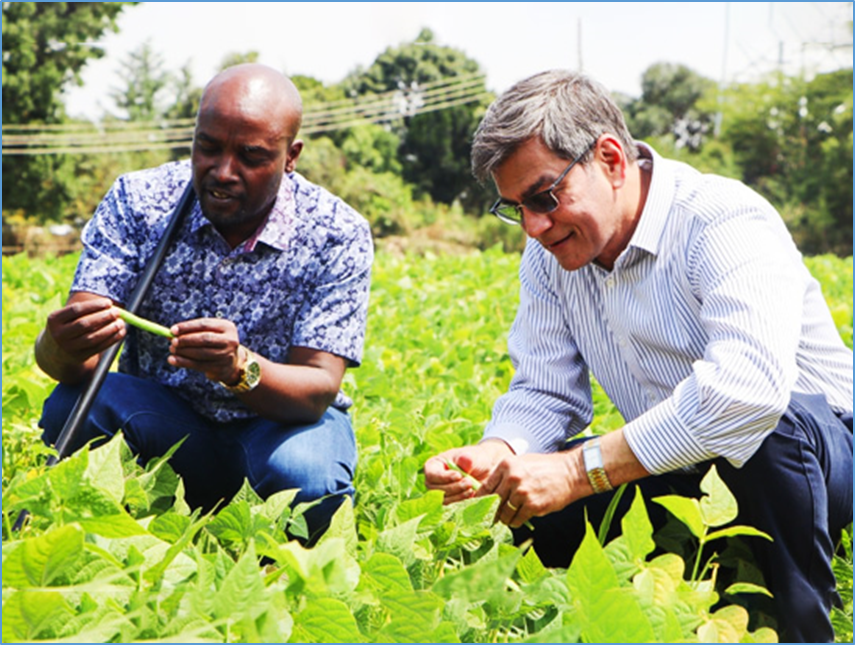
Sunday, 28/09/2025 | 06:09:30
HarvestPlus recently hosted a learning event at Kamaget Secondary School in Bomet County, Kenya bringing together farmers, government officials, scientists, and development partners to celebrate the achievements of the Nutritious Home-Grown School Meals project in Kenya. H.E. Governor Prof. Hillary Barchok of Bomet County was the guest of honor, joined by HarvestPlus CEO Arun Baral.
The event showcased how integrating biofortified crops into school meals strengthens the connection between nutrition, education, and agriculture for sustainable community development. Participants toured the school garden, where flourishing biofortified Nyota beans highlighted the project’s success working directly with schools.
CAS Scientists Identify Braking Mechanism for Seed Oil Control in Soybean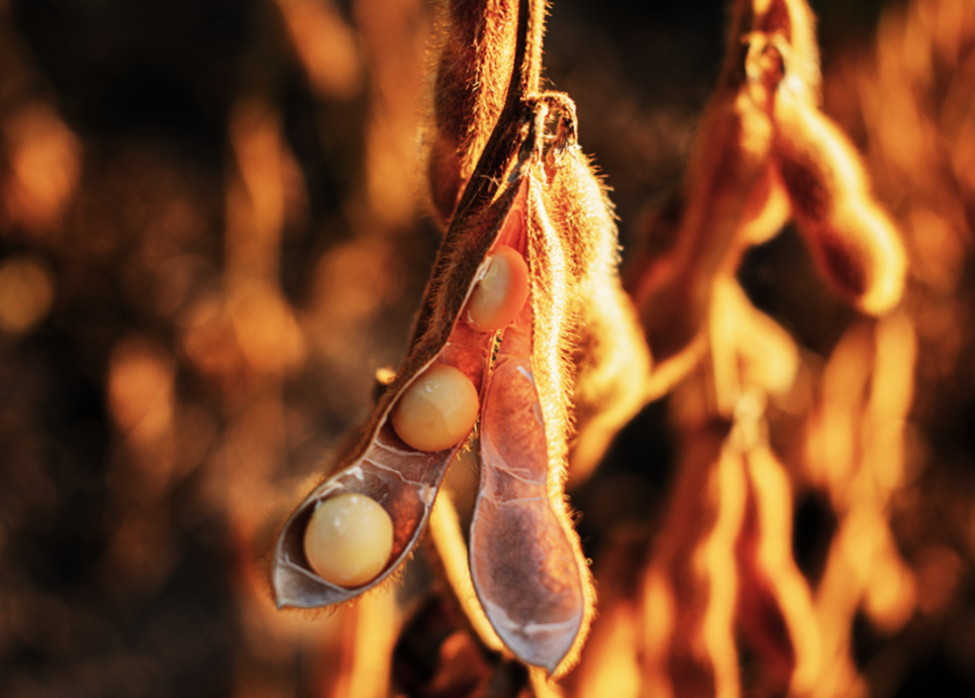
Friday, 26/09/2025 | 10:25:52
Researchers led by Prof. ZHANG Jinsong from the Institute of Genetics and Developmental Biology of the Chinese Academy of Sciences have uncovered a brake gene for oil control in soybeans. Their study, published in Plant Biotechnology Journal, reveals a novel molecular network that regulates multi-dimensional regulation to explain natural variation in soybean oil content, and deepens the understanding of the connections among different oil regulators.
Structural insights into ABA receptor agonists reveal critical features to optimize and design a broad-spectrum ABA signaling activator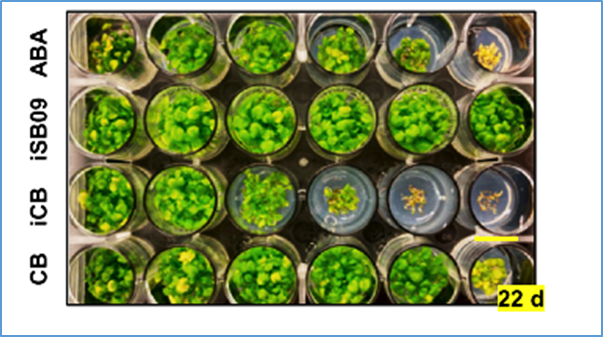
Friday, 26/09/2025 | 08:57:07
Crop yield is at increasing risk due to water scarcity and climate change. Agrochemicals can activate hormone receptors to regulate transpiration and modulate transcription and address water deficits. Structure-guided optimization of multiple abscisic acid (ABA) receptor–agonist interactions is necessary to activate the entire PYRABACTIN RESISTANCE 1 (PYR1)/PYR1-LIKE (PYL)/REGULATORY COMPONENTS OF ABA RECEPTORS (RCAR) receptor family. The new agonist iCB, produced through scaffold-merging led by X-ray structure, activates subfamilies II and III at low-nM concentrations and subfamily I receptors at higher-nM concentrations
Researchers Uncover Defense Dynamics of Potato Late Blight Pathogen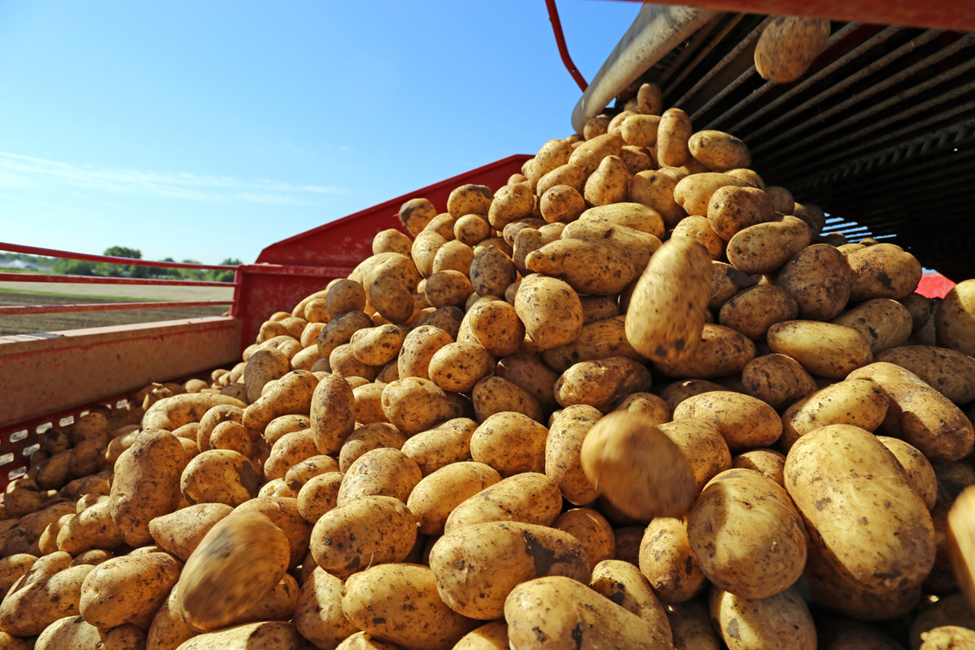
Friday, 26/09/2025 | 08:56:54
Phytophthora infestans, the pathogen that caused the Irish Potato Famine in the 1840s is still a major threat to potato and tomato crops worldwide. This pathogen can devastate entire fields, posing a constant threat to global food security. In a new study, researchers at the Boyce Thompson Institute (BTI) and Universidad de los Andes have discovered that P. infestans can develop a rapid, temporary resistance to the fungicide mefenoxam after a single, low-dose exposure.
Four Decades On, ICRISAT and Niger Renew Alliance for Climate-Resilient Agriculture
Friday, 26/09/2025 | 08:56:30
ICRISAT’s Country Representative, Prof. Falalou Hamidou, met with His Excellency Mr Bakary Yaou Sangaré, Minister of Foreign Affairs, Cooperation, and Nigeriens Abroad, to chart new actions for sustainable agriculture and food sovereignty.
He underscored that ICRISAT’s work has never been more vital, with climate change exerting increasing pressure on the livelihoods of Nigeriens.
From its Sadoré Research Station, ICRISAT has developed and delivered proven technologies in crop improvement, livestock integration, soil and water management, and landscape restoration.