


News & Events
News & Events
Dual-cycle CO2 fixation enhances growth and lipid synthesis in Arabidopsis thaliana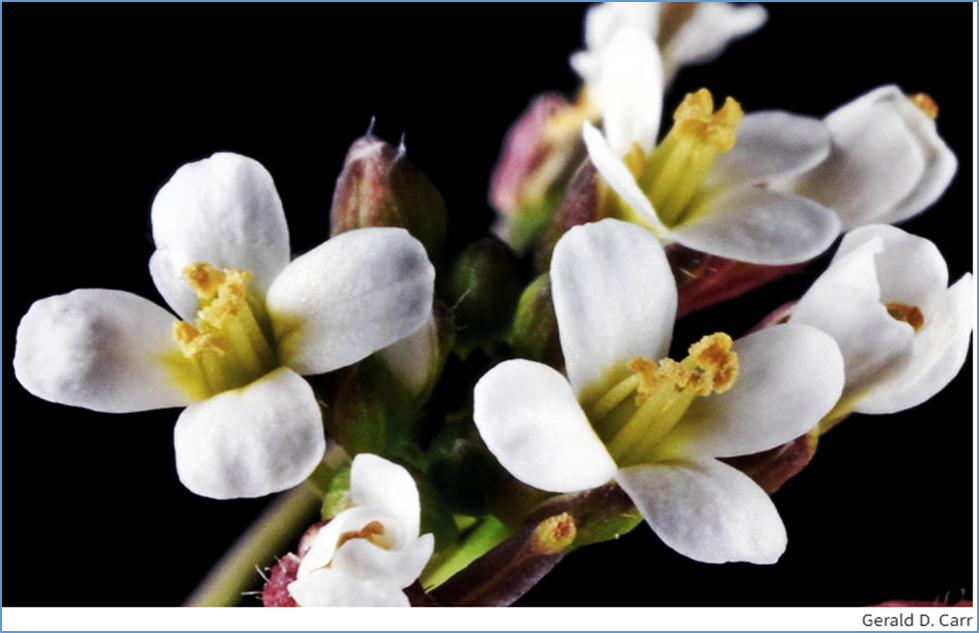
Thursday, 25/09/2025 | 07:45:45
Carbon fixation through the Calvin-Benson-Bassham (CBB) cycle accounts for the majority of carbon dioxide (CO2) uptake from the atmosphere. The CBB cycle generates C3 carbohydrates but is inefficient at producing acetyl–coenzyme A (CoA) (C2), which is the universal precursor for synthesizing lipids. In this work, we introduced in Arabidopsis thaliana a new-to-nature CO2 fixing cycle, malyl-CoA-glycerate (McG) cycle, which together with the CBB cycle forms a dual-cycle CO2 fixation system. This cycle can fix one additional carbon by phosphoenolpyruvate carboxylase and convert the photorespiration product, glycolate, to acetyl-CoA. Plants with the McG cycle show enhanced protein abundance in their photosystems and enhanced photosystem II efficiency.
Paper-based Biosensor Detects GM Corn and Soybeans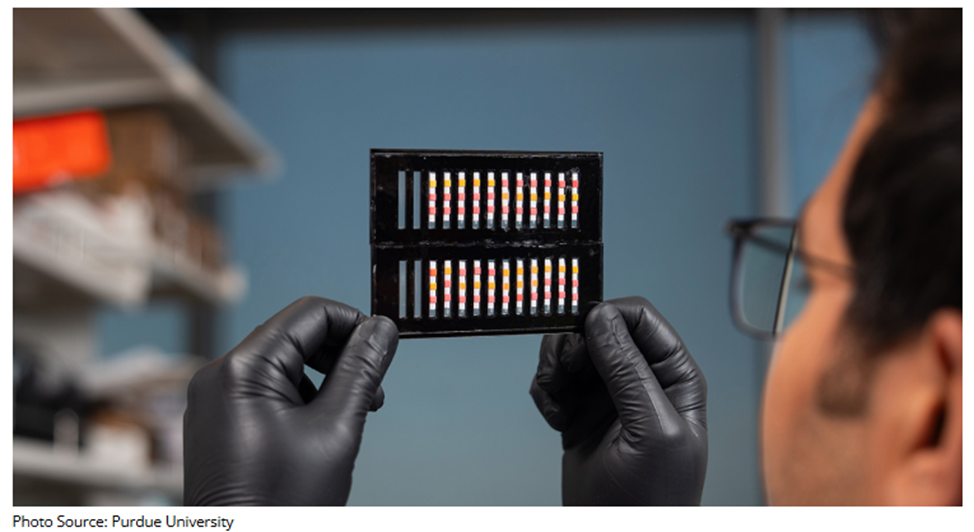
Thursday, 25/09/2025 | 07:44:30
Purdue University experts successfully developed a portable, paper-based biosensor for identifying genetically modified (GM) corn and soybeans. Based on a technology called loop-mediated isothermal amplification (LAMP), the biosensor offers a rapid and cheap molecular tool for farmers.
“Farmers can use it whenever they need it,” said Bilal Ahmed, a postdoctoral research associate at Purdue. Ahmed, Mohit Verma, and co-authors published the details of the new tool in the journal Biosensors and Bioelectronics. Aside from the GM crop biosensor, the research team has developed detection tools for avian influenza, fecal contamination on produce farms, bovine respiratory disease, and COVID-19.
Hand in Hand for Better Foods and a Better Future
Thursday, 25/09/2025 | 07:43:33
in some places, the severity of food insecurity is overwhelming. An estimated 673 million people are living with hunger. Elsewhere, rising levels of obesity and widespread food waste point to a system out of balance—where abundance and absence coexist, often side by side.
Agrifood systems are also a major source of greenhouse gas emissions. Yet they offer real potential to reduce those emissions through the way food is grown, harvested, and shared.
Meeting the needs of a growing global population calls for teamwork—across borders, sectors, and generations.
Harnessing historical genebank data to accelerate pea breeding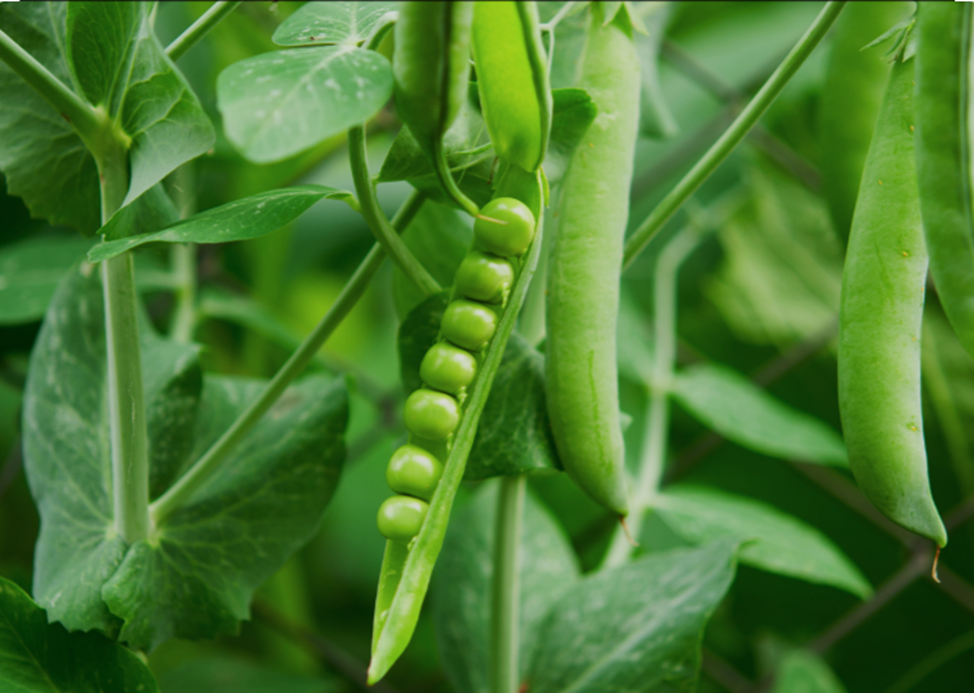
Wednesday, 24/09/2025 | 07:42:06
The German Federal Ex Situ Genebank for Agricultural and Horticultural Crops (IPK) harbours over 3000 pea plant genetic resources (PGRs), backed up by corresponding information across 16 key agronomic and economical traits. The unbalanced structure and inconsistent format of this historical data has precluded effective leverage of genebank accessions, despite the opportunities contained in its genetic diversity. Therefore, a three-step statistical approach founded in linear mixed models was implemented to enable a rigorous and targeted data curation. Spring accessions revealed considerable breeding potential, with protein content exceeding market standards by almost one-fifth and with hundred grain weight that could match the upper limits reported for European elite varieties.
Scientists Design New Cycle to Boost Plant Growth and Carbon Capture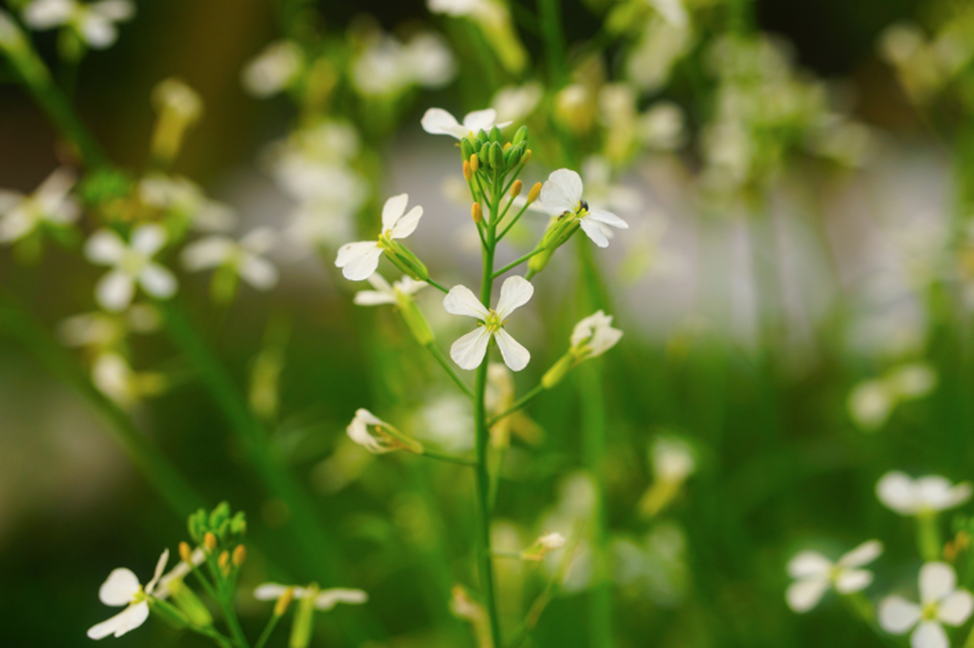
Wednesday, 24/09/2025 | 07:40:55
Scientists have designed a new cycle called malyl-CoA-glycerat (McG) to boost plant growth and carbon capture. The research team believes that this “C2-centric” approach could open opportunities to engineer crops with greater yields. The findings of the study are published in Science.
The McG cycle was designed to overcome the loss of carbon dioxide during the Calvin-Benson-Bassham (CBB) cycle. The researchers used phosphoenolpyruvate carboxylase (PPC) to address the loss of carbon dioxide. This method enabled plants to either fix an additional carbon atom from 3-phosphoglycerate or recycle glycolate without losing carbon.
Sudan: FAO moves to protect 9.4 million livestock in nationwide vaccination campaign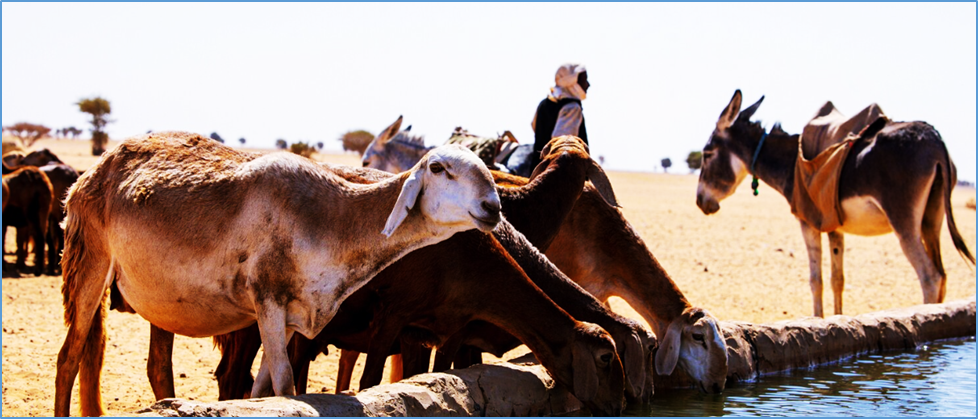
Wednesday, 24/09/2025 | 07:39:45
The Food and Agriculture Organization of the United Nations (FAO), in collaboration with the Government of Sudan, has launched the 2025 national livestock vaccination campaign to safeguard livelihoods of over three million pastoralists and agro-pastoralists across the country gripped by a major food crisis.
The initiative which will run from October 2025 through January 2026 aims to protect around 9.4 million animals from highly contagious and deadly transboundary and zoonotic animal diseases, with a particular focus on peste des petits ruminants (PPR), sheep and goat pox (SGP), contagious bovine pleuro-pneumonia (CBPP), African horse sickness (AHS), as well as anthrax.
GmBSK1-GmGSK1-GmBES1.5 regulatory module controls heat tolerance in soybean
Tuesday, 23/09/2025 | 14:06:39
CRISPR/Cas9-generated gmbsk1 knockout mutants exhibited increased sensitivity to heat stress due to a reduction in their ability to scavenge reactive oxygen species (ROS). The expression of GmBES1.5 was up-regulated in GmBSK1-OE plants under heat stress conditions, and it directly binds to the E-box motif present in the promoters of abiotic stress-related genes, thereby enhancing heat stress tolerance in soybean plants. Furthermore, we identified an interaction between GmGSK1 and GmBES1.5, while GmGSK1 inhibits the transcriptional activity of GmBES1.5. Interestingly, the interaction between GmBSK1 and GmGSK1 promotes the localization of GmGSK1 to the plasma membrane and releases the transcriptional activity of GmBES1.5.
Australian OGTR Invites Comments for the Commercial Release of GM Purple Tomato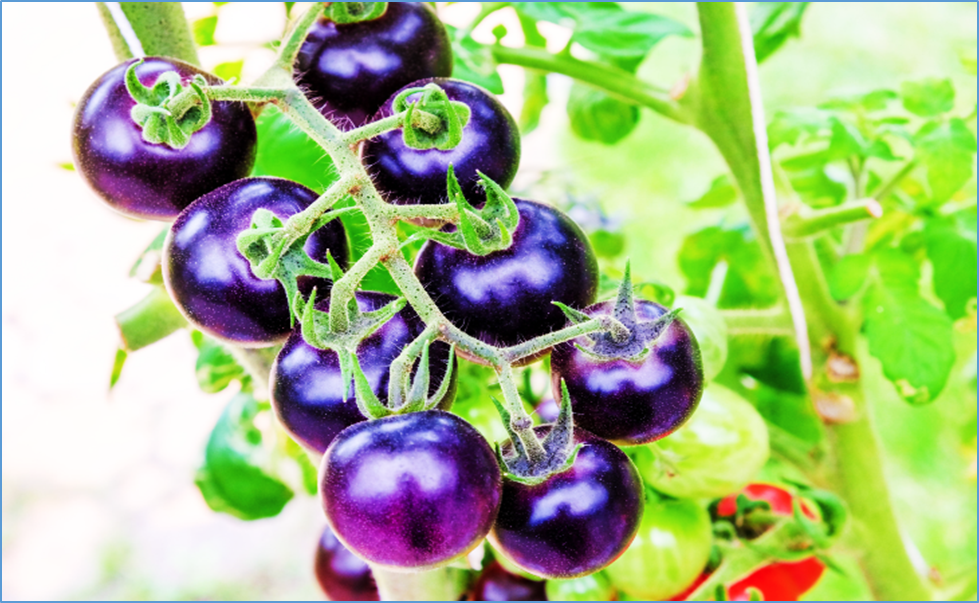
Tuesday, 23/09/2025 | 14:05:34
Australia's Office of the Gene Technology Regulator (OGTR) has received license application DIR 218 from All Aussie Avocados Pty Ltd (trading as All Aussie Farmers) for the commercial cultivation of genetically modified (GM) tomatoes. The GM tomato has been genetically modified for purple fruit color.
The GM Purple Tomato will be grown commercially in greenhouses in Australia, subject to restrictions in some Australian States and Territories for marketing or biosecurity reasons. The GM Purple Tomato and its products would enter general commerce, including use in food. This GM Purple Tomato would only become available in Australia if all regulatory requirements are met, including approvals from the Gene Technology Regulator, Food Standards Australia New Zealand (FSANZ), and the Department of Agriculture, Fisheries and Forestry (DAFF).
Essam Yassin Mohammed, WorldFish Director General, Named to Forbes 2025 Sustainability Leaders List
Tuesday, 23/09/2025 | 14:04:35
Dr. Essam Yassin Mohammed, has been named to the 2025 Forbes Sustainability Leaders list. Now in its second year, the list recognises leaders worldwide who are delivering innovative and scalable solutions to the climate crisis and shaping a more sustainable future.
A major focus of Dr. Essam’s leadership has been bridging the vast gap in Africa’s aquatic food production compared to Asia. As a champion of South–South collaboration, he leads the cross-country adaptation of scalable innovations through the Asia–Africa BlueTech Superhighway, a seven-year project funded by the UK Government.
Genetic and histological characterization of a dwarf mutant in melon (Cucumis melo L.) reveals potential for breeding semi-dwarf cultivars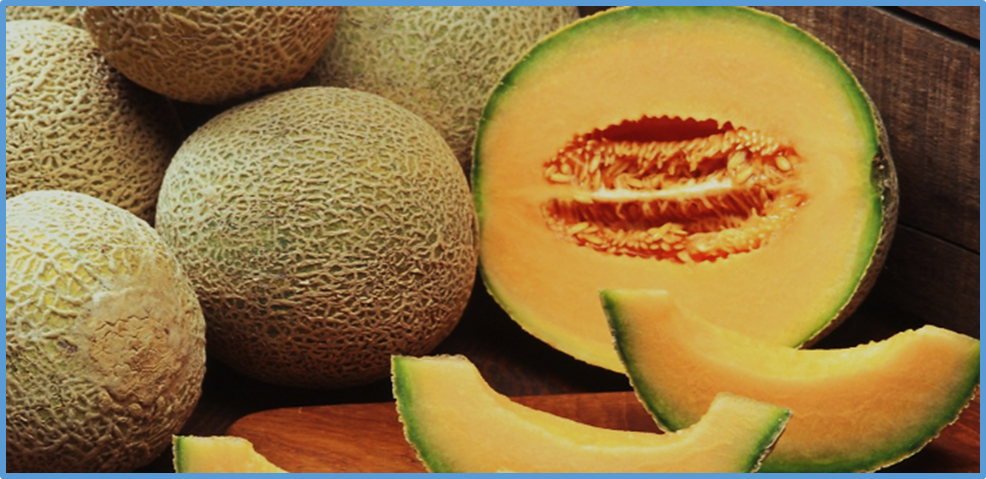
Thursday, 18/09/2025 | 08:23:04
The dwarfing trait is of considerable agronomic importance, as it enables increased planting density and reduced management costs. In melon (Cucumis melo L.), a high-value cucurbit crop, semi-dwarf plant architecture is particularly beneficial for lowering labor requirements in greenhouse trellis cultivation. In this study, a stably inherited dwarf mutant was identified from an ethyl methanesulfonate (EMS)-mutagenized population of thin-skinned inbred line ssp. agrestis ‘13C’. Using bulked segregant analysis sequencing in combination with MutMap and molecular marker validation, a key missense mutation in the CmTUB8 gene was identified, which completely co-segregates with the dwarf phenotype.
Brookhaven National Laboratory Research Team Identifies Key Protein for Larger, Tougher Crops for Fuel, Bioproducts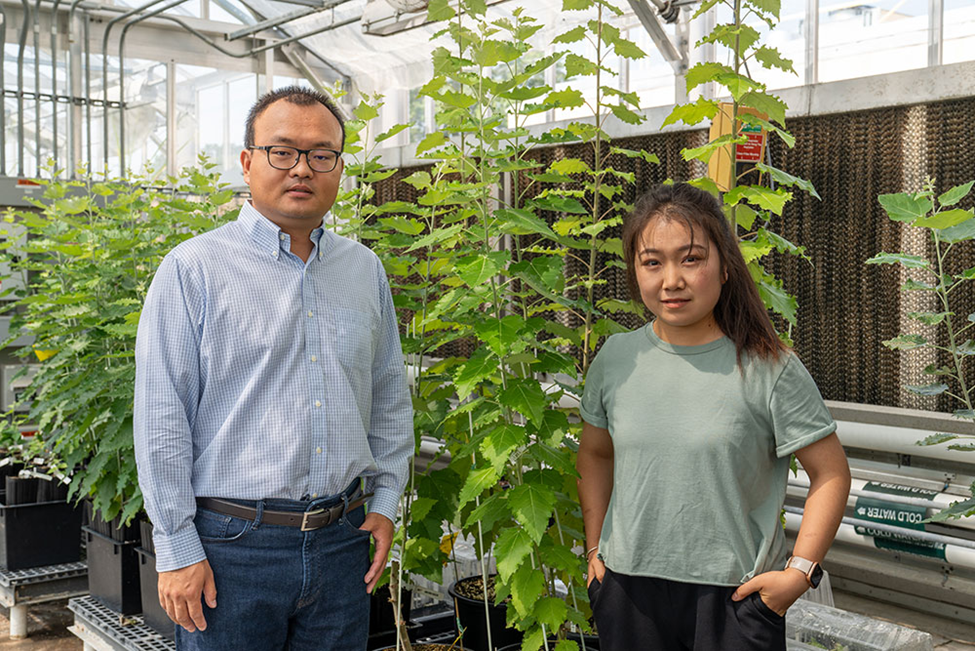
Thursday, 18/09/2025 | 08:21:56
Biologists at Brookhaven National Laboratory have identified a plant protein that plays a crucial role in three key biological processes in poplar plants: iron deficiency responses, cell wall biosynthesis, and the creation of disease-fighting molecules. The research team published their study in The Plant Biotechnology Journal.
The researchers found that the gene PtrbHLH011 regulates these processes in poplar plants. By "knocking out" this gene, they were able to engineer plants that grew taller, had increased iron content, and produced more energy, which in turn supported the synthesis of valuable bioproducts, such as lignin and flavonoids. The discovery holds significant promise for developing more resilient and productive bioenergy crops. The increased iron content in the engineered plants enhanced photosynthesis, enabling them to produce more energy to support growth.
AfricaRice DG Baboucarr Manneh and Aliko Dangote Discuss Pathways to Africa’s Rice Self-Sufficiency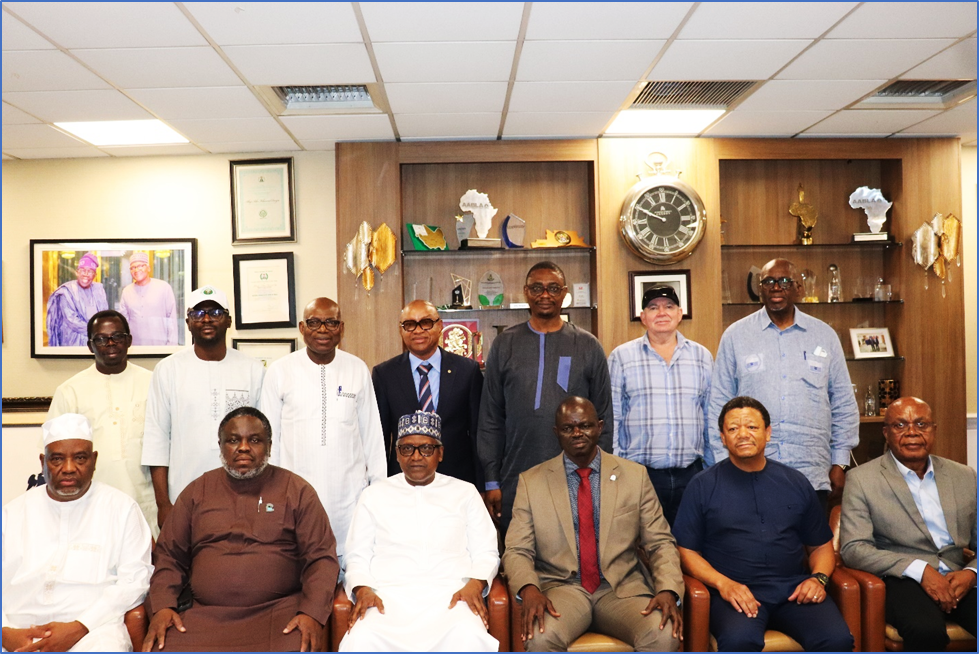
Thursday, 18/09/2025 | 08:20:48
Africa Rice Center (AfricaRice) Director General Dr. Baboucarr Manneh met with Aliko Dangote, President and Chief Executive of Dangote Industries Limited, to explore strategic opportunities for strengthening Africa’s rice sector. The high-level audience focused on exploring collaborative opportunities and innovative approaches to accelerate rice sector development across the African continent. The discussions centered on leveraging public-private partnerships to strengthen the agricultural ecosystem through the scaling of proven technologies developed by AfricaRice and other CGIAR Centers. The visit followed the historic signing of a partnership agreement between AfricaRice and Niger State to provide technical support to produce 10 million tons of rice by 2030 and a landmark N1.8 trillion agreement between Dangote Rice Limited, a subsidiary of Dangote Industries with Niger Foods Security Systems and Logistics Company Limited, owned by the Niger State Government.