


News & Events
News & Events
Selection of four mutant alleles of fatty acid desaturase genes for a stable high oleic and low linolenic acid soybean seed oil trait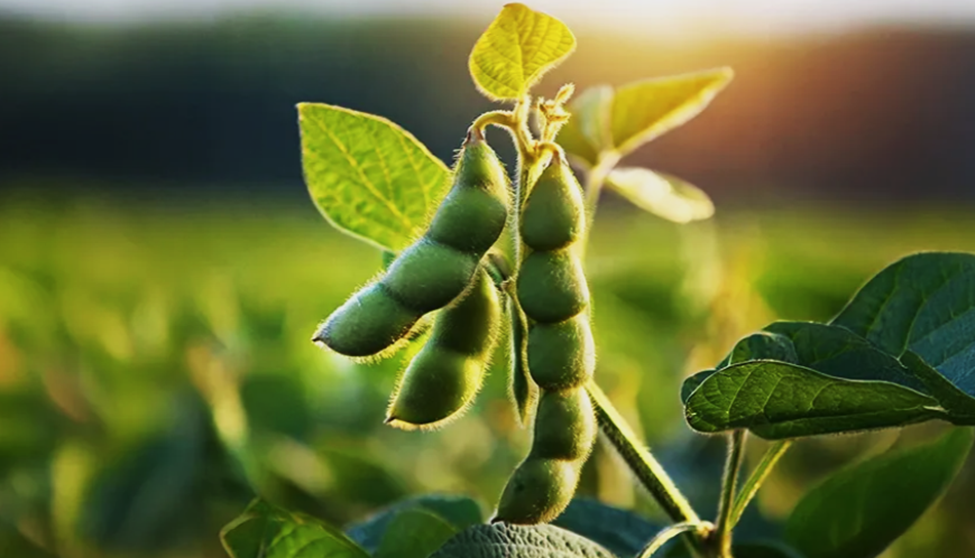
Thursday, 25/06/2026 | 14:29:11
Soybean is a global crop that represents over half of current world oilseed production. Soybean oil has been utilized in the food system based on the functional and health properties of the fatty acid profile; there is an urgent need to adjust the fatty acids in soybean oil to meet current market demands. The soybean high oleic acid seed oil trait (> 75%) in conjunction with a low linolenic acid trait (< 3%) has emerged as an avenue to improve the oil.
Therapeutic Benefits Drive Public Support for Genome Editing in Saudi Arabia
Thursday, 25/06/2026 | 14:27:57
A nationwide survey in Saudi Arabia has found that public acceptance of genome editing is largely driven by perceived therapeutic benefits, despite generally low awareness of the technology. The study assessed attitudes toward genome editing among more than 1,700 adults and examined factors influencing trust, risk perception, and ethical views.
How IFAD is maximizing the economic impact of remittances
Thursday, 25/06/2026 | 14:27:04
Every year, more than 200 million migrant workers and diaspora members send remittances home, supporting an estimated 800 million family members. Much of this money reaches rural communities, where remittances provide a financial lifeline and help to ensure resilience in the face of shocks.
Optimising realised genetic gain with low forward predictive ability across cycles for cooking time and correlated traits in common bean based on multivariate genomic selection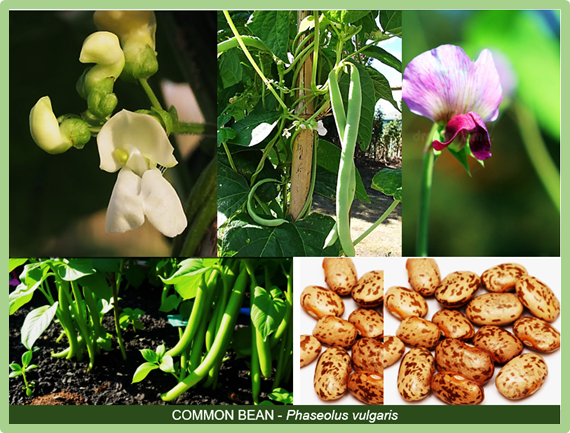
Wednesday, 24/06/2026 | 14:34:05
Common beans (Phaseolus vulgaris L.) are a major source of protein and energy in sub-Saharan Africa, but their long cooking time (CKT) imposes social, economic, environmental and health burdens. This study aimed to accelerate genetic gain for shorter CKT while maintaining or improving other seed traits such as seed iron (Fe) and zinc (Zn) content, water absorption capacity (WAC) and 100-seed weight (SW100) across rapid cycles of early-generation genomic selection.
Researcher Develop Rapid Transformation Method to Improve Finger Millet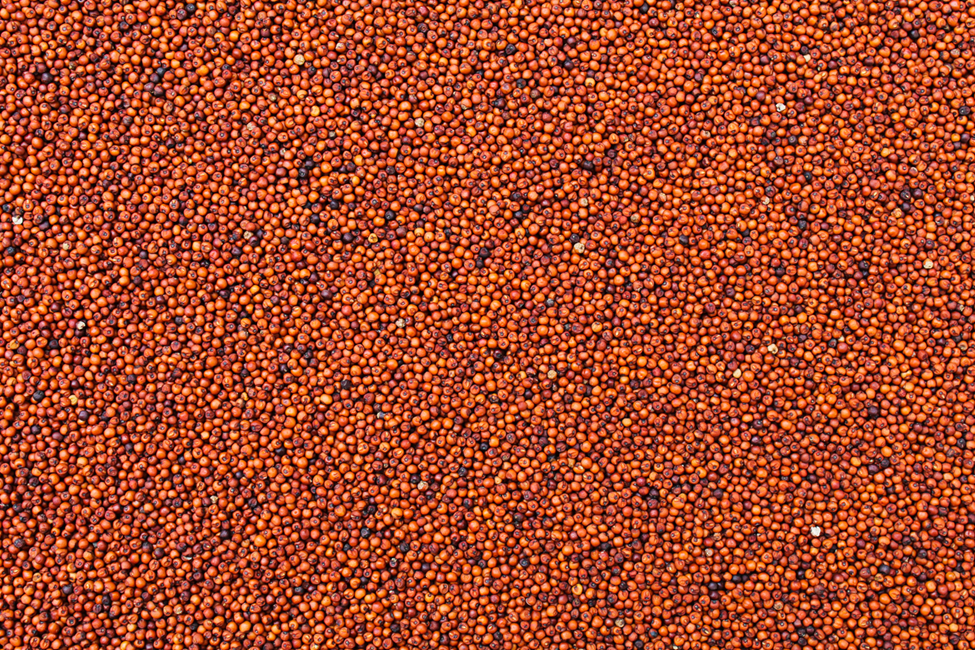
Wednesday, 24/06/2026 | 14:32:08
Finger millet is a highly nutritious and climate-resilient grain grown mostly in dry areas of India and East Africa. Even though it handles harsh weather exceptionally well, scientists have struggled to genetically improve the crop using traditional plant breeding and modification techniques.
Director-General stresses need for critical investments in soil health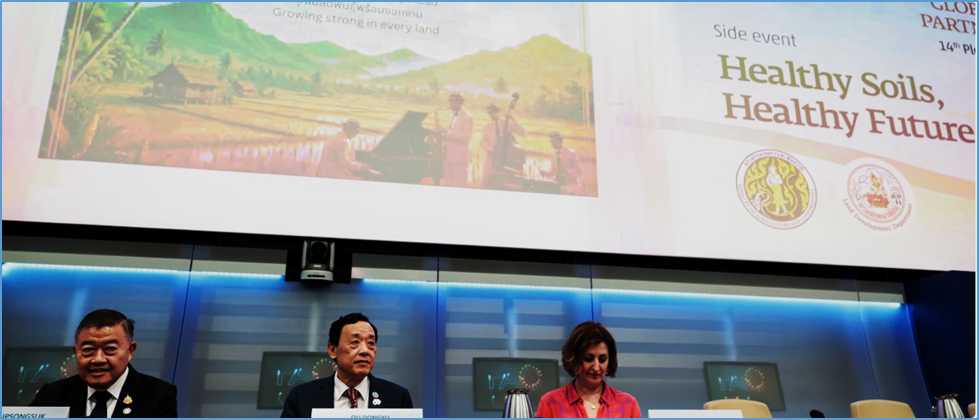
Wednesday, 24/06/2026 | 14:31:14
FAO Director-General QU Dongyu stressed the need for critical investments in soil research and knowledge sharing as he addressed a side event highlighting how governments and farmers are working together across regions to promote sustainable soil management.The event, titled “Health Soils, Healthy Future,” took place on Thursday during the 14th Plenary Assembly of the Global Soil Partnership (GSP), held from 17 to 19 June at FAO headquarters in Rome.
Decoding heat-induced chalkiness in rice: molecular mechanisms, genetic networks, and mitigation strategies for climate resilience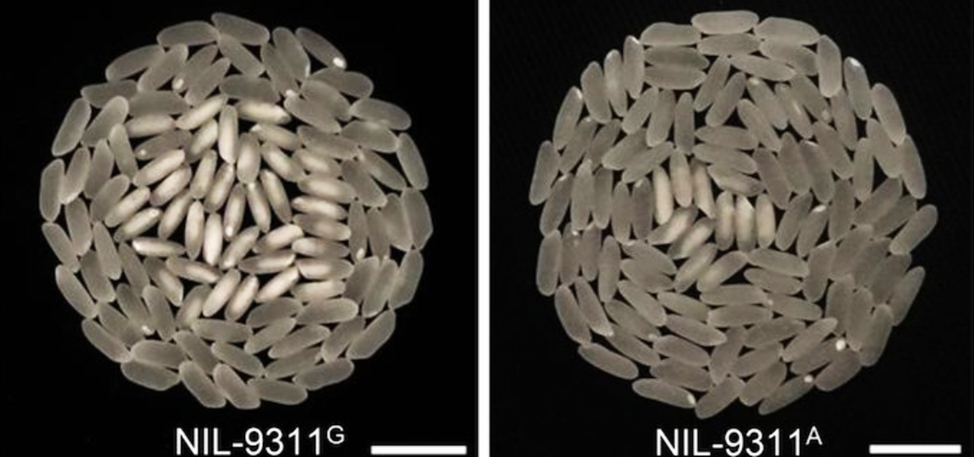
Tuesday, 23/06/2026 | 15:06:08
Chalkiness is a critical trait that negatively affects rice grain appearance, milling quality, cooking properties, and consumer acceptance, and its incidence is increasing under climate change as elevated temperatures during grain filling become more frequent. As a complex quantitative trait shaped by strong genotype × environment interactions, heat-induced chalkiness arises from coordinated disruption of endosperm development
CRISPR Boosts Potato Resistance to Late Blight Disease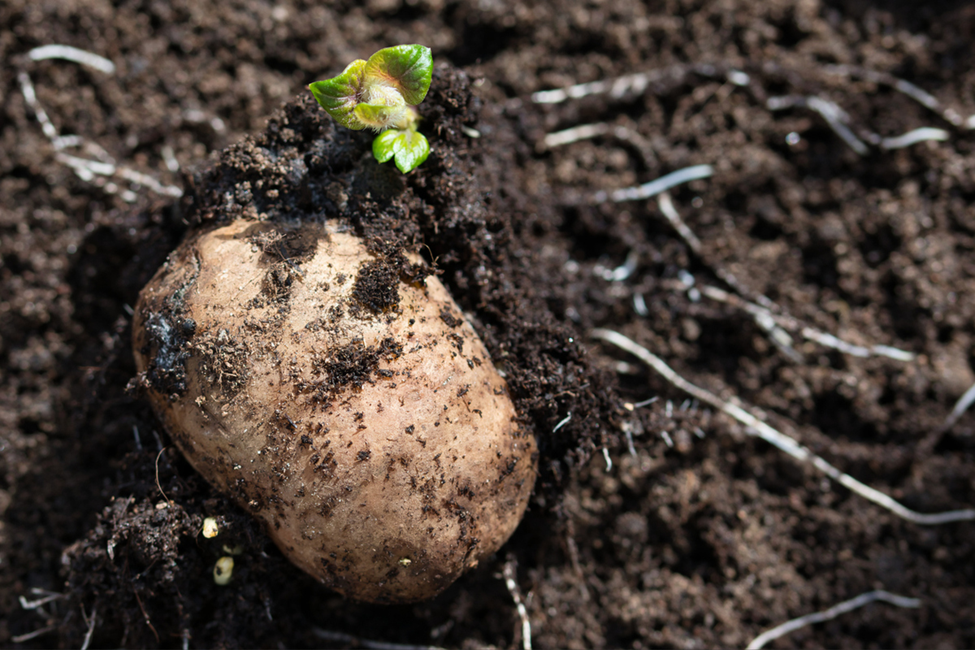
Tuesday, 23/06/2026 | 15:05:00
Scientists at the Pakistan Institute of Engineering and Applied Sciences (PIEAS) and partners have used CRISPR-Cas9 gene editing to improve the resistance of potato plants against late blight disease. The study focused on modifying a susceptibility gene, StDND2, as an alternative strategy to strengthen crop resilience and reduce reliance on fungicides in potato production.
Prioritizing farmers: Alliance and IRRI collaborate to capacitate partners on Human-Centered Design for more effective digital agroclimatic advisories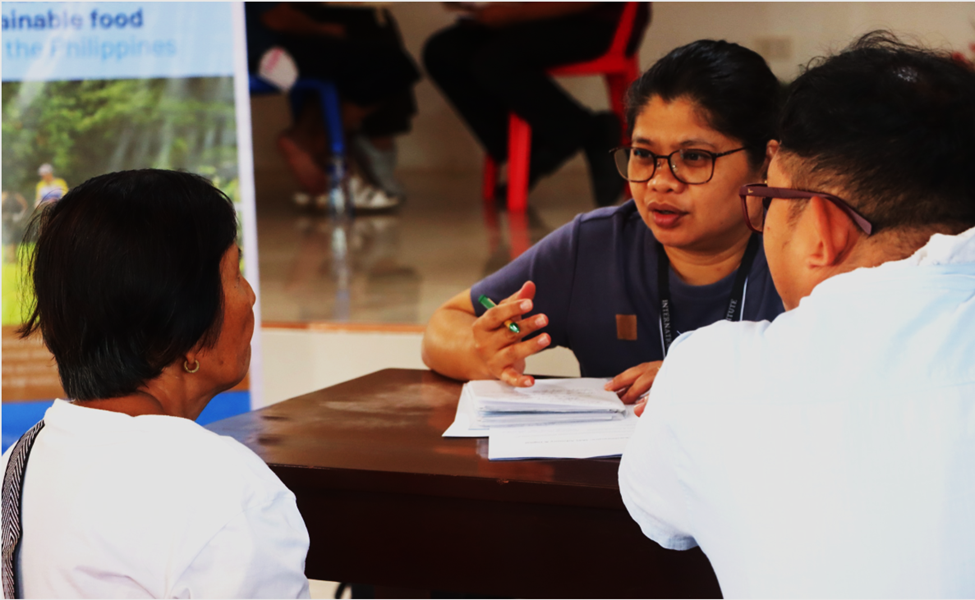
Tuesday, 23/06/2026 | 15:03:52
Developing digital tools grounded in farmer realities requires a shift in design centered on its end-users. To support this, the Alliance of Bioversity International and CIAT (Alliance), in collaboration with the International Rice Research Institute (IRRI) held a four-day technical training to strengthen participants’ understanding of human-centered design (HCD) and explore further improvements to Climate+, a digital advisory system that provides farmers with weather-informed agro-advisories.
Genome editing of susceptibility gene StDND2 enhances Phytophthora resistance in Solanum tuberosum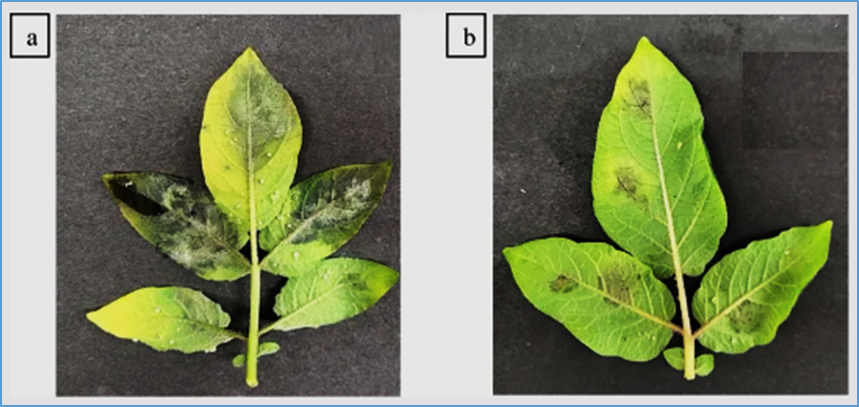
Monday, 22/06/2026 | 15:21:31
Potato (Solanum tuberosum L.) cultivation is severely constrained by multiple pathogens, among which late blight caused by the oomycete P. infestans remains the most destructive disease. Developing pathogen-resistant cultivars can enhance productivity and reduce fungicide use in potato, where R-gene-based resistance is often overcome by evolving pathogen populations. Targeting susceptibility (S) genes represents a promising alternative strategy for improving disease resistance.
AI Model Maps How Gene Switches Control Plant Traits and Crop Stress Response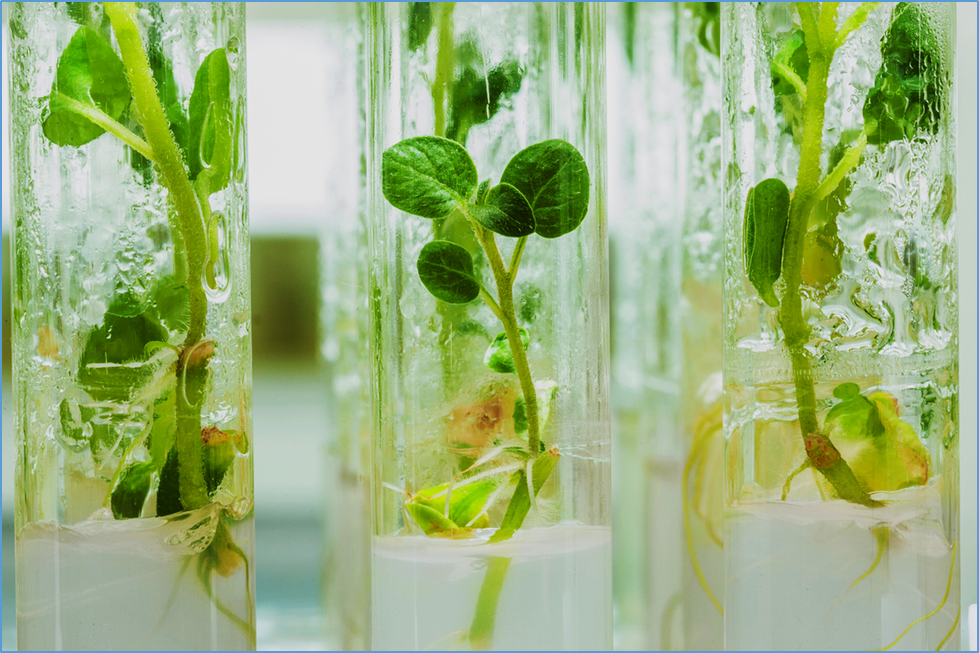
Monday, 22/06/2026 | 15:19:42
An international research team led by Forschungszentrum Jülich and the IPK Leibniz Institute has developed an artificial intelligence (AI) model that predicts how regulatory proteins bind to plant DNA to control gene activity. The study, published in Nature Communications, was trained on genomic data from Arabidopsis thaliana and successfully applied to crops such as maize.
IRRI joins global effort to modernize GHG measurement guidelines for rice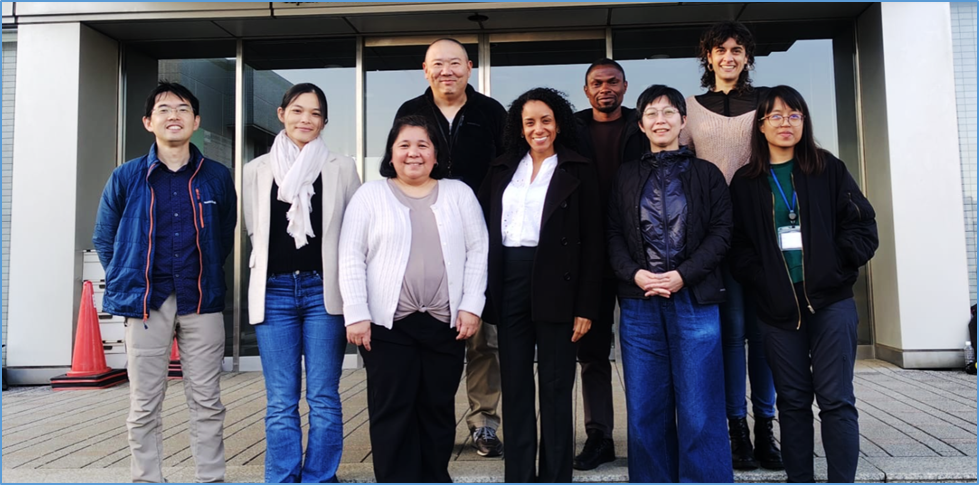
Monday, 22/06/2026 | 15:18:39
The participation of the International Rice Research Institute (IRRI) in a landmark GHG Measurement Practices in Rice-Based Systems writeshop is helping advance new global guidelines for measuring greenhouse gas emissions (GHG) from rice systems, positioning the institute to play a pivotal role in future climate mitigation and monitoring, reporting, and verification (MRV) initiatives for rice.