


News & Events

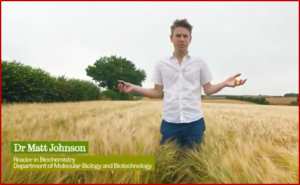
Scientists led by The University of Sheffield have solved the structure of one of the key components of photosynthesis, a discovery that could lead to photosynthesis being ‘redesigned' to achieve higher yields and meet urgent food security needs. The study reveals the structure of cytochrome b6f - the protein complex that significantly influences plant growth via photosynthesis.
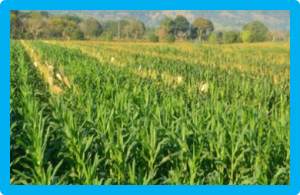
Doubled haploid (DH) technology has become an integral part of many commercial maize breeding programs as DH lines offer several economic, logistic and genetic benefits over conventional inbred lines. Further, new advances in DH technology continue to improve the efficiency of DH line development and fuel its increased adoption in breeding programs worldwide. The established method for maize DH production covered in this review involves in vivo induction of maternal haploids by a male haploid inducer genotype
A new technology borrowed from the pharmaceutical industry can make staple foods and seasonings like flour and salt packed with nutrients, according to a research released in Science Translational Medicine.Hidden hunger is a concern of about two billion people who are fed with the right amount of required calories but lack micronutrients like iron, calcium, and vitamins in their diet.

During the 8th Session of the Governing Body to the International Treaty on Plant Genetic Resources for Food and Agriculture (ITPGRFA) in Rome, Italy on November 14, 2019, a panel discussion on CRISPR technology and its potential to transform agricultural production was sponsored by the U.S. Mission to the UN Agencies and U.S. Embassy to the Holy See. The panel of experts told the United Nations Food and Agricultural Organization that CRISPR technology has a pivotal role to play in the fight against global food insecurity.
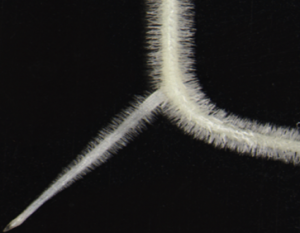
To overcome nitrogen deficiencies in the soil, legumes enter symbioses with rhizobial bacteria that convert atmospheric nitrogen into ammonium. Rhizobia are accommodated as endosymbionts within lateral root organs called nodules that initiate from the inner layers of Medicago truncatula roots in response to rhizobial perception. In contrast, lateral roots emerge from predefined founder cells as an adaptive response to environmental stimuli, including water and nutrient availability
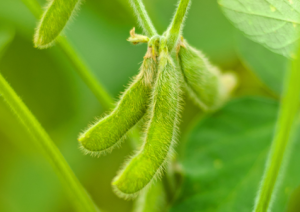
The Paraguayan Minister of Agriculture, through the National Commission for Agricultural and Forestry Biosafety has given their approval to Verdeca's HB4® drought and herbicide tolerant soybeans. The HB4 stack is Verdeca's newest product release from its pipeline of traits developed to benefit soybean producers through quality improvement, stress mitigation, and management practices.
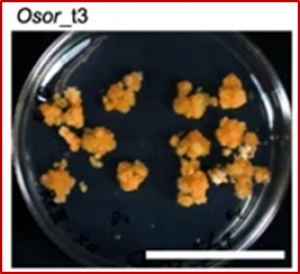
Genome editing could be an alternative approach to improve the vitamin A content of crops, according to a study by Akira Endo and colleagues at the National Agriculture and Food Research Organization and Ishikawa Prefectural University in Japan. The results of the study are published in Rice. Beta-carotene, a precursor of vitamin A, is a vital target for biofortification of crops to aiming to address the problem of vitamin A deficiency prevalent in developing countries.
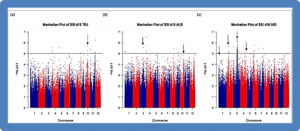
Salt stress is a major constraint to rice acreage and production worldwide. The purpose of this study was to evaluate the natural genetic variation available in the United States Department of Agriculture (USDA) rice mini-core collection (URMC) for early vigor traits under salt stress and identify quantitative trait loci (QTLs) for seedling-stage salt tolerance via a genome-wide association study (GWAS). Using a hydroponic system, the seedlings of 162 accessions were subjected to electrical conductivity (EC) 6.0 dS m-1 salt stress at the three-to-four leaf stage.
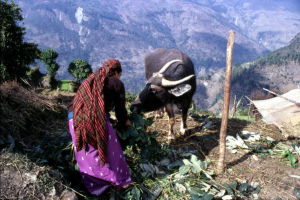
The Board of the Green Climate Fund (GCF) today approved $161 million in funding to support climate resilient projects in Chile, Kyrgyzstan and Nepal benefitting 1.5 million people. The United Nations' Food and Agriculture Organization (FAO) has been supporting the formulation of the projects that will build resilience and mitigate the effects of climate change in the three countries.

The Director-General thanked her for her support for FAO and the Rome-based UN agencies focused on food and agriculture, as well as briefed her on how he has dedicated his first 100 days in office to making the Food and Agriculture Organization "transparent, open and inclusive". She welcomed the Director-General’s creation of The Committees on Women and Youth at FAO and highlighted the importance of paying attention to people with disabilities.
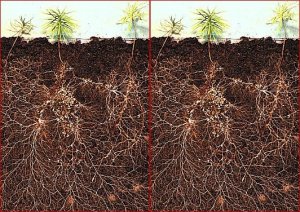
Mycorrhizal fungi are critical members of the plant microbiome, forming a symbiosis with the roots of most plants on Earth. Most plant species partner with either arbuscular or ectomycorrhizal fungi, and these symbioses are thought to represent plant adaptations to fast and slow soil nutrient cycling rates. This generates a second hypothesis, that arbuscular and ectomycorrhizal plant species traits complement and reinforce these fungal strategies, resulting in nutrient acquisitive vs. conservative plant trait profiles. Here we analyzed 17,764 species level trait observations from 2,940 woody plant species to show that mycorrhizal plants differ systematically in nitrogen and phosphorus economic traits.