


News & Events
News & Events
Experts Engineer Cells to Store Vital Molecular Data
Saturday, 04/10/2025 | 07:26:49
Through the advances in CRISPR gene editing, scientists can engineer cells to work like living “black boxes” that automatically record hidden timelines of cellular activity, including when a signaling pathway was switched on, how long a cell was exposed to a drug, or the history of genetic changes that occurred as the cell transitioned from healthy to diseased. This capability enables cells to become “molecular record-keepers” of complex biological processes such as aging, development, and cancer.
OsEHD1 and OsEHD2, two EH domain proteins targeted by E3 ubiquitin ligase OsBBI1, negatively modulate rice immunity against blast and bacterial blight diseases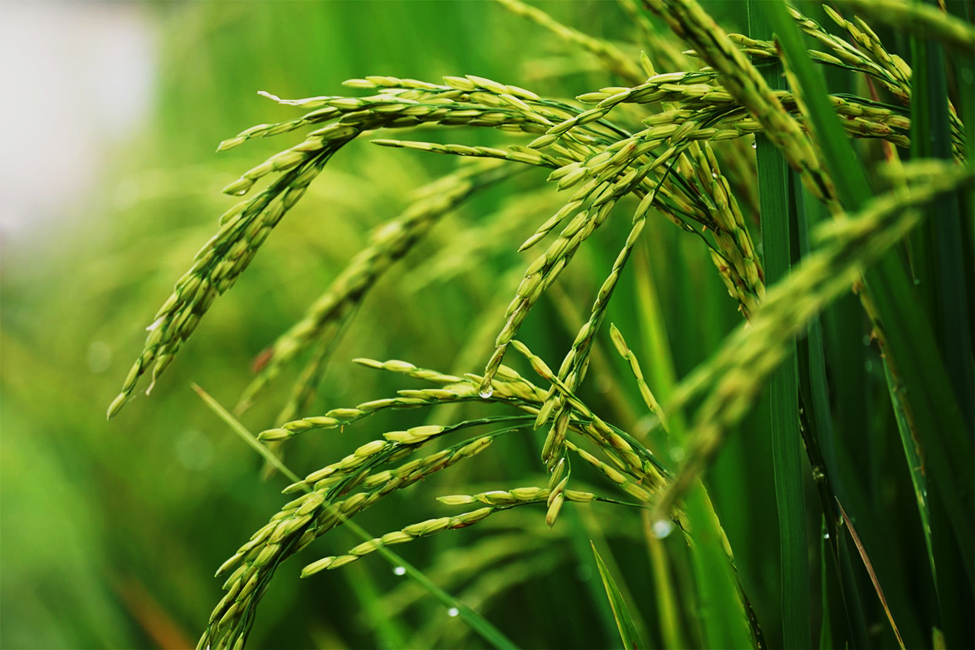
Friday, 03/10/2025 | 08:18:59
Posttranslational modifications (PTMs) are essential regulatory mechanisms that play a critical role in plant immunity. Previously, we demonstrated that OsBBI1, a RING finger type E3 ligase, contributes to rice resistance against blast disease. In this study, we identified two Eps15 homology domain (EHD)-containing proteins, OsEHD1 and OsEHD2, as substrates of OsBBI1 and investigated their roles in rice immunity against Magnaporthe oryzae and Xanthomonas oryzae pv. oryzae (Xoo). We found that OsBBI1 ubiquitinated and promoted the degradation of OsEHD1 and OsEHD2 via ubiquitin/26S proteasome system (UPS) pathway.
Compact Cas9d Enzyme is a Promising Genome-Editing Tool
Friday, 03/10/2025 | 08:17:35
A team of researchers led by Professor WANG Yanli from the Institute of Biophysics of the Chinese Academy of Sciences (CAS) has identified a promising new tool for genome editing called Type II-D Cas9 (NsCas9d). Cas9 is the hallmark protein of Type II CRISPR-Cas systems, with Streptococcus pyogenes Cas9 (SpCas9) the most widely used.
SpCas9 is the most common and effective gene-editing tool, but it is too large for easy delivery into cells. NsCas9d, derived from the Nitrospirae bacterium, is much smaller and could solve this problem.
Gene-edited Japonica Rice Shows Improved Grain Size and Heat Resilience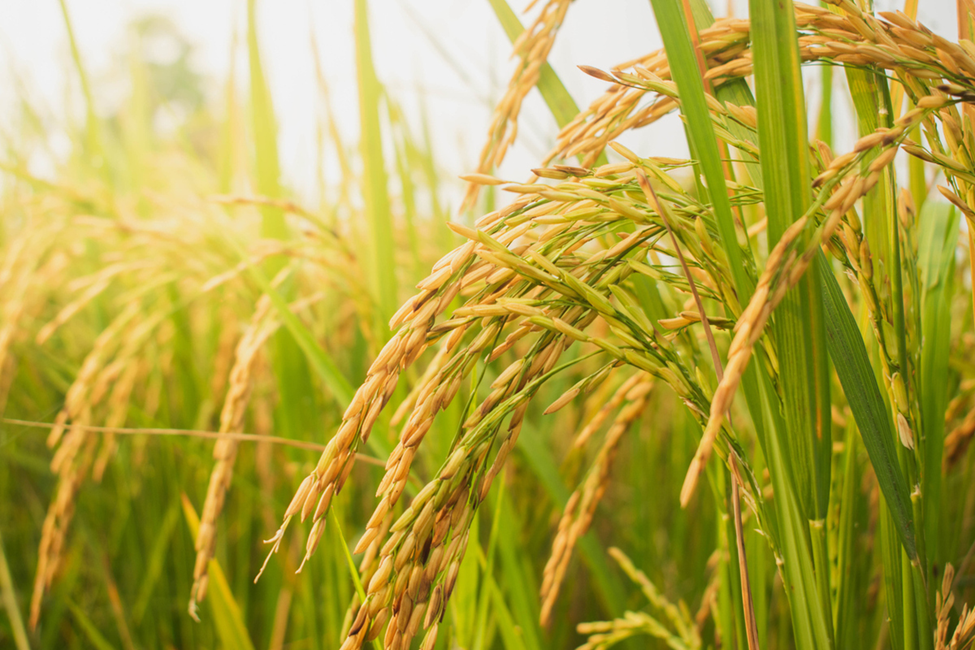
Friday, 03/10/2025 | 08:17:44
Scientists from Zhejiang Academy of Agricultural Sciences and National Center for Genetic Engineering and Biotechnology have successfully used the CRISPR-Cas9 gene editing system to edit the Grain Size3 (GS3) gene in the japonica cultivar “Nipponbare.” The edited lines resulted in larger grains and improved heat tolerance. The findings offer new opportunities for breeding climate-resilient rice varieties with better grain quality and yield.
Genomic prediction-aided incorporation of genetic resources into elite breeding: lessons from a collaborative multiparental design in flint maize
Thursday, 02/10/2025 | 08:00:56
Genetic diversity is essential for plant breeding, enabling long-term gains and adaptation to climate change and new agronomical practices. Breeders can access diverse genetic resources to enhance elite germplasm and introduce new favorable variations. The limited performance of genetic resources may hamper their use. To overcome this, a bridging population can be implemented to evaluate and select progenies from crosses between diversity donors and elite lines before their introduction in breeding programs. The choice of such crosses can be dealt with the usefulness criterion (UC), which determines its ability to produce transgressive individuals. This paper investigates the use of genome-wide marker effects to predict (i) the performance of individuals derived from crosses between donors and elite lines and (ii) the UC of crosses not observed yet
Gene-Edited Poinsettias Branch Naturally, Do Not Need Bacterial Infection and Pruning
Thursday, 02/10/2025 | 08:01:25
Researchers at Aarhus University, in collaboration with Graff Breeding A/S, have developed a gene-edited poinsettia that branches naturally without the need for bacterial infection or manual pruning. Traditionally, the plant's bushy shape has been achieved using a specific bacterium, which creates challenges for growers and requires a lot of labor.
In the project called StarQuality supported by Innovation Fund Denmark, the researchers identified and modified a single gene that controls branching. This breakthrough allows the poinsettias to grow bushy on their own. Using gene editing technology, they succeeded in developing plants where a single genetic modification allows the poinsettia to branch naturally.
Researchers Pinpoint Soybean Gene Involved in Seed Size and Quality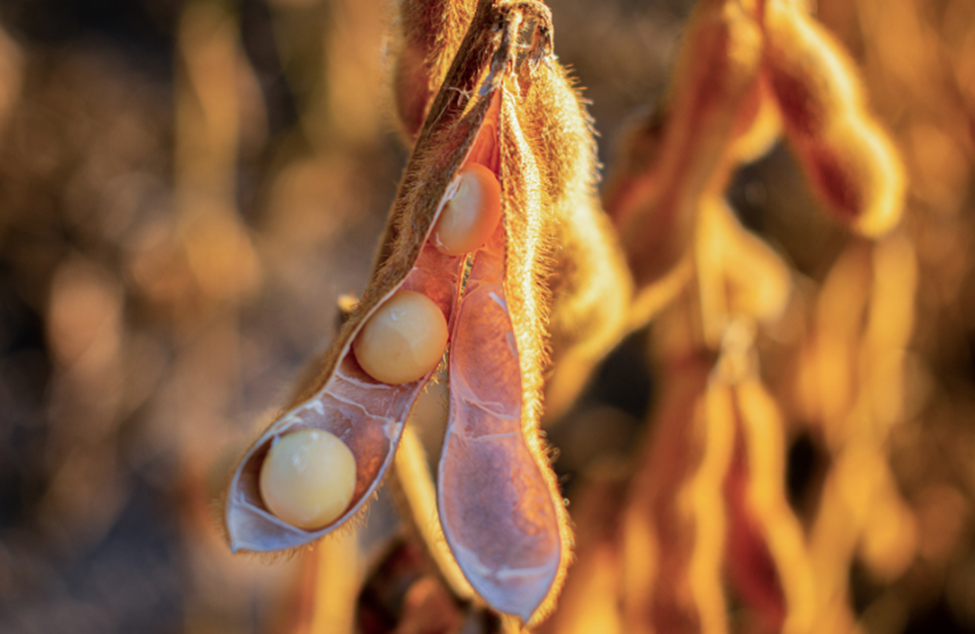
Thursday, 02/10/2025 | 07:57:19
A study published in Theoretical and Applied Genetics reported the vital role of soybean gene GmCDC7 in seed development. The findings from researchers at the Chinese Academy of Sciences provide new targets for enhancing the yield and quality of soybean and other crops.
GmCDC7 is active in many plant tissues, but the expression peaks during early seed development. The expressed protein of the gene is present in the nucleus, where it impacts the cell behavior. The researchers employed the CRISPR gene editing tool to turn off the gene, which led to larger and heavier soybean seeds as the gene promotes cell expansion while limiting the formation of new cells.
Integration of transcriptome, metabolome and high-throughput amplicon sequencing reveals potential mechanisms of antioxidant activity and environmental adaptation in the purple-leaf phenotype of Coffea cultivars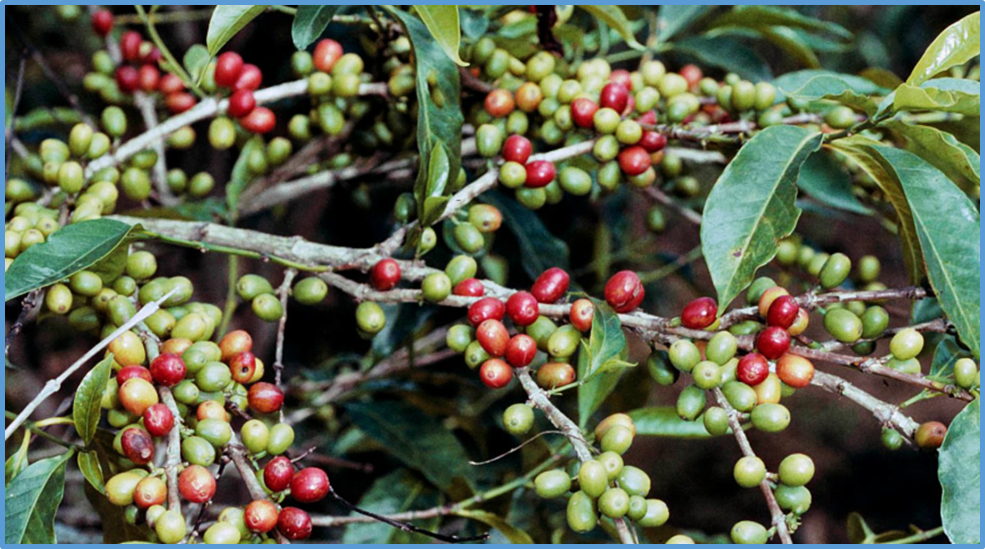
Wednesday, 01/10/2025 | 08:09:02
To understand its potential in meeting the increasing market demand for high-quality and resistant coffee varieties., the study focused on evaluating a leaf color mutation in Coffea arabica L. (purple coffee) and comparing it with the control (Catimor). Analysis of antioxidant indices revealed that purple coffee exhibited significantly higher levels of TAC (total anthocyanin content), DPPH (2,2-dyphenyl-1-picrylhydrazyl), POD (peroxidase), and PPO (polyphenol oxidase) compared to Catimor, indicating stronger antioxidant activities. Multi-omics analysis was conducted to create metabolic profiles, genetic maps, and phyllosphere microbial communities of the two Coffea genotypes. The metabolome and transcriptome results showed higher levels of flavonoids and phenolic acids in purple coffee, along with different gene expression patterns.
CSHL Scientists Discover Master Switch for Plant Growth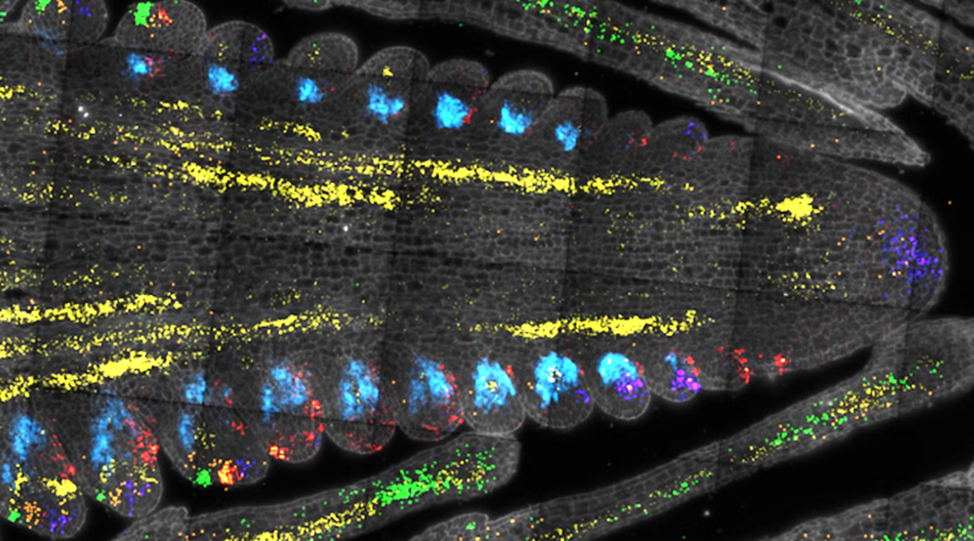
Wednesday, 01/10/2025 | 08:08:04
In a new study, Cold Spring Harbor Laboratory plant biologists have successfully mapped the genes that regulate plant stem cells in maize and the model plant Arabidopsis. This research, which also uncovered new regulators, could be foundational for breeding more productive and resilient crops in the future.
Now, for the first time, Cold Spring Harbor Laboratory (CSHL) plant biologists have mapped two known stem cell regulators across thousands of maize and Arabidopsis shoot cells. Their research also uncovered new stem cell regulators in both species and linked some to size variations in maize.
UC San Diego and Yale Scientists Develop Safer Alternative to CRISPR
Wednesday, 01/10/2025 | 08:06:40
Researchers from the University of California (UC) San Diego and Yale University have developed a new gene editing approach that could be safer than the widely used CRISPR system. The method, explained in Nature Chemical Biology, uses human-based editing systems to make highly specific, temporary modifications.
While CRISPR has transformed gene editing, it is also known to cause unintended consequences when used to edit human DNA. In search of safer alternatives, the team of Dr. Gene Yeo, corresponding author of the study and a professor at UC San Diego, tested two systems using small nuclear RNAs that corrected RNA “letters” (adenine, uracil, cytosine, and guanine) with greater precision and safety. As opposed to bacteria-based editing systems, “Human-based editing systems have less potential for issues,” said Dr. Yeo.
Rootworm resistance to Bt associated with increased injury to corn pyramids combining Bt proteins and RNA interference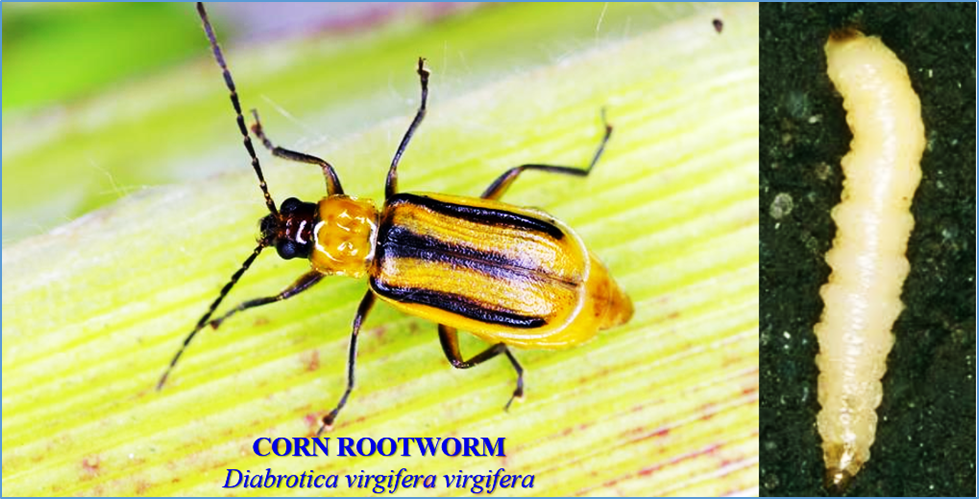
Tuesday, 30/09/2025 | 08:17:13
Crops genetically engineered to produce insecticidal proteins from the bacterium Bacillus thuringiensis (Bt) have revolutionized pest management, but their benefits have been reduced by evolution of practical resistance in at least 31 cases. To delay evolution of resistance, farmers have shifted from crops producing one Bt protein to crops called pyramids that produce two or more Bt proteins or other traits targeting each pest. Here, we focus on resistance to transgenic corn pyramids in the western corn rootworm (Diabrotica virgifera virgifera) and northern corn rootworm (Diabrotica barberi), which cost farmers in the United States $2 billion yearly in yield losses. We analyzed 998 relevant data values for 2005 to 2023 from 12 published field studies.
Survey Examines Farmers’ Adoption of Bt Brinjal in Bangladesh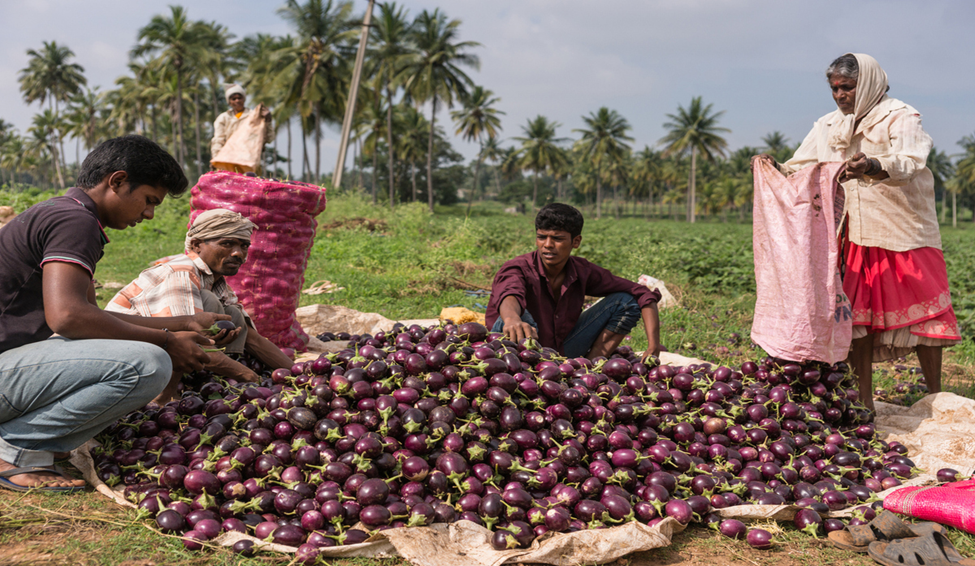
Tuesday, 30/09/2025 | 08:15:14
Bt brinjal is a GM eggplant introduced in 2014 to fight against eggplant fruit and shoot borer (EFSB). In a survey among 308 Bangladeshi farmers, 64% expressed willingness to adopt Bt brinjal. However, only 43% actually adopted the GM crop, and 21% did not follow through. The study revealed that farm labor availability, cultivation experience, NGO membership, positive attitudes toward the crop, and perceived ease of use increased both willingness and adoption.
According to the authors, the study is one of the first to analyze willingness, behavior, and their consistency in GM crop adoption. The authors conclude that understanding these dynamics can guide better policies to strengthen Bt brinjal adoption in Bangladesh and provide lessons for introducing other GM crops in similar agricultural settings.