


News & Events
News & Events
Global deforestation slows, but forests remain under pressure, FAO report shows
Wednesday, 29/10/2025 | 07:44:31
Deforestation has slowed in all of the world’s regions in the last decade, according to the Global Forest Resources Assessment 2025 (FRA 2025) of the Food and Agriculture Organization of the United Nations (FAO).
Released every five years, the 2025 edition of the report was published today during the Global Forest Observations Initiative (GFOI) Plenary in Bali, Indonesia.
Ubiquitin-mediated degradation restricts spatiotemporal accumulation of the cytoplasmic male sterility protein WA352 to anthers in rice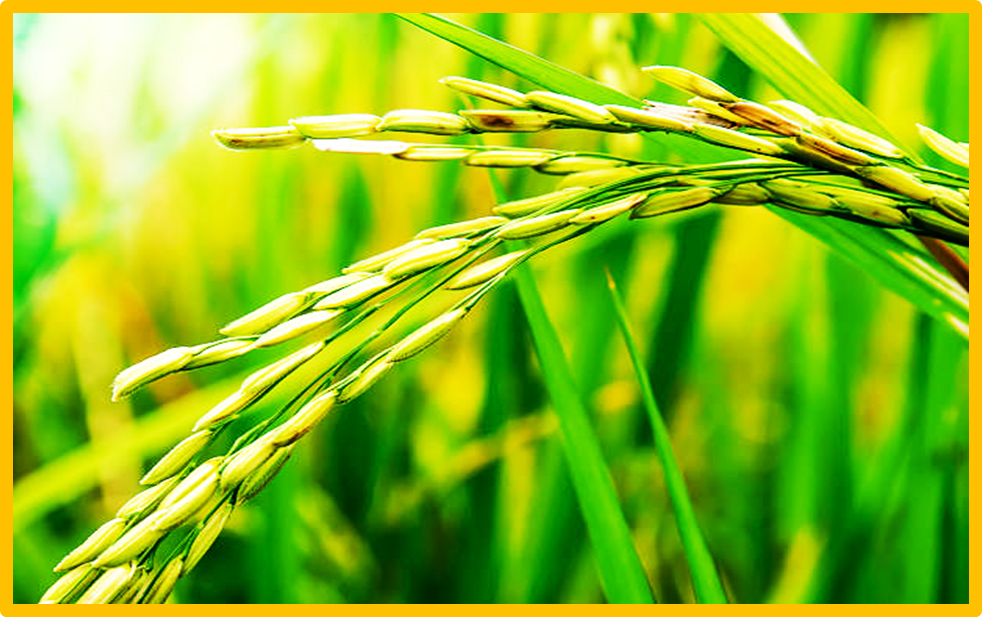
Tuesday, 28/10/2025 | 08:37:41
Cytoplasmic male sterility (CMS) is caused by mitochondrial genes that are constitutively expressed in plant tissues, although the encoded proteins preferentially accumulate in anthers. The mechanisms regulating CMS protein accumulation remain unclear. Here, we explored this process using wild-abortive CMS (CMS-WA) rice (Oryza sativa). We show that WA352, the causal protein of CMS-WA, is degraded by the ubiquitin–proteasome system (UPS). Structural analysis and protein truncation assays revealed that the N terminus of WA352 is critical for its anchoring to the inner mitochondrial membrane and its UPS-mediated degradation. Functional complementation confirmed that WA352151–352,
Iowa State Scientists Use Gene Editing to Explore Chromosomes of Agrobacterium tumefaciens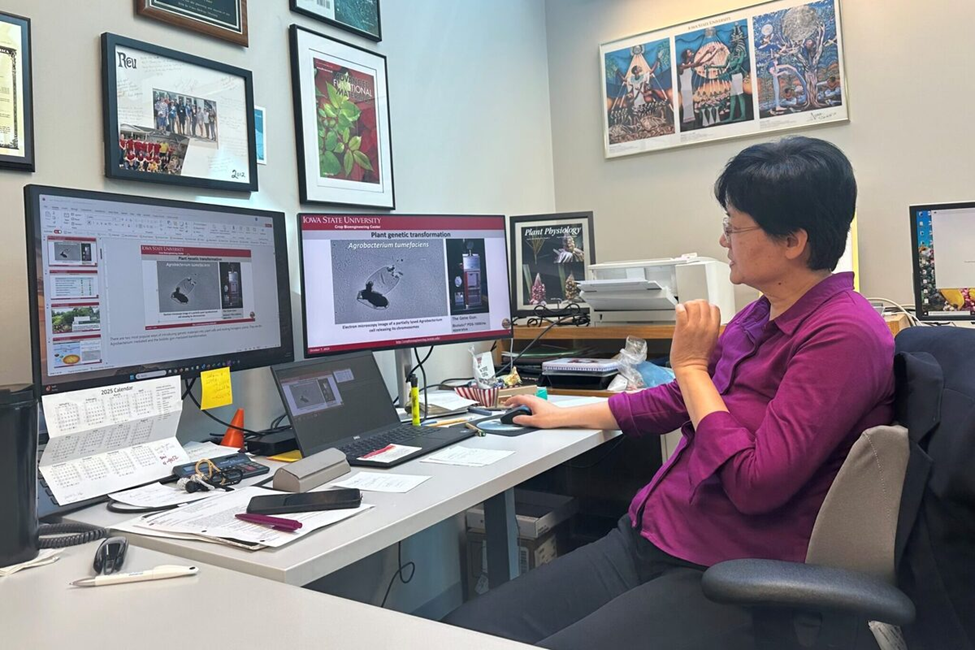
Tuesday, 28/10/2025 | 08:36:14
Researchers at Iowa State University (ISU) have made discoveries about Agrobacterium tumefaciens, the bacterium responsible for the creation of genetically modified (GM) crops. Led by Professor Kan Wang of ISU's Agronomy and Biotechnology, the team explored how changes in the bacterium's DNA affect its ability to infect plants and influence their growth.
Agrobacterium tumefaciens is also the foundation of genetic engineering in agriculture, which allows scientists to insert foreign genes into crops. “All of the GMOs on the market were made by Agrobacterium,
ILRI scientists develop new guideline on pioneer-positive deviance for agricultural extension in Ethiopia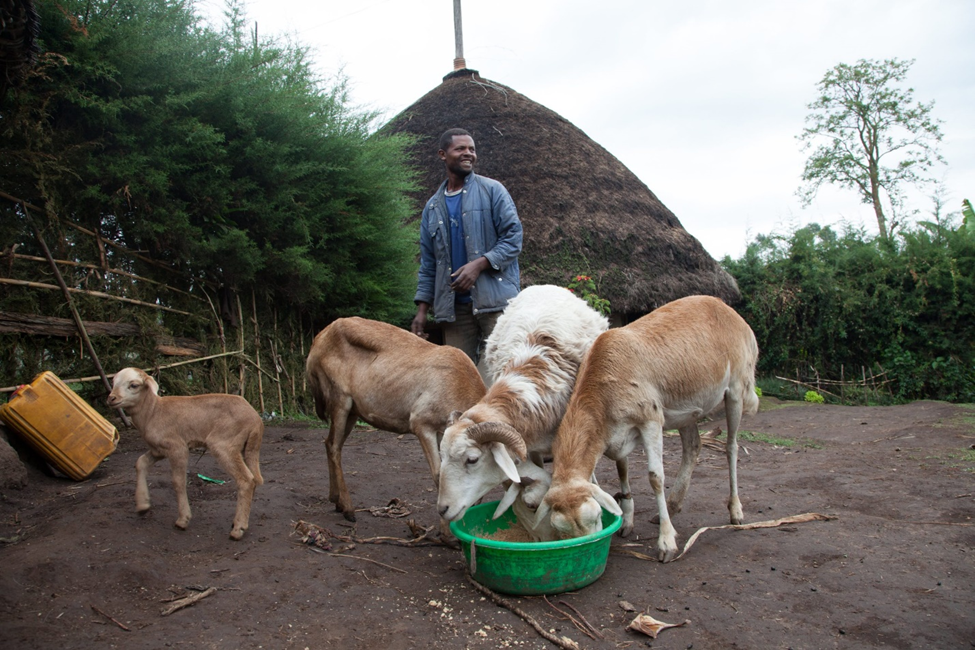
Tuesday, 28/10/2025 | 08:35:07
Scientists at the International Livestock Research Institute (ILRI) have published a new guideline on pioneer-positive deviance for the agricultural extension system in Ethiopia.
The document provides guidance on how to use approaches that look for solutions on the ground, rather than imposing them, and work with farmers in building on those in a genuine co-design process with equal collaboration of all.
This approach is based on positive deviance theory and identifies pioneer households for sustainable livestock solutions.
Creation of new rice germplasm with cross-resistance to auxin herbicides picloram and dicamba by genome editing of OsAFB4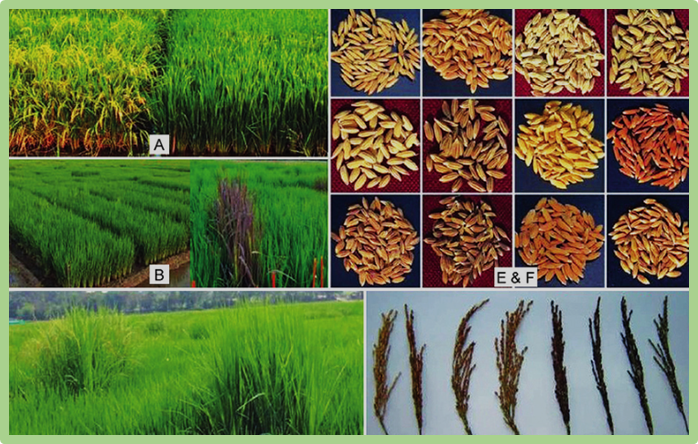
Monday, 27/10/2025 | 08:09:31
Synthetic auxin herbicides (SAHs) are widely employed in global agriculture owing to low toxicity and high efficiency in weed management. Mutations in OsAFB4, an AUXIN SIGNALING F-BOX gene, led to specific resistance to SAH picloram in rice. However, potential application of OsAFB4 modification for resistance to other SAHs and its effect on agronomic traits in rice remain uncharacterized. In this study, we employed CRISPR/Cas9-mediated genome editing to generate OsAFB4 mutations in the elite commercial rice cultivar Jiahe212 (JH212). Hydroponic-culture experiments showed that Osafb4 mutant lines exhibited significant resistance to both SAHs: picloram and dicamba.
Survey Reveals Growing Acceptance of Gene-Edited Foods in Korea
Monday, 27/10/2025 | 08:08:26
A nationwide survey by Korean researchers has revealed that while most Koreans view genome editing as a promising agricultural technology, public confidence hinges on safety, transparency, and policy trust. The 2024 survey was conducted on 1,055 Koreans to assess their awareness, attitudes, acceptance, and information behavior towards genome editing.
The study revealed that awareness of genome editing varied widely depending on the terminology used. While 64% of respondents recognized the term “gene scissors,” only 18% were familiar with “CRISPR-Cas9.”
Mexican Scientists Urge Government to Rule on Gene-Edited Crops
Monday, 27/10/2025 | 08:07:36
Researchers across Mexico are calling on the government to establish clear, evidence-based regulations that distinguish modern gene editing technologies, such as CRISPR, from genetically modified organisms (GMOs). A coalition of 28 scientists issued a public statement and petition, arguing that Mexico risks falling behind if it continues to lack a legal framework for these techniques, unlike most of its Latin American counterparts, including regulatory pioneers Argentina and Chile.
Intra species dissection of Phytophthora capsici resistance in black pepper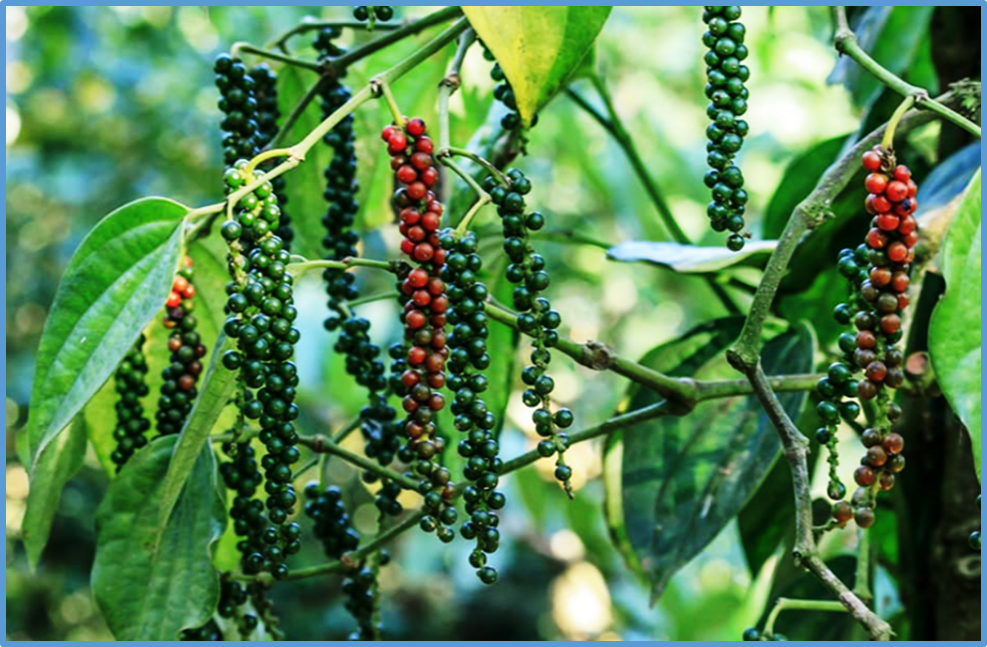
Friday, 24/10/2025 | 11:43:42
The intraspecies difference between P. flaviflorum and P. nigrum on gene body region led to coding variations on 5137 genes, including 359 gene with biotic stress responses and regulation. P. flaviflorum exhibited a more comprehensive resistance response to Phytophthora capsici in terms of transcriptome features. The pathogen responsive transcribing was significant associated with histone modification mark of H3K4me3 in black pepper
Scientists Discover Pair of Genes that Strengthens Wheat’s Defense Against Powdery Mildew
Friday, 24/10/2025 | 11:42:16
Scientists have identified a pair of resistance genes in wild emmer wheat that could help protect cultivated varieties from powdery mildew, a major fungal disease affecting global wheat yields. The study emphasized that two adjacent NLR proteins, PmWR183-NLR1 and PmWR183-NLR2, must work together to confer immunity.
The team used advanced techniques, including map-based cloning, long-read genome sequencing, and CRISPR-Cas9, to uncover how PmWR183 functions. Unlike most known resistance genes, PmWR183 depends on the cooperation of two NLR proteins that physically interact to trigger the plant's immune response.
From science to action: Advancing the Global Biodiversity Framework at SBSTTA-27
Friday, 24/10/2025 | 11:41:17
As the world’s biodiversity losses continue, the need for evidence-based action and cross-sector collaboration has never been more urgent. Biodiversity is fundamental to building climate-resilient, sustainable food, land, and water systems, and to maintain the ecological functions that sustain human well-being.
This week, the 27th meeting of the Subsidiary Body on Scientific, Technical and Technological Advice (SBSTTA-27) is taking place in Panama City, as one of the key preparatory milestones on the road to COP17. During the meeting, countries are taking stock of progress in implementing the Kunming–Montreal Global Biodiversity Framework (KMGBF) and identify pathways to accelerate action.
Paired NLRs originated from Triticum dicoccoides coordinately confer resistance to powdery mildew in wheat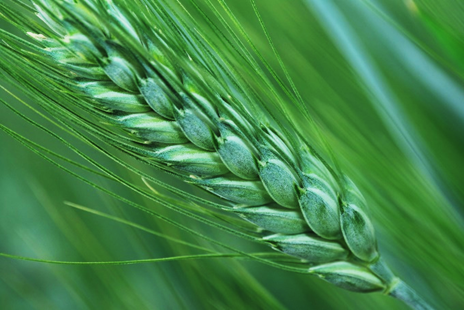
Friday, 24/10/2025 | 11:40:12
Wheat has evolved diverse resistance genes against powdery mildew, typically controlled by single-gene-encoded proteins. Here, we report the map-based cloning of PmWR183, a resistance locus encoding two adjacent NLR proteins (PmWR183-NLR1 and PmWR183-NLR2) from wild emmer wheat. Stable transformation and CRISPR/Cas9 knockout experiments demonstrate that the two NLRs function cooperatively: neither gene alone confers resistance, but their co-expression restores immunity, while disruption of either gene abolishes resistance.
Drought-Resilient Alfalfa Offers Lifeline to Kazakh Farmers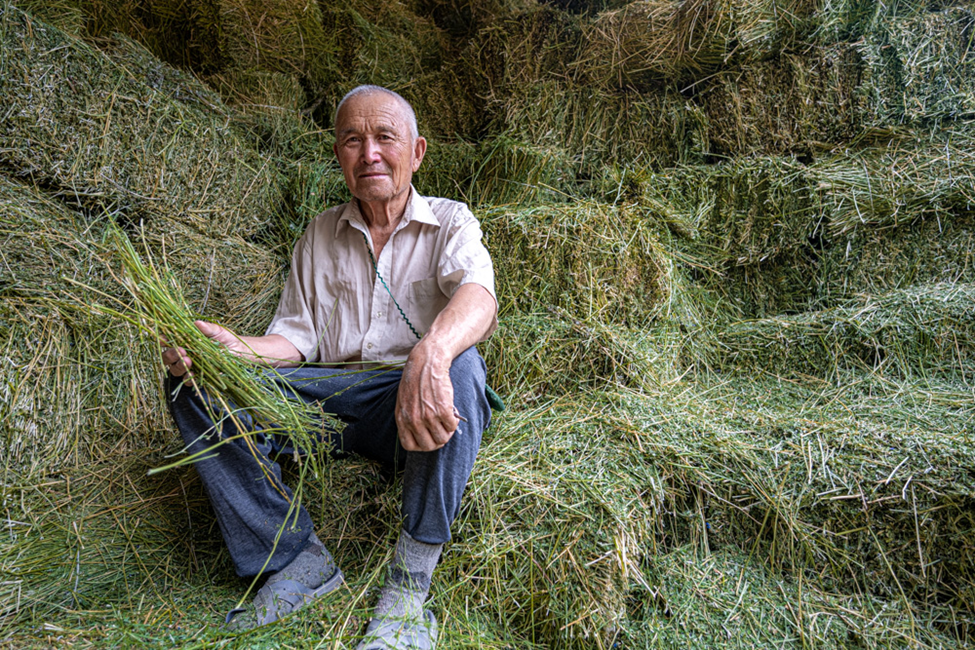
Friday, 24/10/2025 | 11:38:45
A new, climate-resilient variety of alfalfa has been released in Kazakhstan, offering hope to farmers fighting severe drought and water scarcity. The variety, named Tozimdi (meaning "stable" or "sustainable" in Kazakh), was developed through an international collaboration between the Kazakhstan Scientific Research Institute for Agriculture and Plant Growing (KSRIAPG) and the Australian Pastures Genebank at the South Australian Research and Development Institute (SARDI).