


News & Events
News & Events
IRRI 2025–2030 Strategy: A Bold Vision for Rice-Based Agri-Food Systems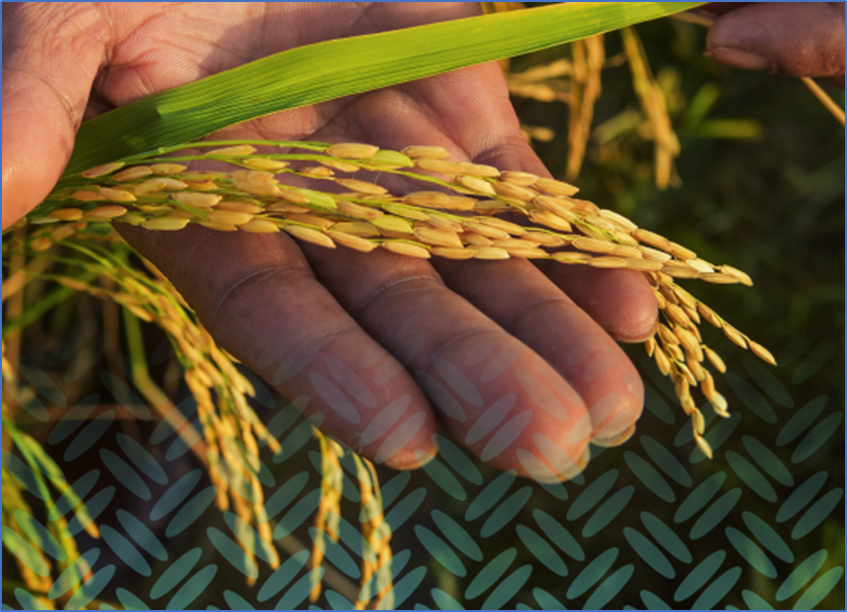
Friday, 31/10/2025 | 09:26:26
Rice is humanity’s most vital food source—feeding over 4 billion people, more than half of the world’s population, and supporting 150 million farmers across 100 countries. Since IRRI’s founding in 1960, global rice production has tripled to 776 million tonnes annually. Sustaining this growth to meet future demand presents unprecedented challenges. Despite advancements, rice cultivation continues to contribute 1.5% of global greenhouse gas emissions and consumes 30% of global freshwater.
A new bacterial blight resistance gene Xa50(t) in the Xa4 locus confers resistance against Xanthomonas oryzae pv. oryzae in rice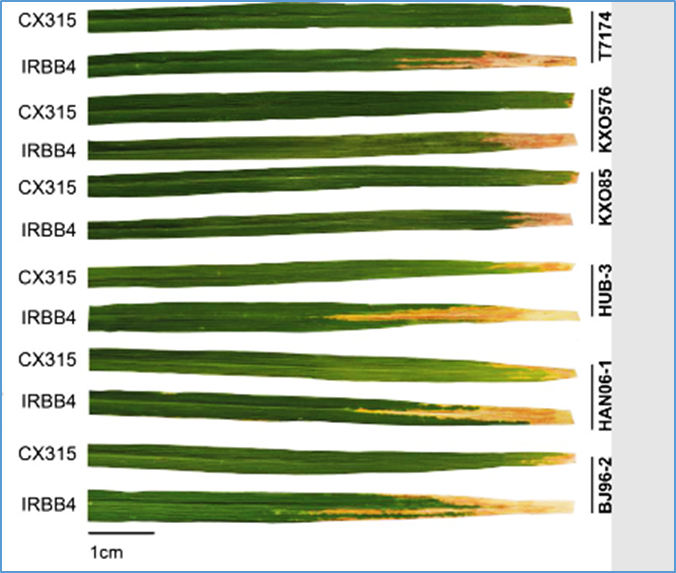
Friday, 31/10/2025 | 09:24:37
Rice bacterial leaf blight (BB), caused by Xanthomonas oryzae pv. oryzae (Xoo), leads to severe yield losses in rice. Resistance breeding is a sustainable approach to mitigate the impact of this disease. In this study, a novel BB resistance gene, Xa50(t), was identified in the germplasm line CX315. Genetic analysis revealed that the resistance is conferred by a dominant resistant gene, tentatively named Xa50(t), which provides broad-spectrum and robust resistance to multiple Xoo strains.
CRISPR Rice Exhibits Broad-Spectrum Herbicide Resistance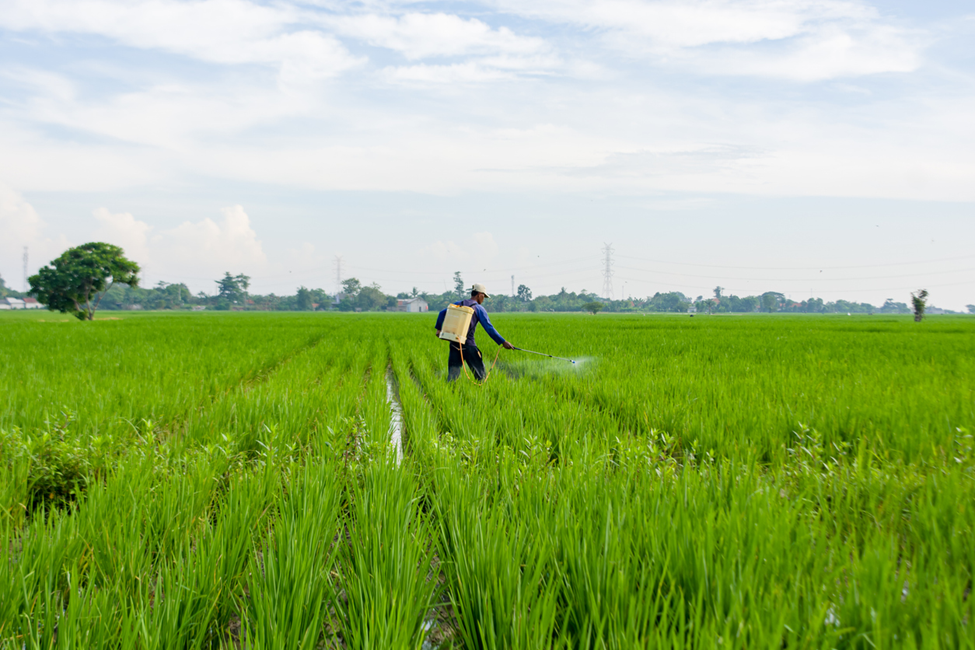
Friday, 31/10/2025 | 09:23:22
Researchers from Hainan Bolian Biotechnology Co. in China successfully generated broad-spectrum resistance to herbicides in rice using CRISPR-Cas9. Their findings are published in the journal Rice.
Weed resistance and crop rotation issues are some of the challenges in modern agriculture; thus, there is a need for herbicide-resistant genetic resources. This led the researchers to use CRISPR-Cas9-mediated non-homologous end joining (NHEJ) together with whole-stage selection to develop herbicide-resistant indica rice by mutating the acetolactate synthase (ALS) gene.
WFF 2025: Green Cities Conference adopts Communiqué, principles and criteria for greener future cities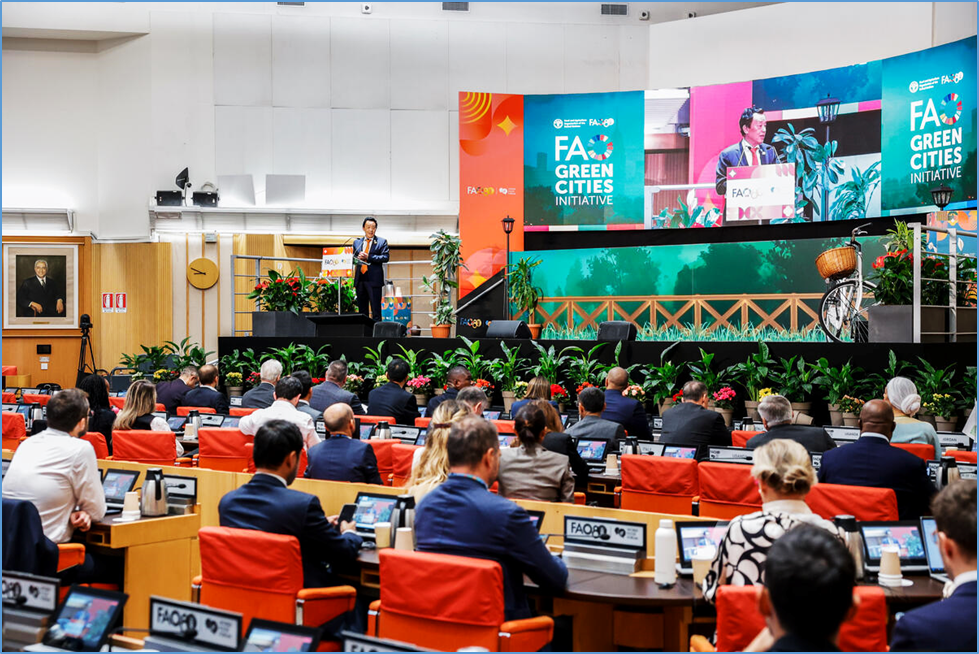
Friday, 31/10/2025 | 09:22:23
The High-level segment of the First International Green Cities Conference, held during the World Food Forum 2025, produced two significant outcomes – a Communiqué and the Green City Principles and Criteria – to guide the next steps in advancing global efforts to make cities greener, more resilient, and inclusive.
Co-organized by the Food and Agriculture Organization of the United Nations (FAO) and UN-Habitat, the Conference united mayors, city practitioners, national authorities, civil-society and private-sector actors to explore practical strategies for sustainable urban development.
Targeted disruption of OsBADH2 induces basmati aroma in the popular indica rice variety IR-64 using CRISPR/Cas9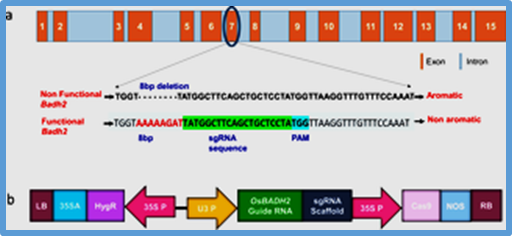
Friday, 31/10/2025 | 08:09:18
Rice, a major staple food for half of the world’s population, has been a significant source of nutrition. India is the second-largest producer and consumer of rice globally. Rice aroma is considered one of the most important traits as it is a key factor determining market price and is related to local and national identity. The genetic basis underlying aroma synthesis is well-explored in rice, and it is controlled by a recessive mutation in the betaine aldehyde dehydrogenase 2 (OsBADH2) gene that results in the synthesis of 2-acetyl-1-pyrroline (2AP)
Scientists Discover Tomato Gene that Boosts Resistance Against Bacterial Wilt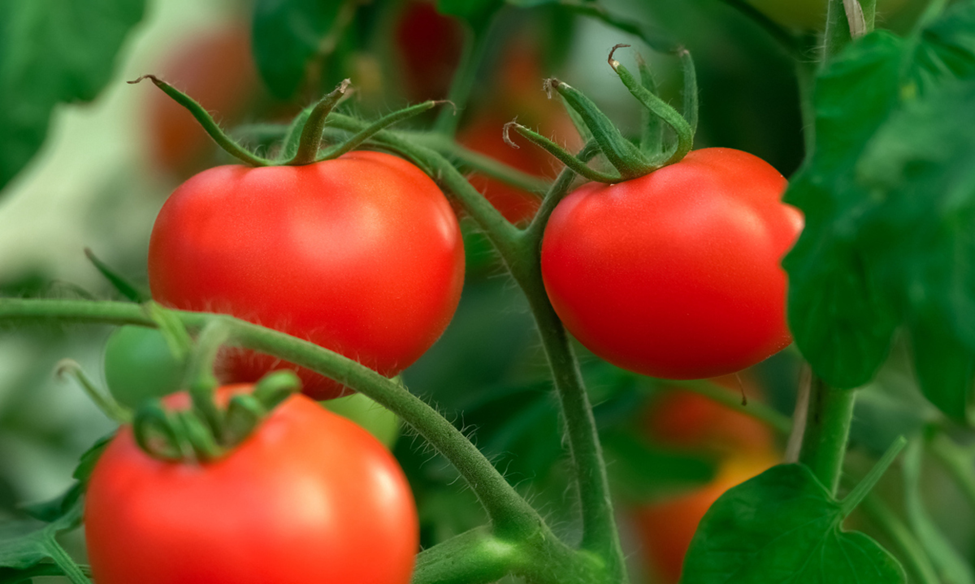
Friday, 31/10/2025 | 08:09:13
Experts from Yichun University in China discovered that SlWRKY75 plays a crucial role in helping tomatoes fight bacterial wilt, a devastating disease caused by Ralstonia solanacearum. The study, published in Frontiers of Plant Science, provides new insights into how this gene enhances disease resistance, offering potential pathways for developing stronger, more resilient tomato varieties.
In this study, the researchers observed that the SlWRKY75-overexpressing tomato lines show enhanced resistance to bacterial wilt.
From bottles to solar pumps: how Cocoa farmers in Ghana are innovating to beat water stress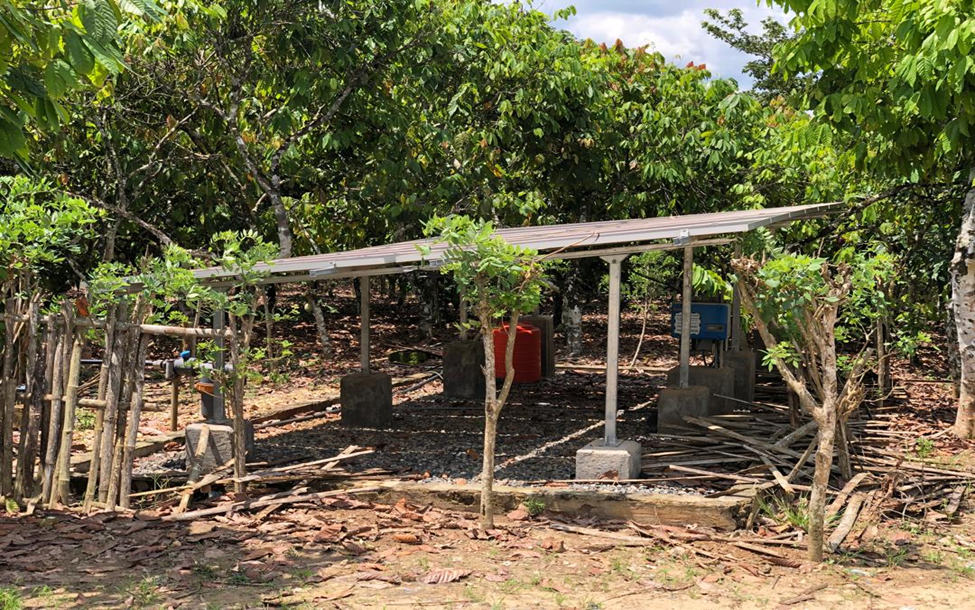
Friday, 31/10/2025 | 08:09:06
Across Ghana’s cocoa belt, the rhythm of the rains is no longer reliable. Once-predictable wet and dry seasons have given way to longer dry spells, hotter harmattan months, and sudden, intense downpours. For cocoa farmers, this “climate whiplash” is not just an inconvenience; it is a direct threat to their yields, which are projected to decline by 5% in the future compared to the current period, and to their livelihoods. Prolonged water stress causes pods to shrivel, while extreme rainfall fuels outbreaks of black pod disease, making it challenging to dry beans.
A WRKY transcription factor, SlWRKY75, positively regulates tomato (Solanum lycopersicum L.) resistance to Ralstonia solanacearum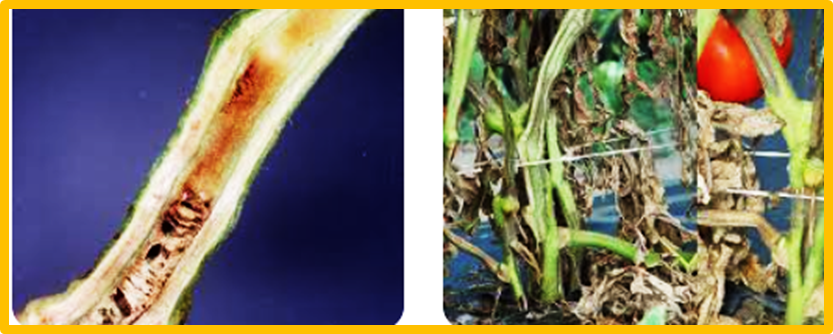
Thursday, 30/10/2025 | 08:51:08
WRKYs are a unique family of plant-specific transcription factors. Research has proven that WRKY transcription factors play essential roles in regulating plant growth and development as well as biotic and abiotic stress responses. However, the role of WRKY proteins in regulating the resistance of tomato (Solanum lycopersicum L.) to bacterial wilt caused by Ralstonia solanacearum remains unclear. Our previous study showed that R. solanacearum significantly upregulates SlWRKY75 expression in tomato
Gene-edited Indica Rice Exhibits Basmati Aroma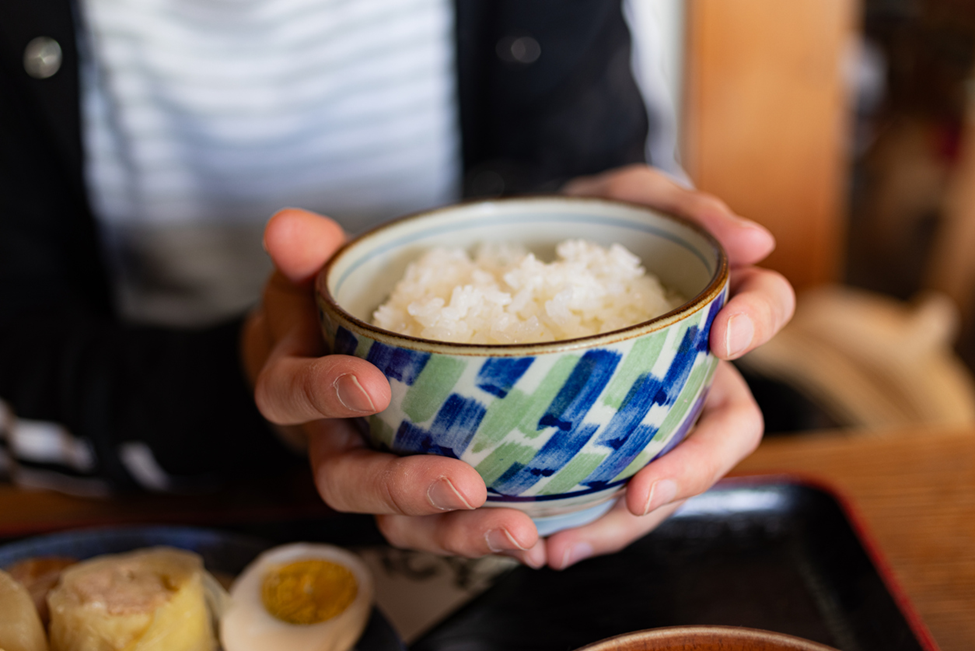
Thursday, 30/10/2025 | 08:50:03
Scientists from Texas Tech University and partners reported the successful use of gene editing to induce basmati aroma in non-scented indica rice IR-64. Their results are published in Plant Physiology Reports.
Aroma is one of the vital traits in rice and a key determinant for pricing. Studies have revealed that rice aroma is controlled by a recessive mutation in the betaine aldehyde dehydrogenase 2 (OsBADH2) gene that results in the synthesis of 2-acetyl-1-pyrroline (2AP). However, the non-scented rice IR-64 carries a functional OsBADH2 gene, and knocking it out could induce the aroma.
Bridging Science and Storytelling: How CGIAR’s Climate Security Research Is Reaching Wider Audiences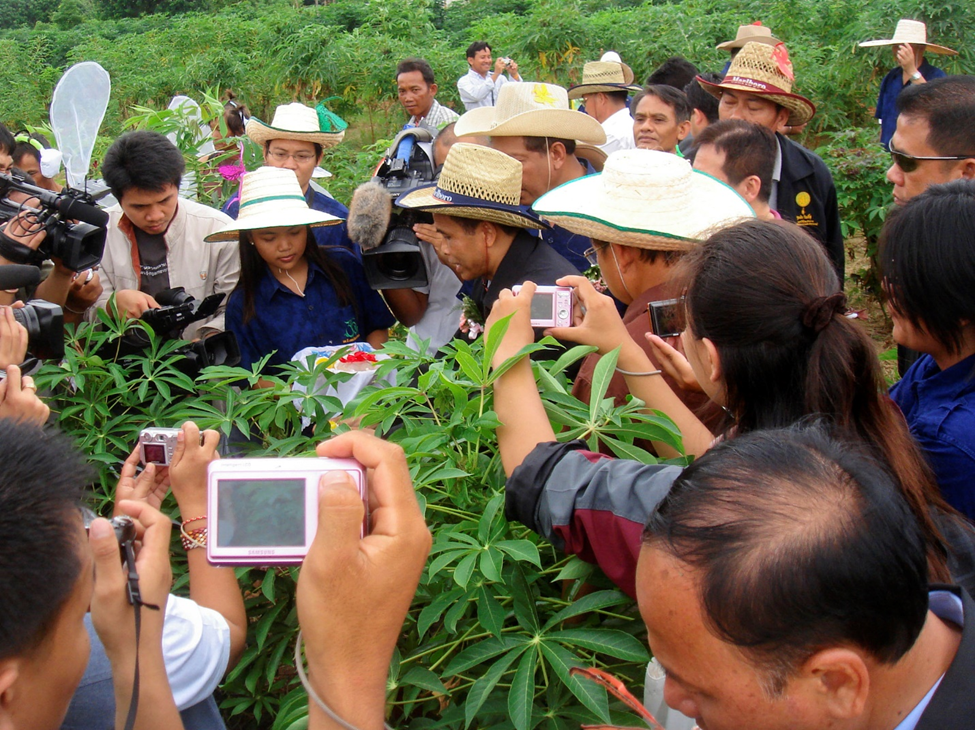
Thursday, 30/10/2025 | 08:49:11
This year, the United Nations revealed a sobering fact: fewer than 5 percent of its reports are downloaded more than 5,500 times. One in five never break 1,000. Evidence, it turns out, too often lives and dies in PDFs, admired by experts, unseen by those whose lives it aims to improve.
The CGIAR Climate Security team took that as a challenge. In 2025, our researchers made a deliberate shift from publishing findings about people to communicating with them. Through partnerships with journalists, filmmakers, and broadcasters, we worked to bring scientific data into public dialogue, bridging the gap between climate models and lived experience.
DArTseq-based silicoDArT and SNP markers reveal the genetic diversity and population structure of Kenyan cashew (Anacardium occidentale L.) landraces
Wednesday, 29/10/2025 | 07:44:38
Cashew (Anacardium occidentale L.) is an important tree grown worldwide for its edible fruits, nuts and other products of industrial applications. The ecologically sensitive cashew-growing region in coastal Kenya is significantly affected by rising temperatures, droughts, floods, and shifting rainfall patterns. These changes adversely impact cashew growth by altering flowering patterns, increasing pests and diseases, and causing postharvest losses, which ultimately result in reduced yields and tree mortality. This is exacerbated by the long juvenile phase, high heterozygosity, lack of trait correlations, large mature plant size, and inadequate genomic resources
Scientists Discover a Gene that Could Triple Wheat Production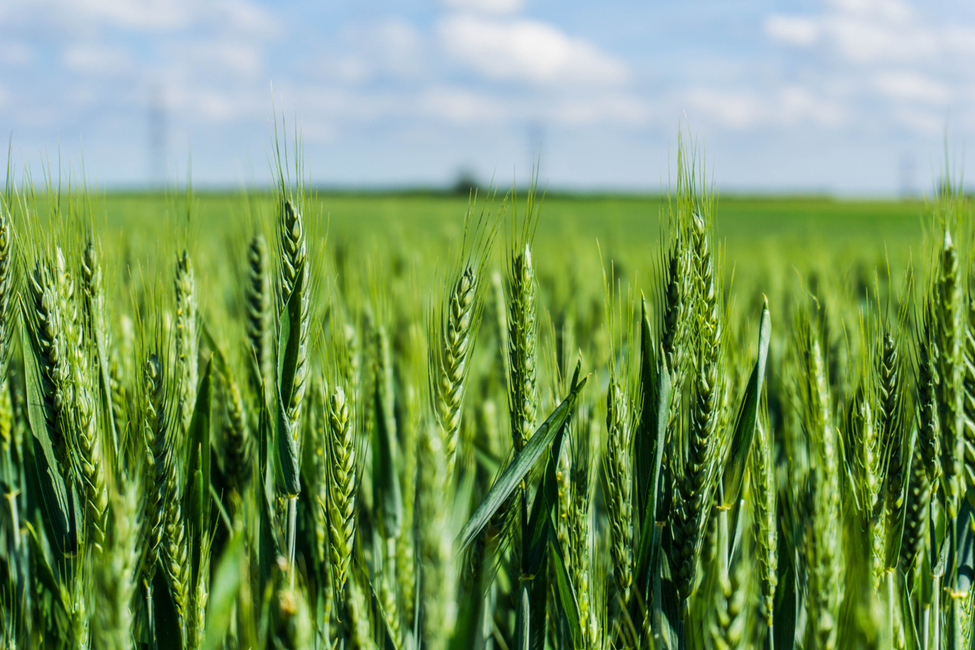
Wednesday, 29/10/2025 | 07:44:35
University of Maryland researchers have identified a gene in wheat that could significantly enhance the global food supply. The scientists identified the WUSCHEL-D1 (WUS-D1) gene as the key factor responsible for a rare variety of wheat that develops three ovaries per flower, instead of the standard single ovary. Since each ovary can mature into a grain of wheat, activating this gene offers a path to producing significantly more wheat kernels per plant and potentially tripling the overall yield.