


News & Events
News & Events
SOILutions for Security: CGIAR at the 2025 Borlaug Dialogue
Friday, 24/10/2025 | 11:37:41
From October 21–23, CGIAR will join global partners in Des Moines, Iowa for the 2025 Borlaug Dialogue, hosted by the World Food Prize Foundation. This year’s theme, “SOILutions for Security,” highlights soil as a living system that underpins food and nutrition security. It underscores the foundational role that healthy soil and agriculture play in sustaining global stability. The focus on soil is timely: more than 40% of the world’s cultivated land is degraded, affecting over 3 billion people, and 95% of our food depends directly on soils. Treating soil merely as dirt overlooks its rich biodiversity and pivotal importance.
ProPE expands the prime editing window and enhances gene editing efficiency where prime editing is inefficient
Friday, 24/10/2025 | 07:38:49
Prime editing (PE) is a promising gene editing method that exploits a reverse transcriptase fused to a Cas9, whose single guide RNA (sgRNA) is extended with a reverse transcriptase template containing the desired DNA modifications. Its efficiency and specificity are inconsistent, requiring extensive optimization. To address this, we propose prime editing with prolonged editing window (proPE), which uses a second non-cleaving sgRNA to target the reverse transcriptase template near the edit site
Heidelberg University Researchers Discover Plant's Drought-Survival Mechanism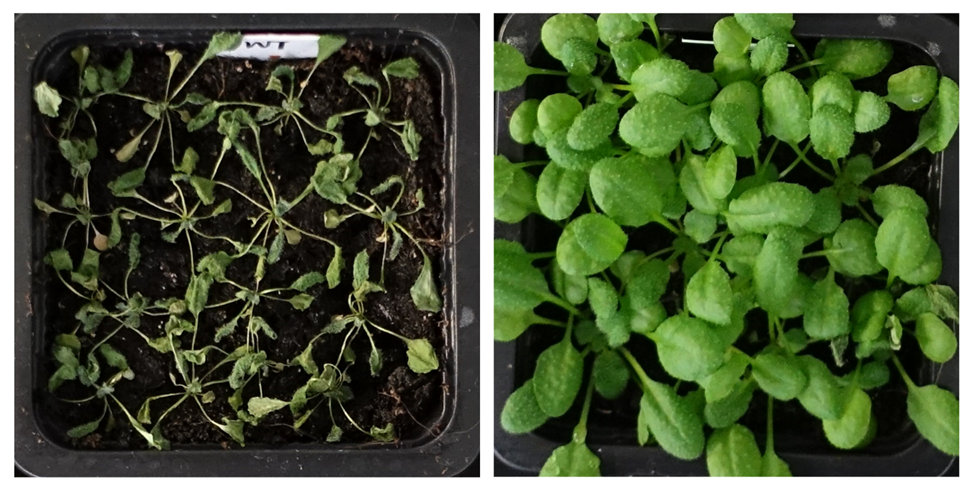
Friday, 24/10/2025 | 07:38:46
Researchers at Heidelberg University's Centre for Organismal Studies (COS) have discovered a molecular mechanism that plants use to reduce water loss during extreme drought and intense sunlight significantly. The discovery centers on the cysteine synthase complex, a protein complex located in the plant's chloroplasts. This complex acts as a sophisticated internal sensor, receiving and forwarding stress signals that are critical for initiating the plant's defense response to dry conditions. This mechanism is crucial for sustaining the plant's life during periods of water scarcity.
Groundnut Breeding at ICRISAT Delivers Strong Yield Gains: Genetic Gain Assessment Reveals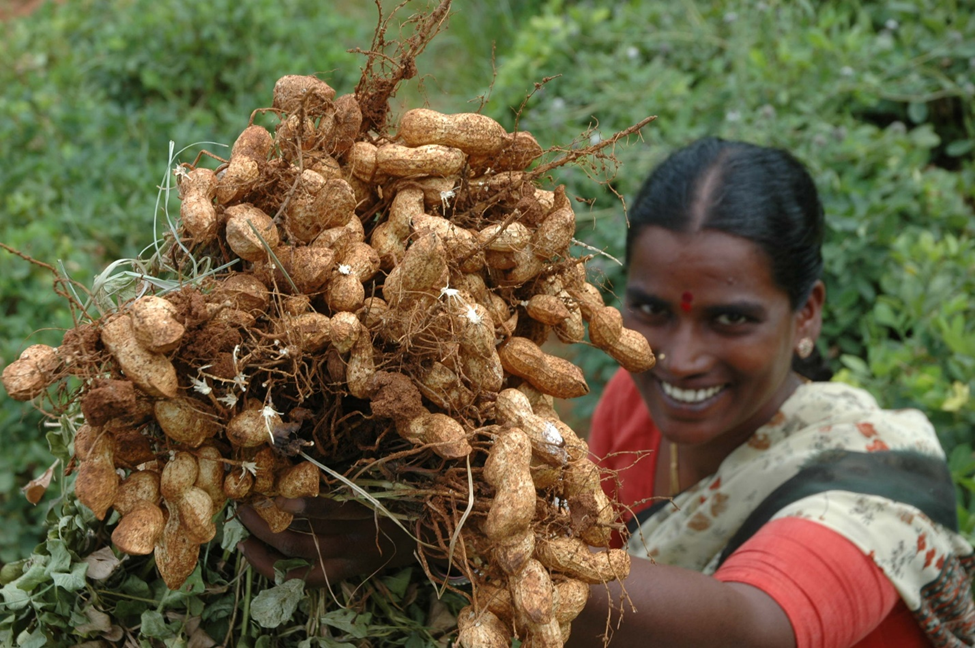
Friday, 24/10/2025 | 07:38:43
With groundnut being central to food, nutrition and edible oil security, the International Crops Research Institute for the Semi-Arid Tropics (ICRISAT) has set a new benchmark in crop improvement by measuring Realized Genetic Gain (RGG) in its groundnut breeding program.
A recently published ICRISAT study confirms steady yield improvements in groundnut breeding over time, while also identifying opportunities to refine breeding strategies for faster progress.
Identification of candidate genes associated with resistance to Heterodera sojae in soybean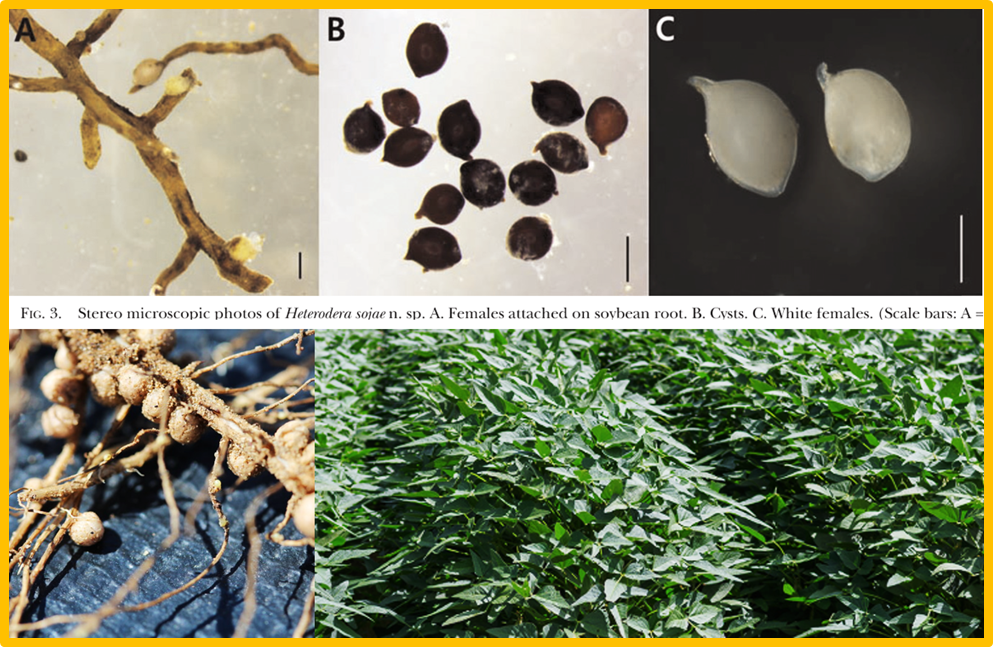
Thursday, 23/10/2025 | 08:09:49
However, genes associated with resistance to H. sojae in soybean remain unknown. A genome-wide association study of genes related to resistance to H. sojae was performed with a panel of 385 soybean accessions using an Axiom 180 K SoyaSNP array and whole-genome sequencing data. Thirteen significant single-nucleotide polymorphisms (SNPs) were identified; among them, four SNPs located on chromosomes 1 and 18 were selected to identify candidate resistance genes and develop kompetitive allele-specific PCR (KASP) markers for efficient genotyping.
New Gene Editing Technique Boosts Precision and Efficiency
Thursday, 23/10/2025 | 08:08:39
A research team has developed a new gene editing approach, called prime editing with prolonged editing window (proPE), designed to enhance the accuracy and efficiency of current prime editing (PE) methods. The technique addresses the inconsistencies in PE's efficiency and specificity for more reliable genetic modifications and potential therapeutic applications.
ProPE introduces a second non-cleaving guide RNA to improve the reach of DNA modification. This modification allows scientists to overcome several technical barriers that limit traditional PE systems.
World Food Day 16 October: A Hungry World Knows No Borders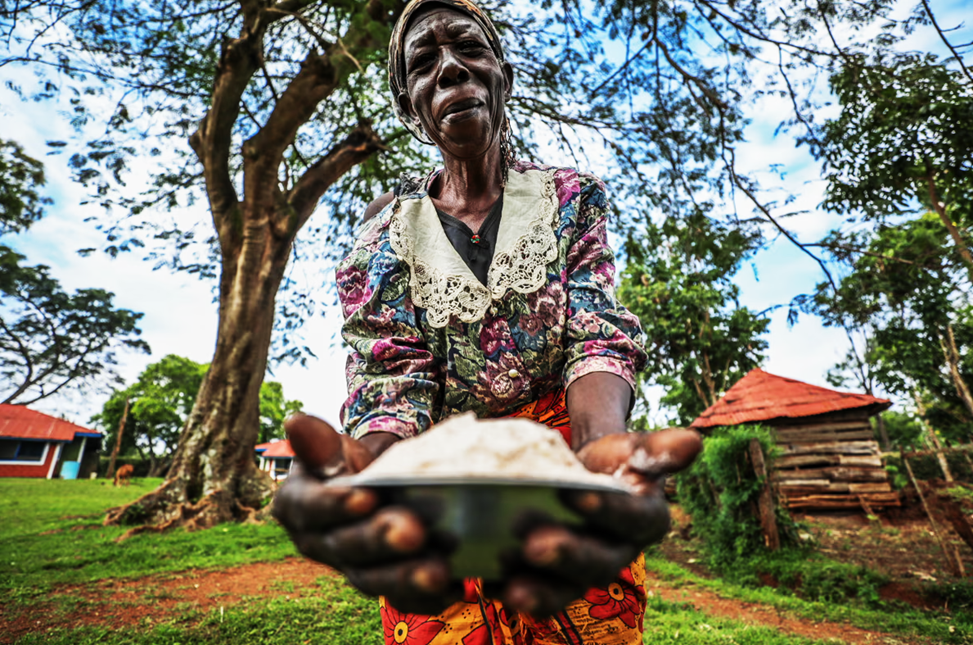
Thursday, 23/10/2025 | 08:07:46
From the Sahel, the vast semi-arid belt stretching across Africa from Senegal to Sudan and the Horn of Africa to South Asia’s dry zones and Southeast Asia’s coastal farmlands, climate shocks are undermining food production and disrupting communities across the Global South.
In the Sahel, prolonged drought and poor harvests, among other factors, are driving migration north through Niger and Mali toward North Africa and, for some, across the Mediterranean.
Comparative analysis of pattern-triggered and effector-triggered immunity gene expression in susceptible and tolerant cassava genotypes following begomovirus infection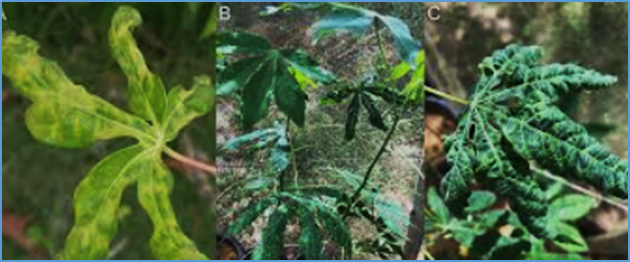
Wednesday, 22/10/2025 | 08:14:32
South African cassava mosaic virus (SACMV) is one of several bipartite begomoviruses that cause cassava mosaic disease (CMD) which reduces the production yield of the cassava (Manihot esculenta Crantz) crop in many tropical and subtropical regions. SACMV DNA-A and DNA-B encoded-proteins act as virulence factors that aid in inducing different disease severity depending on the host response. Recent evidence suggests a mutual potentiation of cell membrane receptor-associated pattern-triggered immunity (PTI) and nucleotide leucine-rich repeat (NLR) effector-associated immunity (ETI) in plant immune responses.
Media Practitioners and Biotech Experts Discuss Biotech Updates in the Philippines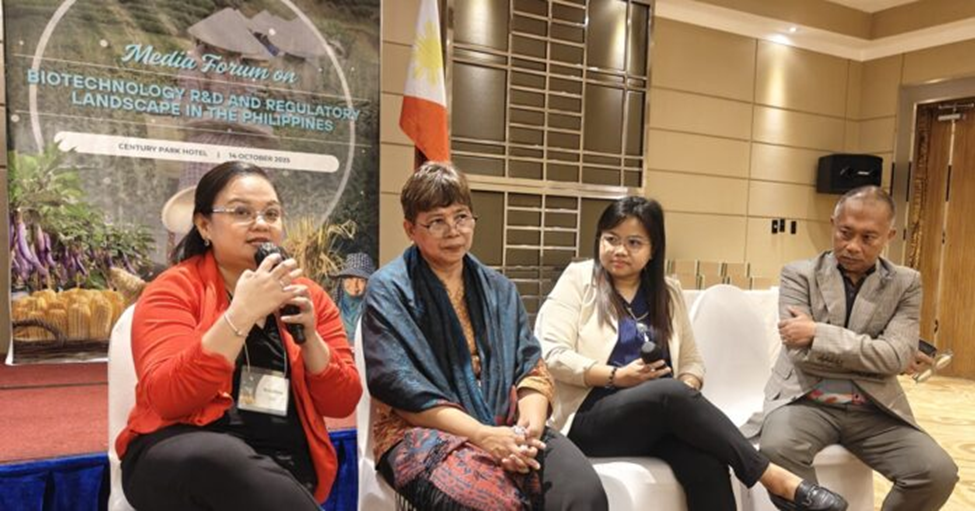
Wednesday, 22/10/2025 | 08:13:05
Over 40 media practitioners and key stakeholders participated in the Media Forum on Biotechnology R&D and Regulatory Landscape in the Philippines, organized by Science Communicators Philippines (SciCommPH), CropLife Philippines, and the Southeast Asian Regional Center for Graduate Study and Research in Agriculture (SEARCA). Held on October 14, 2025, at the Century Park Hotel, Manila, the forum aimed to provide journalists with science-based updates, direct access to experts, and a platform for dialogue to strengthen media reporting on agri-biotech.
How rice + seaweed can transform food and sustainability efforts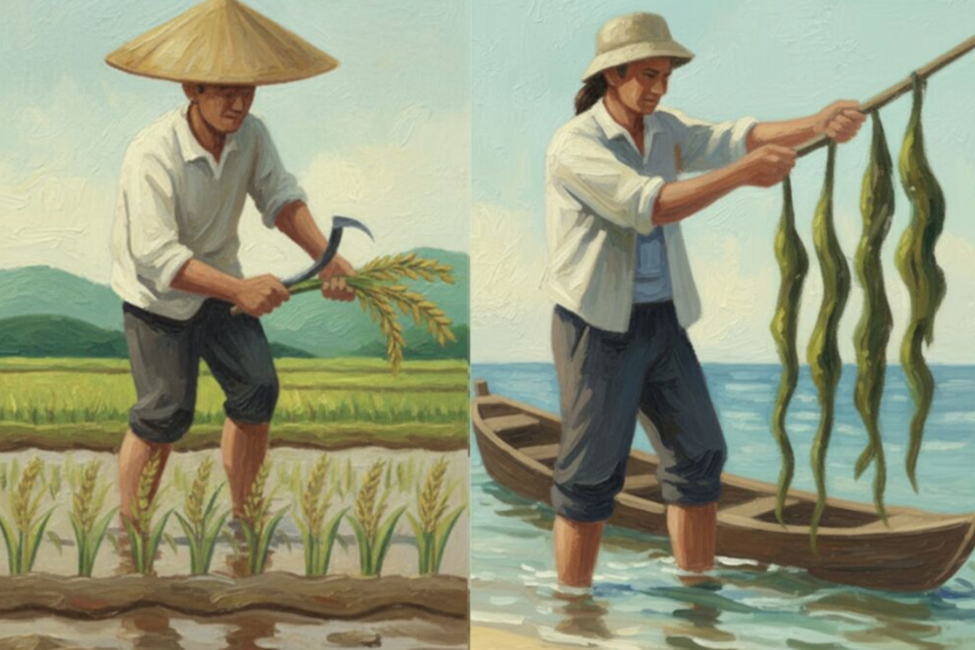
Wednesday, 22/10/2025 | 08:12:03
In a world grappling with a rising population, climate change, and a growing need for healthier food options, scientists are turning to an unlikely pairing: rice and seaweed.
A scientific review published in Critical Reviews in Food Science and Nutrition explores the vast, untapped potential of combining rice starch with biopolymers from seaweed to create transformative products that benefit both human and planetary health.
Augmenting rice ANNEXIN expression to counter planthopper NlAnnexin-like5 as an antivirulence strategy against a major crop pest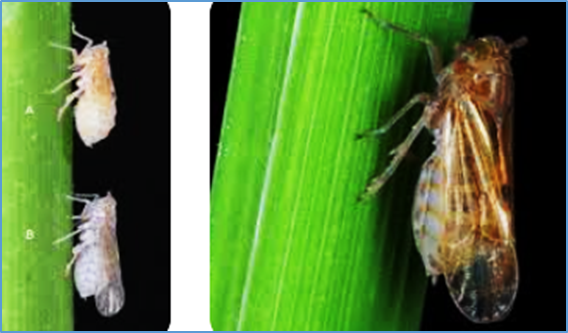
Tuesday, 21/10/2025 | 08:15:41
The brown planthopper (BPH) is the most devastating insect pest in rice, posing a serious threat to global rice production. One attractive control strategy would be based on the understanding of the virulence mechanisms of BPH at the molecular level and then designing targeted methods to neutralize such mechanisms. Salivary proteins of BPH are important players in mediating rice–BPH interactions. Here, we describe a pivotal role of a watery saliva protein, Nilaparvata lugens Annexin-like5 (NlANX5), in the rice–BPH interaction. RNA interference (RNAi) of NlANX5 greatly compromised BPH feeding performance and survival rate on rice plants. NlANX5-RNAi BPH triggered a rapid calcium ion influx in rice cells.
Study Examines Impact of U.S. GM Crop Imports on Indonesia’s Food Self-Sufficiency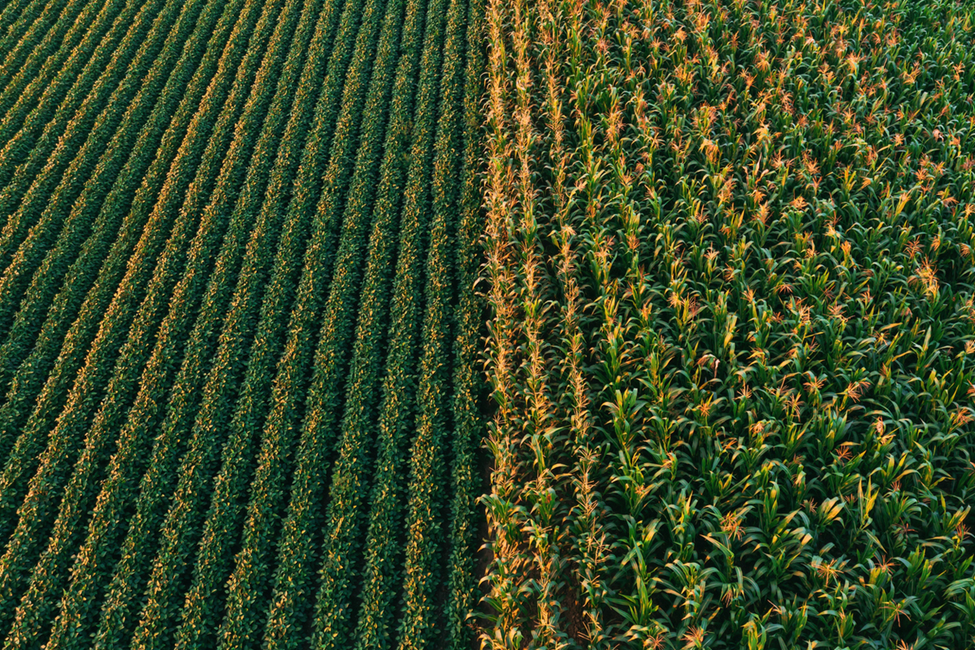
Tuesday, 21/10/2025 | 08:13:58
Indonesia’s growing reliance on genetically modified (GM) crop imports from the United States is sparking debate over its long-term impact on national food sovereignty. A recent study examined the policy and legal implications of soybean and corn imports within Indonesia's efforts to develop its own biotechnology sector and ensure long-term food security.