


News & Events
News & Events
Digital Innovations Take Center Stage in the Global Fight Against Red Palm Weevil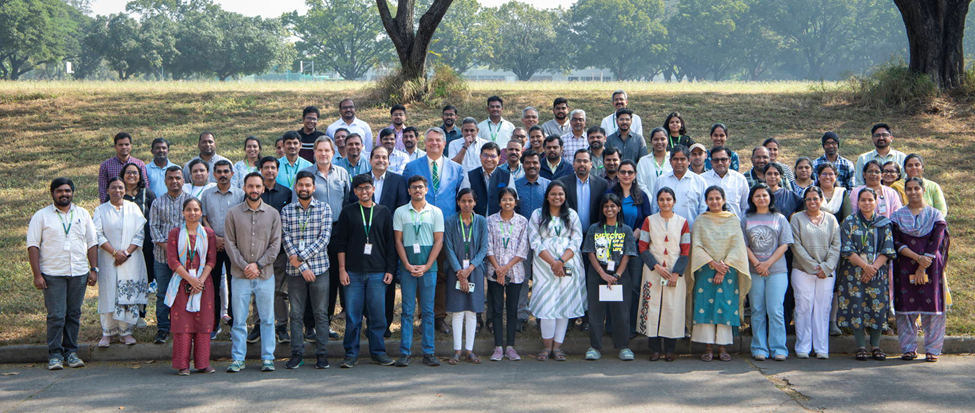
Monday, 29/12/2025 | 08:05:46
ICRISAT hosted the launch of Workstream 3 – Digital Innovations under the Consortium for Red Palm Weevil Control (C4RPWC) at its headquarters in Hyderabad, marking a major push toward predictive, digital-first prevention of one of the destructive date palm pests, red palm weevil. Supported by The Presidential Court of the UAE and The Gates Foundation, the three-year global program brings together leading institutions to strengthen early detection and early warning systems and addressing critical gaps in Red Palm Weevil (RPW) management.
Balancing act: progress and prospects in breeding soybean varieties with high oil and seed protein content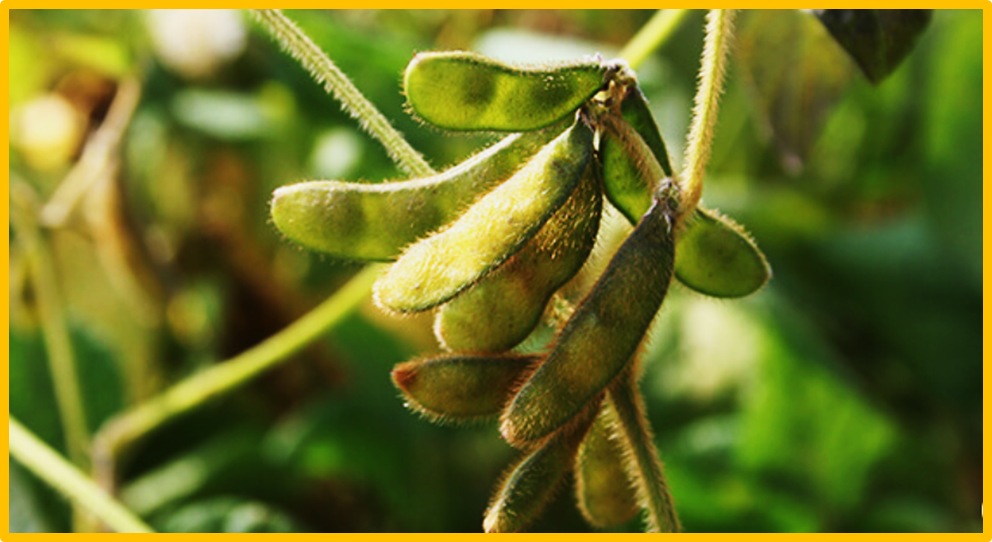
Friday, 26/12/2025 | 08:33:56
Soybean (Glycine max [L.] Merr.) serves as a critical global source of plant-based protein and oil, yet the inverse relationship between seed protein content (PC) and oil content (OC) remains a major barrier to simultaneous improvement. Recent advances in genomics, transcriptomics, and proteomics have elucidated key regulatory genes and networks underlying these traits, including GmWRI1a, LEC2, Glyma.20G085100, and the LAFL transcriptional module.
Floral Dip-Based Gene Editing Boosts Indica Rice Resistance to Tungro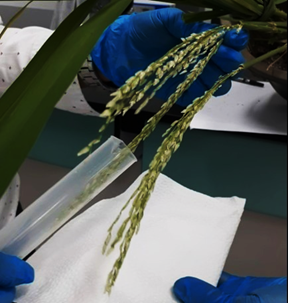
Friday, 26/12/2025 | 08:32:42
In a significant breakthrough for rice farmers, researchers from the Department of Agriculture–Crop Biotechnology Center (DA-CBC) have successfully used a novel floral dip-based gene editing technique to boost resistance to the devastating tungro virus in NSIC Rc 402, a widely grown Indica rice variety. Tungro, a viral disease transmitted by leafhoppers, poses a persistent threat to food security, resulting in annual crop losses that can reach up to 30%—equivalent to approximately 456,000 tons of rough rice
ICRISAT and CGIAR Champion Multifunctional Landscapes Approach at AERA Annual Conference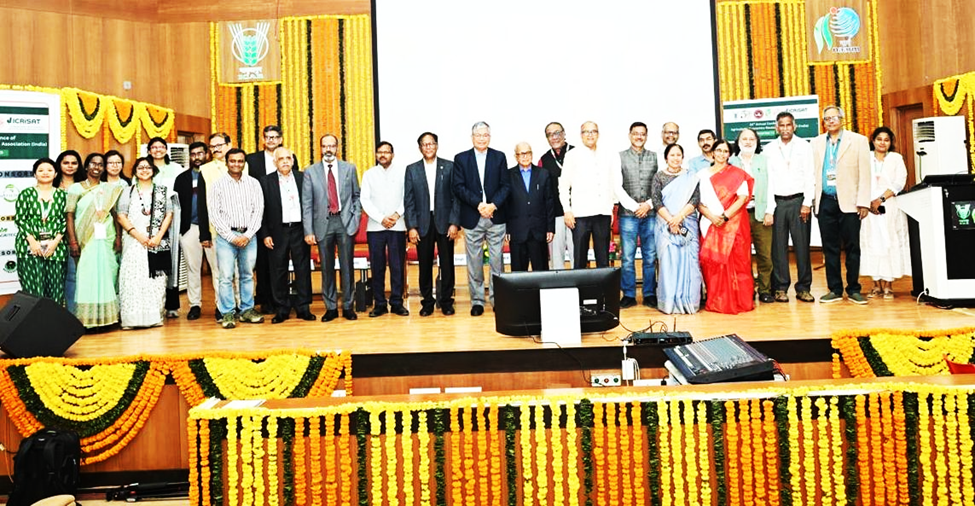
Friday, 26/12/2025 | 08:31:22
At the 33rd Annual Conference of the Agricultural Economics Research Association (AERA), held at ICAR–National Academy of Agricultural Research Management (ICAR-NAARM), Hyderabad, ICRISAT and CGIAR’s Multifunctional Landscapes (MFL) Science Program convened a high-level session on “Scaling Pathway for Multifunctional Landscapes Approach for Transforming Agri-Food Systems.”
CRISPR-Cas9-mediated editing of ZmPL1 gene improves tolerance to drought stress in maize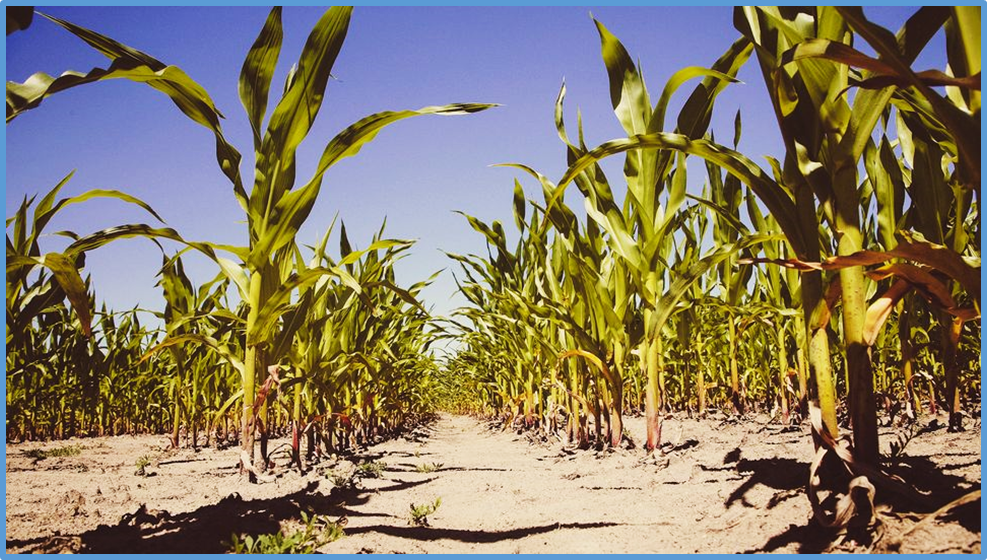
Saturday, 27/12/2025 | 13:52:21
Maize (Zea mays L.) is a widely grown food crop around the world. Drought stress seriously affects the growth and development process of plants and causes serious damage to maize yield. In the early stage, our research group conducted transcriptome sequencing analysis on the drought-resistant maize inbred line H8186 and screened out a gene with significantly down-regulated expression, Phylloplanin-like (ZmPL1). The ZmPL1 gee expression pattern was analyzed under various abiotic stresses
Experts Use CRISPR-Cas12i3 to Improve Elite Corn Line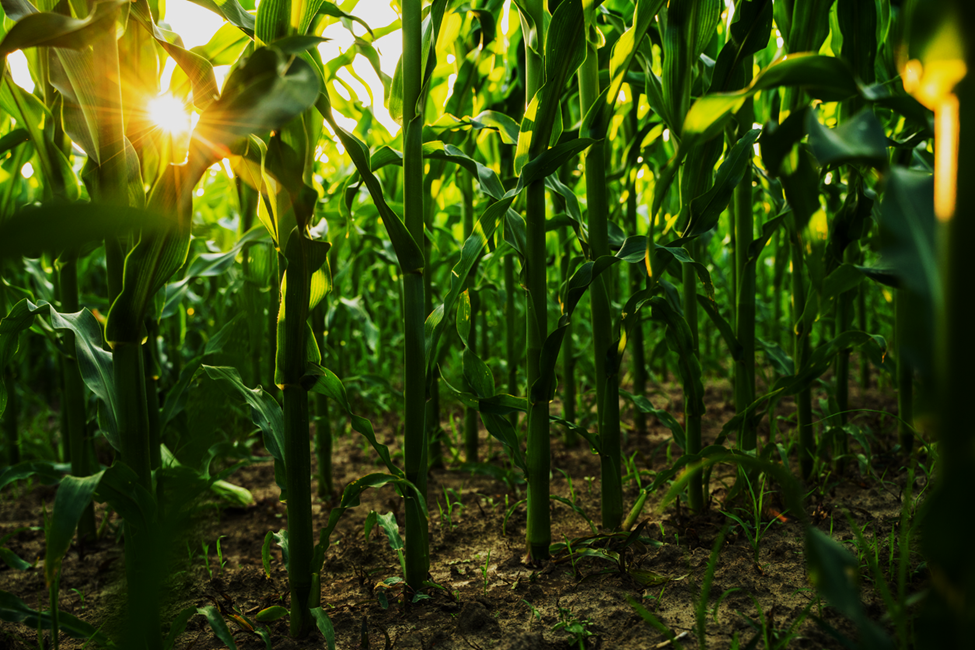
Saturday, 27/12/2025 | 13:52:30
Researchers from the Beijing Academy of Agriculture and Forestry Sciences reported the use of CRISPR-Cas12i3 to speed up the improvement of Jing 724, a foundational maize variety previously known for being hard to modify due to some genetic restrictions. Their findings are published as a pre-proof in aBiotech.
Chromosomal variations and evolution in Arachis species revealed by single-copy FISH karyotyping
Saturday, 27/12/2025 | 13:52:41
Cultivated peanut (Arachis hypogaea, AABB genome) is an allotetraploid species that likely originated from hybridization between the two wild diploid species A. duranensis (AA) and A. ipaensis (BB). Chromosome identification and genomic evolution studies in Arachis species have encountered significant challenges due to the absence of consensus karyotypes. In this study, we developed the first “barcode” consensus karyotype for peanut using single-copy oligonucleotide probe libraries.
CIMMYT Reports High-Efficiency Genome Editing in Pearl Millet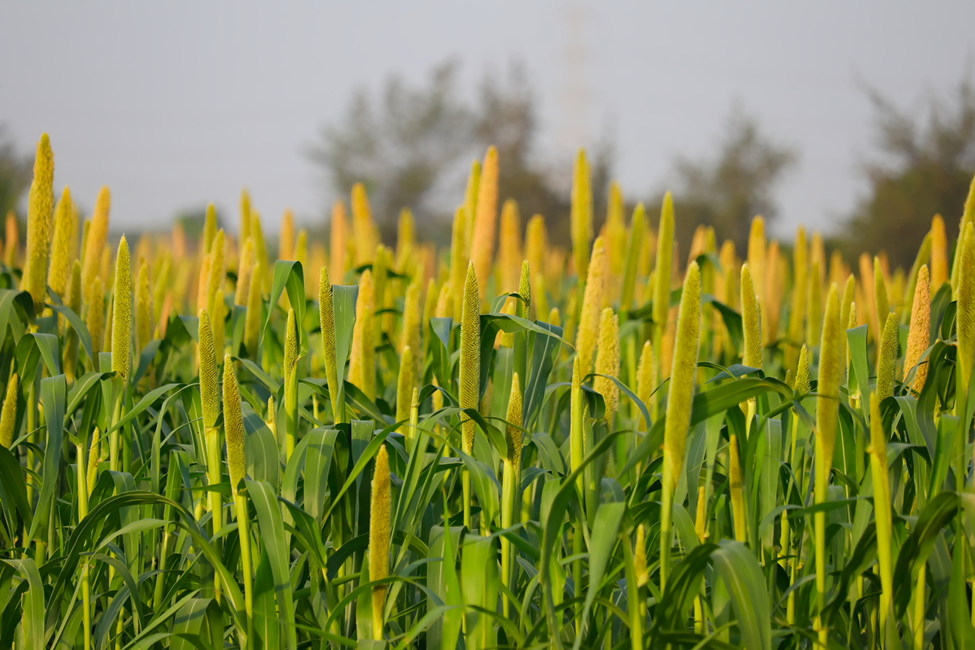
Friday, 26/12/2025 | 08:24:58
Scientists from CIMMYT and Corteva Agriscience successfully devised an effective method to improve pearl millet using genetic transformation and CRISPR-based editing. This breakthrough is expected to help improve traits vital for food security, nutrition, and climate resilience.
FAO in review: At 80, FAO unveils greener, upgraded facilities and friendly environment
Friday, 26/12/2025 | 08:24:08
In its 80th year, the Food and Agriculture Organization of the United Nations (FAO) has unveiled a transformed headquarters in Rome, featuring expanded green spaces, an inspiring new museum, as well as upgraded facilities across its global network.As FAO enters its ninth decade, these changes symbolize a commitment to trust, innovation, and a future where no one is left behind. From green roofs and solar-powered offices to immersive cultural spaces, FAO is opening its doors to Rome and to the world.
High-throughput genetic transformation and genome editing in pearl millet (Pennisetum glaucum L.)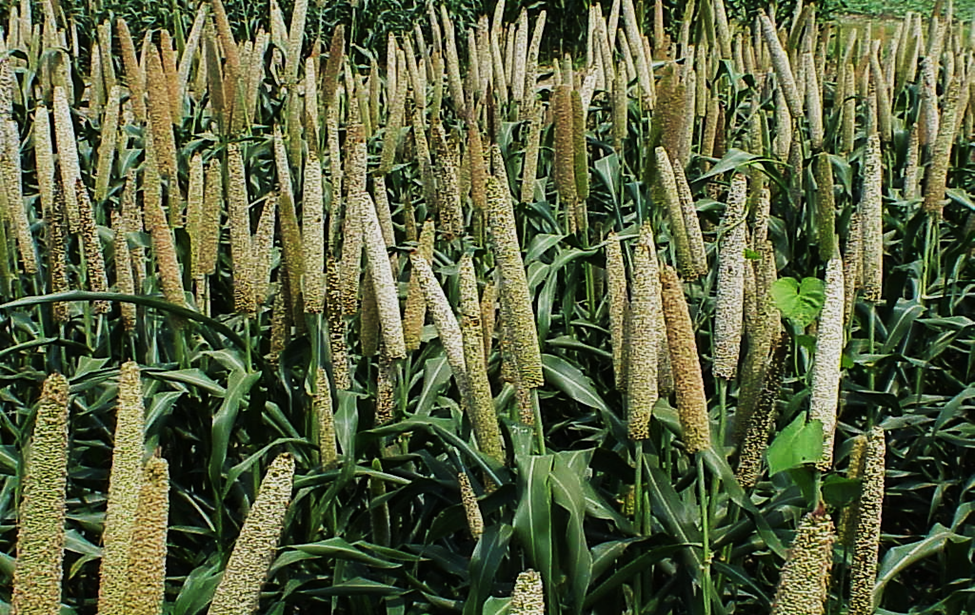
Thursday, 25/12/2025 | 07:43:05
Pearl millet (Pennisetum glaucum L.), a C4 grass, accounts for 50% of total millet area in terms of global production (Ramu et al. 2023). It plays an important role in food and nutritional security for more than 90 million people in arid regions of Sub-Saharan Africa and Asia (Yadav et al. 2021). This crop exhibits an inherent capacity to adapt to drought and elevated temperatures, displaying resilience against saline and acidic soil conditions, rendering it particularly well-suited for utilization in marginal lands with low fertility.
Rice Enzyme Helps Break Down Harmful Herbicide Residues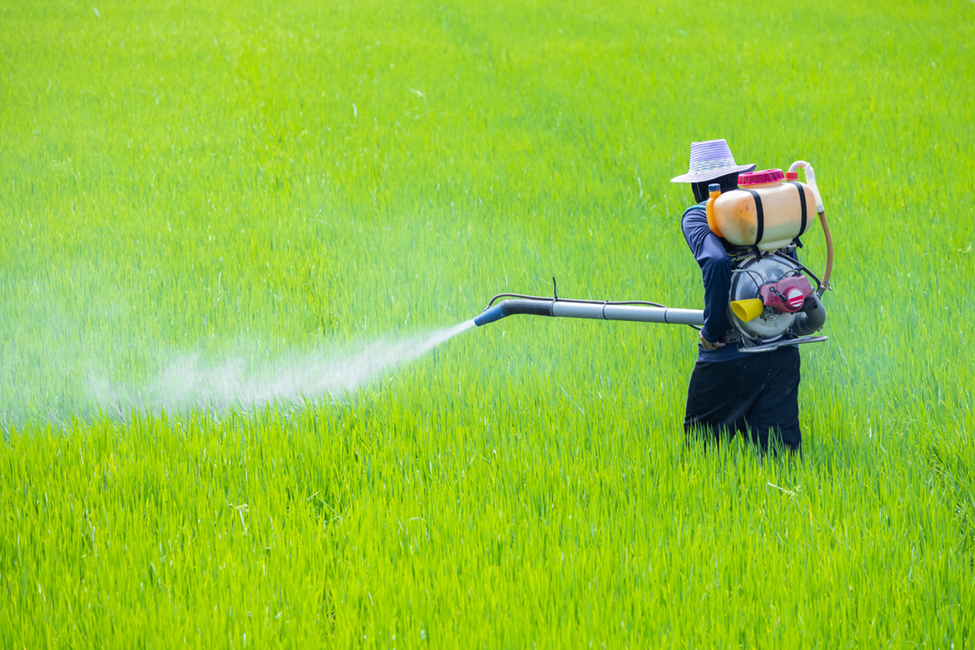
Thursday, 25/12/2025 | 07:43:08
Experts from Guangdong Academy of Agricultural Sciences and Jiangsu Academy of Agricultural Sciences in China have identified a rice enzyme that helps plants break down two widely used herbicides. The study focuses on CYP709B2, a cytochrome P450 enzyme that plays a central role in the detoxification and catabolism of herbicides isoproturon and atrazine.
The researchers found that CYP709B2 becomes active when rice plants are exposed to these herbicides. In this study, the rice plants that were modified to overexpress the enzyme showed significant resistance to both herbicides,
FAO in review: A year of resilience in resource mobilization
Thursday, 25/12/2025 | 07:43:11
External fiscal pressures and shifting global priorities have significantly impacted the availability of global resources for public investment. However, amidst these challenging circumstances, FAO has demonstrated remarkable resilience and effectiveness, successfully mobilizing approximately $1.624 billion in voluntary contributions in 2025. While this figure reflects an eight percent decline from 2024, it still ranks among the strongest results in FAO’s history.