


News & Events
News & Events
Babaco Mosaic Virus (BabMV) Induces Genome-Wide Transcriptomic Reprogramming in Carica papaya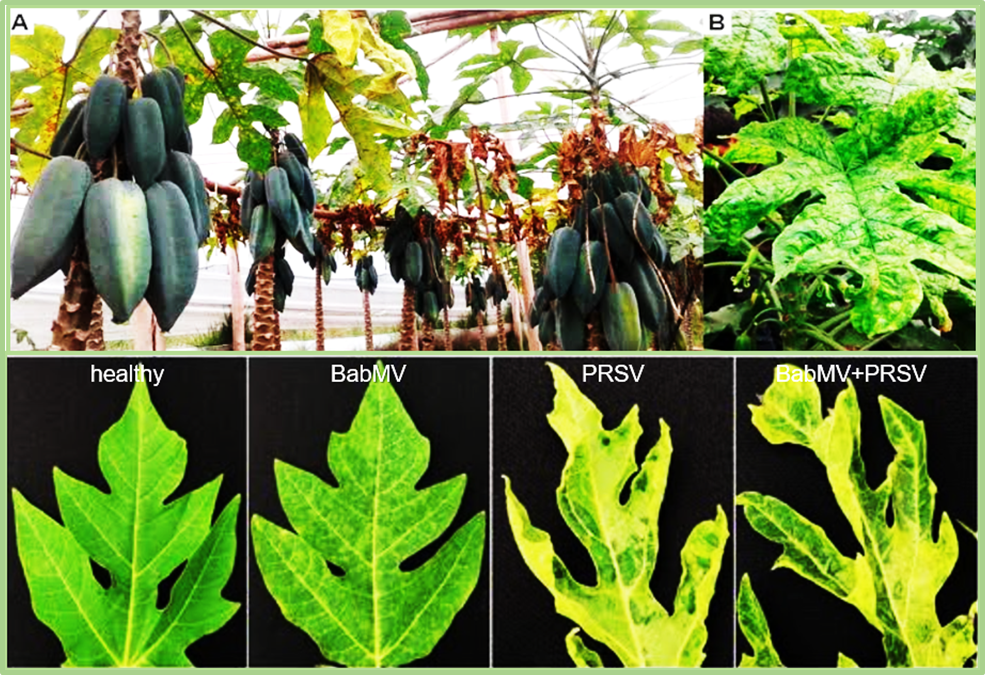
Wednesday, 24/12/2025 | 08:11:07
The recent emergence of Babacco Mosaic Virus (BabMV), a potexvirus known to infect Vasconcellea heilbornii (babaco), has raised concerns about its potential to infect papaya cultivars. To assess the impact of BabMV on papaya plants, we conducted a comprehensive genome-wide transcriptome analysis to evaluate the effect of the virus on gene expression and defense responses in Papaya (Carica papaya). Leaves from papaya plants of 3-4-month-old plants were examined at 2, 10, 15, and 30 days post-infection (dpi) with BabMV and compared to uninfected controls.
New Technique Allows Fine-tuning Proteins in Animal Tissues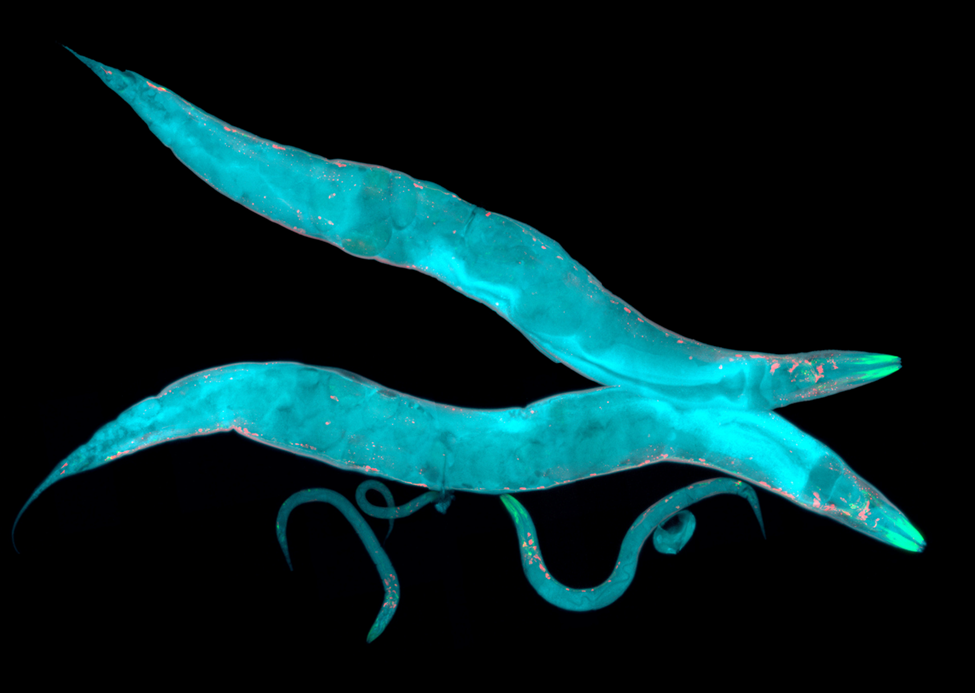
Wednesday, 24/12/2025 | 08:09:49
Scientists at the Centre for Genomic Regulation in Barcelona and the University of Cambridge developed a method that allows precise, lifelong control of protein levels inside different tissues of a living animal. The new technique, demonstrated successfully in nematode worm Caenorhabditis elegans, opens up more ways to study ageing, disease, and whole-body biological coordination.
UN agencies welcome news that famine has been pushed back in the Gaza Strip, but warn fragile gains could be reversed without increased and sustained support
Wednesday, 24/12/2025 | 08:09:02
The latest Integrated Food Security Phase Classification (IPC) analysis for Gaza confirms that no areas of the Strip are currently classified in famine following the October ceasefire and improved humanitarian and commercial access. This welcome progress remains extremely fragile as the population continues to struggle with massive infrastructure destruction and collapsed livelihoods and local food production, given restrictions on humanitarian operations.
A balance between glycitein and glyceollins governed by isoflavone 6-hydroxylase confers soybean resistance to Phytophthora sojae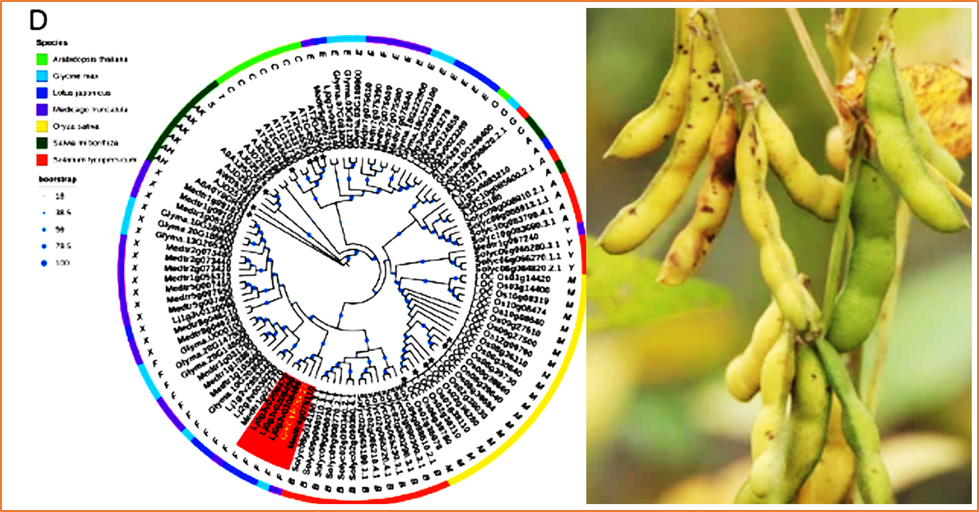
Tuesday, 23/12/2025 | 08:34:56
Isoflavonoids, predominantly found in legumes, are specialized metabolites with antioxidant properties that benefit both plant resilience and human health. Using metabolic genome-wide association studies (mGWAS), we identified the cytochrome P450 gene (Glyma.11g108300), GmIF6H1, as a key determinant of glycitein biosynthesis in soybean [Glycine max (L.) Merr.]. Biochemical assays together with in planta stable-isotope tracing demonstrated that GmIF6H1 catalyzes the 6-hydroxylation of daidzein,
Tufts University Engineers Bacteria to Develop Healthier Sugar Substitute
Tuesday, 23/12/2025 | 08:35:14
Experts at Tufts University have developed a new way to biosynthetically produce tagatose, a low-calorie sugar that tastes almost like regular table sugar without its potential harms to human health. The findings of the study, published in Cell Reports Physical Science, show a promising method to develop tagatose more efficiently and affordably for people at risk of obesity, insulin resistance, and diabetes.
FAO in Review: Delivering on the mandate through strategic transformation
Tuesday, 23/12/2025 | 08:35:24
In a rapidly changing global context – characterized by intersecting crises such as persistent hunger, malnutrition, climate disruption, conflict and economic volatility – FAO has renewed its approach to delivering on its mandate.
Anchored in the Strategic Framework 2022–2031, FAO has fortified its capacity to support Members in strengthening agrifood systems that are more efficient, more inclusive, more resilient and more sustainable. At its core are the Four Betters – better production, better nutrition, a better environment and a better life, leaving no one behind – translated into action through 20 Programme Priority Areas (PPAs) that guide FAO’s technical, normative and operational work.
An extra-large panicle gene ELP1 from wild rice Oryza officinalis increases grain number and grain yield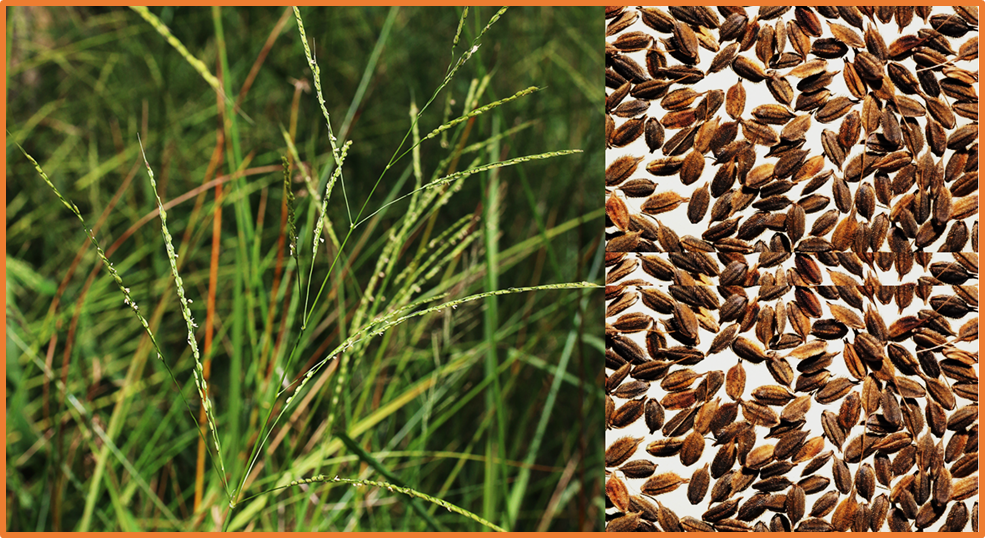
Monday, 22/12/2025 | 07:48:27
Grain number per panicle (GNP) is a crucial determinant of rice yield. The wild rice Oryza officinalis, an accession of extra-large panicle (ELP) type, produces numerous grains (700 ± 100 grains) in its main stem panicle. However, mainly due to weedy traits, incompatibility barrier and linkage drag, this desirable yield trait ELP in O. officinalis has not yet been successfully exploited. Here, interspecific distant hybridization between 93-11 and O. officinalis was performed. One plant with 700 grains in its main stem panicle was obtained from BC4F4 progeny.
Genetic Pathway Found to Boost Tomato Yield Without Affecting Quality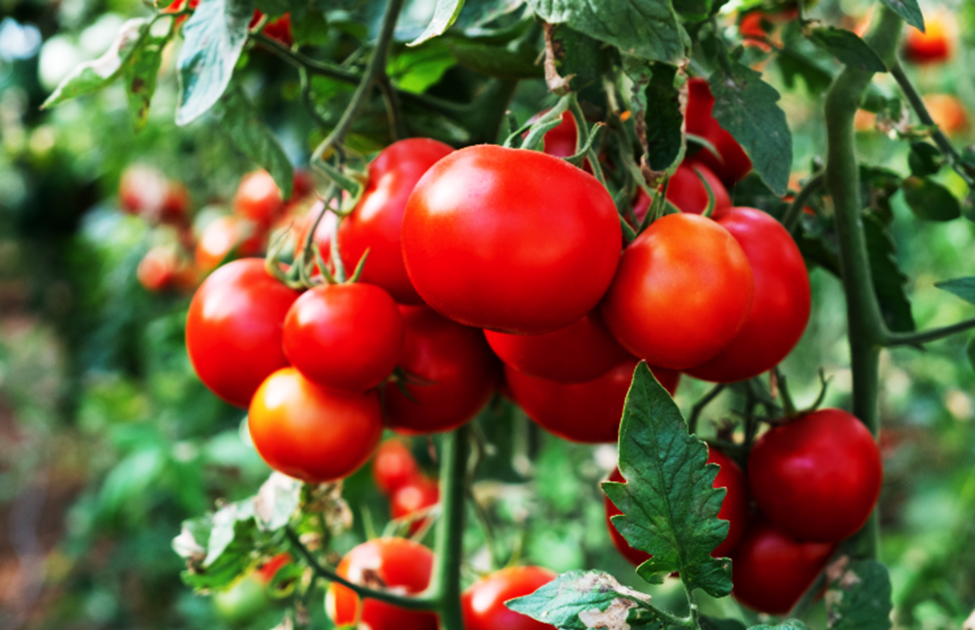
Monday, 22/12/2025 | 07:47:17
Researchers have uncovered a previously unknown genetic mechanism that controls tomato fruit size, offering a promising new path for boosting crop yield without sacrificing quality. Published in Horticulture Research, the study from China Agricultural University reveals a regulatory module operating at the translational level—a mechanism distinct from traditional hormone and gene expression controls—that fine-tunes fruit growth. This discovery moves beyond current breeding methods, which often lead to unintended effects on the plant.
CGIAR’s approach to plant health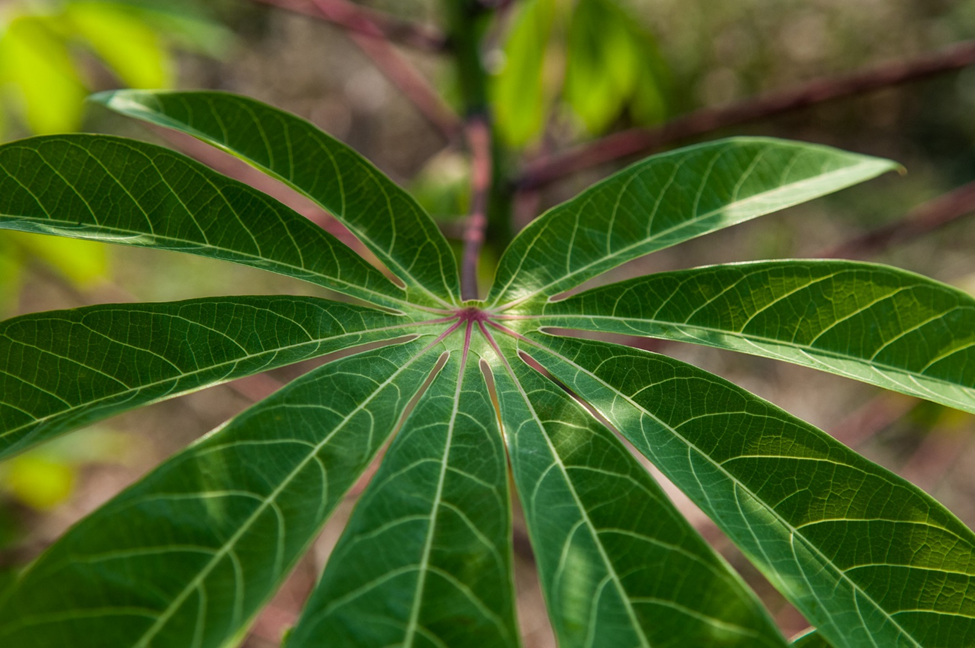
Monday, 22/12/2025 | 07:46:24
At CGIAR, protecting plant health begins with safeguarding biodiversity and ensuring equitable access to plant genetic resources. Our approach emphasizes integrated, science-based solutions—spanning from conservation to innovation—ensuring a resilient, inclusive food system.
Under CGIAR’s Sustainable Farming Program, plant health takes center stage through targeted efforts to reduce crop losses and contamination. The initiative is strengthening plant health systems by advancing diagnostics and surveillance to tackle pests, diseases, weeds, and harmful mycotoxins.
A new tandem repeat-based genotyping scheme for the global surveillance of Xanthomonas citri pv. mangiferaeindicae, an understudied bacterial pathogen of major importance to mango and cashew production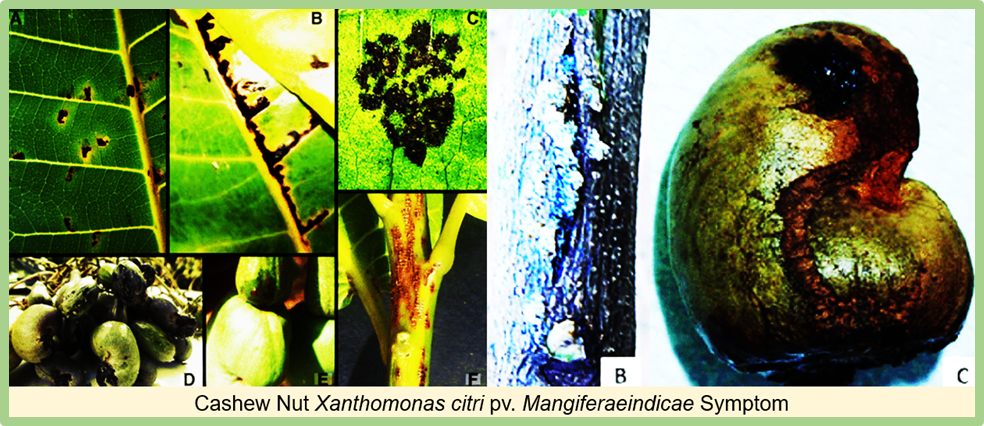
Sunday, 21/12/2025 | 13:32:07
Bacterial canker, caused by Xanthomonas citri pv. mangiferaeindicae (Xcm), is a disease that has a devastating impact on mango and cashew industries in many regions. Yet, despite its agricultural importance for these Anacardiaceae species, Xcm has been neglected. Little is known about its epidemiology, evolution and molecular interactions with host plants. The most relevant studies reporting its genetic structure were primarily based on amplified fragment length polymorphism (AFLP) data.
EFSA GMO Panel Releases Scientific Opinion on the Assessment of Three-Event Stack GM Cotton
Sunday, 21/12/2025 | 13:32:13
The Panel on Genetically Modified Organisms of the European Food Safety Authority (EFSA GMO Panel) has recently published a scientific opinion confirming the safety of a new three-event stack genetically modified (GM) cotton variety, designated as T304‐40 × GHB119 × COT102. The application, submitted by BASF Agricultural Solutions, covers the import, processing, and food and feed uses within the European Union, excluding cultivation.
Transmission Zero Develops the First GM Mosquitoes to Stop Malaria Transmission in Tanzania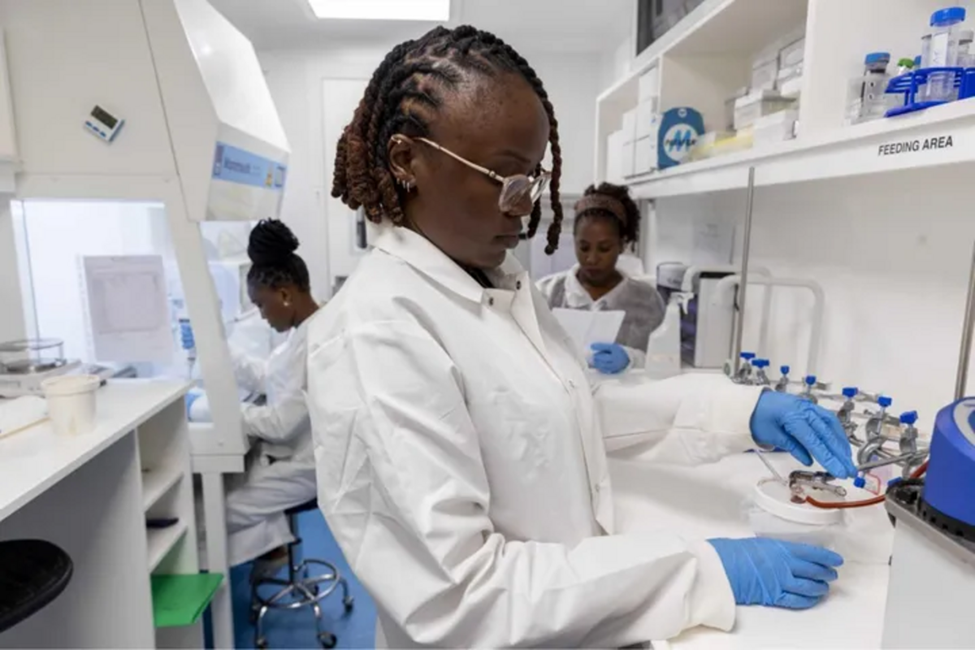
Sunday, 21/12/2025 | 13:31:50
Researchers led by Imperial College London, in partnership with the Swiss Tropical and Public Health Institute (Swiss TPH), Ifakara Health Institute (IHI), and the National Institute of Medical Research (NIMR) in Tanzania, have successfully developed the first transgenic mosquitoes to block the transmission of malaria. As part of the Transmission Zero project, this milestone marks the first time a genetically modified (GM), gene drive-compatible mosquito strain has been developed in Africa.