


News & Events
News & Events
A spotlight on technical solutions to local and global problems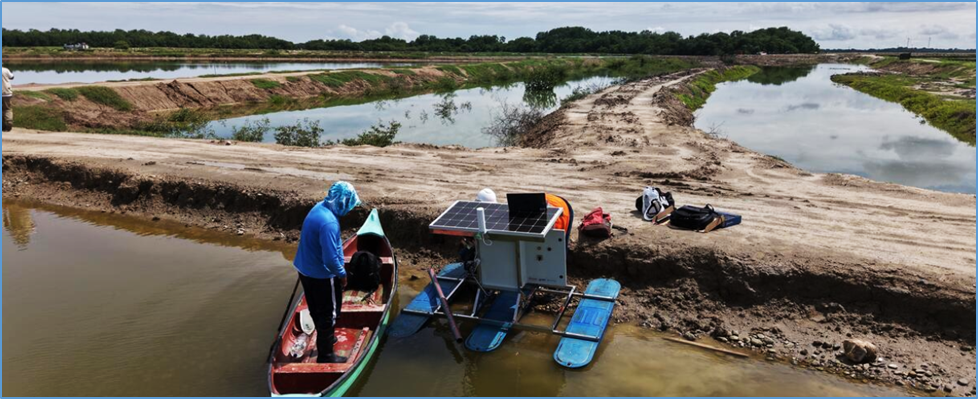
Friday, 02/01/2026 | 08:02:16
Partnerships are increasingly the foundation of successful development initiatives and are essential to addressing the global challenges facing the transformation of global agrifood systems to be more efficient, more inclusive, more resilient and more sustainable, and for ensuring the Four Betters: better production, better nutrition, a better environment and a better life, leaving no one behind.
Potential yield and food provisioning gains from rebuilding the world’s coral reef fish stocks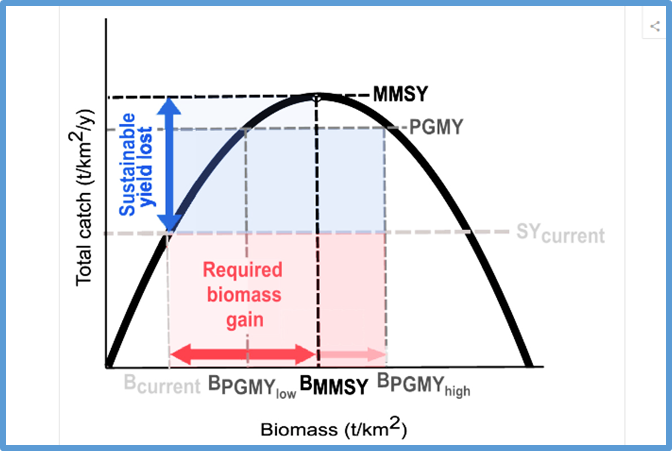
Thursday, 01/01/2026 | 07:38:06
Many coral reefs have fish stocks that are depleted below the level at which sustainable production is maximized. Lower production means that millions of people are losing out on potential food, income, and livelihoods. Rebuilding these stocks to maximize sustainable production can contribute toward ending hunger and malnutrition but requires active and effective fisheries management. Yet, for fish stock recovery plans to be implemented, recovery benefits, targets, and timeframes need to be quantified.
Reviving Vavilov’s vision: The tragedy of biodiversity governance and principles for reform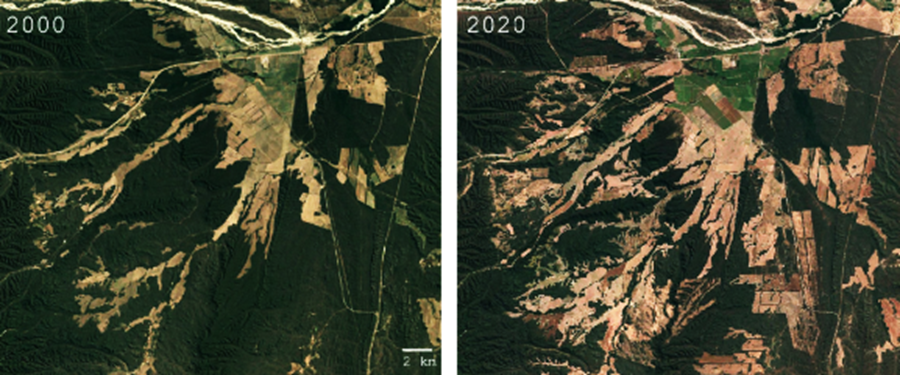
Thursday, 01/01/2026 | 07:38:28
This perspective addresses two of humanity’s greatest challenges: feeding a growing population and conserving biodiversity. We begin by examining the legacy of Nikolai Vavilov, who pioneered the improvement of crops such as wheat and beans by hybridizing them with their wild relatives. This strategy used wild species biodiversity to introduce new genetic variation into crops, making them more resilient and productive.
FAO in review: Digital transformation and new technologies at FAO
Thursday, 01/01/2026 | 07:38:20
FAO’s digital transformation journey began with the launch of the Digital FAO initiative on 1 December 2019, under the leadership of the Director-General QU Dongyu. The overarching goal was to modernize operations, moving from paper to process, from delays to delivery, and from ordinary to extraordinary.
JA Signaling Inhibitor JAZ Is Involved in Regulation of AM Symbiosis with Cassava, Including Symbiosis Establishment and Cassava Growth
Wednesday, 31/12/2025 | 07:56:18
Mutualism between plants and arbuscular mycorrhizal fungi (AMF) is imperative for sustainable agricultural production. Jasmonic acid (JA) signal transduction has been demonstrated to play an important role in AMF symbiosis with the host. In this study, SC9 cassava was selected as the research object to investigate the effect of the jasmonic acid signaling pathway on symbiosis establishment and cassava growth in AMF and cassava symbiosis.
The Cassava Biotechnology Network (CBN) and cassava biotechnology research
Wednesday, 31/12/2025 | 07:55:11
The Cassava Biotechnology Network (CBN) was formed in response to the need for a forum to discuss cassava biotechnology issues and to foster cassava biotechnology research on priority subjects. In CBN, the experience and efforts of many different organizations and countries are pulled together to collaborate in research and to share techniques, results, genetic materials, and training opportunities. Through broad-ranging dialogue across disciplines, CBN has defined a set of cassava biotechnology research priorities.
IRRI 2025–2030 Strategy Driving rice innovations toward food systems transformation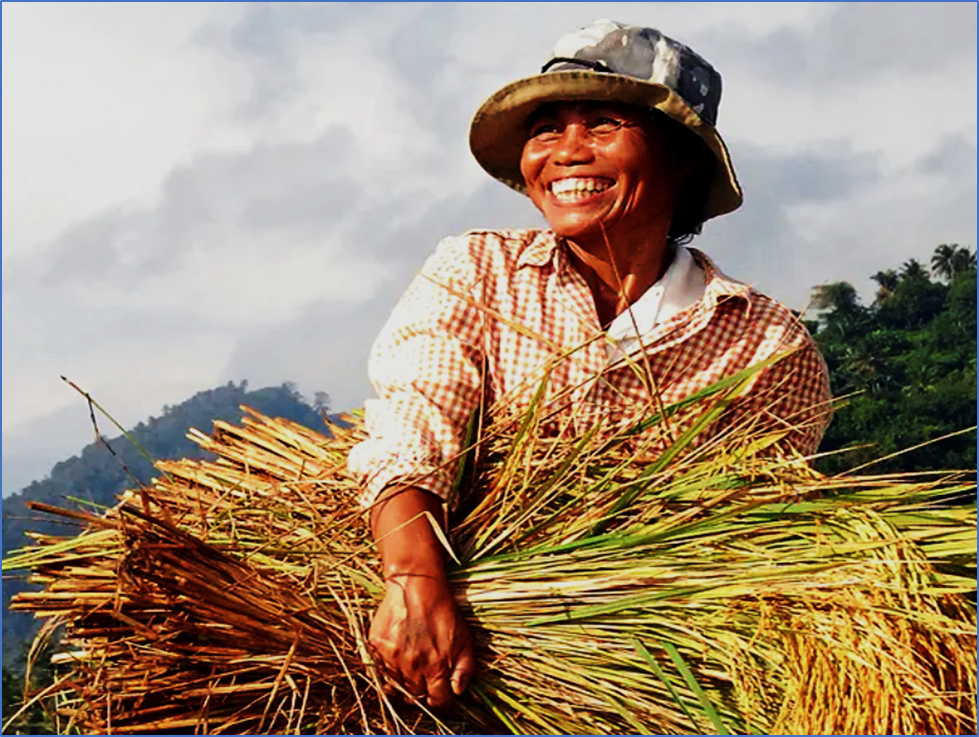
Wednesday, 31/12/2025 | 07:54:14
Director General, IRRI “Our new strategy is about more than what we do—it’s about how we do it. IRRI’s research will be fully-integrated, demand-driven, impact-oriented, and rooted in co-creation with our partners. As we respond to diverse national needs across Asia and Africa, we will harness our collective knowledge, learn across regions, and lead with purpose. This is IRRI’s opportunity to define what we want to be known for in the next era—not just for the breakthroughs of the past, but for how we add value today, together.”
Investigating cis-regulatory elements and gene expression in multiple tomato varieties using interpretable deep learning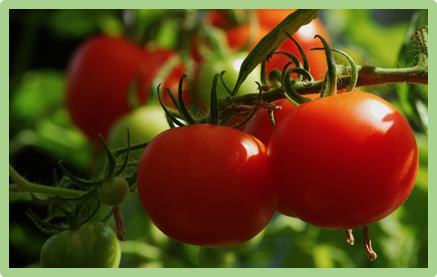
Monday, 29/12/2025 | 08:13:55
Cis-regulatory elements (CREs) govern gene expression, and the relationship between non-coding regulatory elements and gene expression is inherently complex. To further elucidate how these elements influence gene expression, we refined previous models and developed an interpretable deep learning model, termed L-CRE. By analyzing the flanking regions of genes from four distinct tomato varieties, this model successfully predicted high and low levels of gene expression,
CRISPR/Cas genome editing in soybean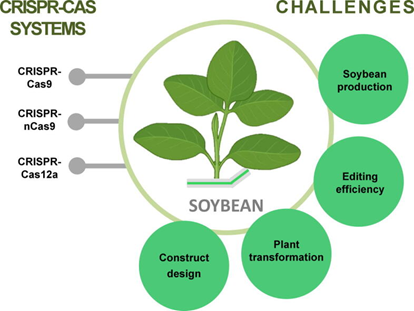
Monday, 29/12/2025 | 08:12:04
Soybean is a worldwide-cultivated crop due to its applications in the food, feed, and biodiesel industries. Genome editing in soybean began with ZFN and TALEN technologies; however, CRISPR/Cas has emerged and shortly became the preferable approach for soybean genome manipulation since it is more precise, easy to handle, and cost-effective. Recent reports have focused on the conventional Cas9 nuclease, Cas9 nickase (nCas9) derived base editors, and Cas12a (formally Cpf1) as the most commonly used genome editors in soybean.
West Bank: 72 000 families urgently require emergency agricultural assistance, new FAO survey finds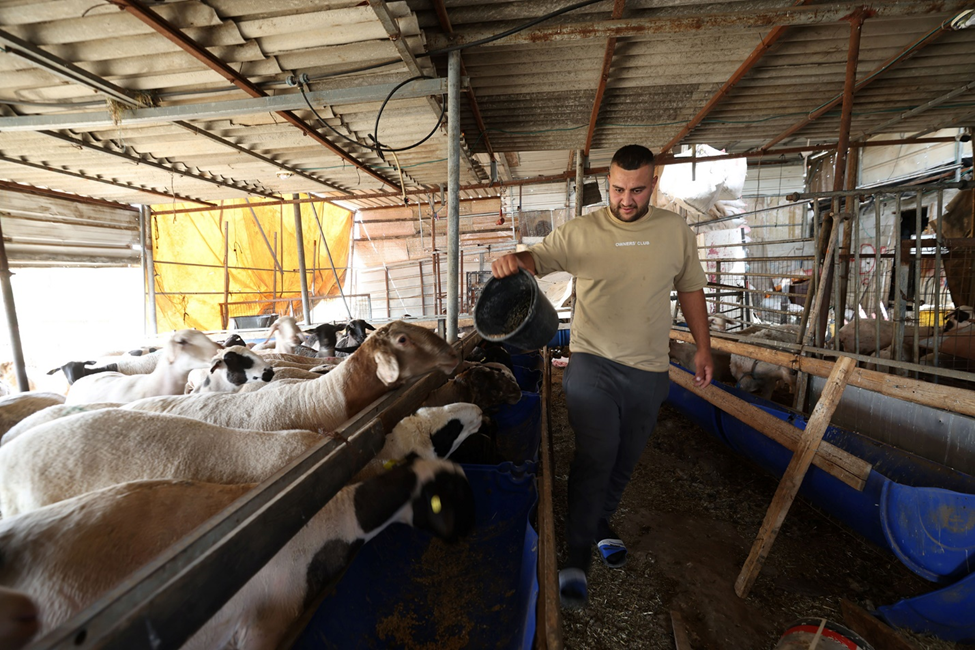
Monday, 29/12/2025 | 08:11:05
More than 72 000 farming and herding families in the West Bank – nearly two-thirds of all agricultural families – urgently require emergency agricultural assistance, according to a new survey published today by the Food and Agriculture Organization of the United Nations (FAO).
The survey shows that about 90 percent of West Bank agricultural families have recently lost income, driven by sharp declines in crop and livestock production and sales. These estimates are based on FAO’s Data in Emergencies (DIEM) survey for the West Bank, conducted from July–August 2025.
A major qualitative trait locus increases antioxidant activity in testaless peanut seeds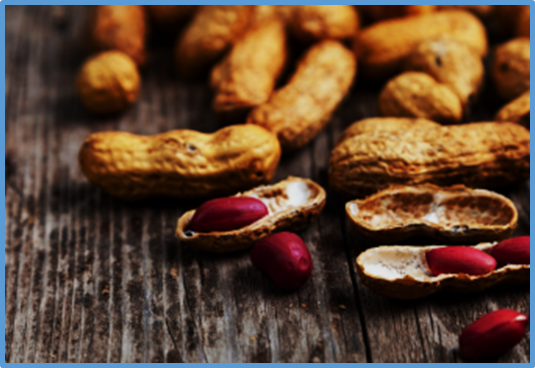
Monday, 29/12/2025 | 08:08:13
Improving the antioxidant activity of peanut (Arachis hypogaea) seeds is critical for extending their shelf life and enhancing their nutritional quality. Mining of genetic resources to identify loci associated with antioxidant activity could facilitate the breeding of new cultivars with high antioxidant activity in seeds. Here, we developed a population of advanced recombinant inbred lines containing 175 F5:6 families derived from the parents ‘JiHua 11’ (JH11) and ‘JiHuaTian 1’ (JHT1). We constructed a high-resolution genetic map covering 2870.3 cM, with an average length of 143.5 cM per linkage group
ISAAA Inc. and DA Biotech Program Release Fifth Issue of Double Helix Magazine
Monday, 29/12/2025 | 08:07:02
Double Helix, the Philippines’ first agricultural biotechnology (agbiotech) magazine for senior high school (SHS) students, now has its fifth issue, focusing on biotech products for consumers. Developed by ISAAA Inc., through the Know the Science project with the Philippine Agriculture and Fisheries Biotechnology Program of the Department of Agriculture (DA Biotech Program), this eight-page magazine is filled with illustrated stories, infographics, and activities to promote knowledge and enhance scientific literacy among young people.