


News & Events
News & Events
Loss-of-function allele of the soybean flowering/maturation gene TOF11 increases free amino acid content at the edamame stage and improves eating quality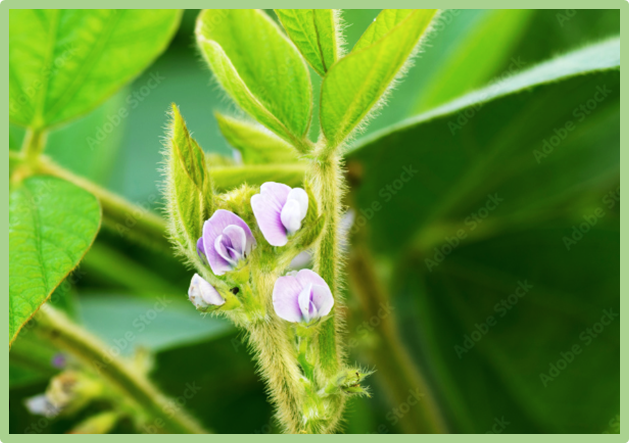
Monday, 30/03/2026 | 08:26:51
The free amino acid (FAA) content in edamame seeds is a determinant of sweetness and umami taste; however, its genetic regulation remains unclear. Therefore, in this study, to elucidate the genetic basis of FAA accumulation, we identified major QTLs and causal genes. We developed a recombinant inbred line population derived from a cross between the Japanese cultivar Enrei (low FAA) and the Japanese landrace edamame Shirayama (high FAA).
Rothamsted's Gene-Edited Barley Becomes First Crop to Receive the UK's Precision Bred Organism Marketing Notice
Monday, 30/03/2026 | 08:25:15
A gene-edited barley variety developed by Rothamsted Research has become the first crop to receive a marketing authorization under the United Kingdom's new regulatory pathway for precision breeding. This decision follows the implementation of the Genetic Technology (Precision Breeding) Act, which aims to streamline the commercialization of crops edited to possess beneficial traits that could have occurred naturally.
Developing Nations Drive Global GM Crop Growth - ISAAA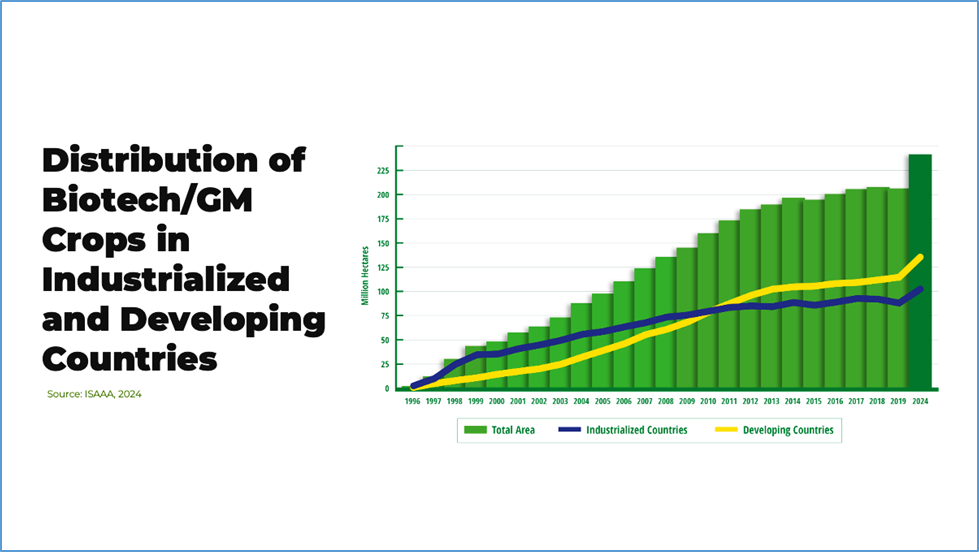
Monday, 30/03/2026 | 08:24:16
Industrialized countries pioneered biotech/GM crop adoption between 1996 and 2011, but the global landscape shifted in 2012. From 2012 to 2024, developing countries outpaced their industrialized counterparts in total hectares planted with biotech/GM crops. This is according to the latest report of the International Service for the Acquisition of Agri-biotech Applications, Inc., published this month.
Oral immunotherapy suppresses peripheral blood transcriptomic response to peanut in peanut allergy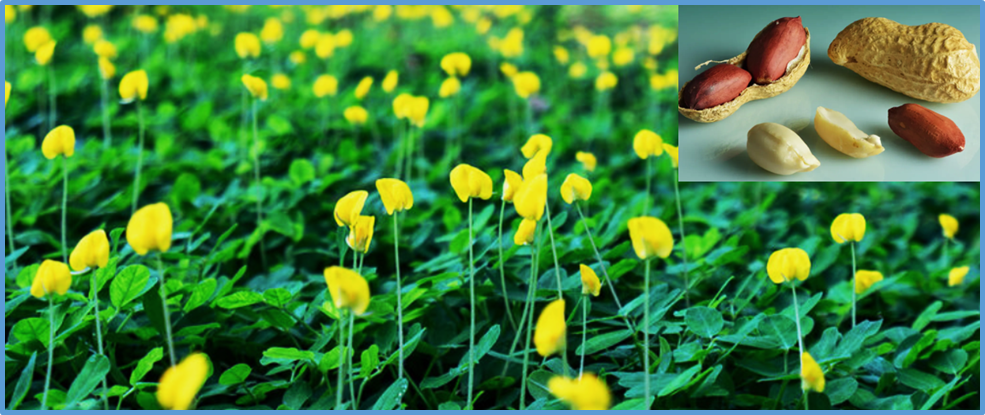
Sunday, 29/03/2026 | 07:10:36
The entire OIT group (100%) achieved desensitization compared with 21% in the avoidance group. With peanut exposure, OIT-treated participants demonstrated marked suppression of a 295-transcript signature representing neutrophil degranulation and IL-4 and IL-13 signaling. Machine learning identified 27 transcripts that classified OIT-induced desensitization in independent participants with 80% accuracy.
Mosquito-Based Vaccines Show Potential to Protect Bats from Deadly Diseases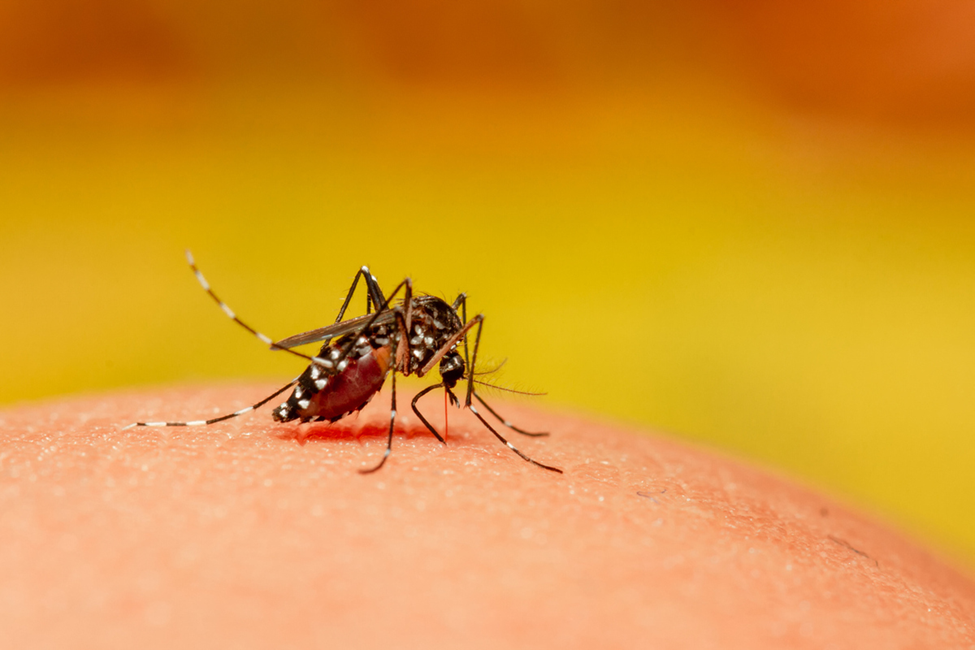
Sunday, 29/03/2026 | 07:10:40
Scientists from the Chinese Academy of Sciences and collaborating institutions have developed a novel approach that uses mosquitoes to deliver vaccines to bats, aiming to curb the spread of deadly diseases, such as rabies and Nipah virus. The study explores how immunizing bats in the wild could help reduce the risk of viruses spilling over to humans while supporting bat conservation efforts.
Closing the gender gap in agrifood systems can help reduce food insecurity and boost global GDP: FAO gender experts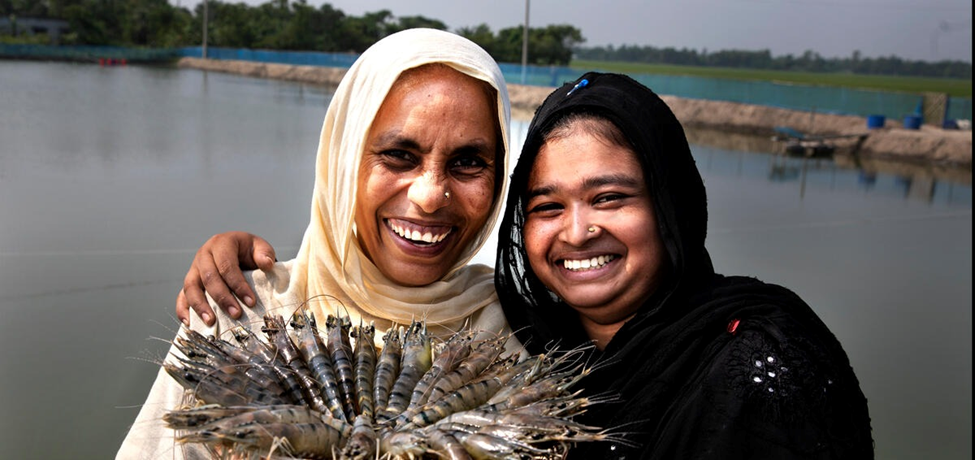
Sunday, 29/03/2026 | 07:10:45
The United Nations-designated The International Year of the Woman Farmer (IYWF 2026), shines a spotlight on the essential yet often overlooked roles women play across agrifood systems - from production to trade. In an interview with FAO Newsroom, Tacko Ndiaye, Gender Team Leader and Mariola Acosta, FAO’s Strategic Coordinator of the International Year of the Woman Farmer, discuss why women farmers are central to food security, nutrition and economic resilience, and how FAO plans to raise awareness and drive action to close gender gaps and improve women’s livelihoods worldwide.
Epigenetic modifications regulate peg elongation and underground fruiting in peanut in response to environmental cues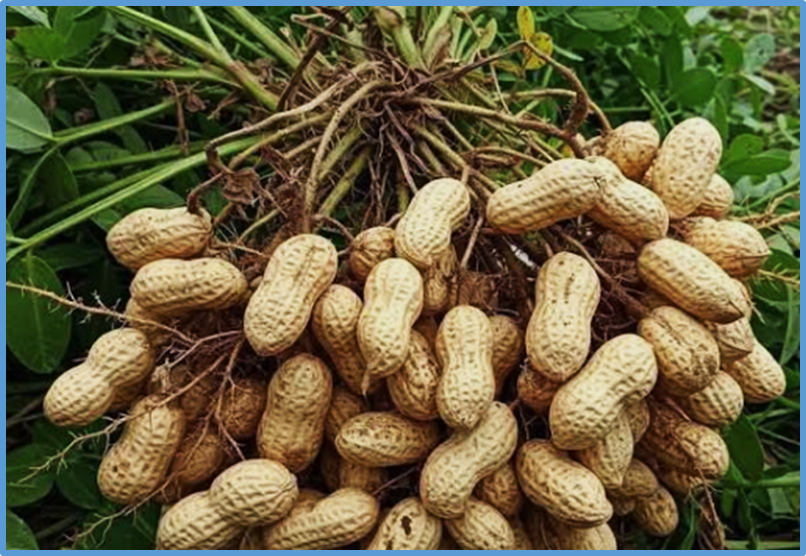
Friday, 27/03/2026 | 14:22:08
Epigenetic regulation plays a central role in coordinating peanut (Arachis hypogaea L.) fruit pegging, a unique developmental process in which fertilized ovaries transition from aerial growth to subterranean pod formation. This review synthesizes current evidence demonstrating that dynamic interactions among DNA methylation, histone modifications, and small RNA-mediated pathways govern peg elongation, directional growth,
Engineered Bacteria Turn Plastic Waste into Treatment for Parkinson’s Disease
Friday, 27/03/2026 | 14:20:48
Scientists at the University of Edinburgh have developed a pioneering method to convert waste plastic into a drug used to treat Parkinson's disease. The study, published in Nature Sustainability, shows how bacteria can transform post-consumer plastic bottles into L-DOPA, a frontline medication for managing the neurological condition.
FAO celebrates 2026 International Day of Forests and World Water Day
Friday, 27/03/2026 | 14:19:35
The Food and Agriculture Organization of the United Nations (FAO) marked International Day of Forests 2026 and World Water Day 2026 on Thursday with a series of high‑level and technical events at its headquarters in Rome.The two UN global observances, celebrated annually on 21 and 22 March respectively, underscore the critical role of forests and water in sustaining local economies, resilient agrifood systems and the Sustainable Development Goals.
Dynamic water relations and alternative splicing in common bean under progressive soil drought and recovery
Friday, 27/03/2026 | 08:21:13
Alternative splicing (AS), a post-transcriptional regulatory mechanism, plays a pivotal role in regulating plant stress tolerance by diversifying transcriptomes and the resultant proteomes. Despite its well-documented role in model species, the dynamics of drought-induced AS and their functional relevance in common bean (Phaseolus vulgaris L.), a globally vital legume crop, remain largely unexplored. To address this knowledge gap, we employed an integrated approach combining advanced physiological phenotyping,
Experts Target OsTRE1 to Improve Rice Stress Tolerance
Friday, 27/03/2026 | 08:19:54
Researchers from the University of Costa Rica used the CRISPR-Cas9 system to edit a gene in rice to improve abiotic stress tolerance. The findings are published in Plant Cell, Tissue and Organ Culture.Osmotic stress and salinity are among the stresses that impact rice productivity. Thus, the researchers targeted gene editing of the trehalase gene, which is linked with stress adaptation. Using CRISPR-Cas9, OsTRE1 was disabled in japonica rice to enhance the effect on the rice plants' stress tolerance.
Madagascar Shows Why the Future of Agricultural Innovation Must Be Integrated
Friday, 27/03/2026 | 08:19:00
In Madagascar today, the stakes for agricultural transformation could not be higher. Agriculture is the primary livelihood for most Malagasy households, employing about 78% of the workforce, with roughly 80% of the population relying on agriculture (FAO/World Bank data).Climate shocks—cyclones, droughts, and increasingly erratic rainfall—regularly disrupt planting seasons and destroy harvests. In many communities, the agricultural calendar that farmers once relied upon has become increasingly unpredictable.