


News & Events
News & Events
Metabolomics and transcriptomics analyses reveal quality differences in forage-grain ratoon rice under varying mowing stages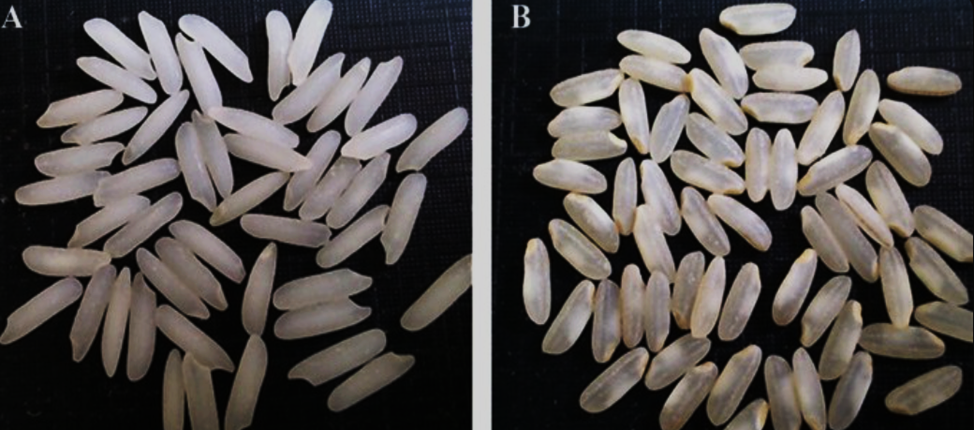
Friday, 03/04/2026 | 08:17:22
The mechanisms underlying quality formation of forage-grain ratoon rice (FG-RR) were investigated using transcriptomics and metabolomics. Results revealed that mowing at milky-ripe stage (MS) significantly enhanced the percentages of brown rice, milled rice, and head rice compared to full-ripe stage (FRS), with increases of 2.37%, 2.40%, and 13.19%, respectively. Additionally, it had lower amylose and protein contents than FRS, decreasing by 8.09% and 26.28%.
Peru Releases Gene Editing Guidelines
Friday, 03/04/2026 | 08:16:25
The Peruvian Ministry of the Environment has officially approved a new regulatory framework to evaluate organisms developed through advanced biotechnological tools like CRISPR. Enacted via Ministerial Resolution No. D000068-2026-MINAM-DM, these guidelines establish technical criteria to determine if a gene-edited organism should be classified as a Modified Living Organism (MVO). This case-by-case scientific approach allows authorities to distinguish between traditional transgenics and precise genetic alterations that do not introduce foreign DNA, providing much-needed clarity within the country's existing biosafety laws.
ISAAA Report Presents Top Producers of Biotech/GM Crops in 2024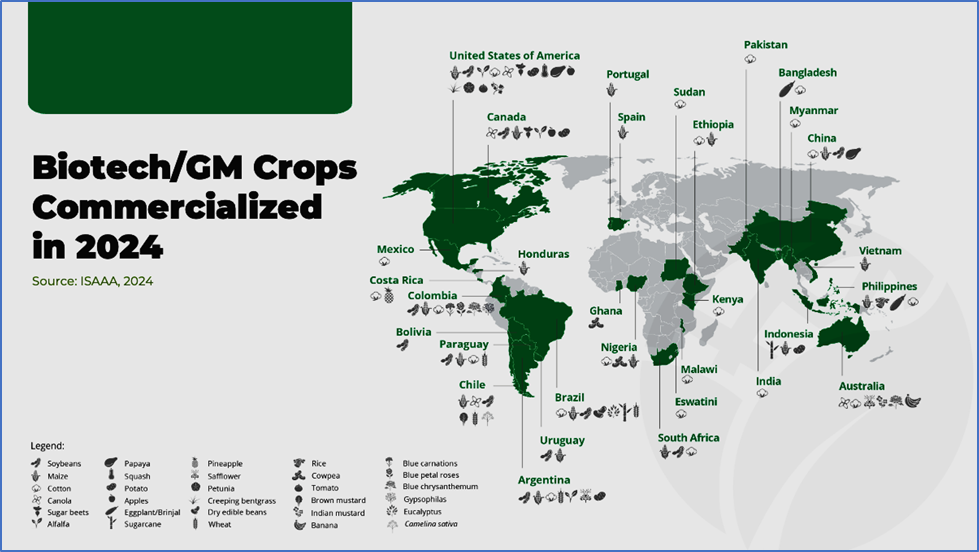
Friday, 03/04/2026 | 08:15:38
In 2024, agricultural biotechnology continued to expand globally, with over 20 biotech/GM crops cultivated across 31 countries. The United States led the world by planting 79.9 million hectares of biotech/GM crops, followed by Brazil, Argentina, India, and Canada.The global agri-biotech landscape remained dominated by four primary biotech/GM crops: soybean, maize, cotton, and canola. Soybeans alone accounted for over 100 million hectares, followed by maize. However, biotech/GM cotton was the most widely planted with 19 countries adopting to date.
Fine-mapping and candidate gene analysis of qFF3.1 conferring fruit firmness in a modern tomato variety
Thursday, 02/04/2026 | 08:12:02
Tomato fruit firmness is a critical determinant of postharvest quality, dictating storage, ultimate shelf life, and market value. While previous research on tomato fruit firmness has largely confined to wild or heirloom accessions, the genetic basis underlying this trait in modern elite breeding lines remains largely unexplored. In this study, we dissect the genetic architecture of fruit firmness using a recombinant inbred line (RIL) population derived from a cross between the modern inbred line CF-1 and the conventional cultivar Moneymaker.
Engineered Sugarcane Shows Improved Tolerance to Glyphosate
Thursday, 02/04/2026 | 08:10:50
Researchers in Brazil have developed genetically engineered sugarcane with enhanced glyphosate tolerance by modifying a key plant enzyme. The study demonstrates a potential strategy to improve weed control in sugarcane without affecting overall plant growth.The research team introduced and overexpressed a mutated version of the plant's own EPSPS gene, known as ScEPSPS. The modified plants were able to survive high levels of glyphosate that would normally inhibit growth.
Study Reveals Mixed Public Attitudes Toward GMOs in Kenya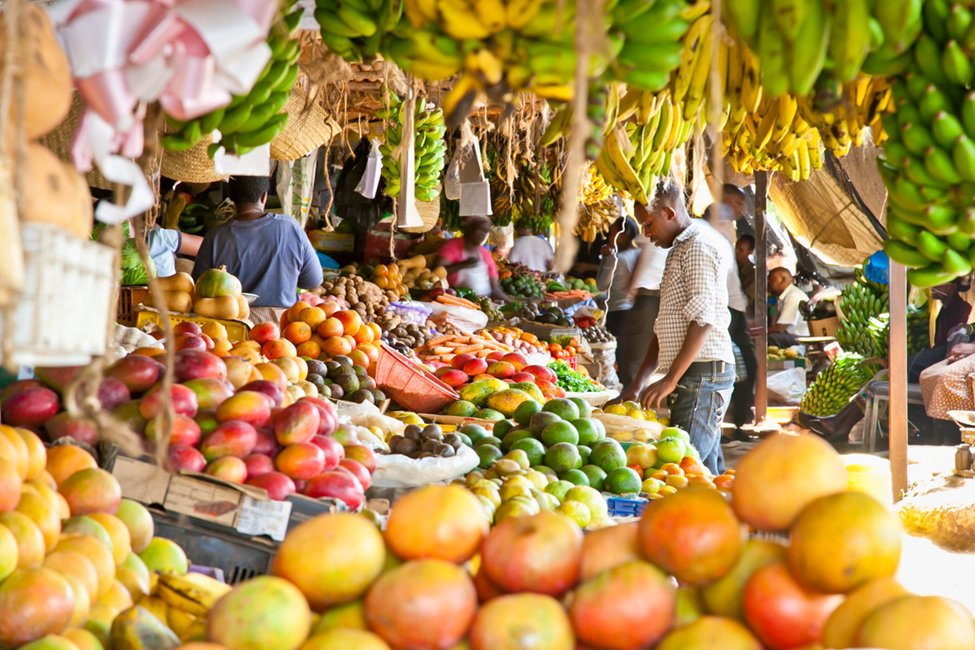
Thursday, 02/04/2026 | 08:08:47
Researchers from the National Biosafety Authority (NBA), Kenya BioVax Institute, and the Technical University of Kenya found that the public perceptions towards genetically modified organisms (GMOs) in Kenya remain divided despite growing awareness. The findings highlight ongoing misconceptions and limited awareness of biotechnology developments, even after the commercialization of Bt cotton in the country.
Impact of anthocyanin-rich black rice consumption on cognitive function, inflammation and microvascular function in older adults: a crossover intervention trial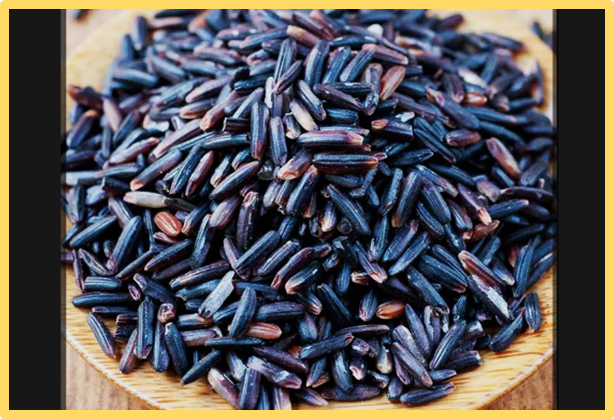
Wednesday, 01/04/2026 | 08:29:02
Typical and atypical declines in cognitive function, as well as increases in chronic, low-grade inflammation and impaired vascular function are all impacted by the ageing process. Flavonoid-rich foods/beverages have been extensively shown to impact human cognition and to modulate immune and/or vascular function, although the cause-and-effect relationship between these factors is unclear. Here, we examine the acute (2 hours) and short-term (8 days) effects of anthocyanin-rich black rice on cognition, inflammation, and vascular function in older adults
Genetic Breakthrough Could Triple Wheat Yields and Boost Global Food Security
Wednesday, 01/04/2026 | 08:28:03
An international team of researchers, including scientists from the University of Adelaide, has identified a genetic mutation that could triple wheat yields. The discovery focuses on activating the dormant gene WUSCHEL-D1 (WUS-D1), which enables wheat flowers to develop three ovaries instead of one, potentially boosting the number of grains per spike and increasing productivity on existing farmland.
FAO Chief Economist warns of severe global food security risks from disruption to Strait of Hormuz trade corridor
Wednesday, 01/04/2026 | 08:27:06
The Chief Economist of the Food and Agriculture Organization of the United Nations (FAO), Máximo Torero, warned that the ongoing disruption to the Strait of Hormuz trade corridor is triggering one of the most severe shocks to global commodity flows in recent years, with significant implications for food security, agricultural production, and global markets.Speaking at a United Nations daily press briefing, Torero highlighted that tanker traffic through the Strait of Hormuz has collapsed by more than 90 percent within days of the escalation
Gustatory sensing by ovipositor drives maternal avoidance of hesperidin to benefit the offspring in a major agricultural fly pest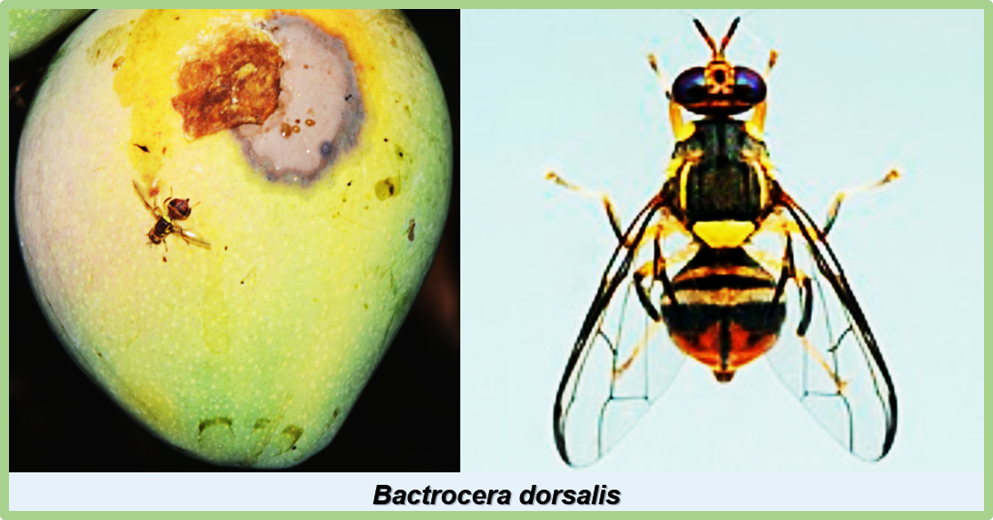
Tuesday, 31/03/2026 | 08:23:37
Females of the oriental fruit fly (Bactrocera dorsalis) disproportionately oviposit in unripe fruits, despite their lower nutritional value compared to ripe fruits, but the sensory cues driving such counterintuitive site selection have not been determined. Here, using an oriental fruit fly–mango interaction system, we identified a specific flavonoid compound, hesperidin, as a major avoidance cue driving oviposition site selection in this species
Scientists Develop First Autoluminescent Plants that Light Up Under Attack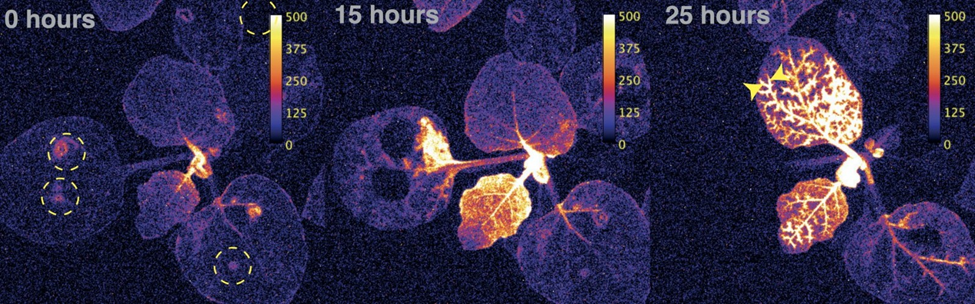
Tuesday, 31/03/2026 | 08:21:32
Scientists have developed a way to visualize plant stress by engineering crops that light up when they are under attack. Using advanced biosensors, researchers at the MRC Laboratory of Medical Sciences (LMS), the Institute of Experimental Botany of the Czech Academy of Sciences, and the biotech startup Planta have created the first autoluminescent plants that emit a fluorescent glow when they experience physical damage or herbivore threats. This bioluminescence is triggered by a rapid wave of calcium signaling that travels from the site of injury to the rest of the plant, acting as a high-speed SOS signal to activate defense genes.
Cornell University Scientists Engineer Bacteria to Detect Arsenic Exposure
Tuesday, 31/03/2026 | 08:20:11
Scientists at Cornell University have engineered E. coli to act as a living sensor capable of detecting and recording arsenic exposure in the environment. The new biosensor is designed to work even in anaerobic environments where arsenic contamination is a major concern. The study provides proof of principle that could help monitor toxic pollutants in challenging environments.