


News & Events
News & Events
Structural insight of a photosystem I-CpcL-phycobilisome supercomplex from a cyanobacterium Anabaena sp. PCC 7120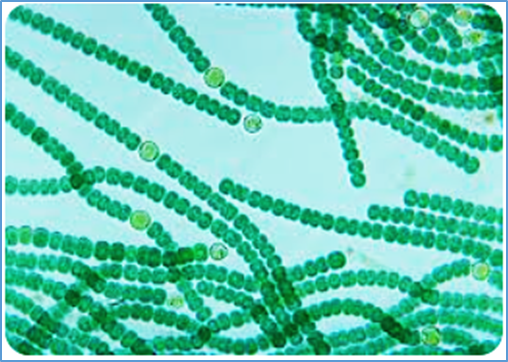
Tuesday, 07/04/2026 | 08:20:29
Phycobilisomes (PBSs) are supramolecular pigment–protein complexes composed of phycobiliproteins and linker proteins, serving as the major light-harvesting complexes that capture and transfer light energy to photosystem II (PSII) and photosystem I (PSI) in cyanobacteria and eukaryotic red algae. In cyanobacteria, a rod-type PBS that does not have a core is specifically connected to PSI by a linker protein CpcL to form a PSI-CpcL-PBS supercomplex. However, the mechanism of CpcL-PBS association to PSI remains unclear.
Researchers Find Hornworts Could Help Turbocharge Crop Yields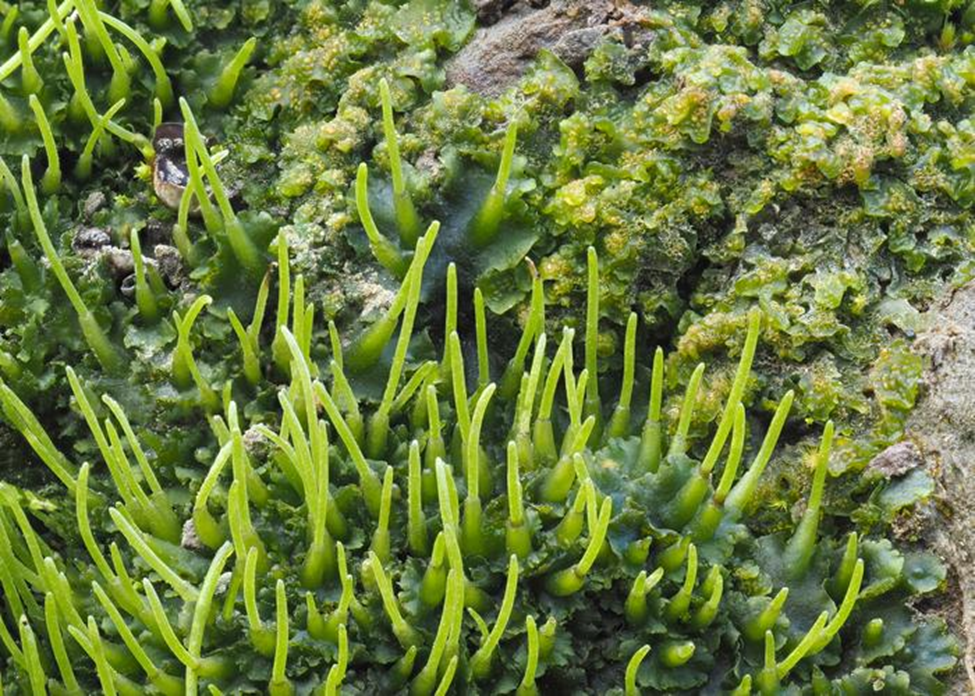
Tuesday, 07/04/2026 | 08:18:55
Researchers at the Boyce Thompson Institute (BTI), Cornell University, and the University of Edinburgh have discovered a molecular trick in hornworts, a unique group of land plants, that could dramatically increase the efficiency of photosynthesis in major crops like wheat and rice. The study focuses on Rubisco, the critical enzyme responsible for capturing carbon dioxide, which is notoriously slow and often mistakenly reacts with oxygen.
Launch of new SIDS and new GIAHS initiatives mark milestone in FAO’s partnership with China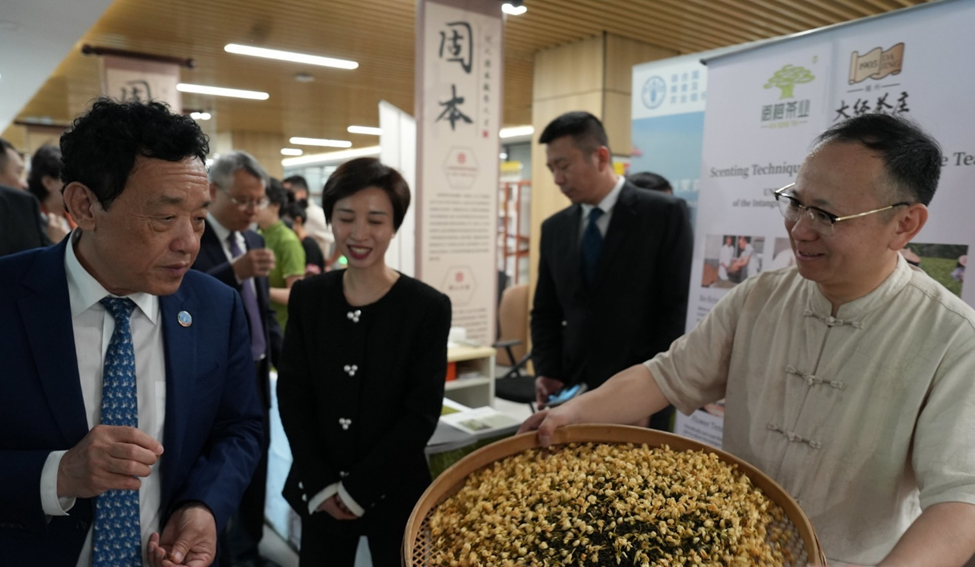
Tuesday, 07/04/2026 | 08:17:01
FAO Director-General QU Dongyu launched two important initiatives during his official visit to China, both of which mark an important step forward in FAO’s partnerships with China and, he emphasized, show how the Organization works with countries to deliver practical solutions at scale.“Together, these two projects reflect a clear direction: We must scale up what works., while continuing to innovate for the future,” he said at the launch event held Tuesday in Sanya in China’s Hainan Province.
Integrating image-based phenotyping and QTL mapping to enhance genetic resistance and accelerate breeding for bacterial grain rot resistance in rice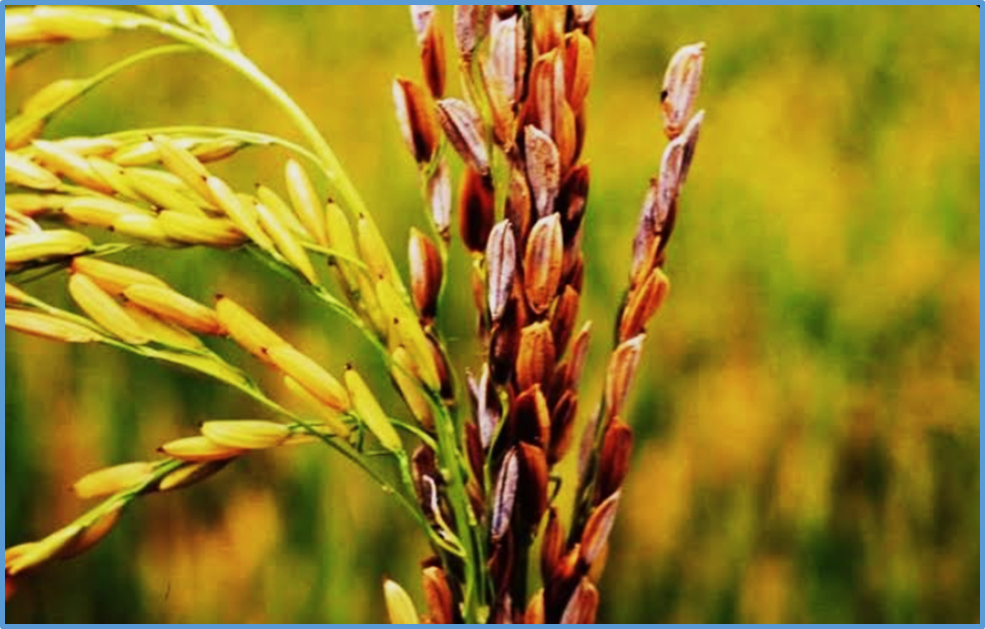
Monday, 06/04/2026 | 08:25:23
Bacterial grain rot (BGR), caused by Burkholderia glumae, is a major disease that reduces the yield of rice (Oryza sativa L.), thereby threatening food security. Conventional phenotypic analysis methods face limitations in objectively evaluating disease resistance and understanding the genetic basis. In this study, we integrated image-based phenotypic analysis with QTL mapping to screen for QTLs and candidate genes associated with B. glumae resistance.
CRISPR Boosts Tobacco Growth Under Osmotic Stress
Monday, 06/04/2026 | 08:23:53
Scientists have used a CRISPR-dCas9-based transcriptional activation (CRISPRa) system to enhance the ability of tobacco plants to withstand osmotic stress. By increasing the activity of a plant hormone receptor called BRL3, the researchers were able to promote leaf and root growth while reducing cellular damage caused by stress. This study highlights a promising strategy for developing crops with improved tolerance to harsh environmental conditions.
Experts Recommend Climate-adaptive Breeding Pipeline for Rice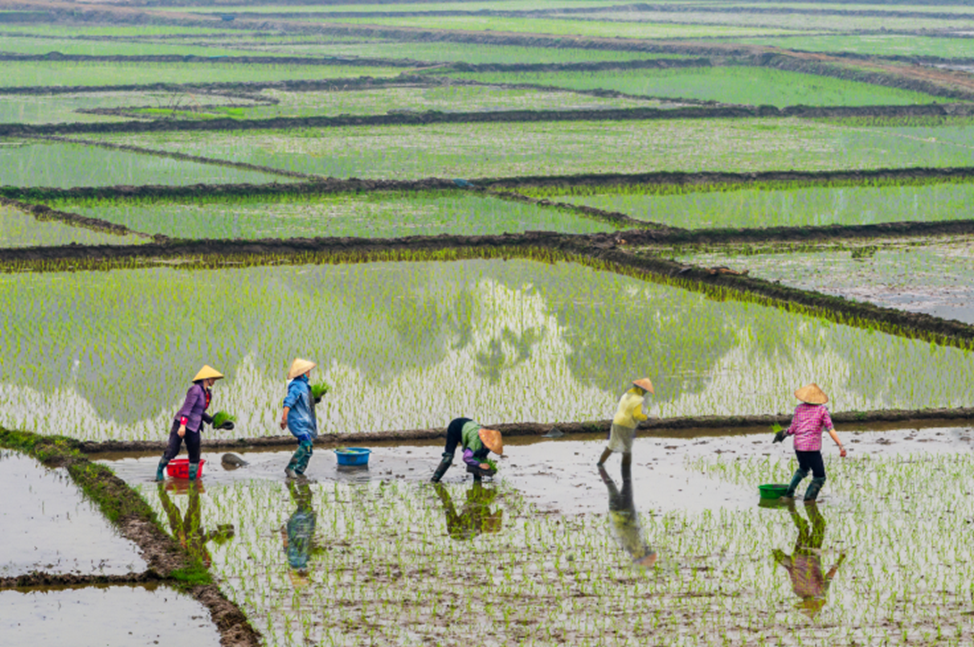
Monday, 06/04/2026 | 08:23:09
Yunnan Academy of Agriculture Sciences and partners released a review article on rice breeding, highlighting the urgent need to use modern tools to combat the climate crisis. The article is published in Frontiers in Sustainable Food Systems. Their review is summarized in these key points: Extreme temperatures severely disrupt rice physiology, leading to reduced growth, lower yields, and poorer grain quality, which directly threatens global food security. The rice germplasm contains a wealth of valuable alleles that are essential for breeding temperature-resilient varieties.
Leveraging AI and integrated genomic-environmic prediction for intelligent sugarcane breeding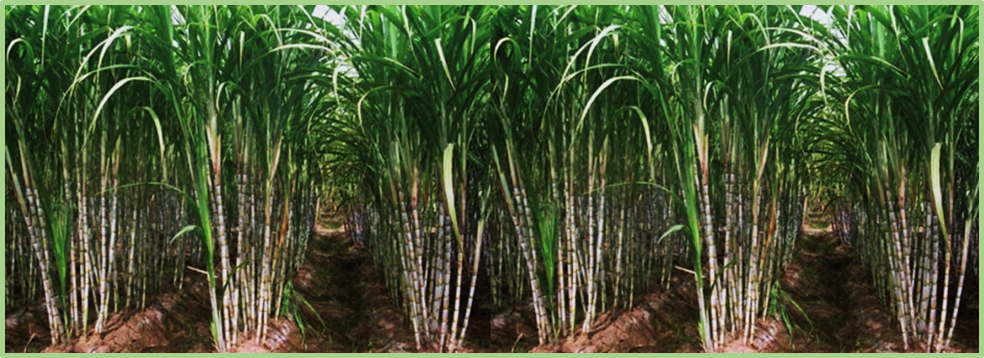
Friday, 03/04/2026 | 08:31:56
Traditional sugarcane breeding, reliant on phenotypic selection, is being transformed by genomic tools. However, the crop's highly polyploid genome and significant genotype-by-environment interactions (G×E) pose challenges that conventional models cannot adequately address. While the Integrated Genomic-Environmic Prediction (iGEP) framework provides a viable path forward, its application to a complex clonal crop like sugarcane requires profound extension. This review provides the first comprehensive roadmap for implementing iGEP in sugarcane,
Genetic "Master Switch" Discovered to Control Tomato Ripening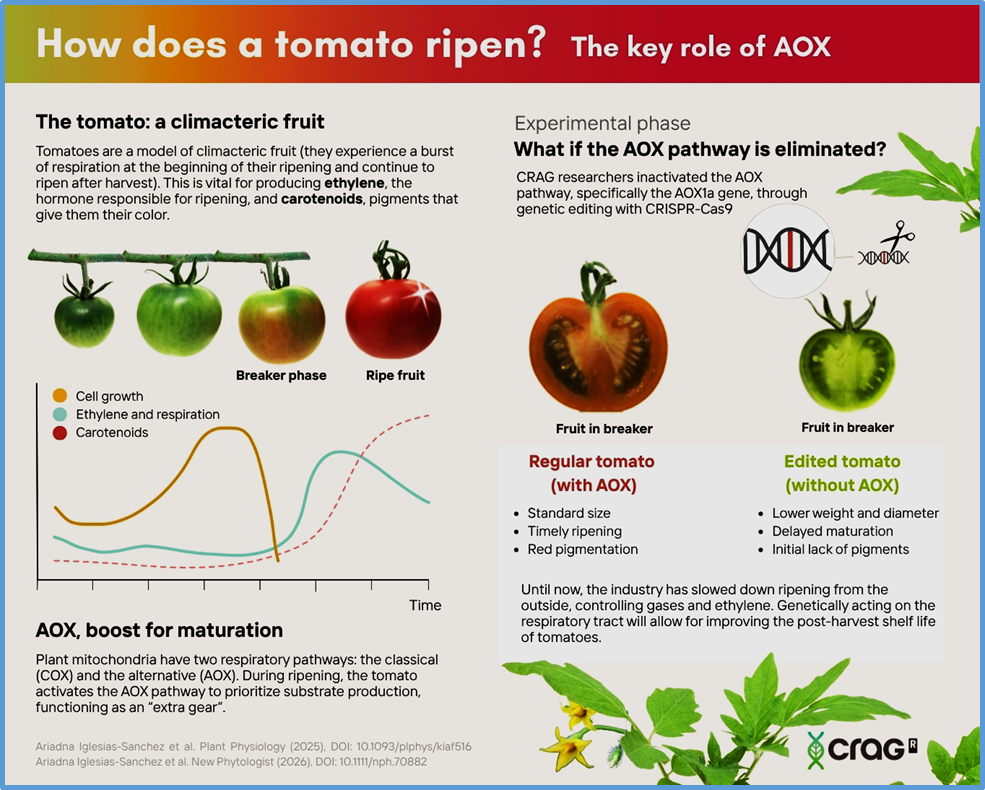
Friday, 03/04/2026 | 08:30:42
Scientists at the Centre for Research in Agricultural Genomics (CRAG) have identified a key genetic regulator that controls tomato ripening. The study identifies a specific regulatory network that governs the transition of the fruit from the growing to the ripening stage. By focusing on the master switches within the plant's DNA, the team has mapped how different genes interact to control the timing and quality of the fruit's maturation process, offering a precise blueprint for future agricultural improvements.
A Leadership & Culture Workshop Shapes the Future of Rice in Africa
Friday, 03/04/2026 | 08:29:12
AfricaRice embarked on a transformative leadership journey with the launch of a five-day Leadership & Culture Workshop, bringing together managers and leaders from across the center to strengthen leadership capacity, align strategic direction, revive the team spirit and enhance operational effectiveness.
Going wild in banana breeding enables Fusarium-resistant hybrids with improved fruit quality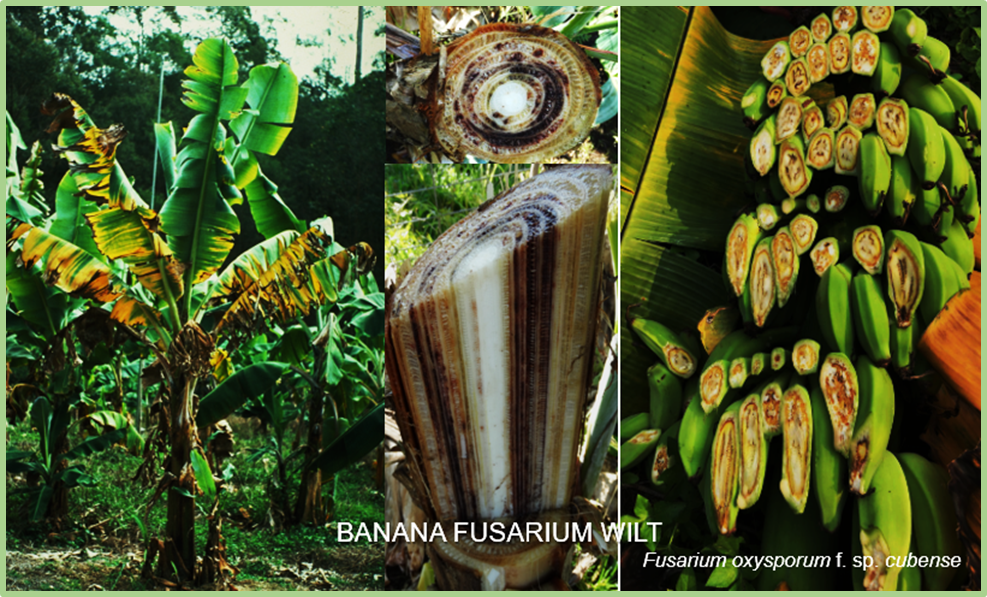
Friday, 03/04/2026 | 08:28:00
Bananas (Musa spp.) are crucial for food security, but modern cultivars derived from few wild species and propagated vegetatively possess low genetic diversity, and weak disease resistance. Identifying new parental lines is therefore essential for banana breeding. Here we show that Musa cheesmanii exhibits high resistance to Fusarium oxysporum f. sp. cubense tropical race 4.
Researchers Develop Gene Editing Toolkit for Trait Stacking in Soybean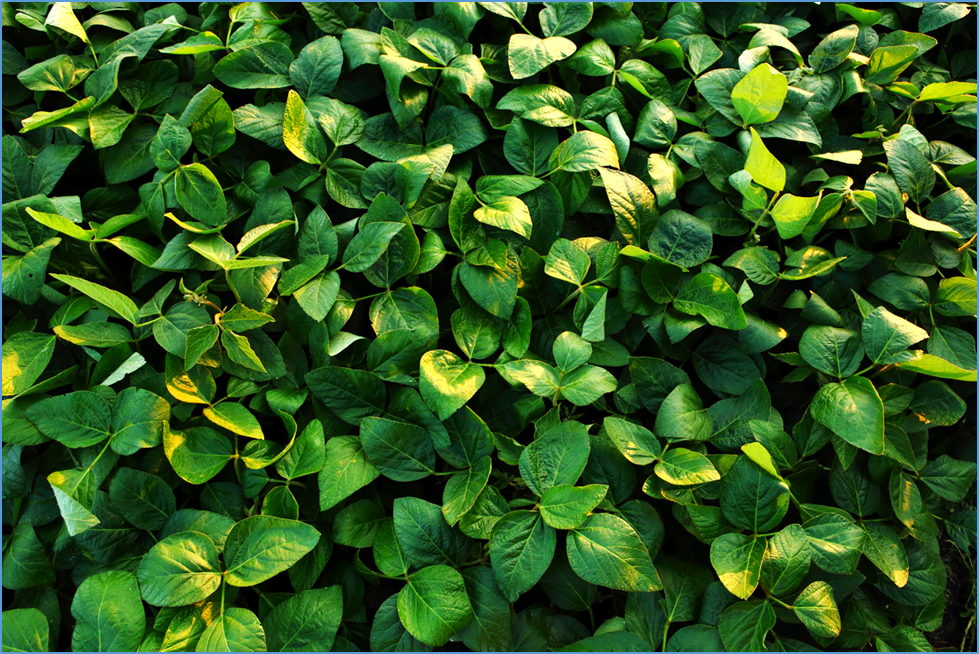
Friday, 03/04/2026 | 08:26:30
Guangzhou University researchers in China and partners reported a robust multiplex CRISPR-Cas12i3-5M system for trait stacking in soybean. The findings are published in the Journal of Integrative Plant Biology.The researchers developed an optimized, high-efficiency multiplex gene-editing toolkit specifically for soybean, which uses a modified Cas12i3 variant (Cas12i3-5M) driven by a strong endogenous soybean promoter (GmM4pro) to overcome the typically low editing efficiency of Cas12i in dicot plants
Green Climate Fund approves $50 million for FAO-supported adaptation project in Jamaica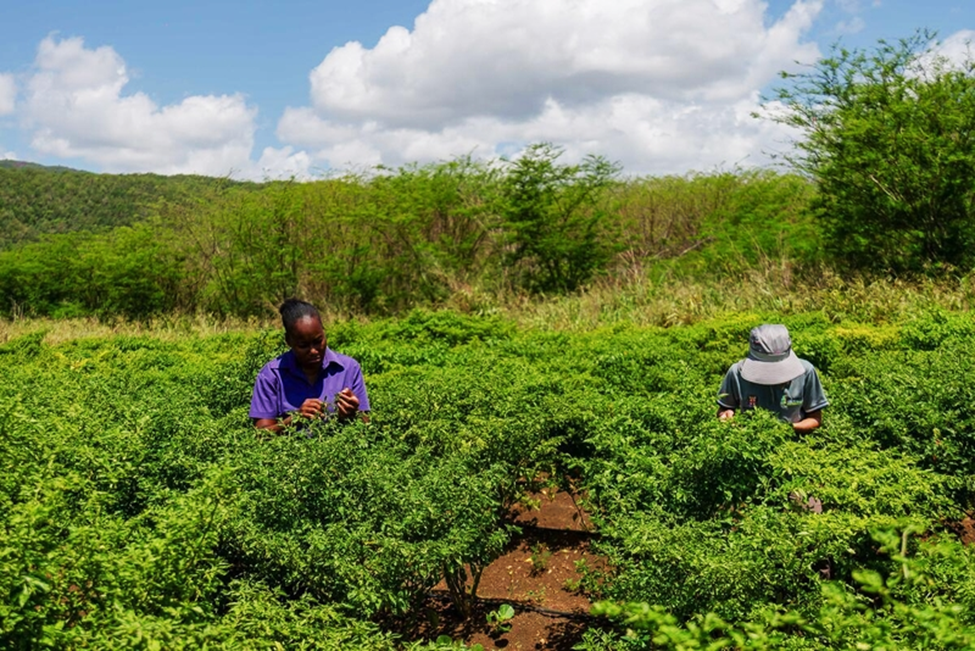
Friday, 03/04/2026 | 08:25:28
The Green Climate Fund (GCF) has approved a $50 million project, supported by the Food and Agriculture Organization of the United Nations (FAO), to enhance the climate resilience of vulnerable smallholders in Jamaica. The project focuses on areas where climate risks and food security challenges are most severe due to an increased frequency of hurricanes, longer droughts and progressively erratic rainfall - hazards that are already lowering yields, increasing food loss, and threatening rural livelihoods nationwide.