


News & Events
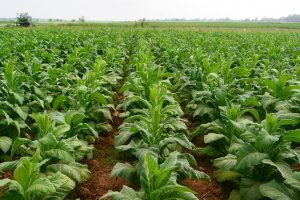
Scientists at King Abdullah University of Science and Technology developed a virus-mediated genome editing system using CRISPR-Cas9 for Nicotiana benthamiana, a close relative of tobacco. Using the system, genome engineering reagents can be delivered into all plant parts in a simple and efficient way, enabling the recovery of progeny plants with the desired genomic modifications, without the need for transformation and tissue culture.

Consumers in the US were more willing to purchase unlabeled GM fruits and vegetables after being shown food products with "genetically modified" labels. This is the finding of the study conducted by Cornell University published in PLOS One journal. The study was published just as food sellers prepare for the new federal law requiring GM food disclosure labels which will take effect on January 1, 2022.
Gene functional studies often rely on the expression of a gene of interest as transcriptional and translational fusions with specialized tags. Ideally, this is done in the native chromosomal contexts to avoid potential misexpression artifacts. Although recent improvements in genome editing make it possible to directly modify the target genes in their native chromosomal location, classical transgenesis is still the preferred experimental approach chosen in most gene tagging studies because of its time efficiency and accessibility.