


News & Events
News & Events
Integrated physiological, biochemical and hormonal traits determine drought tolerance and yield stability in cashew (Anacardium occidentale L.)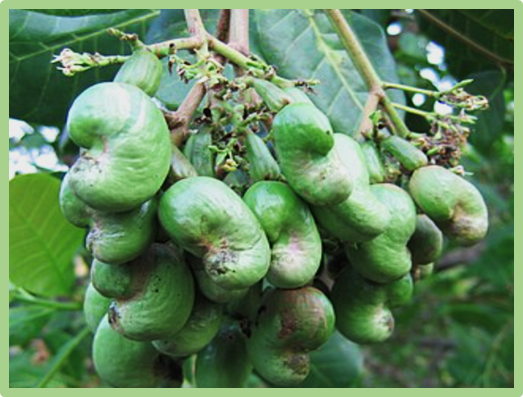
Saturday, 11/04/2026 | 07:28:28
Drought stress, intensified by climate change, represents a major limiting factor to growth, reproductive development, and nut productivity of cashew (Anacardium occidentale L.), especially in rainfed and marginal production systems. Identifying drought-tolerant cultivars and understanding their adaptive mechanisms are therefore critical for sustaining cashew productivity in water-limited environments.
Experts Develop CasY7 for Better Gene Editing of Crops
Saturday, 11/04/2026 | 07:26:56
Scientists from South China Agricultural University and partners have developed a gene-editing tool called CasY7, a high-performance alternative to Cas9 nuclease that is commonly used in CRISPR gene-editing systems. Originally successful in medical trials, this "molecular scissors" has now been optimized for agriculture. By refining its structure and guidance system, researchers significantly boosted its ability to make precise changes to plant DNA.
FAO rolls out new initiatives to include and promote entrepreneurial youth
Saturday, 11/04/2026 | 07:26:03
The Food and Agriculture Organization of the United Nations (FAO) announced three initiatives to help enterprising youth in the field of One Health, and outlined the three pillars undergirding the integrated approach that aims to sustainably balance and optimize the health of people, animals and ecosystems.
Endophytic Streptomyces griseorubens MEPSL1 from sweetpotato promotes plant growth and enhances γ-tocopherol accumulation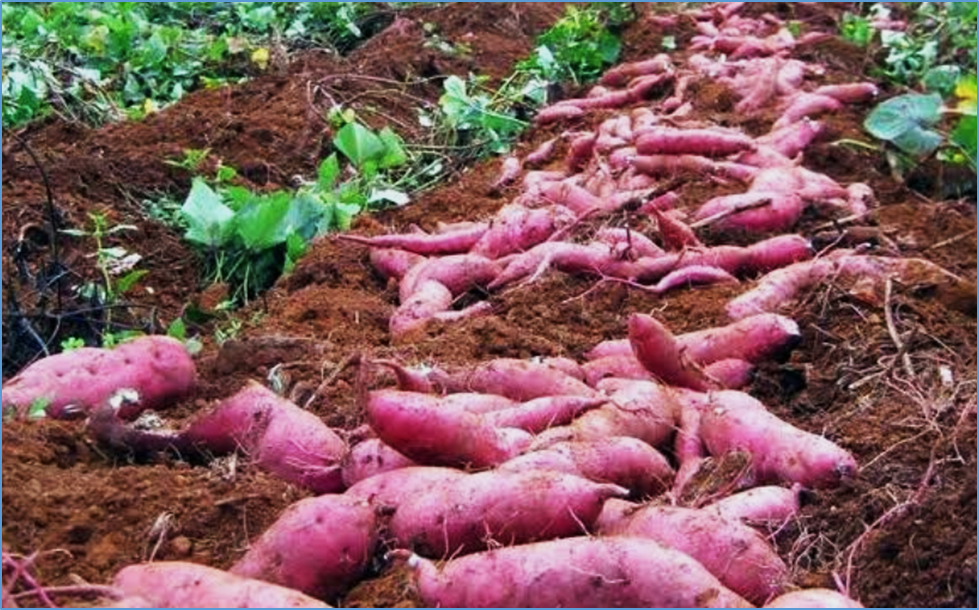
Friday, 10/04/2026 | 08:25:08
Endophytic actinomycetes are known to promote plant growth and improve crop nutritional quality through nutrient mobilization and secondary metabolite production. In this study, a multifunctional actinomycete strain was isolated from sweetpotato (Ipomoea batatas (L.) Lam.) and identified as Streptomyces griseorubens MEPSL1. Functional assays and genome analysis revealed that MEPSL1 exhibits several plant growth-promoting traits, including nitrogen fixation,
IGI Researchers Unveil CRISPR Breakthrough to Supercharge Photosynthesis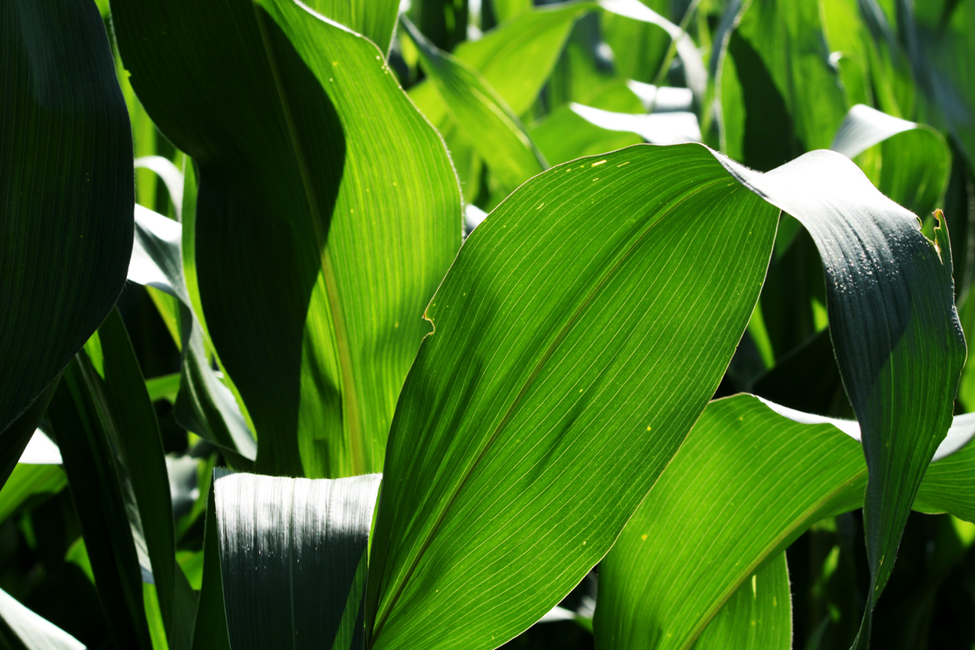
Friday, 10/04/2026 | 08:23:16
Scientists at the Innovative Genomics Institute (IGI) have developed a new cell-based approach to fine-tune plant genes, potentially revolutionizing how crops capture carbon and produce food. In a study published in Nature Biotechnology, the researchers used sorghum leaf cells to simulate thousands of CRISPR edits within the regulatory DNA of photosynthesis genes.
Food security is crucial to global security (Globe and Mail)
Friday, 10/04/2026 | 08:22:32
In a recent interview with The Globe and Mail, CGIAR’s Executive Managing Director, Dr. Ismahane Elouafi, highlighted the growing link between global food systems, economic stability, and national security.Speaking ahead of a visit to Canada, she emphasized how disruptions to global supply chains, including the blockade of the Strait of Hormuz, are already affecting agricultural productivity and fertilizer supplies.
Identification of photosynthetic pigment content-related genes in peanut (Arachis hypogaea L.) by GWAS and RNA-seq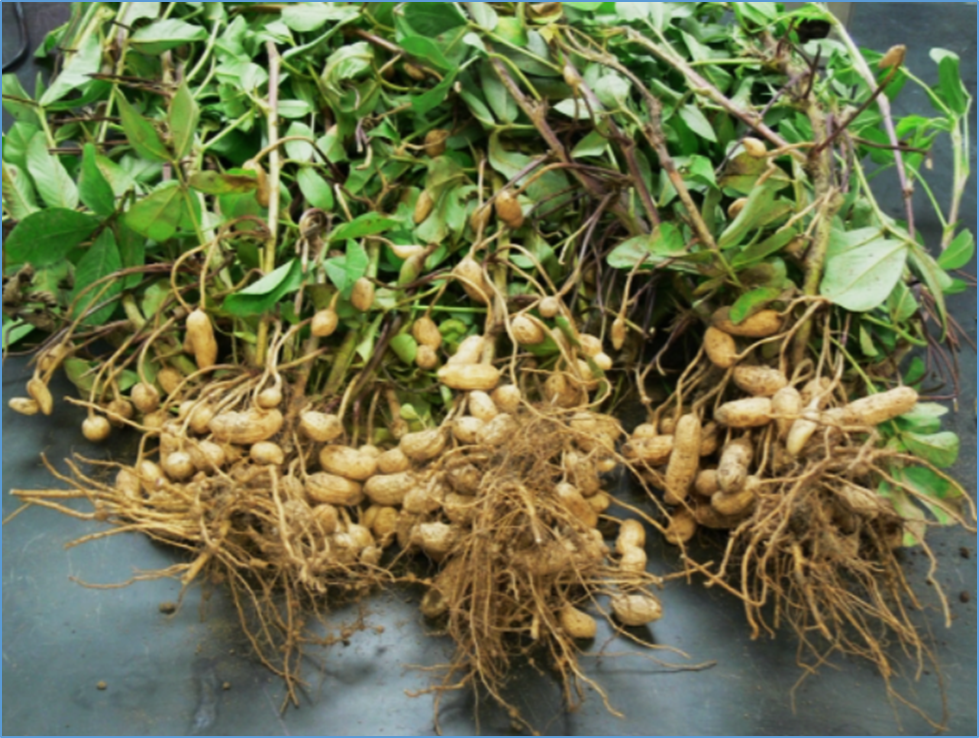
Thursday, 09/04/2026 | 08:11:59
Photosynthetic pigments are indispensable for light absorption and electron transfer in photosynthesis, which directly impacts crop productivity. However, the genetic basis of photosynthetic pigment content in peanuts (Arachis hypogaea L.) at the seedling and flowering stages remains poorly understood. In this study, an association panel of 241 peanut accessions was assayed to identify genes related to four photosynthetic pigment contents, namely, chlorophyll a (Chl a), chlorophyll b (Chl b), total chlorophyll (Chl a + b),
Scientists Develop Ultra-Low Asparagine Wheat Using Precision Breeding to Improve Food Safety
Thursday, 09/04/2026 | 08:10:51
Scientists at Rothamsted Research have developed a new gene-edited wheat with dramatically reduced asparagine levels, which in turn leads to lower acrylamide formation in food products. By using precision CRISPR technology to "knock out" specific genes responsible for producing the amino acid asparagine, the team achieved a reduction in asparagine levels of up to 50% compared to conventional varieties, without a significant loss in crop yield.
Will the Iran crisis lead to another round of food price spikes?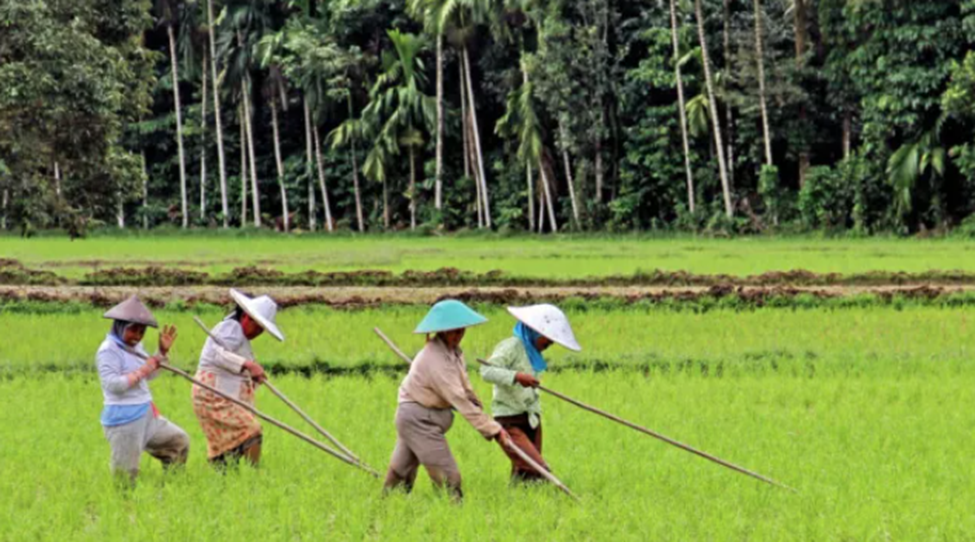
Thursday, 09/04/2026 | 08:09:31
Agricultural commodity prices have been under sustained downward pressure since 2013–14. The 2022 spike in the wake of COVID-19 disruptions and Russia’s invasion of Ukraine proved temporary rather than cyclical. Now, the Strait of Hormuz closure amid the Iran war has produced a sharp run-up in fertilizer prices, raising agricultural production costs. Yet thus far, global commodities markets have not spiked. More than a month into the crisis, urea prices are up roughly 40%, while wheat and maize prices have increased by about 6% and soybeans less than 3%). Rice prices have fallen over the period.
MeNADP-ME3 Confers Salt and Drought Tolerance in Arabidopsis and Drives Functional Diversification of the NADP-ME Family in Cassava
Wednesday, 08/04/2026 | 08:35:38
As a typical C3-C4 intermediate plant, cassava (Manihot esculenta Crantz) exhibits high photosynthetic efficiency and low photorespiration. NADP-malic enzyme (NADP-ME) is a key enzyme in the C4 photosynthetic pathway that provides elevated CO2 concentrations for Rubisco. However, research on NADP-ME in C3-C4 intermediate species remains limited. In this study, we identified four NADP-ME genes in the cassava genome, with segmental duplication serving as the primary driving force for gene evolution.
Scientists in Germany Reveal How Soil Bacteria Break Down Toxic Chemicals in the Environment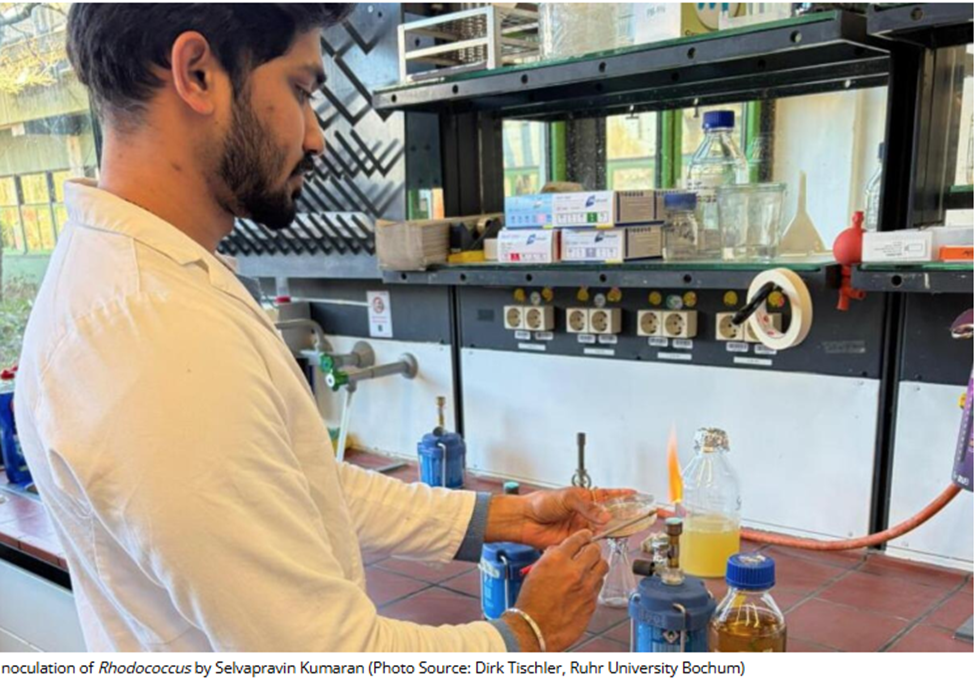
Wednesday, 08/04/2026 | 08:34:25
The team at Ruhr University Bochum, led by Professor Dirk Tischler, revealed how soil bacteria can help clean up toxic chemicals that are harmful to the environment. The research team found that a large genome in the bacterium Rhodococcus opacus 1CP contains multiple enzymes capable of breaking down harmful aromatic compounds, such as phenols, cresols, and styrenes. The findings of the study were published in Applied and Environmental Microbiology.
Peru Releases Gene Editing Guidelines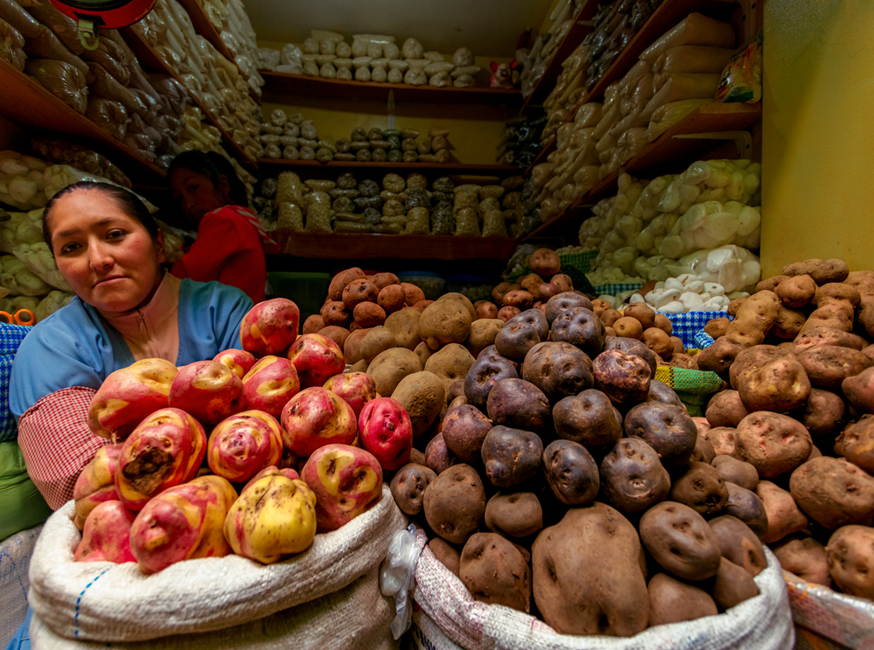
Wednesday, 08/04/2026 | 08:33:01
The Peruvian Ministry of the Environment has officially approved a new regulatory framework to evaluate organisms developed through advanced biotechnological tools like CRISPR. Enacted via Ministerial Resolution No. D000068-2026-MINAM-DM, these guidelines establish technical criteria to determine if a gene-edited organism should be classified as a Modified Living Organism (MVO). This case-by-case scientific approach allows authorities to distinguish between traditional transgenics and precise genetic alterations that do not introduce foreign DNA, providing much-needed clarity within the country's existing biosafety laws.