


News & Events
News & Events
Population genetics and phylogenomic insights into the origin of economically important black pepper (Piper nigrum)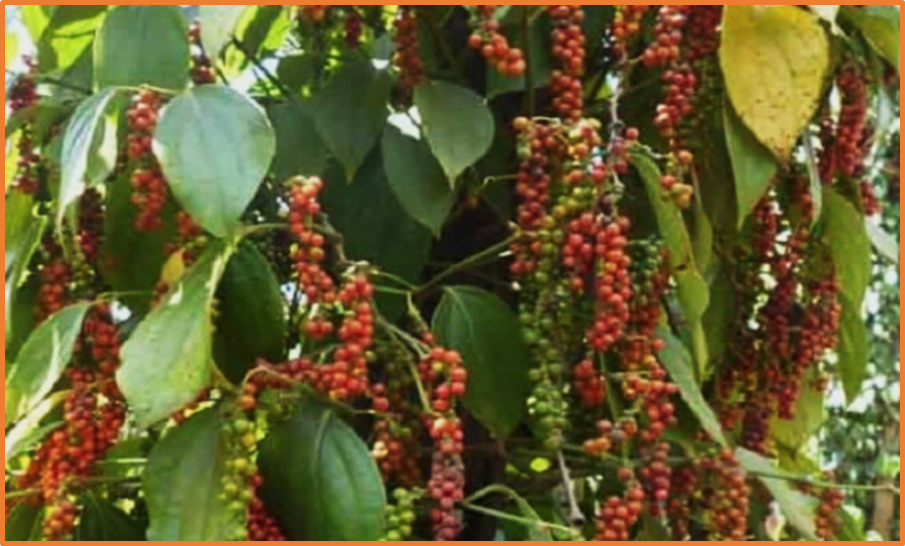
Wednesday, 15/04/2026 | 08:11:56
We analyzed high-quality data comprising single nucleotide polymorphisms (SNPs) using RAxML, a phylogenetic network approach, and coancestry analyses to examine phylogenetic relationships. We included two putative parental species of the hypothesized allotetraploid P. nigrum (P. galeatum and P. trichyostachyon) and a set of Sri Lankan endemic species. We also determined genome sizes of several species.
Seed Banks May Slow Gene Drives for Weed Control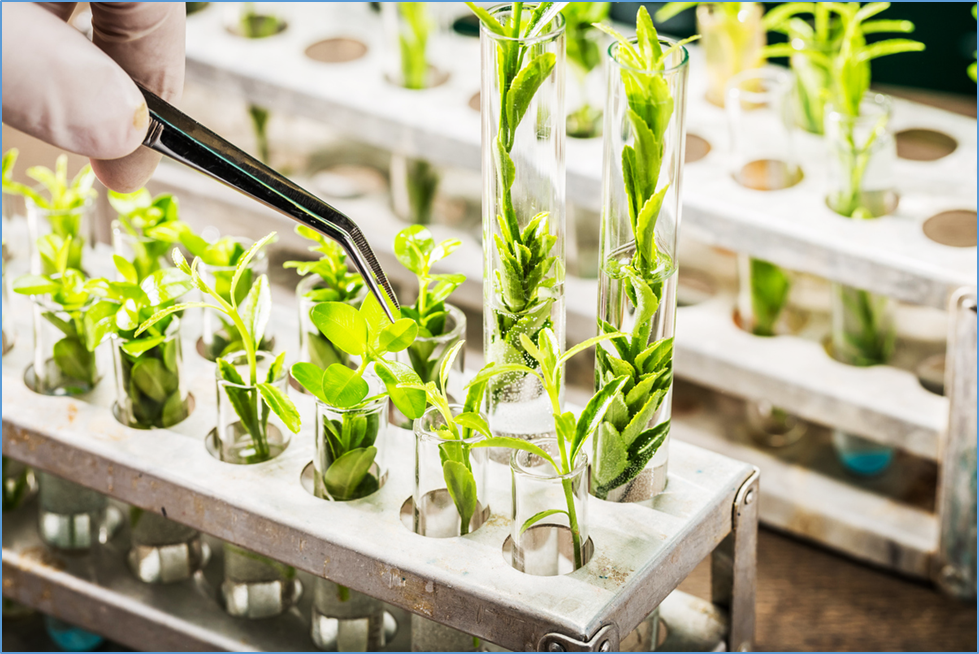
Wednesday, 15/04/2026 | 08:10:44
Led by Dr. Isabel Kim and Leqi Tian, researchers from Cornell University found that seed banks could significantly affect the success of gene drives designed to control weeds. In a new study published in Nature Plants, the research team modeled how gene drives would behave in plant populations and identified key challenges.
FAO rolls out new initiatives to include and promote entrepreneurial youth
Wednesday, 15/04/2026 | 08:09:51
The Food and Agriculture Organization of the United Nations (FAO) announced three initiatives to help enterprising youth in the field of One Health, and outlined the three pillars undergirding the integrated approach that aims to sustainably balance and optimize the health of people, animals and ecosystems.
Cloning and functional analysis of qCmr2.1, a novel gene for Cucumber mosaic virus resistance in Capsicum frutescens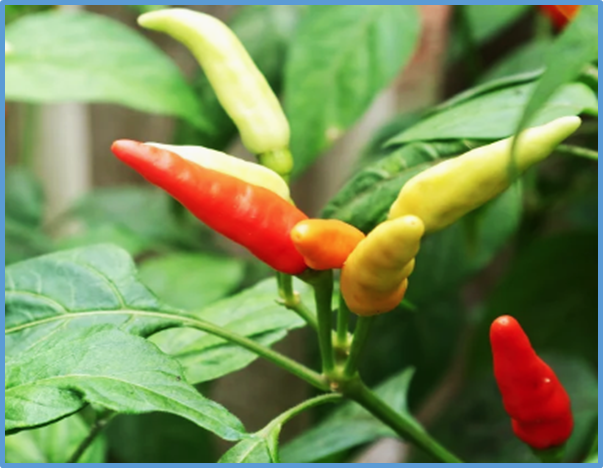
Tuesday, 14/04/2026 | 08:16:23
Cucumber mosaic virus (CMV) poses a significant threat to pepper production worldwide, underscoring the need for resistant cultivars. Although disease resistance genes can expedite breeding, no CMV resistance gene had been cloned from pepper, leaving its molecular mechanism unknown. Here, we cloned a novel resistance gene, designated qCmr2.1, from the resistant accession C. frutescens cv. PBC688. It encodes a 1244‑amino‑acid TIR‑NB‑LRR protein and shares high sequence homology with the N gene from Nicotiana tabacum and its orthologs.
Penn State Researchers Develop “Snowball” Cells for Large-Scale Tissue Engineering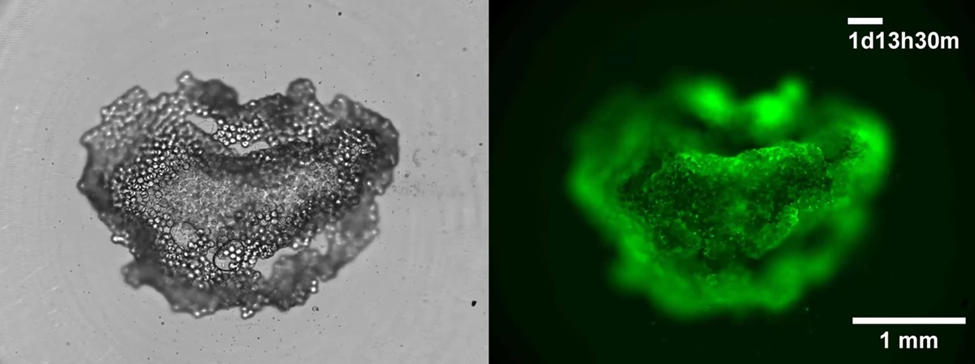
Tuesday, 14/04/2026 | 08:15:25
Researchers at Pennsylvania State University have developed a new assembly method to grow cell spheroids that could advance large-scale tissue engineering. The new technology, described in Advanced Science, introduces biohybrid spheroids that can rapidly self-assemble or “snowball” in size while maintaining cell survival.
Can Better Fish Processing Improve Diets Without Undermining Local Nutrition?
Tuesday, 14/04/2026 | 08:14:25
Anchovy, locally known as dagaa, sits at the heart of Zanzibar’s fisheries, diets and livelihoods. These small fish are rich in essential micronutrients and widely consumed across the archipelago, making them a vital source of affordable nutrition, particularly for low-income households. At the same time, dagaa is increasingly important for trade, supplying regional markets beyond Zanzibar and contributing to regional food systems and economic growth.
A haplotype-layered GWAS identifies a multi-trait grain mold resistance hub on sorghum chromosome 5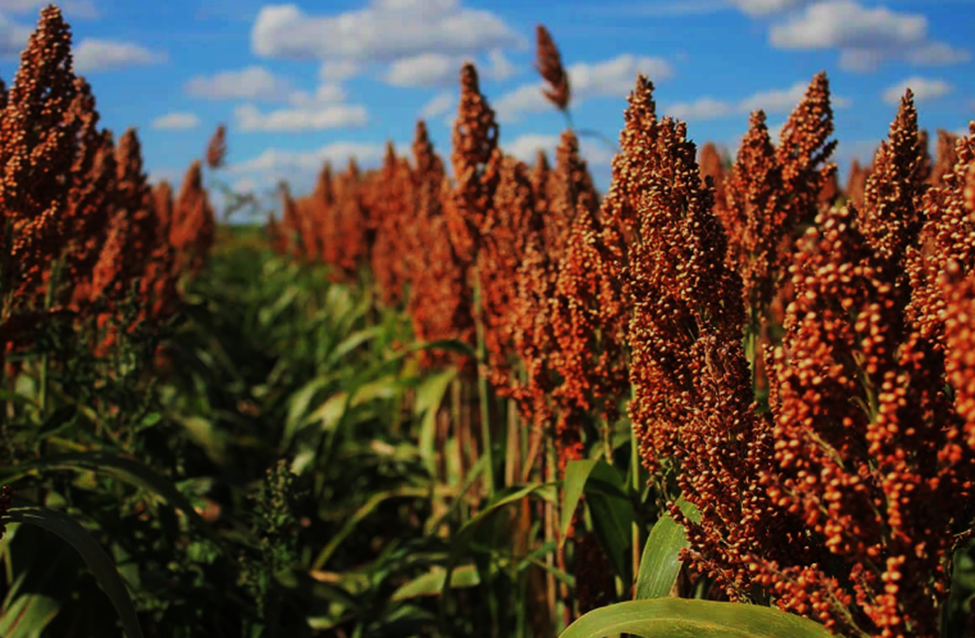
Monday, 13/04/2026 | 08:07:48
Sorghum grain mold is a devastating fungal complex whose genetic dissection is frequently hindered by polygenic architecture and inconsistent marker signals. To resolve this complexity, we developed a unified GWAS framework that integrates standard single-nucleotide polymorphisms (SNPs) with a local haplotype-window marker layer (“Haplo-kmer;” k-SNP windows encoded from the GBS SNP matrix, not read-derived k-mer counts), prioritizing genomic intervals where evidence converges across multiple traits and methods.
New Software Tool Helps Scientists Design and Analyze Gene Regulation
Monday, 13/04/2026 | 08:06:58
A research team led by Prof. Stein Aerts from VIB (Vlaams Instituut voor Biotechnologie) and KU Leuven (Katholieke Universiteit Leuven) has developed a new software tool that makes it easier to study how genes are switched on and off in different cell types. The tool, called CREsted, aims to simplify the analysis and design of gene regulatory elements, known as enhancers, which control when and where genes are active.
ICRISAT Celebrates its Foundation Day, Marking 55 Years of Science-Driven Impact
Monday, 13/04/2026 | 08:05:52
With its mission to end poverty, hunger, and environmental degradation in the dryland tropics, ICRISAT marked 55 years of science-driven impact across Asia and Africa at its headquarters in Patancheru on 27 March 2026. With colleagues from Africa joining virtually, the event brought together distinguished dignitaries, scientists, partners, and staff to reflect on its legacy and reaffirm its commitment to advancing climate-resilient, farmer-centered solutions.
CasY7: An optimized Cas12i system for enhanced genome editing in monocot crops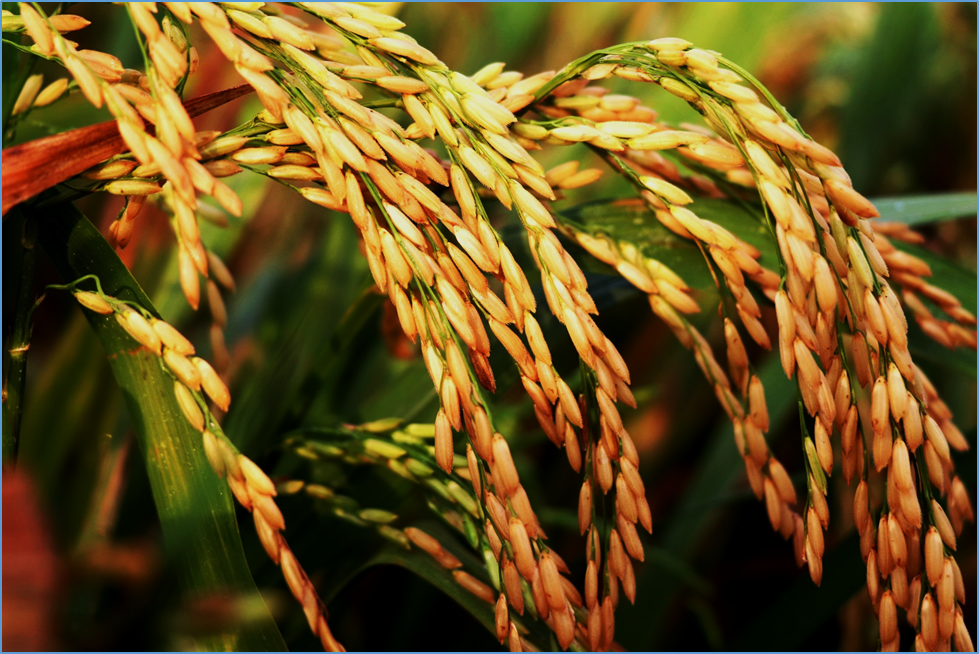
Saturday, 11/04/2026 | 07:33:19
The CRISPR–Cas12 family nucleases, particularly the Cas12i subtypes, are considered promising alternatives to Cas9 for genome editing in plants. We previously developed a new Cas12i variant, CasY7, which has been successfully applied in clinical trials; its performance in plants remains to be investigated. Initial testing in stable transgenic maize and rice showed that the codon-optimized CasY7 (pCasY7e1) achieved average editing efficiencies of 58.7% and 62.3% across five target sites
Biotech Updates: Corporate Subscriptions Now Available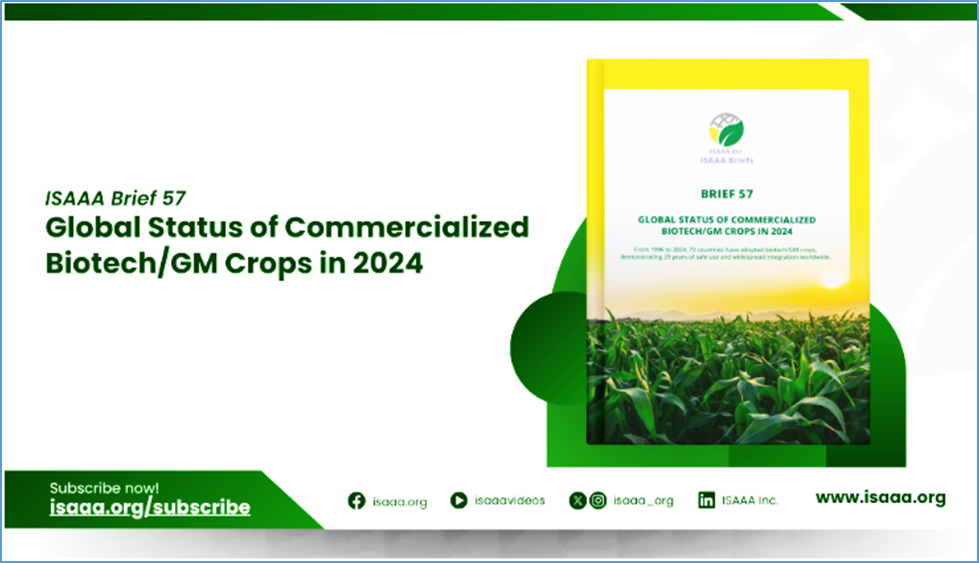
Saturday, 11/04/2026 | 07:31:58
In an industry defined by rapid innovation and complex regulatory landscapes, data is not just information—it is strategic leverage. The newly released ISAAA Brief 57: Global Status of Commercialized Biotech/GM Crops in 2024 provides the definitive roadmap of the global agri-biotech sector. Backed by 29 years of longitudinal data, this report is the industry standard for organizations that need to anticipate market shifts and regulatory trends.
FAO Director-General calls for accelerated action on One Health agenda
Saturday, 11/04/2026 | 07:30:56
The Director‑General of the Food and Agriculture Organization of the United Nations (FAO), QU Dongyu called for accelerated action to advance the One Health agenda, warning that persistent capacity gaps and insufficient sustainable financing continue to undermine progress.Qu delivered opening remarks at the fourth executive meeting of the Quadripartite - an agreement between FAO, the United Nations Environment Programme (UNEP)