


Dynamic water relations and alternative splicing in common bean under progressive soil drought and recovery
Xubo Ke, Xinyue Gu, Jia Yao, Zhihan Jiang, Arun Kumar Pandey, Min Xu & Pei Xu
Theoretical and Applied Genetics; March 14 2026; vol. 139; article 97
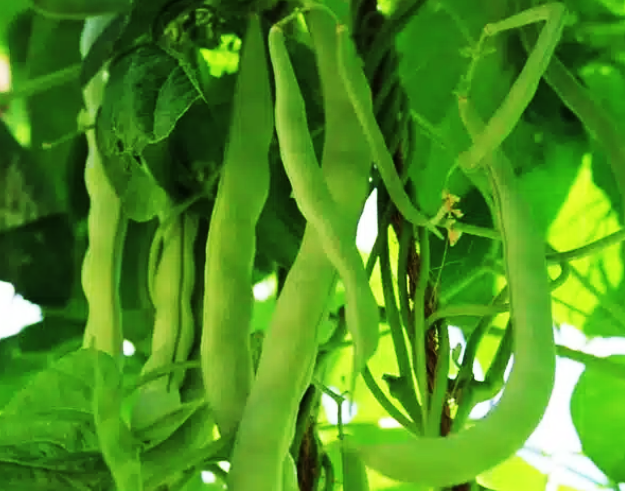
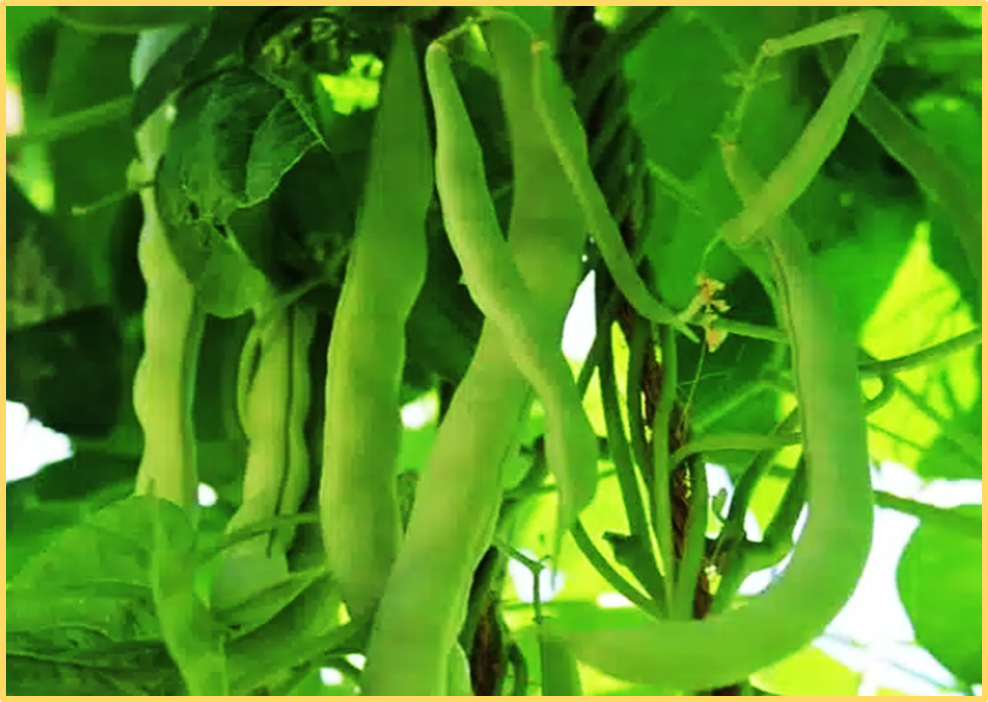
Common bean - Phaseolus vulgaris
Key message
Drought stress induces widespread alternative splicing in common bean, predominantly through intron retention, uncovering numerous responsive genes and laying the foundation for deciphering molecular networks and breeding for drought resilience.
Abstract
Alternative splicing (AS), a post-transcriptional regulatory mechanism, plays a pivotal role in regulating plant stress tolerance by diversifying transcriptomes and the resultant proteomes. Despite its well-documented role in model species, the dynamics of drought-induced AS and their functional relevance in common bean (Phaseolus vulgaris L.), a globally vital legume crop, remain largely unexplored. To address this knowledge gap, we employed an integrated approach combining advanced physiological phenotyping, high-resolution PacBio Isoform Sequencing (Iso-seq), and Illumina RNA-Seq to systematically characterize water relations and AS landscapes in common bean leaves under progressive soil drought (light, moderate, severe) and subsequent recovery. Our analysis demonstrated that, across all conditions, intron retention (IR) emerges as the predominant AS type, accounting for ~ 90% of all events, followed by alternative 3’ splice sites (A3SS), alternative 5’ splice sites (A5SS), and exon skipping (ES). We uncovered 312, 601, and 492 differentially alternative spliced genes (DAGs) responsive to light, moderate, and severe drought stress, respectively. This study not only provides a global landscape of AS regulation in drought-stressed common bean but establishes a foundation for deciphering AS-mediated molecular networks underlying drought adaptation. The integrated dataset serves as a valuable resource for future genomic annotation and precision breeding strategies aimed at enhancing drought resilience in legumes.
See: https://link.springer.com/article/10.1007/s00122-026-05208-7
Views: 94