


A 6-bp deletion in the R2R3-MYB domain of the SmFAP1 gene disrupts DNA-binding capacity and leads to anthocyanin deficiency in eggplant peels
Wenqian Hou, Hengya Wang, Weiwei Zhao, Xinru Jia, Jiaqi Zhang, Jiajia Yang, Cailing Bian, Yangshuo Huang, Tao Xu & Lei Zhang
Theoretical and Applied Genetics; January 19 2026; vol. 139; article 39
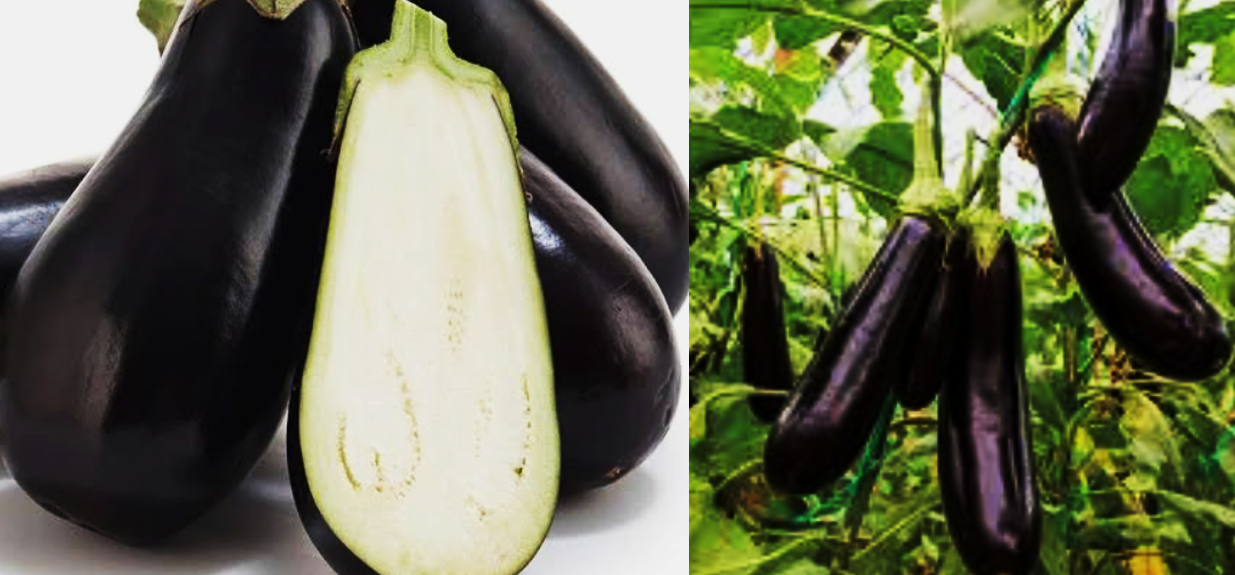
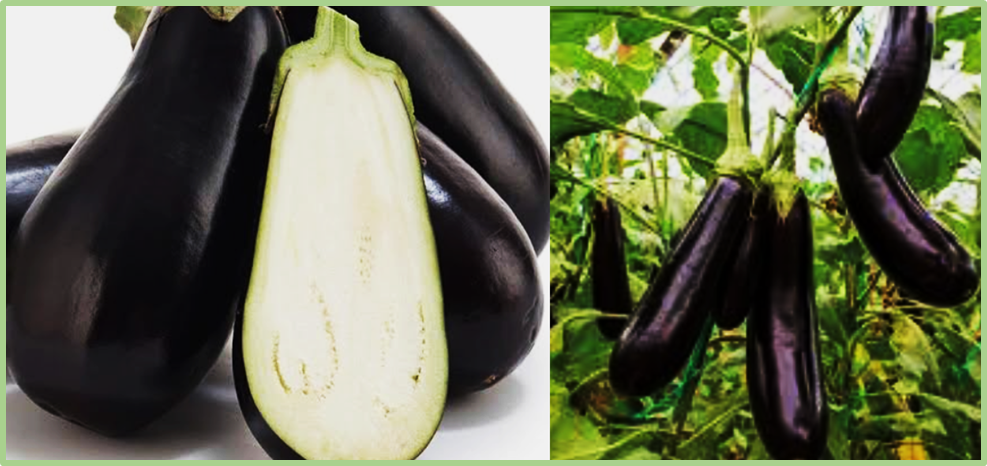
Figure: Eggplant or brinjal (Solanum melongena)
Key message
Anthocyanin deficiency in eggplant peel results from natural variation at the SmFAP1 locus, involving a 6-bp deletion that disrupts DNA binding and a second loss-of-function allele, which enables marker-assisted selection.
Abstract
Anthocyanins, the pigments responsible for purple coloration in eggplant peels, significantly influence consumer preference and market value. However, the genetic basis of natural variation in this trait, particularly the functional impact of allelic mutations, remained poorly characterized. In this study, we found that anthocyanin presence is controlled by a single dominant gene, which co-localized with a known QTL FAP10.1. Using BSR-seq and linkage mapping, we identified SmFAP1, encoding an R2R3-MYB transcription factor, as the causal gene in this locus. Sequence analysis of the non-functional allele, Smfap1-1, from a green-peel parent revealed a 6-bp in-frame deletion that removes two amino acids (R44 and A45) from the R2R3-MYB domain. Functional validation through transient expression in Nicotiana benthamiana and stable transformation in tomato showed that SmFAP1 activates anthocyanin biosynthesis genes and promotes anthocyanin accumulation, while Smfap1-1 fails to do so. Further molecular assays confirmed that this loss-of-function is caused by the disruption of the protein's capacity to bind the promoters of key anthocyanin structural genes. A co-dominant CAPS marker targeting this 6-bp InDel shows a significant association with peel color variation across 238 eggplant germplasms, confirming its contribution to natural variation. Furthermore, an additional loss-of-function allele, Smfap1-2, was identified in other non-purple accessions lacking this deletion, carrying both a 26-bp deletion that disrupts splicing and a frameshift insertion leading to a premature stop codon. Our findings offer valuable insights into the genetic basis of peel color variation and provide a practical tool for marker-assisted breeding to enhance fruit quality and nutritional traits.
See https://link.springer.com/article/10.1007/s00122-026-05149-1
Views: 147