


News & Events
News & Events
How AfricaRice transforms shared tools into impact for rice breeding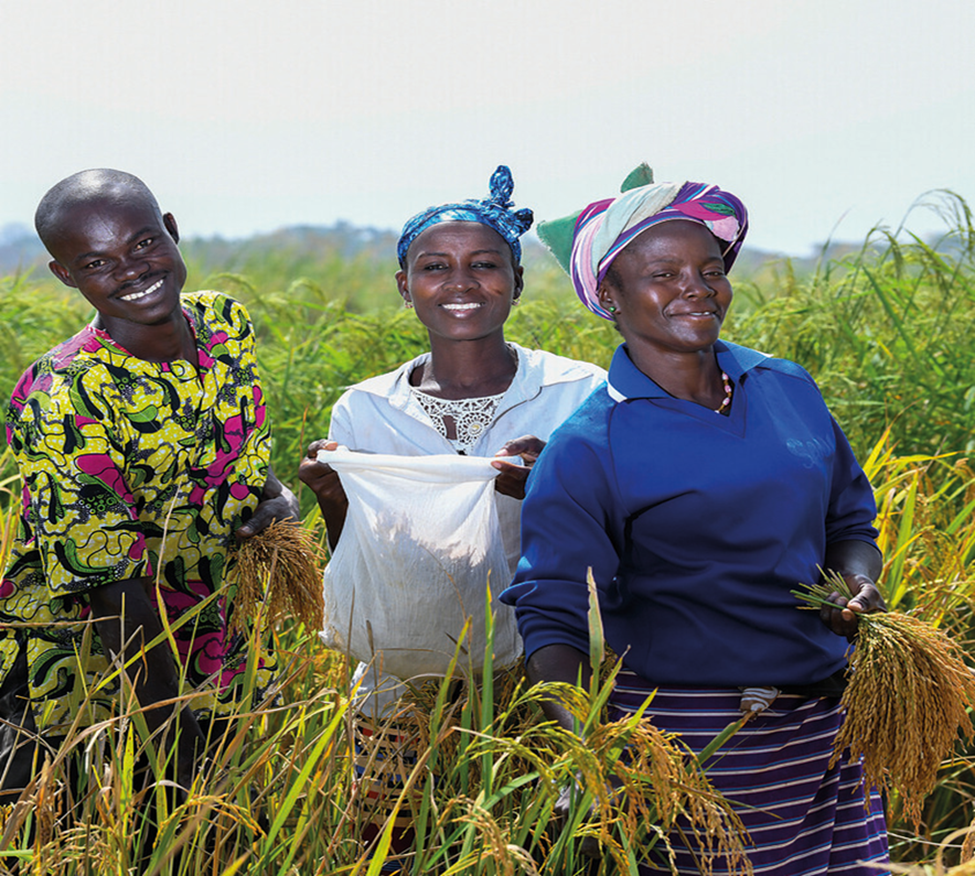
Friday, 05/09/2025 | 15:53:48
In the face of urgent challenges threatening global food security — from climate change to new diseases and other adaptation pressures — we need to breed rice for Africa faster than ever. We must predict how varieties will perform earlier, and we now have tools that let us do exactly that — enabling us to “tap into the future” before it arrives.
This is both our challenge and our opportunity as part of the CGIAR – National Agricultural Research and Extension Systems (NARES) network: how do we access and deploy modern breeding tools, data, and services to transform breeding in West and Central Africa?From ambition to actionFew weeks ago, at AfricaRice headquarters, we welcomed the Governor of Niger State, Nigeria — one of the country’s largest rice producers. Together, we signed an agreement to increase rice production by 10 million tons over the next five years.Such ambition requires high-performing, consumer-preferred rice varieties. And Niger is just one state — others like Jigawa, Kwara, and Kebbi share equally bold goals. In this context, West and Central Africa breeders must be ready to deliver varieties that can be scaled quickly across vast areas.
Genome-wide identification of the SAM-dependent methyltransferase members and functional analysis of GmSAMMt30 in soybean (Glycine max) under salt-alkali stress
Friday, 05/09/2025 | 15:54:05
Saline-alkali soil poses a severe threat to the cultivation and yield of soybean, which is an important oilseed and staple crop. As a key metabolic intermediate, S-adenosyl-l-methionine (SAM) and its associated methyltransferases (SAMMTs) play crucial but poorly understood roles in plant stress responses. This study investigated the expression of SAM-depend methyltransferase (SAMMt) family in soybean. A total of 69 identified GmSAMMt members were divided into 13 subfamilies with similar gene structures by phylogenetic analysis. The GmSAMMt members contained cis-acting elements involved in abiotic stress responses, hormone regulation, and plant growth and development. A tissue-specific expression analysis identified 43 GmSAMMt members with high levels of expression. Haplotype analysis and quantitative real-time PCR (qRT-PCR) screening identified GmSAMMt30 as the most promising candidate gene responsive to saline-alkali stress.
Sunlight-Recharged Glow-in-the-dark Succulents New Way to Plant-based Lighting Systems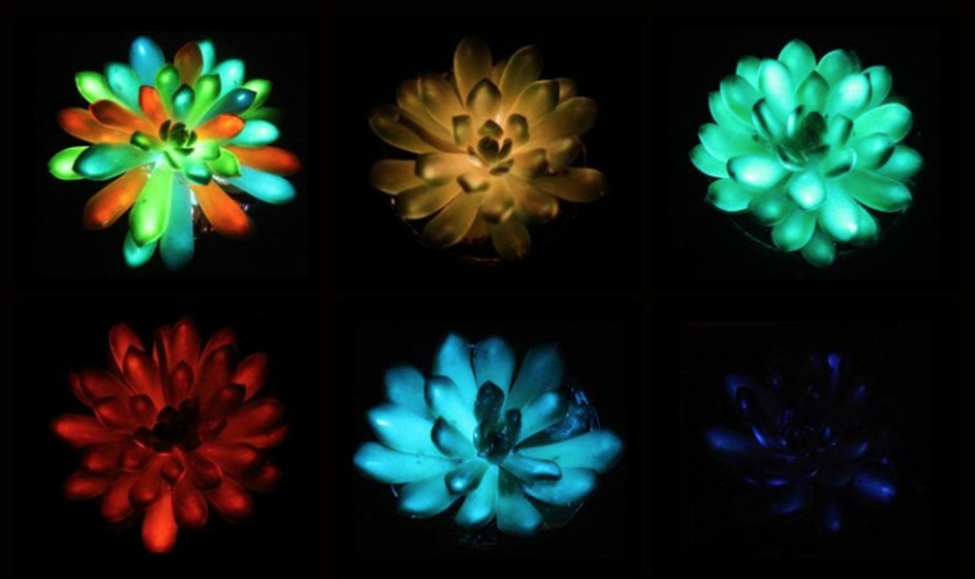
Friday, 05/09/2025 | 15:54:47
In a new study published in the journal Matter, researchers in China have developed a novel way to create glow-in-the-dark plants. Unlike previous methods that relied on genetic engineering, the research team injected succulents with special phosphor particles similar to those used in glow-in-the-dark toys. These materials absorb and store light, then re-emit it as a soft, continuous glow for up to two hours.
The team, led by materials scientist Xuejie Zhang from the South China Agricultural University in Guangzhou, found that succulents with their fleshy, dense leaves were ideal for this process, resulting in a strong and uniform glow. They used the succulent Echevaria 'Mebina', a common houseplant that grows rosettes of dense and fleshy leaves. The technology is also versatile, allowing for a wide range of colors, including blue-green, red, and white.
High Seed Costs and Consumer Resistance Impede GM Maize Adoption in Ghana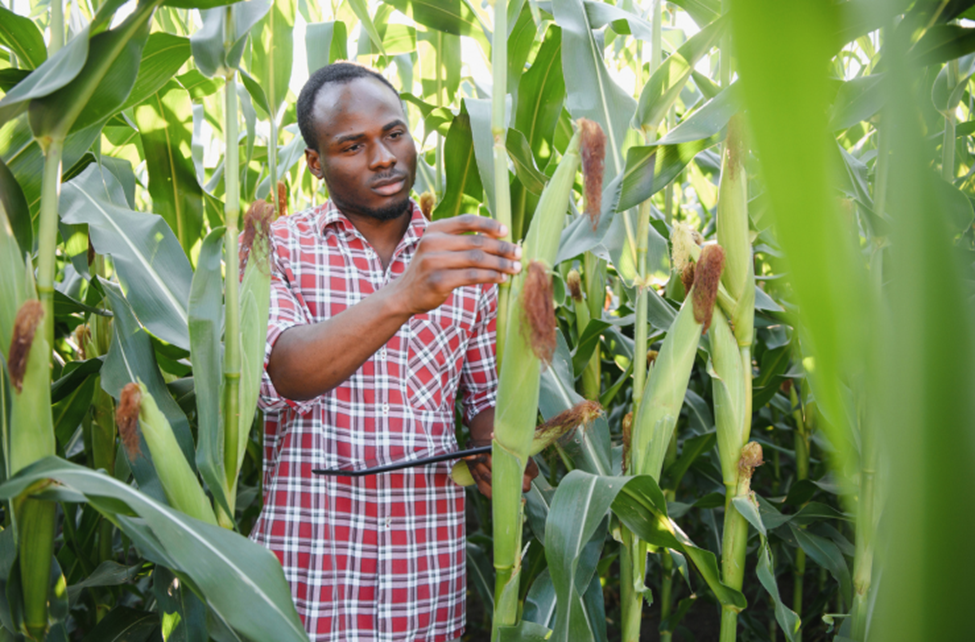
Friday, 05/09/2025 | 15:55:03
A new study of 550 maize farmers across five regions in Ghana found that while the majority are aware of genetically modified (GM) maize, fewer are willing to plant it due to concerns over costs, consumer acceptance, and crop performance. The study, conducted by experts from the University of Ghana, emphasizes the need for greater awareness campaigns, supportive policies, and stronger extension services.
The study revealed that 79% of farmers know about GM maize, mostly through radio, television, and extension officers, and 60% expressed willingness to adopt it. Willingness was influenced by factors such as age, education, farm size, and years of farming experience, with younger and larger-scale farmers being more open to using GM seeds. According to the researchers, farmers are more willing to plant GM maize when they understand its benefits.
The regulatory role of ZmSTOMAGEN1/2 in maize stomatal development is elucidated via gene editing and metabolic profiling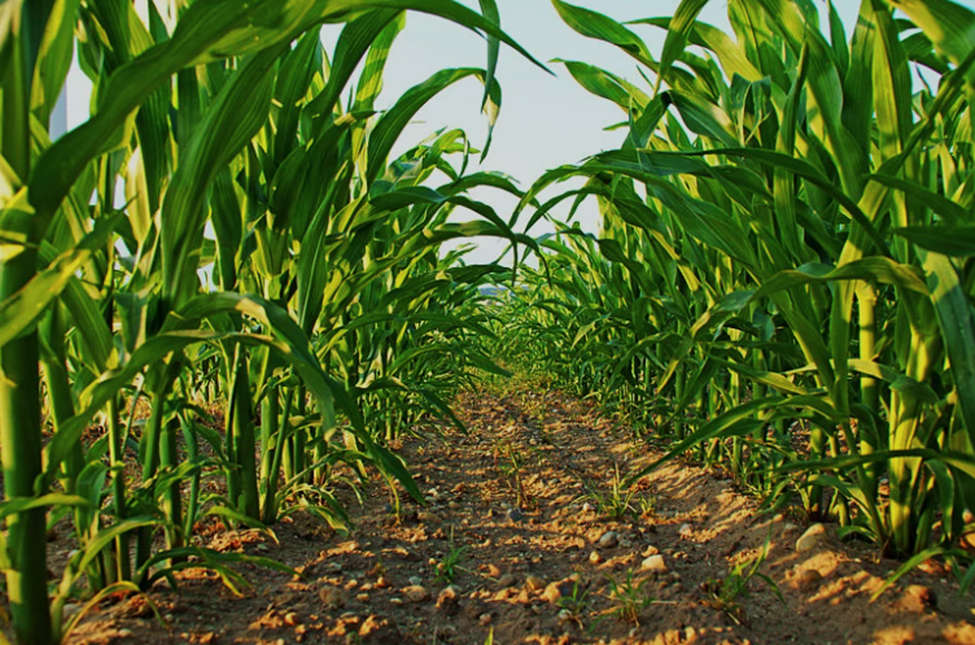
Friday, 05/09/2025 | 15:52:19
Stomatal development is mediated by EPIDERMAL PATTERNING FACTORs (EPFs), a family of secreted peptides including STOMAGEN/EPFL9 in Arabidopsis. To clarify the functional role of STOMAGEN orthologues in maize (Zea mays), we generated a double knockout mutant of ZmSTOMAGEN1 and ZmSTOMAGEN2 using CRISPR/Cas9 system. Comprehensive phenotypic analysis revealed that the zmstomagen1/2 mutant exhibited severe stomatal development defects, including complete absence of stomata between epidermal cells in stomatal lineage files and abnormal stomatal complexes with small lobed cells. These aberrant cells likely arose from failed asymmetric divisions of guard mother cells, ultimately preventing the formation of functional stomatal complexes. A double knockout of ZmSTOMAGEN1/2 reduced the expression of SPEECHLESS1 (SPCH1), MUTE, SCREAM2 (SCRM2), and STOMATAL DENSITY AND DISTRIBUTION1 (SDD1), impairing stomatal initiation and cell fate transition in early stomatal lineage cells. The mutant displayed a lower stomatal density and index, leading to reduced net photosynthetic rate, transpiration rate, and stomatal conductance but increased water-use efficiency (WUE).
Gene Editing Helps Identify Genetic Module Regulating Soybean Seed Traits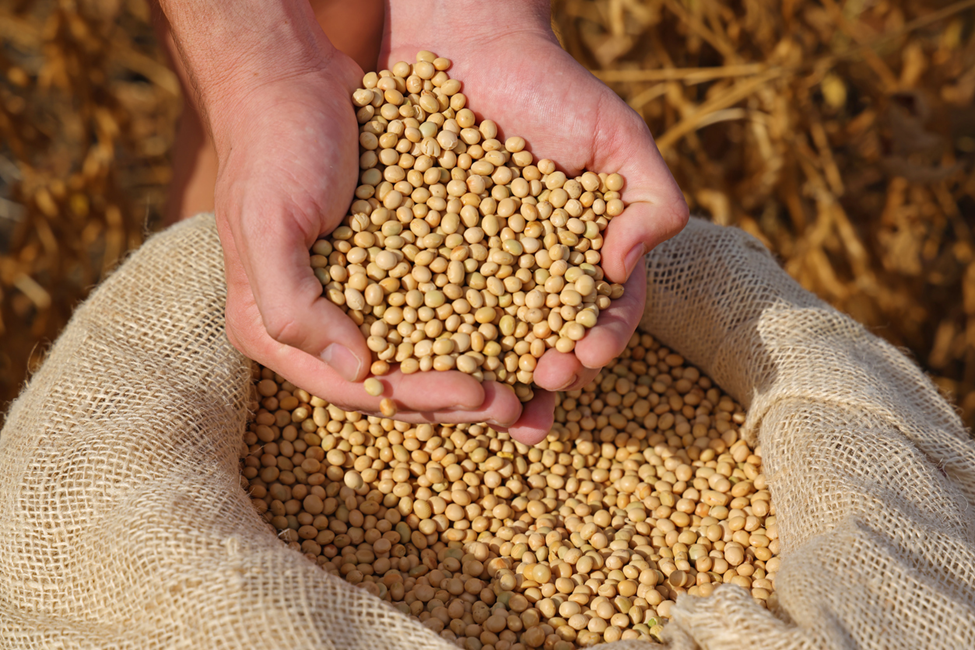
Friday, 05/09/2025 | 15:51:08
Soybeans are a vital global crop used in everything from human food to industrial products. Improving soybean yield is crucial for global food security, but the genetic mechanisms that control key seed traits are still not fully understood.
A study by a research team at the Institute of Genetics and Developmental Biology, Chinese Academy of Sciences, investigated the role of the gene miR172a in soybean development. The researchers found that overexpression of this gene in soybeans led to a significant decrease in seed size and weight. The 100-grain weight of the modified soybeans dropped from 17.01 grams in the control group to a range of 6.02 to 9.23 grams. The protein content increased, indicating that miR172a plays a key role in regulating soybean seed phenotype and fatty acid and protein accumulation.
CRISPR Reveals Key to Development of Purple Rice
Friday, 05/09/2025 | 15:50:42
Yunnan Agricultural University researchers and partners elucidated how rice plants control the production of anthocyanins, the purple and red pigments that offer nutritional benefits. Their study, published in Plant Science, was focused on a group of proteins known as R2R3-MYB transcription factors (TFs) and identified the OsMYB1 gene as the key player in this process.
The researchers initially identified 105 R2R3-MYB TFs in the rice genome. They then performed a detailed analysis of their relationships and structures. By combining this information with gene expression data, they found that OsMYB1 binds with biosynthesis genes OsDFR and OsANS, repressing their expression. Using CRISPR-Cas9, the researchers knocked out OsMYB1
Biochar in the circular bionutrient economy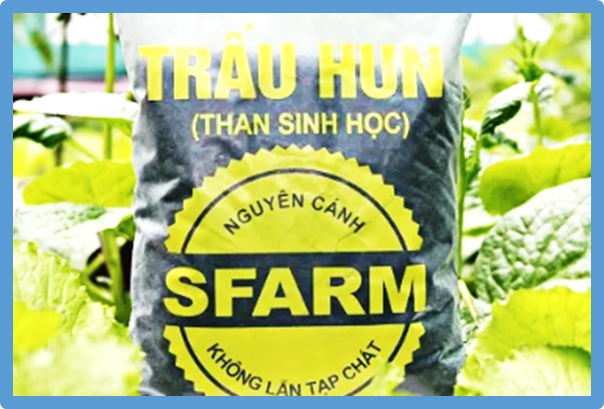
Friday, 05/09/2025 | 15:55:39
The circular bionutrient economy is defined here as the circular economy of nutrients in managed organic residues. Here, we posit that biochar technology can stimulate the circular bionutrient economy by meeting the following three requirements: 1) nutrients are captured in a dry form, increasing market value and lowering transportation cost; 2) individual nutrients can be captured separately and combined as needed for particular plants and soils; 3) all pathogens and most pollutants can be removed with the notable exception of heavy metals. Pyrolysis and associated moisture removal enabled by the energy released during pyrolysis decreases weight of solid excreta by 85 to 90% and volume by 74 to 90%. This will lower storage and transport costs allowing redistribution of nutrients from production to processing and consumption of food. Incorporating liquid organic residues into nutrient recovery processes is crucial to the circular bionutrient economy.
Engineered Yeast Produces More Succinic Acid
Friday, 05/09/2025 | 15:55:57
Researchers from the University of Illinois Urbana-Champaign and Princeton University have made a breakthrough in producing succinic acid, a valuable industrial chemical, using engineered yeast. By re-engineering the metabolism of the yeast Issatchenkia orientalis, the team achieved a significant increase in production yield, bringing the process closer to large-scale commercial use.
The study, published in Nature Communications, used a strategy called “decompartmentalization” to increase the availability of NADH, a coenzyme critical for energy transfer within cells. The researchers moved the energy-producing systems from the mitochondria into the cytosol to make the yeast produce more succinic acid efficiently. “These advances bring us closer to greener manufacturing processes that benefit both the environment and the economy,” said Vinh Tran, primary author of the study.
Mainstreaming nutrition in CGIAR breeding: X-ray Fluorescence (XRF) services ready to scale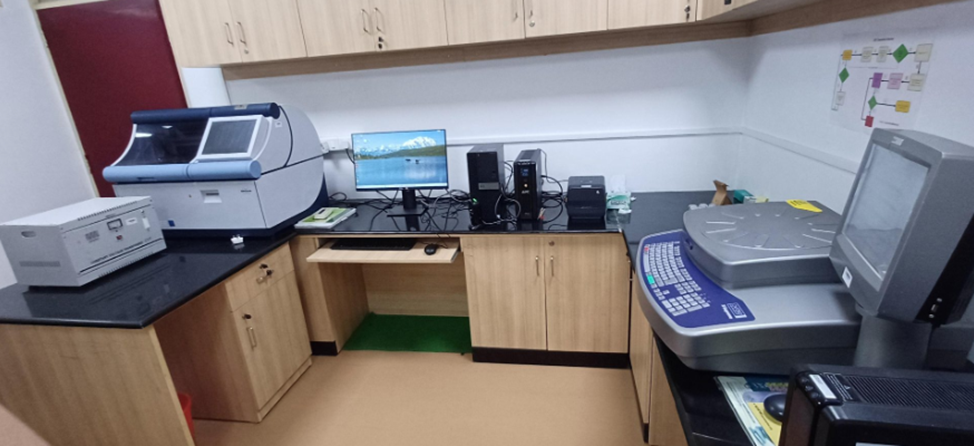
Friday, 05/09/2025 | 15:56:21
Reducing global undernutrition remains one of CGIAR’s most pressing opportunities for impact. For two decades, HarvestPlus has led investments in breeding crops enriched with zinc, iron, and provitamin A, ensuring that nutrition traits reach millions of farming households. Today, as CGIAR redefines its strategic priorities, nutrition is no longer a niche add-on – It is moving to the core of breeding programs particularly in target CGIAR regions that have higher malnutrition prevalences. And with it, nutritional analysis has become central too, now accessible to breeders worldwide through Breeding Resources.
Identification and utilization of a novel large-effect QTL and linked markers for enhancing protein concentration in peanut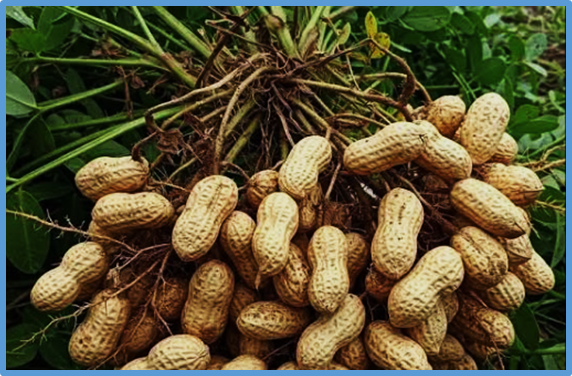
Friday, 05/09/2025 | 15:56:43
Peanut is a vital source of protein for humans, playing a key role in maintaining a steady protein supply. In this study, the high-protein cultivar Zhonghua6 (29.14 ± 1.69%) was crossed with Xuhua13 (24.55 ± 1.84%) to construct a recombinant inbred line (RIL) population. The protein concentration of the RIL population exhibited significant variation, ranging from 21.05 to 30.28%. To discover genomic regions associated with protein concentration, four libraries were constructed (two parents and two extreme bulks) for bulked segregant sequencing (BSA-seq). The results revealed significant associations between protein concentration and the genomic regions on chromosomes A07, A10, B03, and B10. Through linkage analysis, nine QTLs (quantitative trait loci) for protein concentration were identified, among which the large-effect and stable QTL qPCB03 on chromosome B03 (125.92–127.94 Mb) explained 11.03–12.86% of the phenotypic variation.
EFSA GMO Panel Releases Scientific Assessment of GM Maize T25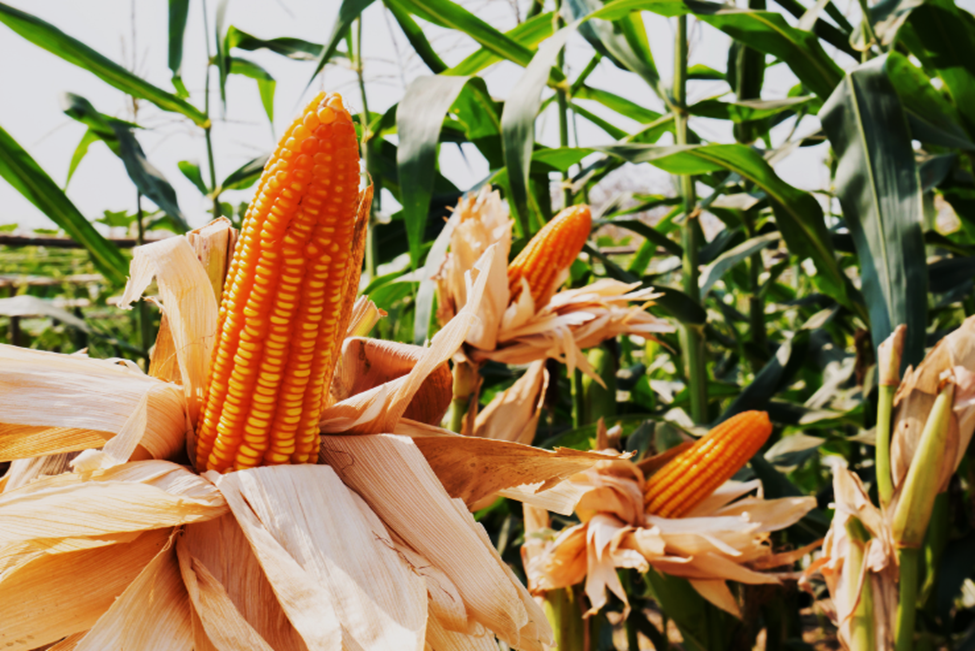
Friday, 05/09/2025 | 15:57:07
The European Food Safety Authority (EFSA) GMO Panel has released its Scientific Opinion for the renewal of authorization application for the herbicide tolerant genetically modified maize T25 for food and feed uses, excluding cultivation within the European Union.
Following the submission of dossier GMFF-2024-22651 under Regulation (EC) No 1829/2003 from BASF Agricultural Solutions Seed US LLC, the GMO Panel assessed the data submitted for the renewal application, including post-market environmental monitoring reports, an evaluation of the literature retrieved by a scoping review, a search for additional studies performed by or on behalf of the applicant and updated bioinformatics analyses.