


News & Events
News & Events
Rothamsted Research Scientists Identify Key Wheat Genes that Control Plant Height and Grain Size
Sunday, 12/10/2025 | 05:58:01
In a significant breakthrough for global food security, scientists at Rothamsted Research have identified a key family of genes in wheat that precisely controls both plant height and grain size. The findings provide plant breeders with a powerful new tool to develop higher-yielding crops, thereby helping to meet the rising global food demands.
The study investigated genes that regulate the production of the plant hormone gibberellin, which are essential for plant growth and development. This work on the gibberellin pathway represents a crucial step toward developing wheat varieties that are optimized for both robust growth and maximum harvestable yield.
GmAP2 enhances plant tolerance to aluminum toxicity and phosphorus deficiency in Arabidopsis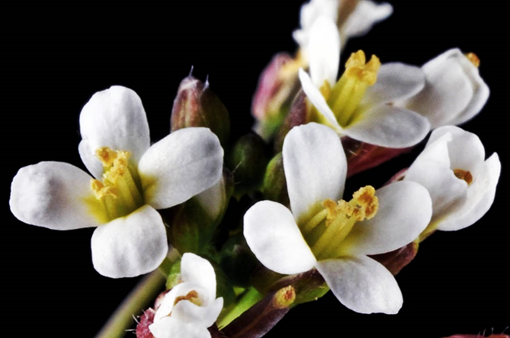
Friday, 10/10/2025 | 14:50:14
Ethylene response factors (ERFs) represent one of the largest transcription factor families in plants and are involved in regulating biotic and abiotic stresses, as well as growth and development in higher plants. In this study, the soybean GmAP2 gene, encoding the AP2/ERF transcription factor, is a downstream gene of GsMYB7, which enhances soybean tolerance to aluminum toxicity under acidic conditions, referred to as acid-aluminum stress. The expression pattern of GmAP2, which is constitutive and rich in roots, was upregulated under acid-aluminum and low-phosphorus stress.
Study Explores How GM Labeling Affects Purchasing Intentions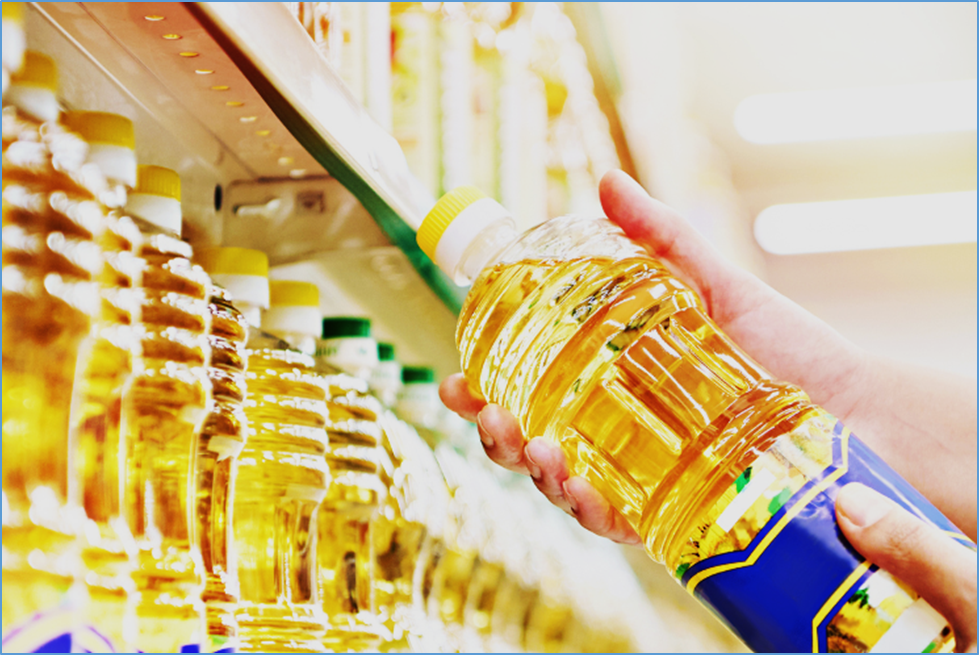
Friday, 10/10/2025 | 14:48:54
A study conducted in China found that genetically modified (GM) labeling significantly influences consumer purchase intentions using data from 800 participants across two product contexts, edible soybean oil and non-edible cotton. The research investigated how consumers interpret GM and non-GM labels, revealing that self-assessed knowledge and perceived risk play a significant role in shaping their behavior.
Cornell Students Develop Color-changing Tomato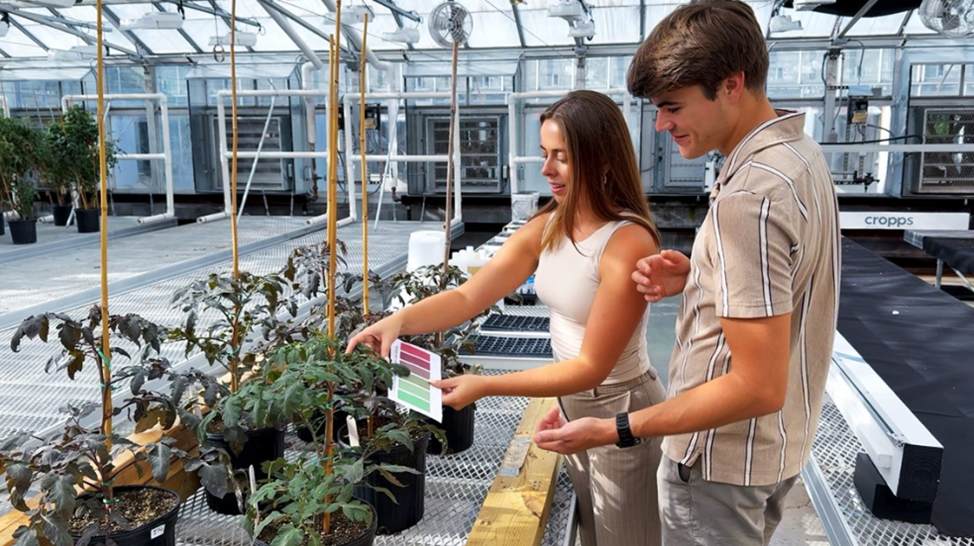
Friday, 10/10/2025 | 14:47:48
Doctoral students Jacob Belding and Ava Forystek of Cornell University successfully developed genetically engineered tomato plants that turn vivid red when the soil nitrogen levels are low. Known as RedAlert Living Sensors, the modified plants are expected to help gardeners, farmers, and hydroponic growers become informed if their tomato plants need more nitrogen to grow.
Growers find out about their plant's nitrogen deficiency when the leaves wilt and turn yellow. However, this is considered late detection as the plants are already low in nutrients.
Genetic, phenotypic, and environmental drivers of local adaptation and climate change–induced maladaptation in a migratory songbird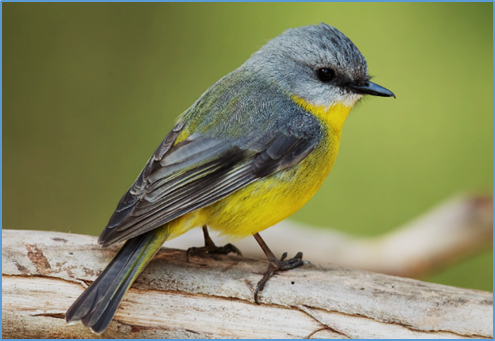
Friday, 10/10/2025 | 08:17:56
Understanding processes driving local adaptation in wild species is a key goal in evolutionary biology, but linking genotype to phenotype to environmental drivers of natural selection remains challenging. Even more rare are empirical examples of what happens when genotype and phenotype fail to keep pace with environmental change. Here, we explore these connections by conducting an integrative study on the breeding range of the yellow warbler (Setophaga petechia). Using genome-wide association studies (GWAS), we first identify loci associated with variation in bill morphology and individual quality. We then employ gene–environment association (GEA) analyses and find that precipitation is a key environmental driver of putative selection on bill shape.
University of Warwick Develops Strategies to Boost Protein Production from Engineered Cells
Friday, 10/10/2025 | 08:16:50
Scientists at the University of Warwick have developed a new strategy to engineer “cell factories” that can sustainably produce more chemicals without relying on antibiotics or costly engineering methods. The breakthrough, published in Nature Communications, could boost biotechnology applications in healthcare, industry, and the environment.
The research team used advanced computer simulations to test dozens of genetic engineering strategies to identify a new solution to optimize cell factories. Dr. Alexander Darlington, Assistant Professor at the University of Warwick, said the most effective approach is the combination of two self-adjusting feedback systems, which are sensitive to production and sensitive to growth rate
Global exhibition “From Seeds to Foods” kicks off FAO’s 80th Anniversary celebrations
Friday, 10/10/2025 | 08:16:00
A global exhibition titled “From Seeds to Foods” will take place from 10 to 13 October in the heart of Rome, marking the start of celebrations for the 80th anniversary of the Food and Agriculture Organization of the United Nations (FAO), officially observed on 16 October.
Open to the public and set in the Park of Porta Capena, opposite FAO headquarters, the open-air exhibition will transform the area into a vibrant hub that celebrates the diversity of global agrifood systems and showcases technologies and practices shaping the future of food and agriculture.
ZmHSFA2d positively regulates maize seedling heat and drought tolerance by modulating photosystem protein synthesis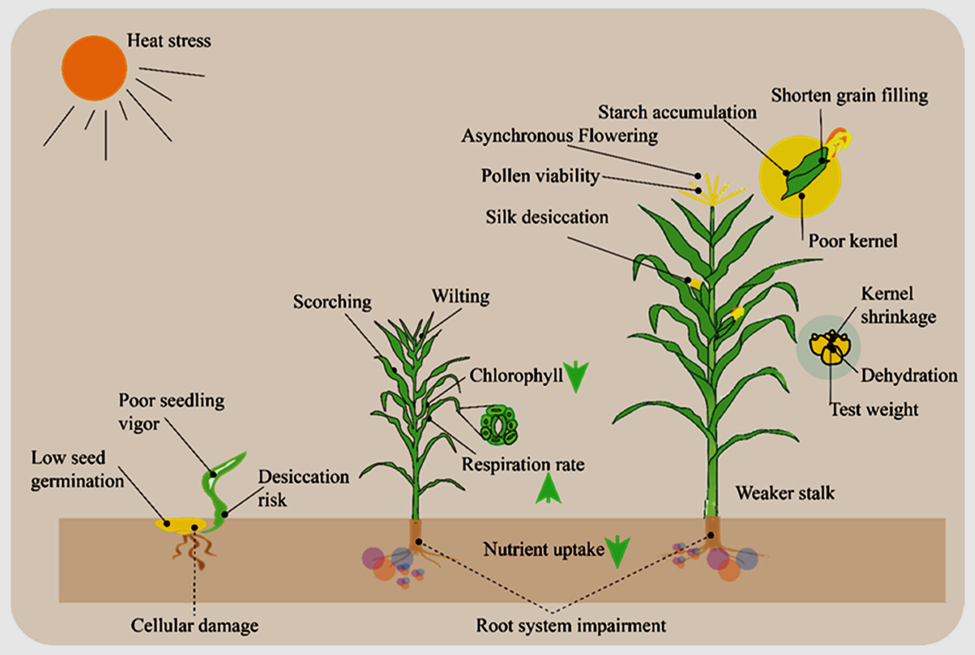
Thursday, 09/10/2025 | 15:40:39
Heat stress significantly influences plant growth, development, and productivity. Nevertheless, many maize (Zea mays) heat shock factors (HSFs) remain uncharacterized. Here, we explored the role of ZmHSFA2d in thermotolerance. ZmHSFA2d transcript levels were notably elevated under heat shock. ZmHSFA2d localized to the nucleus and displayed transactivation in yeast. Under heat shock, ZmHSFA2d-overexpressing maize seedlings exhibited greater thermotolerance, increased antioxidant enzyme activities, and reduced reactive oxygen species (ROS) and malondialdehyde (MDA) contents compared to control lines; however, these effects were reversed following the CRISPR/Cas9-mediated knockout (KO) of ZmHSFA2d
Experts Highlight Hybrid Foods as Meat Alternatives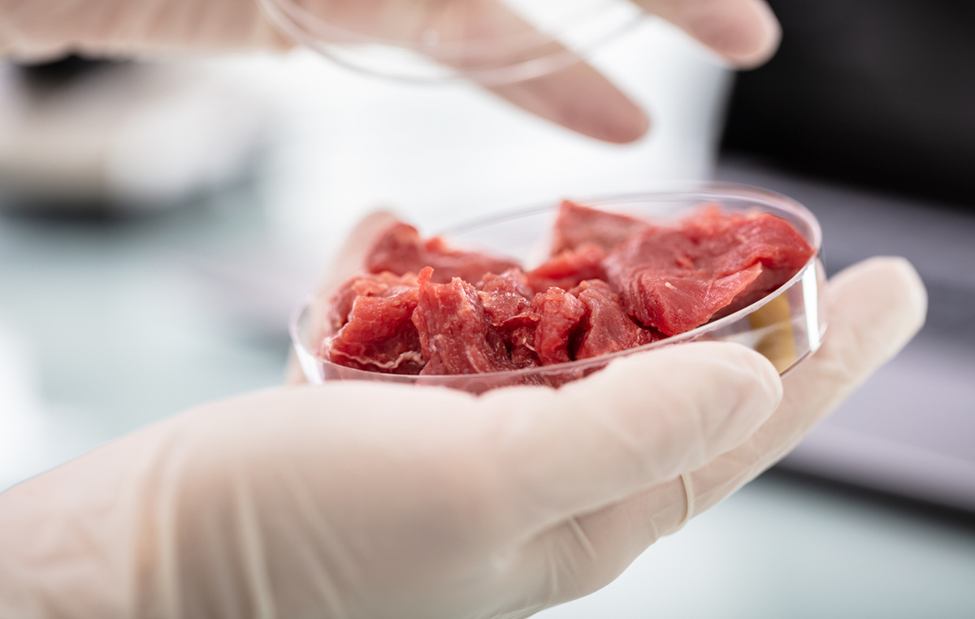
Thursday, 09/10/2025 | 15:40:46
Experts from Tufts University and the University of Massachusetts say that hybrid foods combining proteins from plants, fungi, insects, microbial fermentation, and cultivated meat could deliver nutritious and sustainable alternatives to animal products. According to their study published in Frontiers in Science, this approach could help reduce reliance on industrial livestock while meeting consumer demand for flavor, texture, and health.
The researchers said that by blending different protein sources, hybrids can overcome individual drawbacks, such as costly production and a lack of meat flavor and texture. In the short term, they noted that plant–mycelium hybrids are the most practical option, as they are scalable, nutritious, and already present in commercial products.
FAO Food Price Index declined slightly in September
Thursday, 09/10/2025 | 15:40:51
The benchmark of world food commodity prices declined slightly in September, led by drops in the sugar and dairy price indices, according to the new report released by the Food and Agriculture Organization of the United Nations (FAO) Friday.
The FAO Food Price Index, which tracks monthly changes in the international prices of a set of globally-traded food commodities, averaged 128.8 points in September, versus a revised August level of 129.7 points. The September reading represents a 3.4 percent increase from a year ago.
A mutation in CmoBADH results in the production of 2-acetyl-1-pyrroline, conferring a ‘taro-like’ aroma in Cucurbita moschata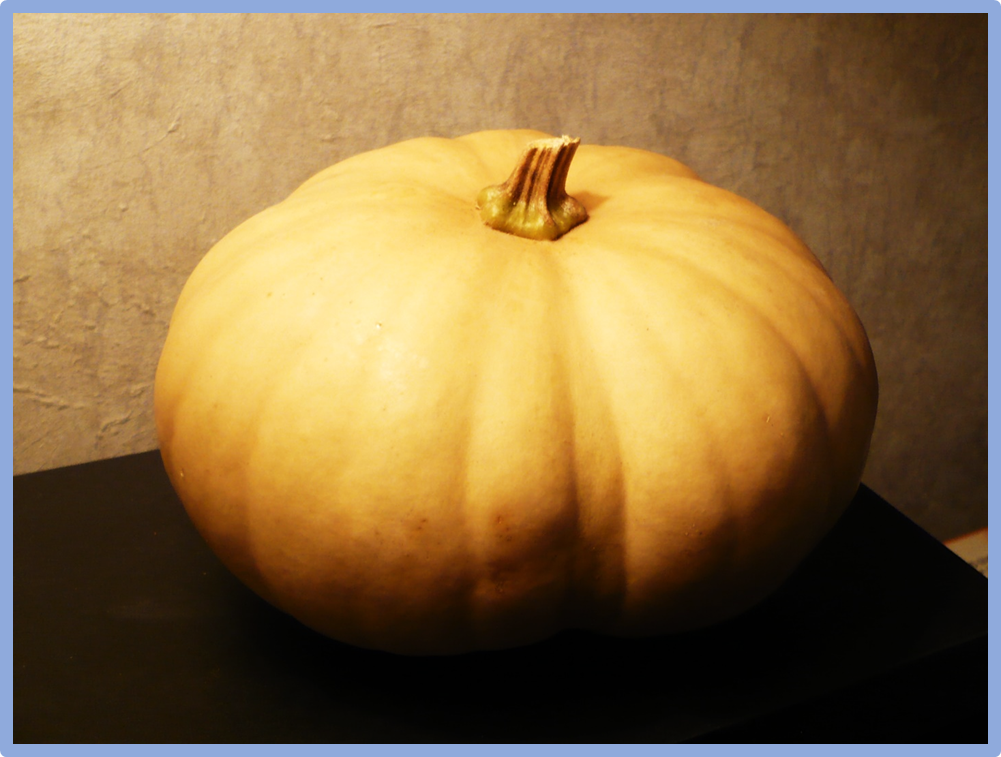
Wednesday, 08/10/2025 | 08:10:54
‘Taro-like’ aroma is a pleasant flavor characteristic of pumpkin. However, the genetic and molecular basis underlying the valuable agronomic trait remains unclear. In this study, an F2 population was derived from a cross between two pumpkin accessions, including accession NO. 44 with ‘taro-like’ aroma and accession NO. 45 without ‘taro-like’ aroma. Genetic analysis revealed that ‘taro-like’ aroma was controlled by a single recessive gene. Further bulked segregant analysis and polymorphic markers mapped the locus to a 23.3-kb region on chromosome 10. The genomic assembly of NO. 44, generated using third-generation sequencing technology supplemented with Sanger sequencing, revealed a structural variation consisting of a 4,591-bp insertion within the mapped region.
Plant-Based Biosensor Could be Key to Timing Fruit Ripening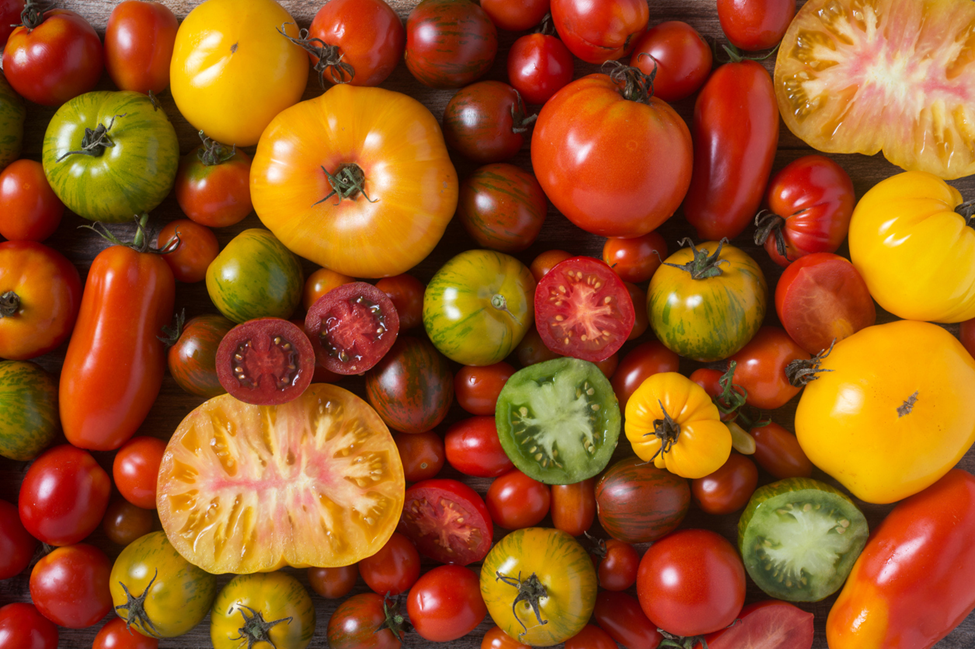
Wednesday, 08/10/2025 | 08:09:22
Researchers have developed a novel plant-based biosensor to detect the presence of the fruit ripening hormone ethylene. This sensor uses a specially engineered plant line where areas with ethylene will glow (using a fluorescent protein gene) or turn blue (using an enzyme gene). This visual change allows scientists to see exactly which cells and tissues respond to ethylene under various conditions.
The biosensor will help researchers better study ethylene's role beyond fruit ripening, including its impact on pathogen response, nodulation, and parasitic plant relationships. It could also be adapted to control the speed of fruit ripening. By fusing the biosensor to a gene that inhibits ripening, the presence of ethylene could be used to slow down the process, potentially leading to reduced loss of fruits and vegetables due to overripening and deterioration.