


News & Events
News & Events
New Rice Lines Promise Bigger Harvests with Less Water and Labor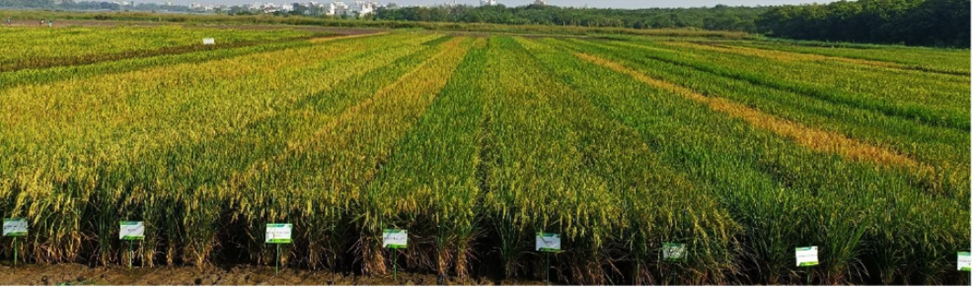
Friday, 17/10/2025 | 08:04:45
Indian farmers may soon benefit from new rice lines that deliver bigger harvests while requiring less water and labor.
Scientists from the International Rice Research Institute (IRRI) and the Indian Council of Agricultural Research (ICAR) have developed new rice lines suited for dry direct-seeded rice (DDSR), a method in which seeds are planted directly into dry soil rather than flooded paddy. This approach reduces water use and labor costs, which are major challenges for farmers.
Genome-Wide Identification, Characterization, and Expression Analysis of BBX Genes During Anthocyanin Biosynthesis in Mango (Mangifera indica L.)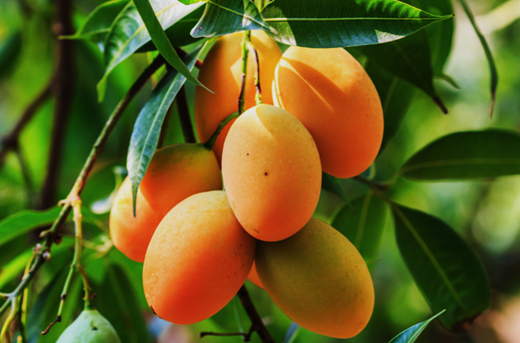
Thursday, 16/10/2025 | 07:41:16
B-box (BBX) transcription factors are critical regulators of light-mediated anthocyanin biosynthesis, influencing peel coloration in plants. To explore their role in red mango cultivars, we identified 32 BBX genes (MiBBX1-MiBBX32) in the mango (Mangifera indica L.) genome using a genome-wide analysis. Phylogenetic and structural analyses classified these genes into five subfamilies based on conserved domains. A collinearity analysis revealed segmental duplication as the primary mechanism of MiBBX gene family expansion, with purifying selection shaping their evolution.
MIT Genetically Engineers Mice to Stop Lyme Disease Transmission
Thursday, 16/10/2025 | 07:41:22
Led by Associate Professor Kevin Esvelt, researchers from the Massachusetts Institute of Technology (MIT) Media Lab's Sculpting Evolution group are pioneering groundbreaking research to combat Lyme disease. The initiative, called Mice Against Ticks, aims to reduce Lyme cases on Nantucket by genetically engineering wild white-footed mice to be immune to the infection.
Groundnut Breeding at ICRISAT Delivers Strong Yield Gains: Genetic Gain Assessment Reveals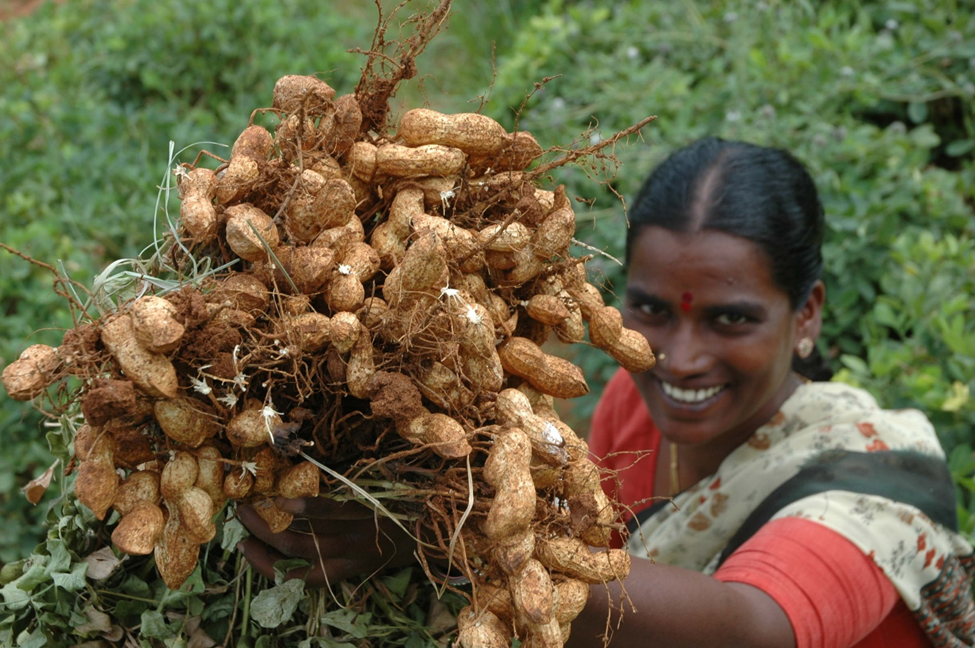
Thursday, 16/10/2025 | 07:41:28
With groundnut being central to food, nutrition and edible oil security, the International Crops Research Institute for the Semi-Arid Tropics (ICRISAT) has set a new benchmark in crop improvement by measuring Realized Genetic Gain (RGG) in its groundnut breeding program.
A recently published ICRISAT study confirms steady yield improvements in groundnut breeding over time, while also identifying opportunities to refine breeding strategies for faster progress.
The significant gains achieved in the past 2 decades demonstrate how genetic advancements are translating into higher on-farm yields, strengthening national and global food and nutrition security.
Histone deacetylase-1 is required for epigenome stability in Neurospora crassa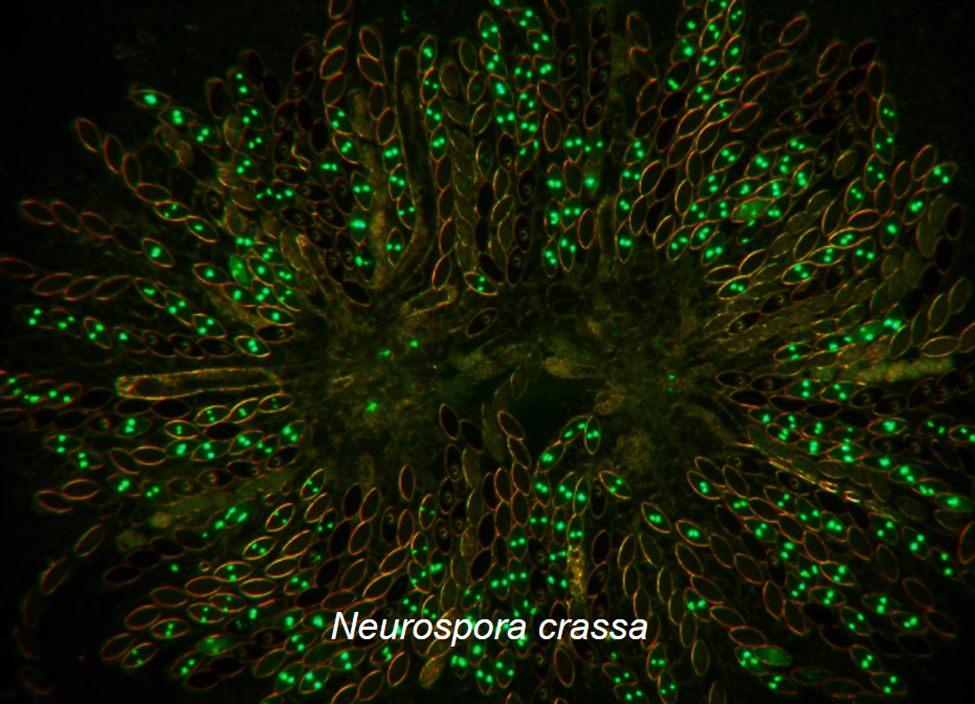
Wednesday, 15/10/2025 | 08:16:42
Polycomb group (PcG) proteins form chromatin modifying complexes that stably repress lineage- or context-specific genes in animals, plants, and some fungi. Polycomb Repressive Complex 2 (PRC2) catalyzes trimethylation of lysine 27 on histone H3 (H3K27me3) to assemble repressive chromatin. In the model fungus Neurospora crassa, H3K27me3 deposition is regulated by the H3K36 methyltransferase ASH1 and components of constitutive heterochromatin including the H3K9me3-binding protein HETEROCHROMATIN PROTEIN 1 (HP1). Hypoacetylated histones are a defining feature of both constitutive heterochromatin and PcG-repressed chromatin,
FAO Calls for Building Safe, Sustainable, and Equitable Animal Feed Systems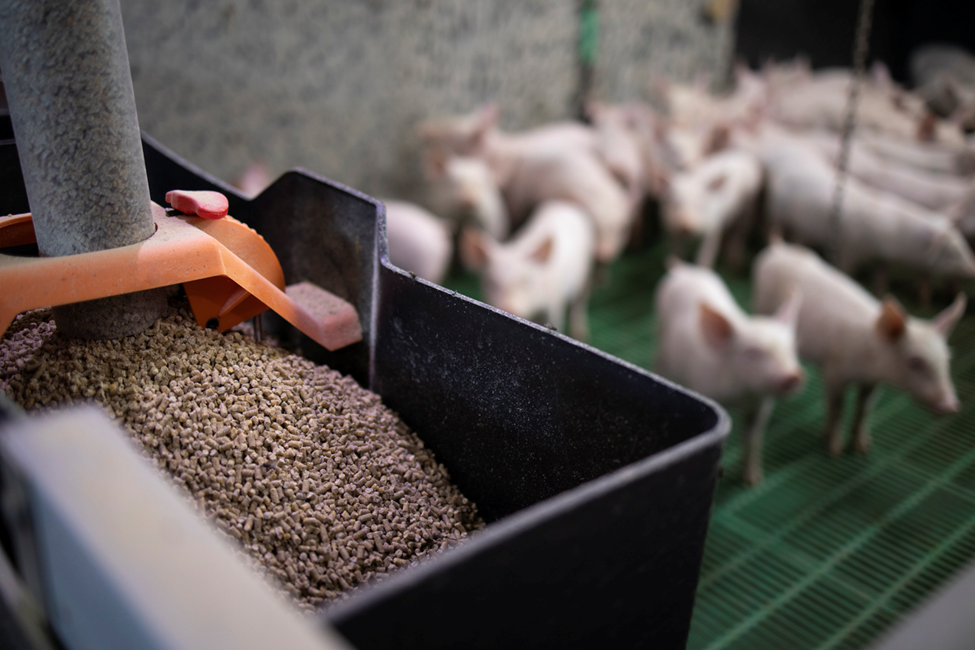
Wednesday, 15/10/2025 | 08:15:19
Transforming feed systems requires science-based, inclusive, and practical regulations, as well as collective action. This is according to Food and Agriculture Organization of the United Nations (FAO) Director-General QU Dongyu, who officially opened the 2025 Global Forum for Animal Feed and Feed Regulators held early this month in Rome. The forum gathered policymakers, scientists, producers, civil society, and private sector representatives to find ways to ensure animal feed's safety, nutrition, and sustainability.
Sonia Jannat: defying odds, reaping success as a combine harvester MSP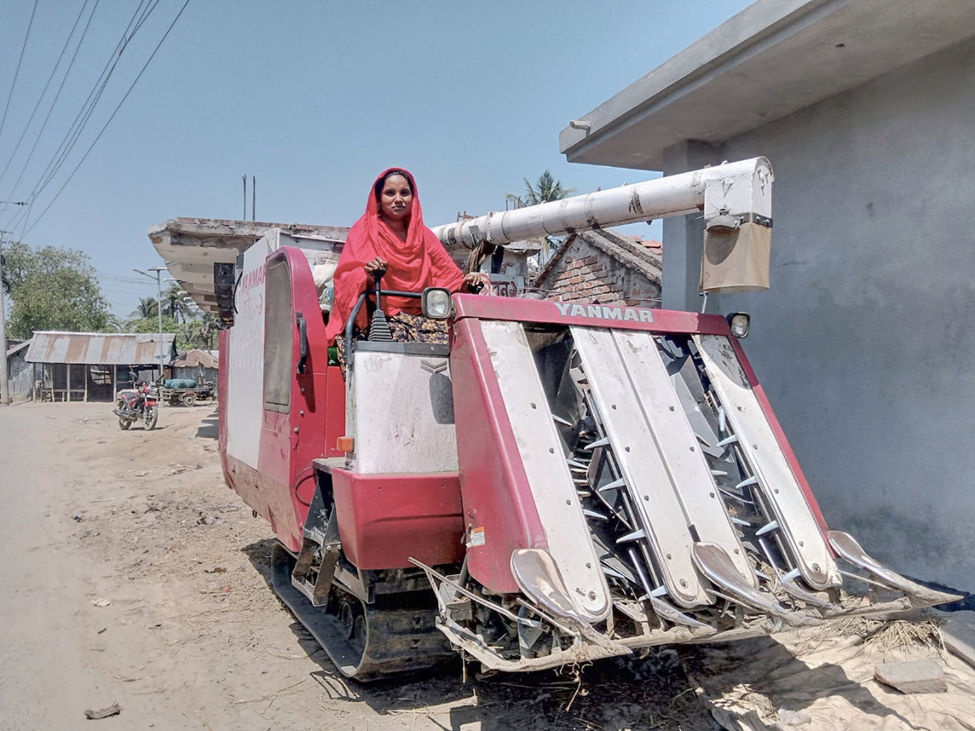
Wednesday, 15/10/2025 | 08:13:50
In the male-dominated realm of agricultural machinery services, Sonia Jannat, a 28-year-old from Jhenaidah, Bangladesh, has inscribed her name as a successful Machinery Solution Provider (MSP). Her determination—and the transformative power of new technologies—has launched her on an extraordinary journey of empowerment and financial independence.
OsSPL10 negatively regulates seedling salt tolerance through OsJAZ-mediated jasmonate pathway in rice (Oryza sativa L.)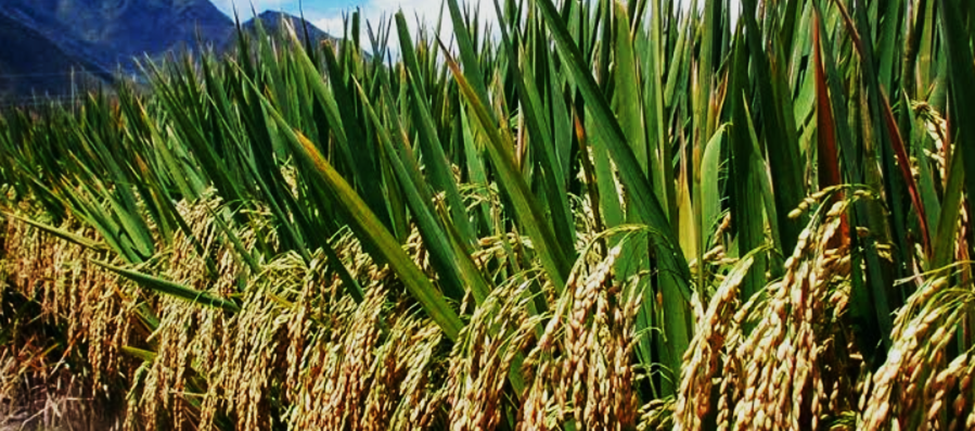
Tuesday, 14/10/2025 | 08:15:37
Soil salinity severely inhibits rice growth. While the SBP-box gene OsSPL10 is known to negatively regulate salt tolerance, its mechanism remains unclear. Since jasmonate (JA) mediates plant stress responses, we investigated the link between OsSPL10 and JA in rice salt tolerance. Disrupting OsSPL10 reduced the shoot Na+/K+ ratio under salt stress, likely explaining the enhanced tolerance in Osspl10 mutants. As leaves are highly sensitive to Na+ toxicity, maintaining a low Na+/K+ ratio is critical for survival. Notably, ten OsJAZ genes (JA repressors) were upregulated in Osspl10 mutants.
Complete Genome Assembly Unlocks Potential of Northern Wild Rice
Tuesday, 14/10/2025 | 08:14:36
Researchers have successfully assembled a near-complete genome of northern wild rice (Zizania palustris), a resilient and nutritionally rich aquatic grass native to North America. This achievement, published in The Crop Journal, provides an unprecedented genetic blueprint that could accelerate breeding programs and enhance global food security.
The fragmented nature of genomic data hindered earlier genetic research. Now, by leveraging state-of-the-art sequencing technologies, a research team has reconstructed a 1.41 gigabase (Gb) genome with approximately 97% completeness, finally unlocking the species' full genetic potential
Maisha Makutano, Kenya’s new edutainment series, features ILRI’s gender and livestock research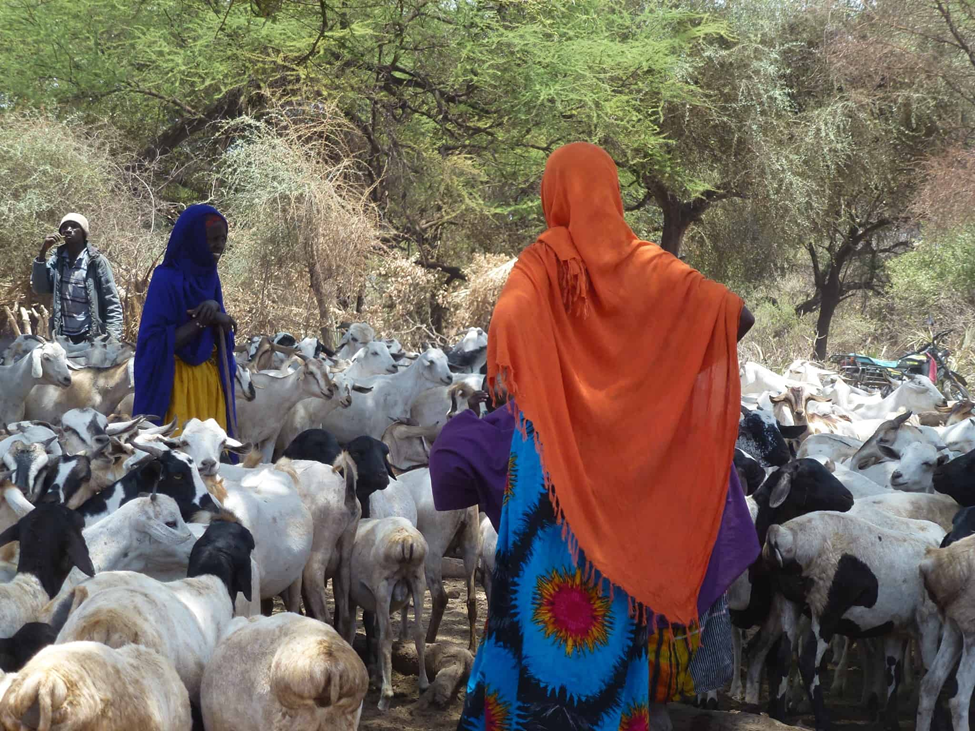
Tuesday, 14/10/2025 | 08:13:49
When researchers from the gender team at the International Livestock Research Institute (ILRI) met the team working on Maisha Makutano, an edutainment soap opera tackling challenging social themes from financial inclusion to reproductive health, there was plenty to talk about.
As the production team was defining the social themes to highlight in the new series, ILRI researchers were trying to solve another problem: what kinds of interventions could help women agripreneurs succeed in their livestock businesses?
Beyond IbMYB1: Identification and Characterization of Two Additional Anthocyanin MYB Activators, IbMYB2 and IbMYB3, in Sweetpotato
Sunday, 12/10/2025 | 05:54:10
Sweetpotato displays diverse purple pigmentation due to anthocyanin accumulation. While current research on the underlying MYB activators has focused on IbMYB1 in purple-fleshed tubers, the color diversity suggests the involvement of other MYB activators. We previously identified IbMYB2 and IbMYB3 in leaf coloration. Here, we explored the chromosomal localization, phylogeny, and evolutionary scenario of IbMYB1/2/3 using four Ipomoea genomes. IbMYB1/2/3 are located adjacently as an anthocyanin MYB gene cluster, likely resulting from tandem duplications. All three IbMYBs induced anthocyanins in tobacco and activated the promoters of the key anthocyanin pathway genes IbCHS-D and IbDFR-B.
Researchers Identify Soybean Gene that Could Help Crops Thrive in Acidic and Low-Phosphorus Soils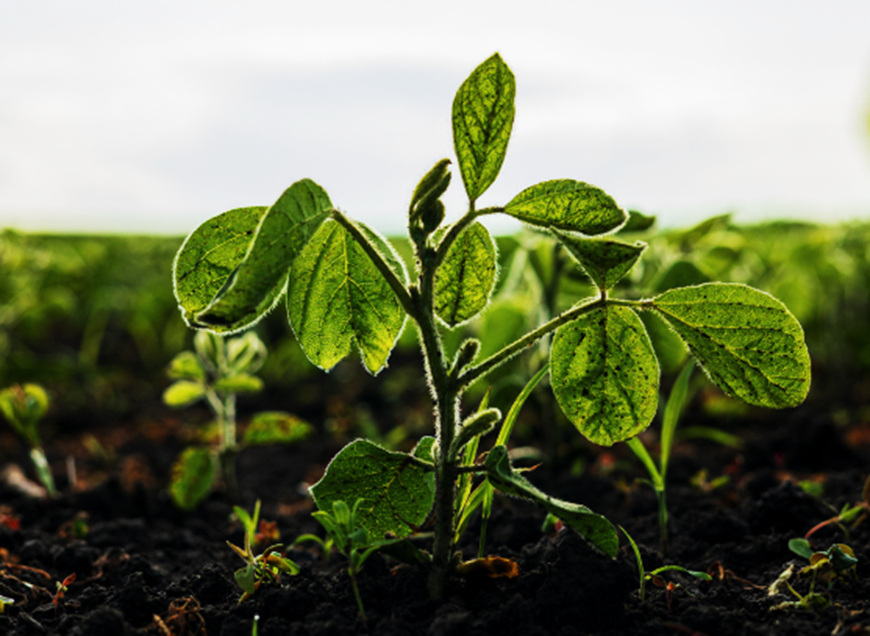
Sunday, 12/10/2025 | 05:54:40
A study published in Plant Cell Reports found that the GmAP2 gene enhances soybean tolerance to aluminum toxicity and low-phosphorus stress, which are among the major challenges for crop productivity worldwide. By overexpressing this gene, the researchers observed an improvement in physiological indicators, such as fresh weight, root length, and number of lateral roots.
GmAP2 is primarily expressed in roots, and its activity increases under acidic and low-phosphorus conditions. In this study, the researchers found that overexpression of GmAP2 in soybean root hairs led to significant increases in above-ground dry weight, phosphorus content, and total phosphorus concentration.