


News & Events
News & Events
Infinite Leadership and Market Intelligence in CGIAR Breeding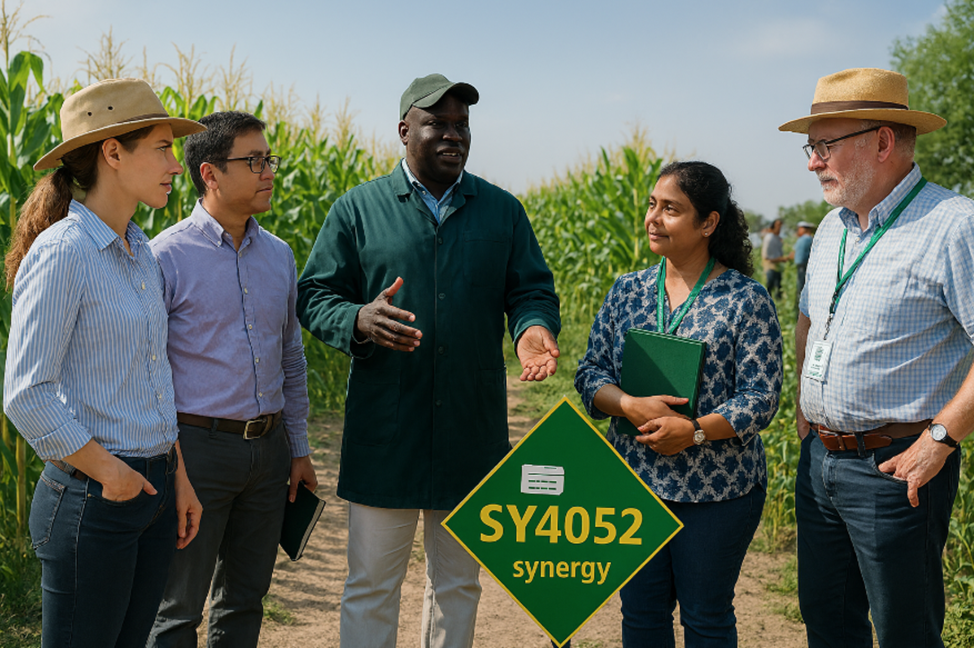
Tuesday, 21/10/2025 | 08:12:58
Like many donation-dependent non-profits, CGIAR faces recurring budget fluctuations that force difficult trade-offs. Each funding cycle demands a careful recalibration of priorities—balancing urgent needs with long-term impact across global agricultural systems. This requires forward-looking leadership. Simon Sinek (2019) distinguishes between two types of leadership. Finite Leadership focuses on short-term goals, competition, and resource protection, with limited attention to inclusivity or equity. Success is measured by immediate wins—budgets, outputs, or market share—often at the expense of long-term relevance or collaboration. Infinite Leadership is driven by long-term vision, adaptability, and service to a just cause. Infinite leaders commit to nurturing internal capacities that foster gender equity, diversity, and inclusion, recognizing that diverse teams bring broader insight and innovation potential
Identification and field validation of QTLs for soybean red crown rot resistance from wild soybean accessions
Monday, 20/10/2025 | 07:34:19
Soybean red crown rot (RCR), a soil-borne disease caused by the fungus Calonectria ilicicola, result in can to annual yield losses of up to 30%. In this study, we identified quantitative trait loci (QTLs) associated with RCR resistance in three wild soybean accessions, ‘Gs-7,’ ‘Gs-9,’ and ‘Gs-27.’ QTL analysis was performed using four populations of recombinant inbred lines (RILs) derived from crosses between these wild soybean accessions and two susceptible soybean cultivars ‘Enrei’ (populations En7, En9, and En27, respectively) and ‘Williams 82’ (W9).
Australia Approves Commercial Planting of GM Cotton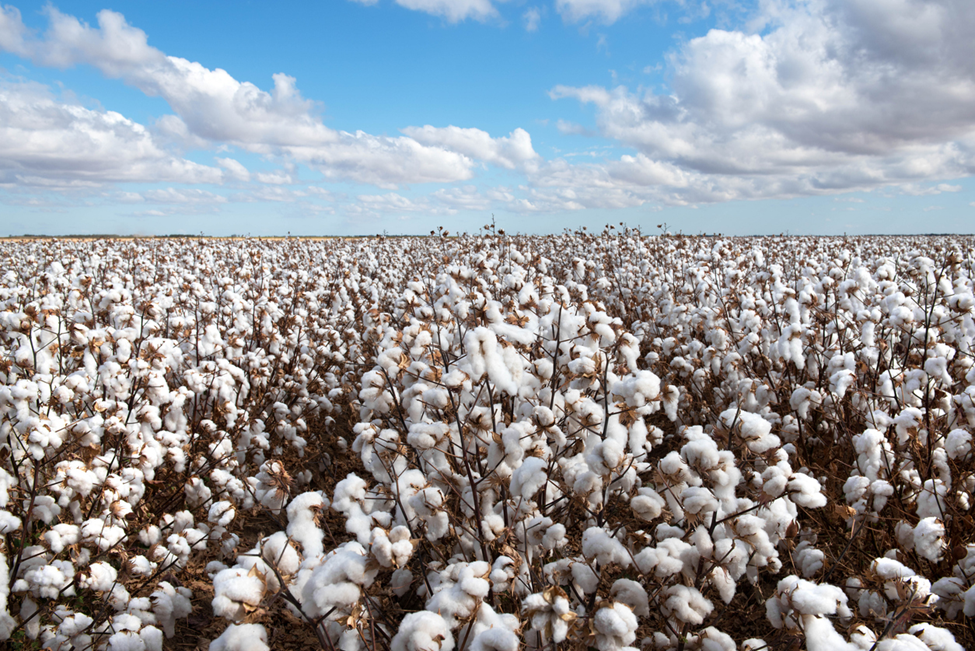
Monday, 20/10/2025 | 07:33:16
Australia's Office of the Gene Technology Regulator (OGTR) has issued license DIR 216 to Bayer CropScience Pty. Ltd., authorizing the commercial release of cotton genetically modified (GM) for insect resistance and herbicide tolerance.
The GM cotton contains four introduced genes from a common soil bacterium that confer insect resistance to common pests of cotton. Three of these genes provide protection against bollworms, and one protects against specific pests, including aphids and thrips. The GM cotton also contains three introduced genes for tolerance to herbicides, including glyphosate, glufosinate, and dicamba.
Philippine Educators Convene to Help Develop Biotech Learning Materials
Monday, 20/10/2025 | 07:32:28
A Consultation Workshop on the Development of Learning Materials on Biotechnology was held on October 13, 2025, at the NRCP Auditorium, Taguig City, Philippines. The consultation was part of the activities of the project titled Mainstreaming Biotechnology and Biosafety in the Philippine Education Sector led by the National Committee on Biosafety of the Philippines.
Science communication experts from ISAAA Inc. will lead the development of the learning materials. ISAAA Executive Director Dr. Rhodora Romero-Aldemita presented the proposed learning objectives and topics that will be used to develop modules and teaching guides.
The Comparative Study on Molecular Phylogenetics and Development of Microsatellite Primers From Durian Chloroplast Genomes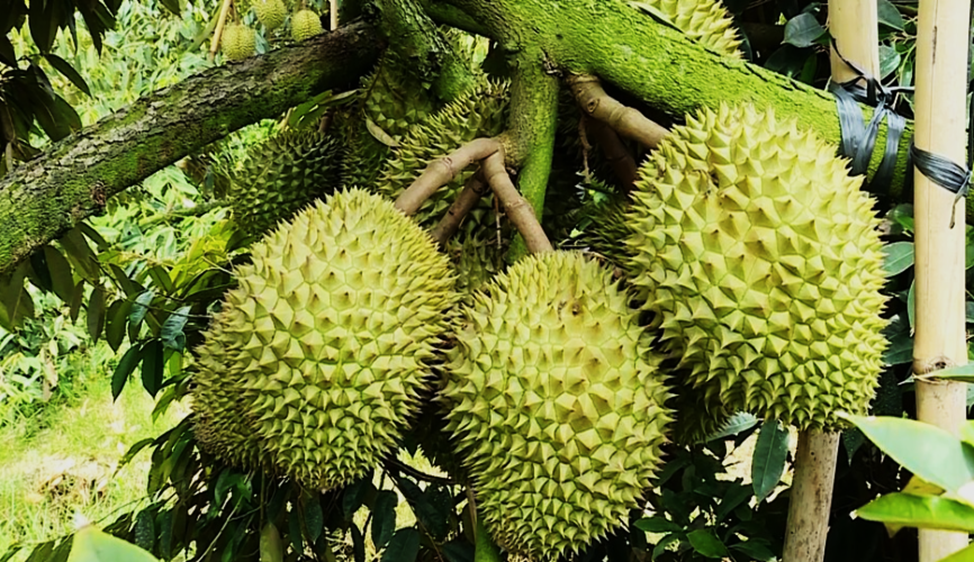
Friday, 17/10/2025 | 08:18:59
Durian, or Durio zibethinus, is an exotic fruit with high economic value in Southeast Asia. This study aims to determine the genetic variants based on the chloroplast genome between species and cultivars in the Durio genus and design the molecular marker based on microsatellite resources. The research was conducted by collecting the data of 8 chloroplast genomes followed by the genome structure and organization analysis, variants analysis, phylogenetic relationship analysis, and possibly, primer designing. The results illustrate that regions with high Pi values for the nucleotide diversity analysis were the regions in ycf1, psbZ-rps14, accD, and rpl33-rps18.
A Decade Later, Why Does the Marsh v Baxter Case Still Matter?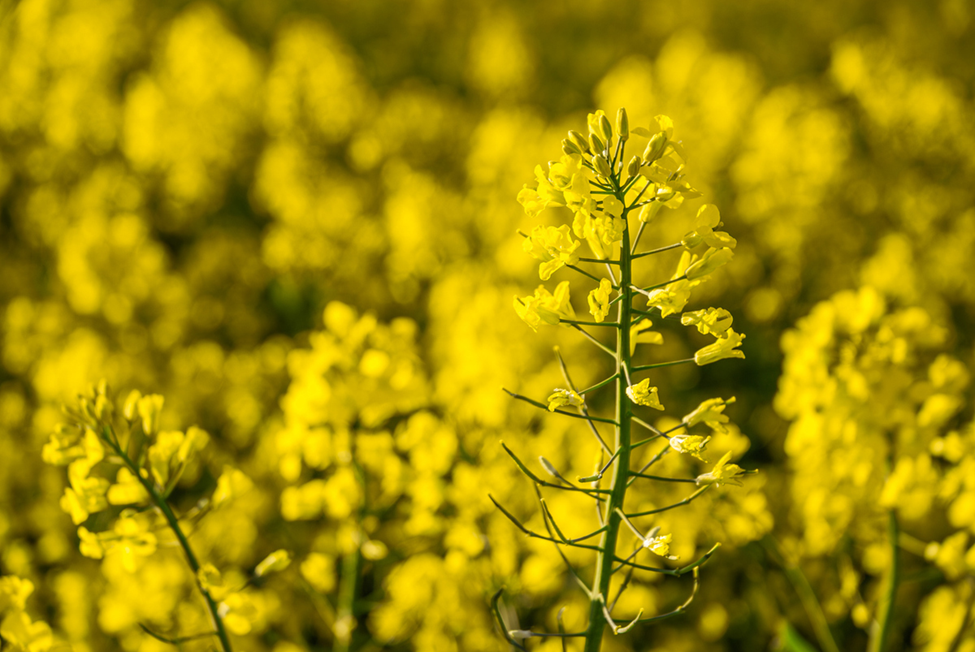
Friday, 17/10/2025 | 08:17:40
In 2010, a legal battle on the coexistence of genetically modified (GM) and non-GM crops redefined the debate on GM crops in Australia. Steve Marsh, an organic farmer from Kojonup, Western Australia, discovered GM canola on the farm of his neighbor, Michael Baxter. This incident led to the loss of Steve Marsh’s organic certification for the majority of his property. As a result, he decided to sue Michael Baxter to seek compensation for the damages he had suffered.
Ten years after the Supreme Court of Western Australia’s 2015 decision, the case remains the country’s only reported decision on the coexistence of GM and non-GM crops. In an article published in Griffith Law Review, the author Michail Ivanov, a PhD candidate from the University of Adelaide, revisits the novel case of Marsh v Baxter and discusses the coexistence of GM and non-GM crops in Australia and the regulations governing them.
Road to Belém: Scaling biosolutions for soil health and climate action gains momentum ahead of COP30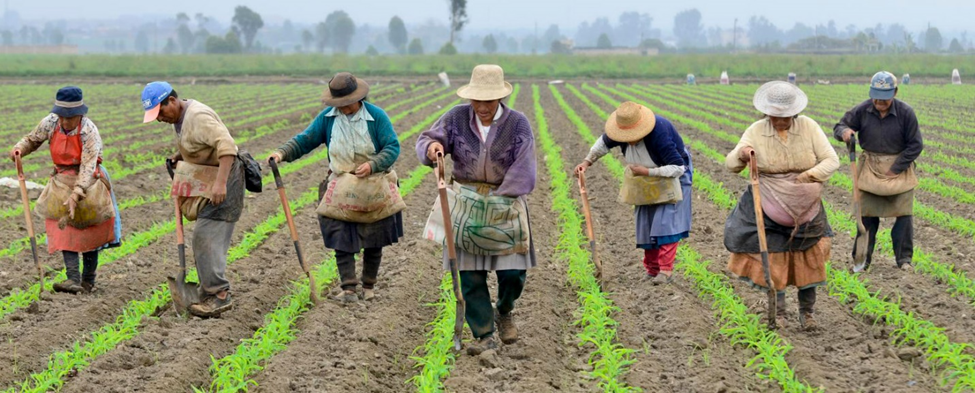
Friday, 17/10/2025 | 08:16:38
More than 40% of the world’s cultivated land is degraded, affecting more than three billion people. Because 95% of our food depends directly on soils, restoring soil health is fast becoming one of the most powerful levers for climate action and resilient food systems, and a focal point for the upcoming UN Climate Change Conference (COP30) in Belém, Brazil.
The inaugural session of the “Road to Belém” webinar series brought together scientists, policymakers, development partners and innovators to explore how to scale biosolutions for soil health and climate action. Biosolutions which are biological or naturally derived products like beneficial microbes and natural fertilizers,
Identifying canopy wilting QTLs and evaluating remote sensing approaches for selecting drought-tolerant soybean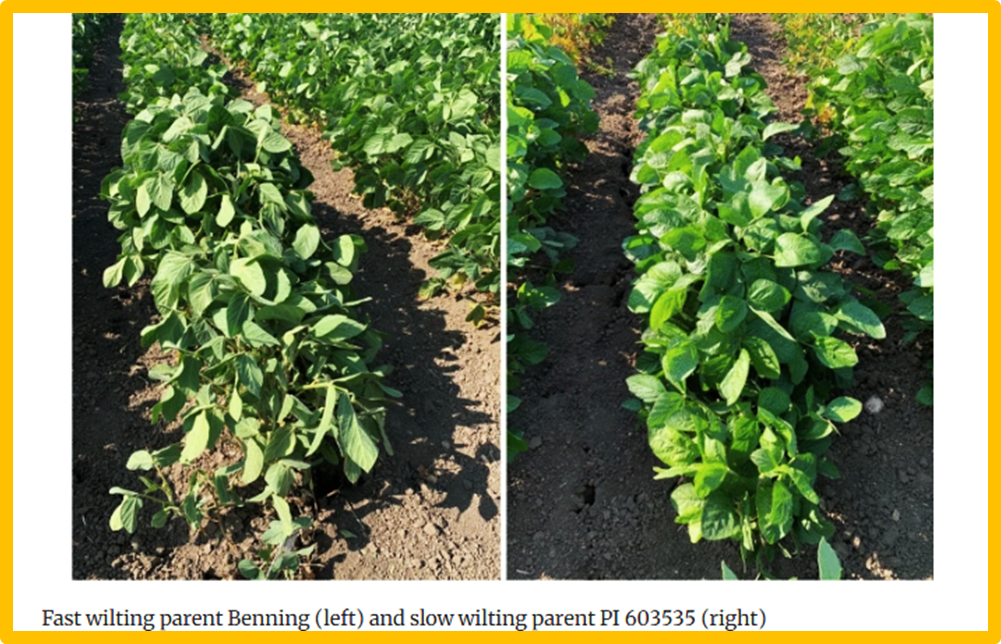
Saturday, 18/10/2025 | 06:27:43
Drought is the most damaging abiotic stress for soybean yield; cultivars with improved drought tolerance are needed to sustain and increase crop production. PI 603535 previously was identified as an ultra-slow canopy wilting (CW) line in a genome-wide association study but the quantitative trait loci (QTLs) underlying this phenotype have not been determined. In this study, a recombinant inbred line (RIL) population derived from Benning × PI 603535 was evaluated for three years under rain-fed conditions. CW was rated following extended periods of drought when CW variation was present.
Engineered pattern recognition receptors enhance broad-spectrum plant resistance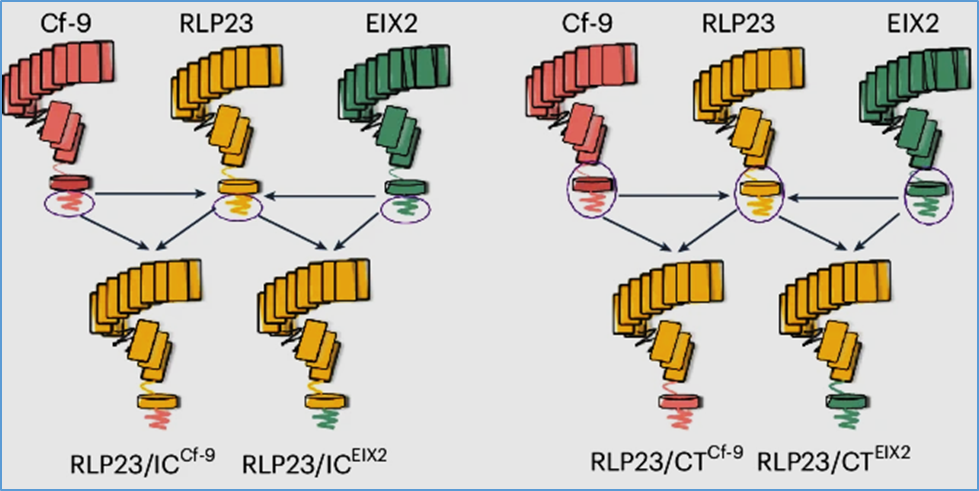
Saturday, 18/10/2025 | 06:26:32
Conventional plant resistance breeding has primarily focused on intracellular immune receptors, while cell-surface pattern recognition receptors (PRRs) have been underexplored because of their comparatively modest contributions to resistance. However, PRRs offer untapped potential for crop improvement. Here we demonstrate that the Arabidopsis receptor-like protein RLP23, which recognizes molecular patterns from three distinct microbial kingdoms, confers broad-spectrum resistance when introduced into the Solanaceae crop tomato.
World Food Forum 2025 kicks off as FAO celebrates its 80th anniversary
Saturday, 18/10/2025 | 06:25:57
The 2025 edition of the World Food Forum (WFF) flagship event kicked off today at the headquarters of the Food and Agriculture Organization of the United Nations (FAO) in Rome. The week-long Forum features the scheduled participation of 10 heads of state and government, 115 Ministers and Vice-Ministers, as well as numerous representatives from governments, the private sector, civil society, international organizations, research institutions, youth, Indigenous Peoples and other stakeholders in agrifood systems.
Genetic diversity and reproductive modes of aflatoxin-producing Aspergillus flavus isolated from cashew nuts in coastal Kenya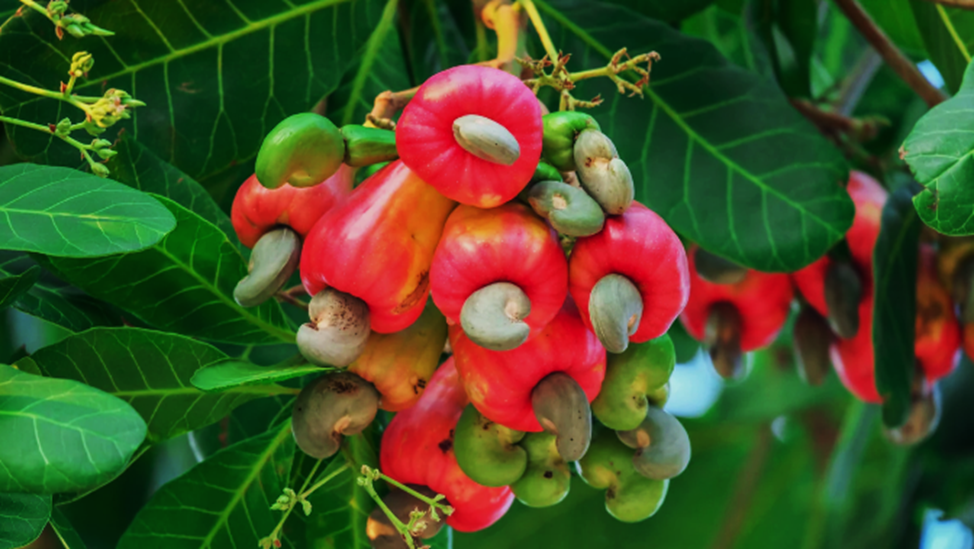
Friday, 17/10/2025 | 08:04:51
Cashew (Anacardium occidentale L.) is a major cash crop in the coastal region of Kenya, as a source of livelihood for small-scale farmers in Kilifi, Kwale and Lamu counties. Despite being an important food crop, cashew nuts are highly susceptible to aflatoxin-producing Aspergillus flavus, primarily due to their nutritional profile and poor pre-harvest and post-harvest practices. The presence of aflatoxins poses significant health risks to consumers of cashew nuts due to the carcinogenic, genotoxic, and hepatotoxic nature of these toxins.
The Philippines approved the cotton event GFM cry1A for commercial cultivation.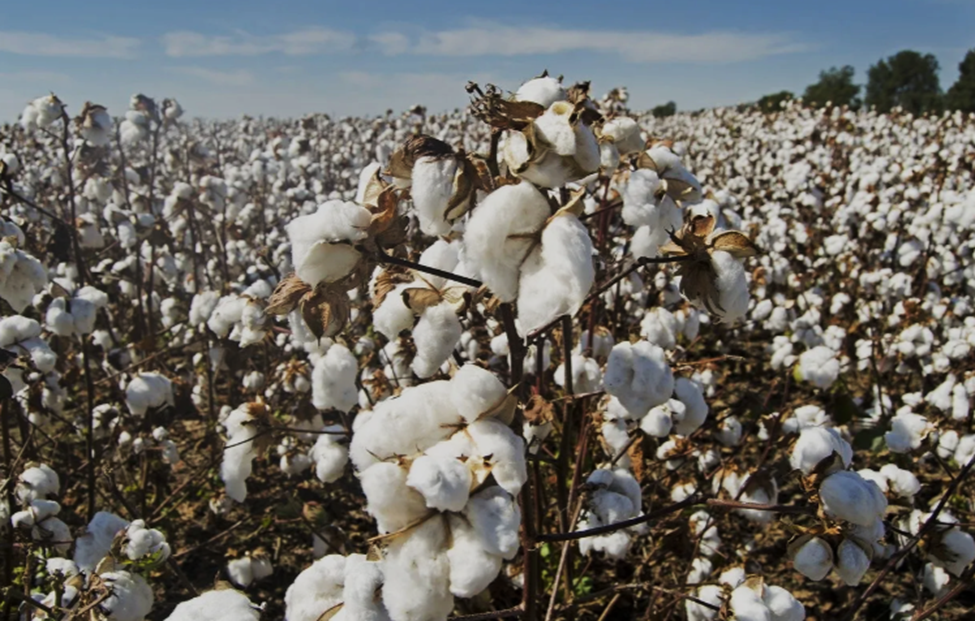
Friday, 17/10/2025 | 08:04:49
The Philippine Bureau of Plant Industry issued a Biosafety Permit for the Commercial Propagation of Bt cotton (GFM cry1A) developed by the Philippine Fiber Industry Development Authority (PhilFIDA). The permit was granted to PhilFIDA after completion of the biosafety evaluation and the requirements for commercial propagation based on the DOST-DA-DENR-DOH-DILG Joint Department Circular (JDC) No. 1, Series of 2021. BPI issued the permit on August 24, 2023, and announced the approval on their website.