


News & Events
News & Events
A large-scale framework for estimating soil carbon, nitrogen, pH, and salinity dynamics for 1985–2023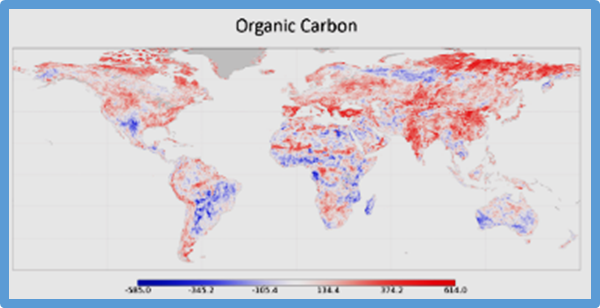
Wednesday, 10/06/2026 | 08:14:57
Soil is fundamental to sustaining life on Earth, providing ecosystem services, regulating climate, and playing a central role in global food systems. In the last decades, due to human activities and climate change, soils worldwide have experienced substantial changes in their key properties, resulting in alterations to their functions. In this context, global soil mapping is crucial for identifying degradation trends and informing effective adaptation strategies.
Study Reveals How Farmers’ Risk Preferences Drive Climate Adaptation Decisions
Wednesday, 10/06/2026 | 08:09:25
As climate change accelerates the frequency of extreme weather events like prolonged droughts and heavy rainfall, crop producers face unprecedented uncertainty. To better understand how these conditions impact agricultural management, a joint study from the University of Illinois Urbana-Champaign and Michigan State University evaluated how farmers perceive and react to financial and climate-related risks.
Study Finds Strong Public Support for GM Mosquitoes in Mali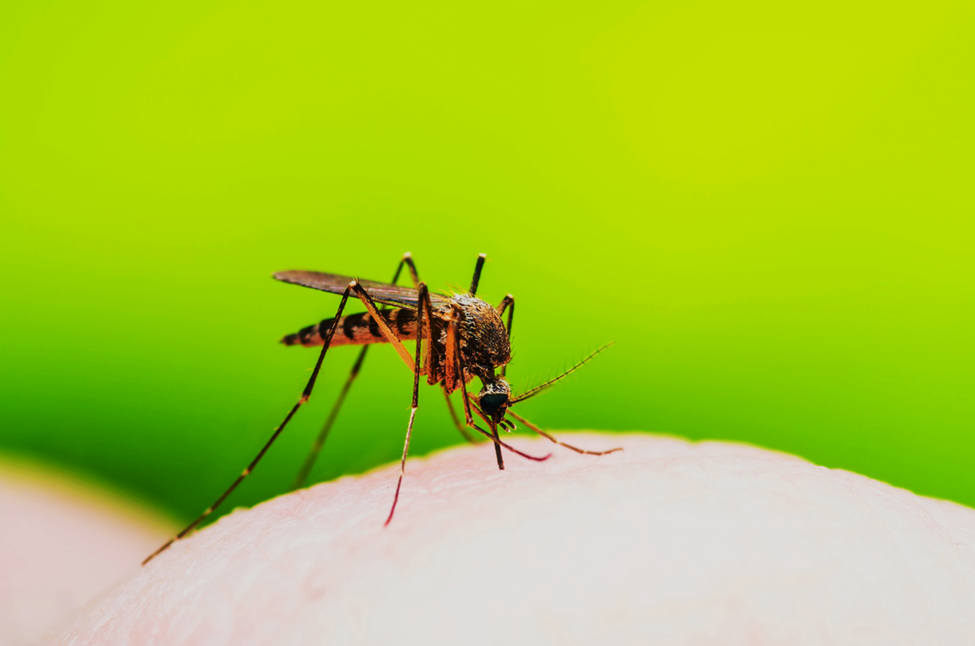
Wednesday, 10/06/2026 | 08:07:57
A study by researchers at the University of Sciences, Techniques and Technologies of Bamako (USTTB) found that most people in Mali would support the use of genetically modified (GM) mosquitoes to combat malaria if the technology is proven safe and tested in controlled conditions before wider use. The study examined public knowledge, risk perceptions, and acceptance of GMMs among households in rural communities in the Koulikoro region and in the capital, Bamako.
Skeleton-guided 3D digitization standardizes complex trait phenotyping and supports reproducible locus discovery in cucumber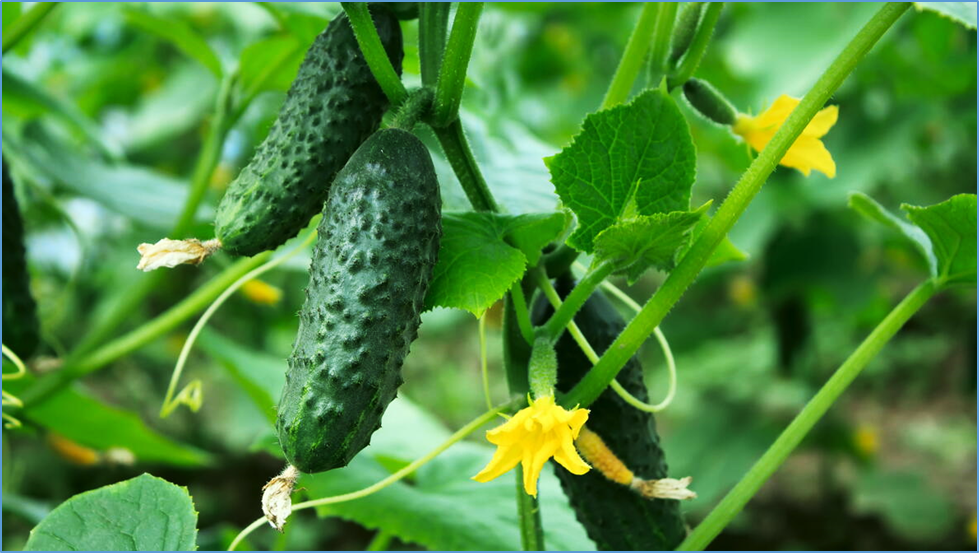
Tuesday, 09/06/2026 | 08:20:29
Accurate and standardized phenotyping of complex, environmentally sensitive quantitative traits remains a major bottleneck for reliable locus discovery and breeding applications. Here, we established a skeleton-guided 3D digital phenotyping framework that generates standardized digital replicas and enables precise quantification of fruit and plant architecture traits in cucumber. The workflow was applied to a permanent recombinant inbred line (RIL) population (n = 211) evaluated across two seasons (2023–2024)
Wheat Gene Discovery Boosts Iron Accumulation for Better Nutrition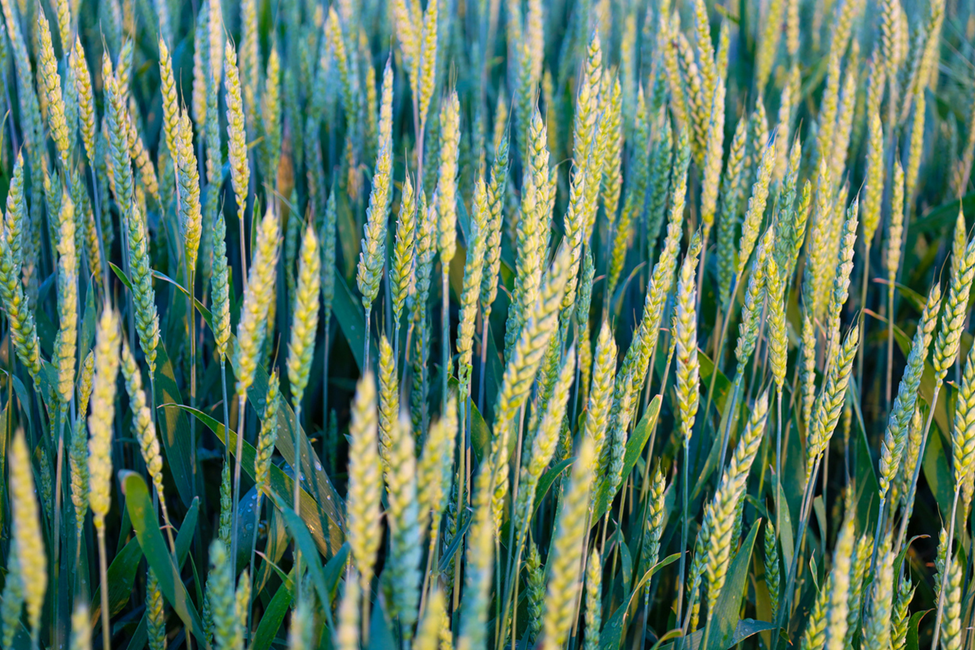
Tuesday, 09/06/2026 | 08:19:28
Experts from Henan Agricultural University in China have identified a key wheat gene that helps regulate iron uptake and storage. The study focuses on the transcription factor TaPIL1, which plays a central role in activating iron-related responses in wheat plants. Their study is a breakthrough that could support efforts to breed more nutritious wheat varieties and address iron deficiency anemia.
Rothamsted Research Drills First Precision-Bred Crop in Historic Field Trial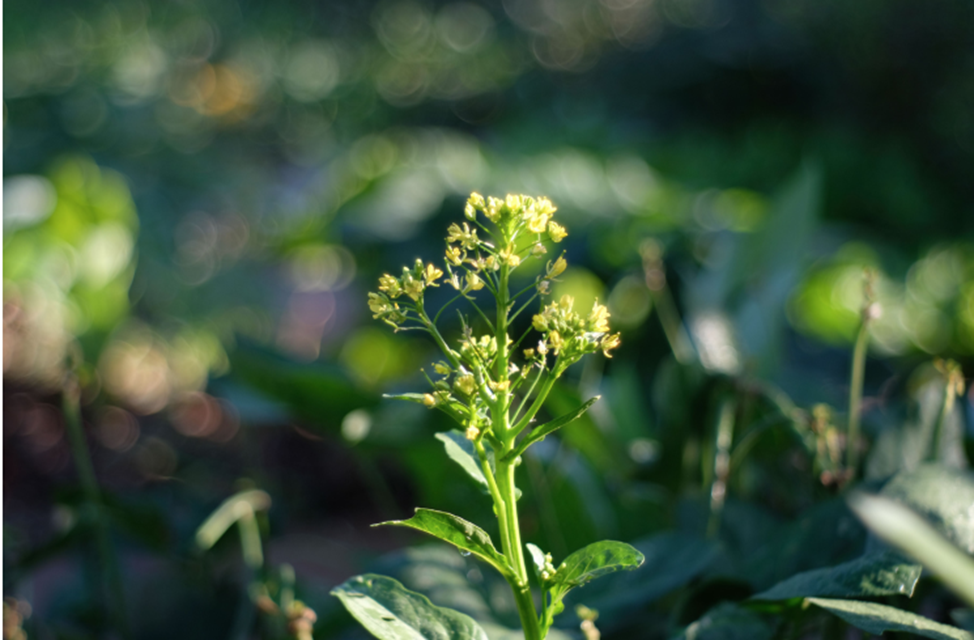
Tuesday, 09/06/2026 | 08:17:58
Rothamsted Research has officially sown the UK's first crop under a new Precision Bred Organism (PBO) Release Notice, marking a major milestone for agricultural biotechnology. The proof-of-concept field trial has sown the oilseed crop Camelina sativa, to evaluate the real-world performance of gene-edited varieties. This historic planting is the first to be registered under the framework established by the Genetic Technology (Precision Breeding) Act 2023 and the subsequent 2025 regulations.
Os79, a UDP‐Glycosyltransferase, negatively regulates cadmium tolerance and accumulation in rice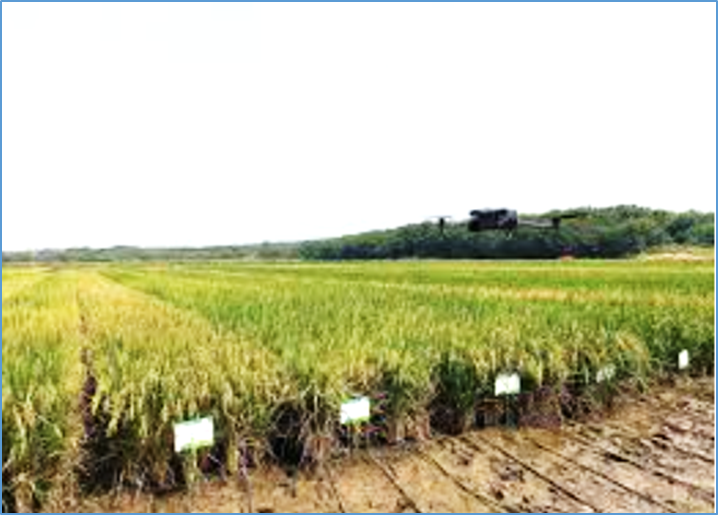
Monday, 08/06/2026 | 08:04:50
Cadmium (Cd) contamination in agricultural soils poses a significant threat to global food safety. Reducing grain Cd accumulation in rice, a primary dietary source of this toxic metal, is therefore an urgent priority. This study identified and characterized a novel UDP-glycosyltransferase gene, Os79 (LOC_Os04g12970), which functions as a key negative regulator of Cd tolerance and accumulation in rice.
Study Pinpoints Positive Regulator of Salt Tolerance in Poplar
Monday, 08/06/2026 | 08:03:36
As animal cells rely on waste management to survive, plant cells utilize a specialized recycling system called the ubiquitin-proteasome system to degrade damaged or redundant proteins. In this process, small molecular tags called ubiquitin are attached to target proteins, marking them for destruction. The precision of this system depends on regulatory proteins known as E2 ubiquitin-conjugating enzymes (UBCs), which dictate which proteins are targeted based on environmental stress and growth hormones. While these molecular regulators have been extensively mapped in crops like rice and maize, their composition and function in long-lived, woody perennial species remain largely unexplored.
Researchers Find Key Gene for Cadmium Tolerance and Accumulation in Rice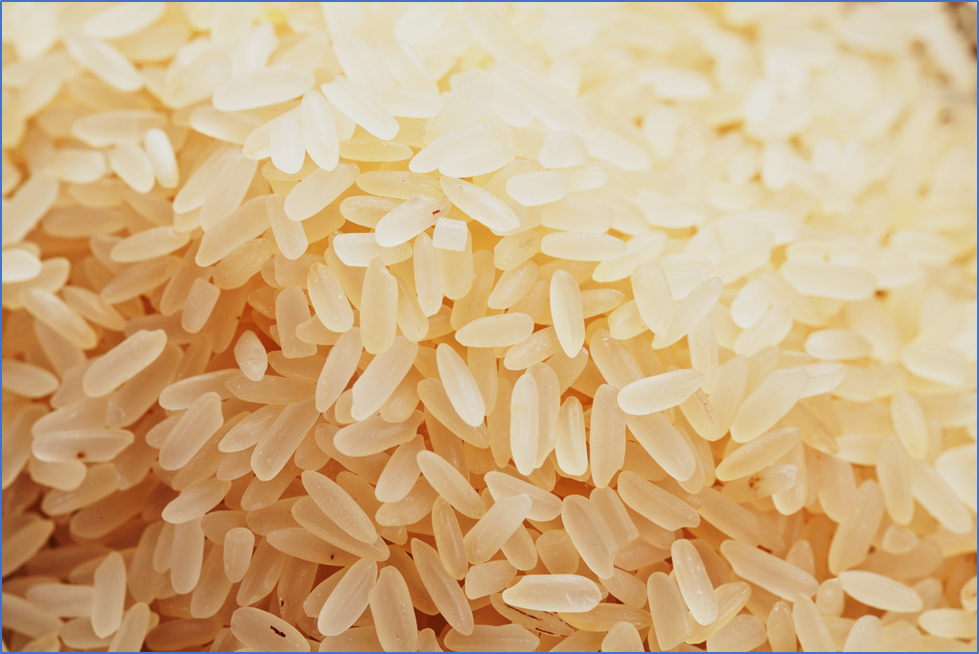
Monday, 08/06/2026 | 08:02:42
Cadmium is a toxic heavy metal found in some farming soils that can seep into rice crops, posing a serious threat to global food safety. To tackle this, scientists discovered a specific gene in rice, Os79, that accidentally acts as an open door for this toxin. By using gene-editing technology to turn this gene off, researchers at the Chinese Academy of Sciences created a modified rice plant that is much better at defending itself. When the gene is disabled, the rice plants grow normally even in polluted soils and absorb significantly less cadmium, keeping the grain much safer for consumers.
CRISPR/Cas9 mediated knockout of MeSSI enhances resistant starch content without compromising yield in cassava 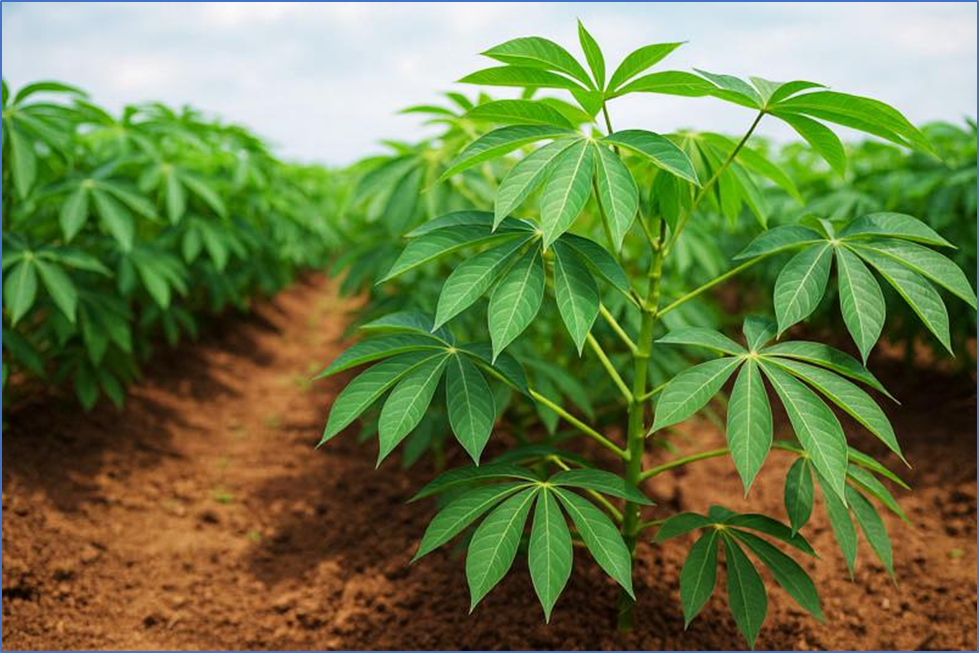
Friday, 05/06/2026 | 07:51:54
Enhancing resistant starch (RS) content in cassava is vital for developing nutritionally improved, functional food crops. In this study, targeted mutagenesis of the MeSSI gene via CRISPR/Cas9 was conducted to investigate its role in starch biosynthesis and RS accumulation. MeSSI knockout lines exhibited a 6.74-fold increase in RS content and a 16.42% elevation in amylose levels compared to the wild-type, without compromising total starch content or root yield.
Gene Editing Reveals Key Gene for Improved Cotton Defoliation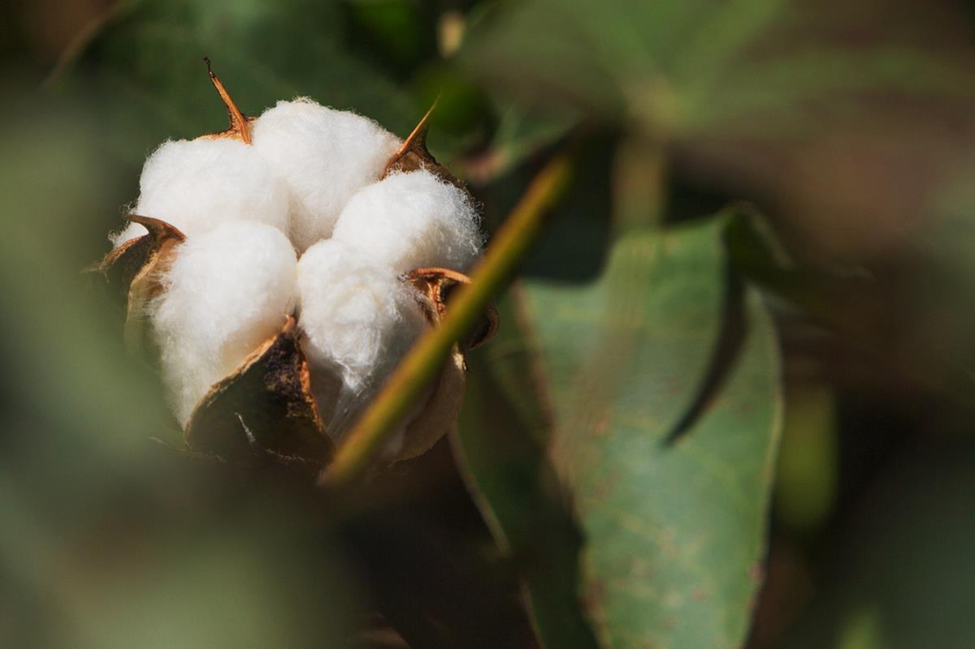
Friday, 05/06/2026 | 07:50:16
Science and partners identified key genes involved in cotton defoliation. The study found that the genes GhNAC47 and GhSKS6 help regulate cell wall remodeling and the formation of protective layers that allow leaves to detach more efficiently during chemical defoliation.The study showed that cotton plants with the GhSKS6 gene knocked out through CRISPR-Cas9 demonstrated impaired abscission zone (AZ) fracture-layer formation,
FAO Report Calls for Urgent Coordinated Financing to Address Agrifood Challenges in Africa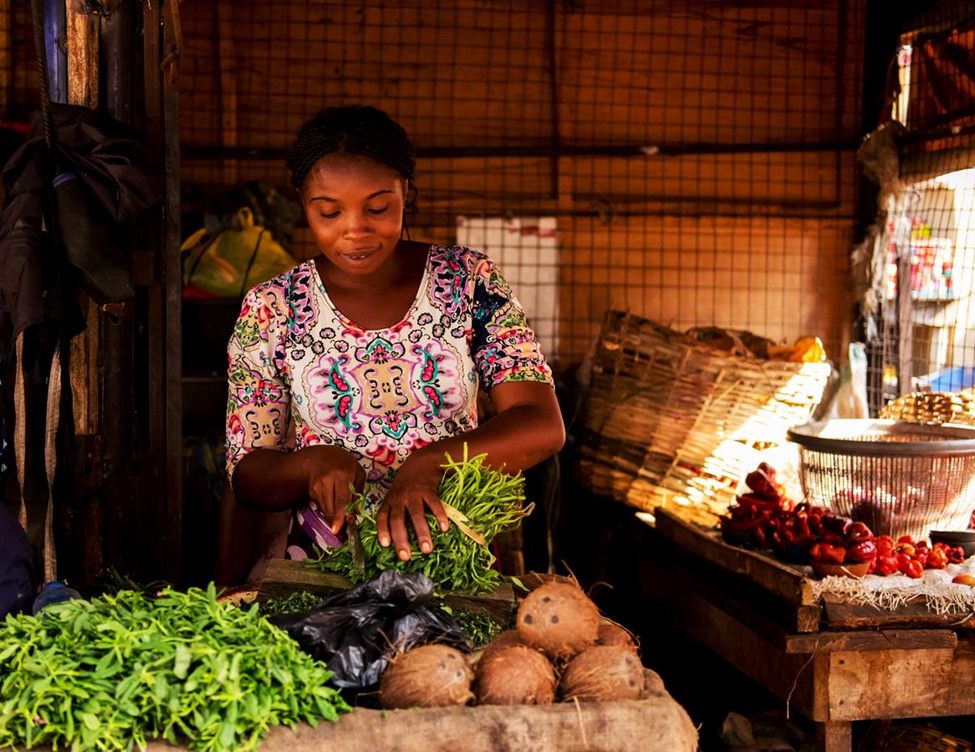
Friday, 05/06/2026 | 07:48:56
In Africa, hunger and food insecurity continue to rise, while the gap between existing funding for agriculture and the funds needed to transform the agrifood system remains. This is according to the report titled Africa Regional Overview of Food Security and Nutrition 2025, released by the Food and Agriculture Organization of the United Nations (FAO), the United Nations Economic Commission for Africa (ECA), the World Food Programme (WFP), and the African Union Commission (AUC).