


News & Events
News & Events
Comprehensive Evaluation of Bacterial Blight Resistance and Gene Distribution in Common Wild Rice (Oryza rufipogon) from Hainan Province, China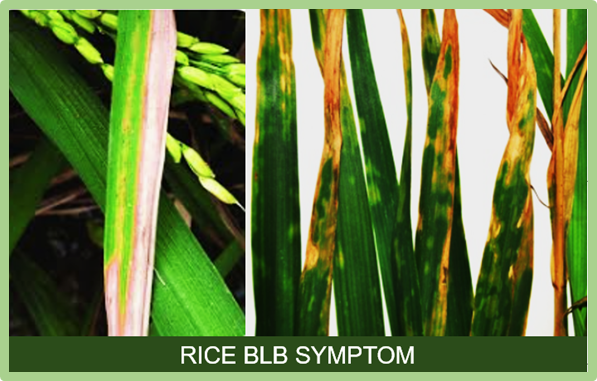
Friday, 12/06/2026 | 08:53:11
Bacterial blight (BB), caused by Xanthomonas oryzae pv. Oryzae (Xoo), is one of the most devastating diseases in rice worldwide. Common wild rice (Oryza rufipogon Griff.) inhabiting the high-temperature and high-humidity environments of Hainan Island has evolved strong disease resistance through natural selection, representing a valuable genetic reservoir for resistance breeding. However, large-scale characterization of resistance phenotypes, resistance genes, and their combinations remains limited.
Global Survey Seeks Researcher Input on Capacity-Building and Non-Monetary Benefit Sharing for DSI
Friday, 12/06/2026 | 08:52:05
The DSI Scientific Network is inviting researchers worldwide to contribute their perspectives to an ongoing global policy dialogue on digital sequence information (DSI). The Network brings together experts from all regions of the world and research contexts to help ensure that emerging international governance frameworks on DSI access and benefit-sharing support scientific research and equitable participation.
IFAD partners with Government of Ghana and World Bank to transform agri-food systems through AgriConnect Compact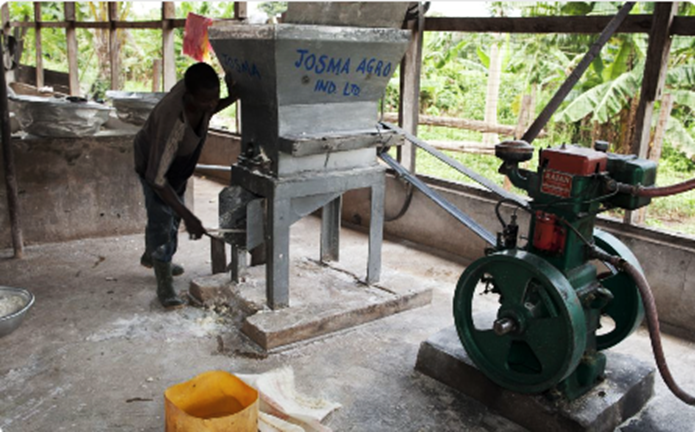
Friday, 12/06/2026 | 08:50:46
At today’s launch of the Ghana AgriConnect Compact, the International Fund for Agricultural Development (IFAD) reaffirmed its commitment to partner with the Government of Ghana, the World Bank, and other development partners to accelerate the transformation of the country’s agri-food systems and drive inclusive economic growth.
Jacalin-Related Lectin OsJacLK1 Positively Regulates Resistance to Magnaporthe oryzae in Rice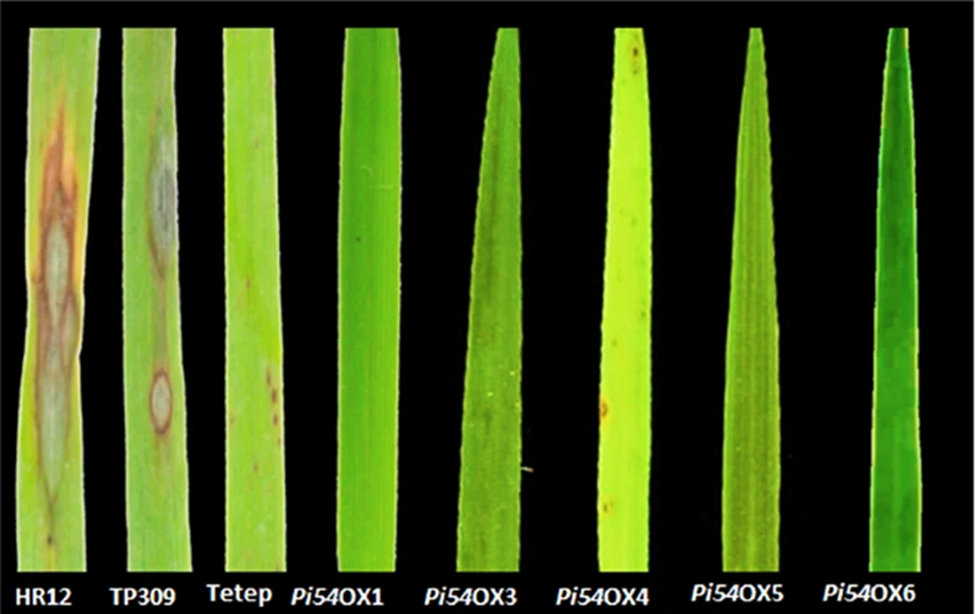
Friday, 12/06/2026 | 08:50:58
Jacalin-related lectins play crucial roles in plant adaptation to abiotic and biotic stresses. The rice genome encodes four putative jacalin-related lectin kinase genes (OsJacLKs), but their functions toward environmental stresses remain largely uncharacterized. This study demonstrates that a putative jacalin-related lectin kinase, OsJacLK1, conferred resistance to the rice blast fungus Magnaporthe oryzae rather than salt stress.
Chinese Researchers Identify Key Gene for High Protein Content in Maize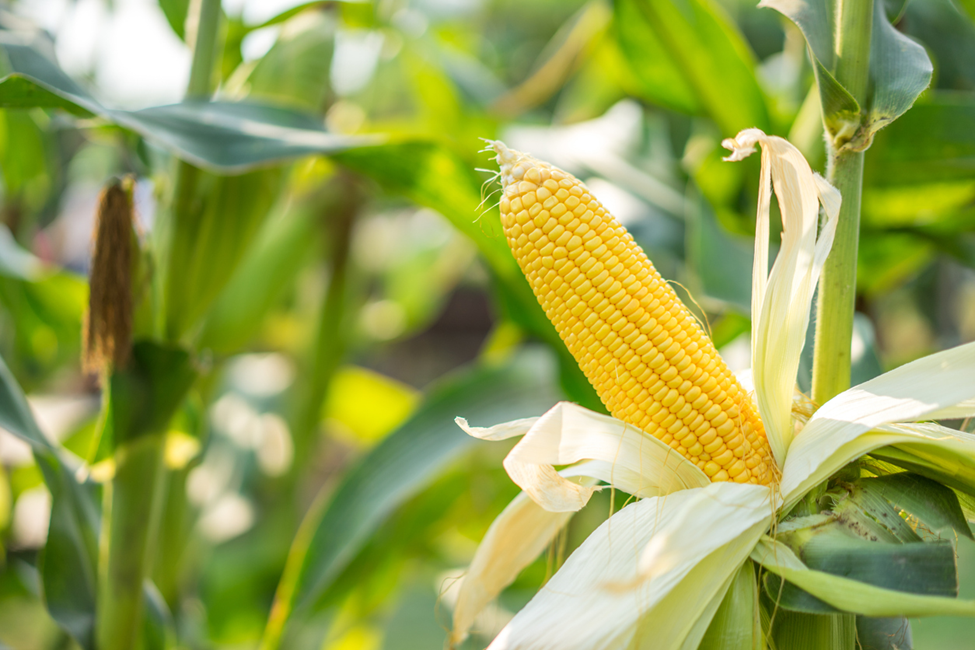
Friday, 12/06/2026 | 08:48:14
Chinese scientists have successfully isolated a key gene from teosinte, the wild ancestor of modern corn, that dramatically increases the protein content in maize seeds. Published in the journal Nature, the research was led by the Chinese Academy of Sciences (CAS), along with Shanghai Normal University and Sichuan Agricultural University. The discovery provides a powerful genetic tool to reverse a historical trend: over 9,000 years of domestication
FAO Partnership Award honors logistics, youth innovation and integrated development
Friday, 12/06/2026 | 08:47:17
The 2026 FAO Partnership Award was jointly awarded to HELP Logistics, the Jordan Youth Innovation Forum, and the Maasai Integrated Development Initiative, recognizing their strong results for people and communities across diverse contexts.The annual prize pays tribute to outstanding cooperation with FAO in advancing its mandate, including partnerships with Members, UN agencies, international institutions, academia, civil society, the private sector and media.
Inter-plot competition in hybrid maize multi-environment yield trials in Ethiopia can reduce rate of genetic gain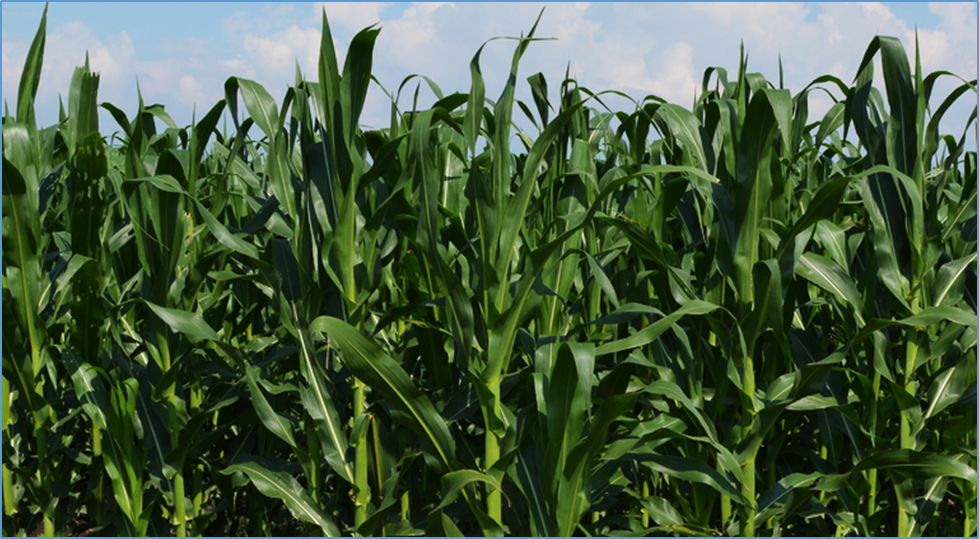
Friday, 12/06/2026 | 08:38:50
Conducting large-scale multi-environment trials (METs) is practically challenging to breeding programs in Sub-Saharan Africa due to limitations of land, seed, and associated costs of phenotyping. As a result, early-generation hybrid maize trials are usually planted in single-row plots. In trials with single-row plots, genotypes compete with their neighbors for resources, and this biases the prediction of the genotype value.
Canada Clears Gene-Edited High-GABA Tomato as Safe Non-Novel Food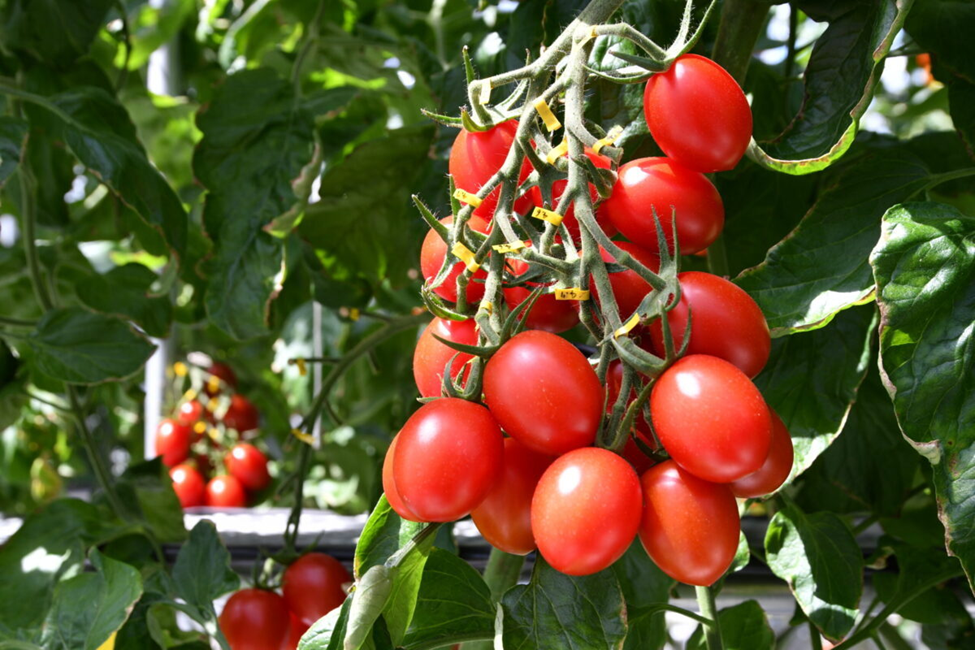
Friday, 12/06/2026 | 08:37:47
Japanese biotechnology firm Sanatech Life Science Co., Ltd. has secured regulatory clearance in Canada for its gene-edited Sicilian Rouge High GABA tomato. Following a thorough review by Health Canada's Novel Foods Section, the federal agency determined that the product meets all requirements under its plant breeding guidelines and does not meet the definition of a novel food.
ISAAA and MABIC Announce 2026 Asian Short Course in Malaysia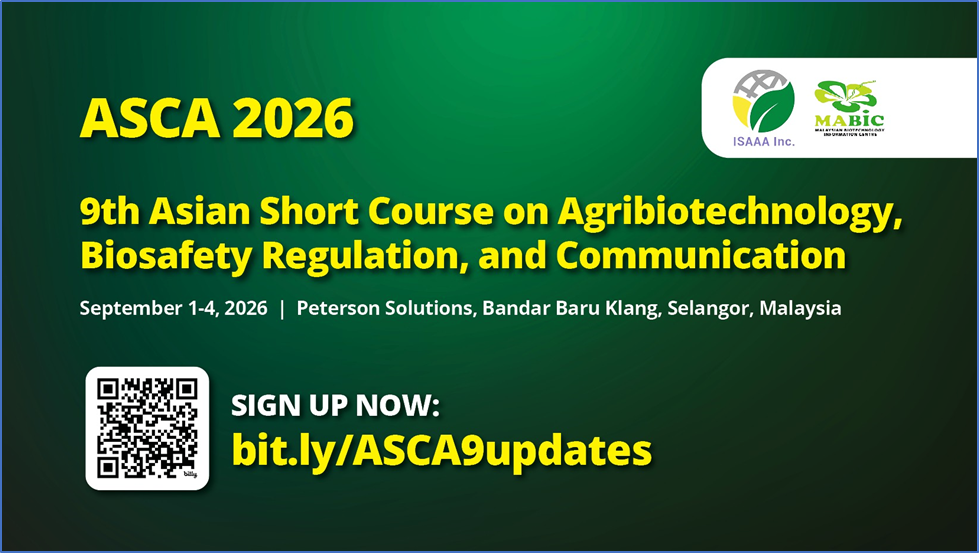
Friday, 12/06/2026 | 08:37:04
Agricultural biotechnology holds immense potential to foster sustainable agriculture, but transforming lab breakthroughs into real-world solutions requires a seamless blend of robust R&D, science-based regulations, and effective communication. To ensure society reaps these benefits while minimizing risks, scientists, regulators, and policymakers must collaborate closely so that scientific advancements and regulatory practices evolve hand in hand.
Cashew Nut Oil Improves Lipid Metabolism and Fat Liver Deposition in High-Fat Diet-Fed C57BL/6J Mice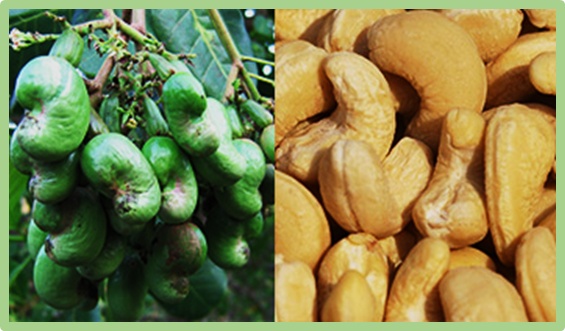
Thursday, 11/06/2026 | 06:37:12
Cashew nut oil adds value to the production chain of this Brazilian oilseed. It is a good source of monounsaturated and polyunsaturated fatty acids and bioactive compounds, such as phenolics. This study investigated the effects of cashew nut oil on the metabolism of animals subjected to a high-fat diet. C57BL/6J mice were fed a high-fat diet (12 weeks), then switched to diets containing cashew nut oil, soybean oil, or lard (12 weeks). Diets were characterized for their fatty acid profile
High-yielding Bt Cotton Variety Withstands Biotic and Abiotic Stresses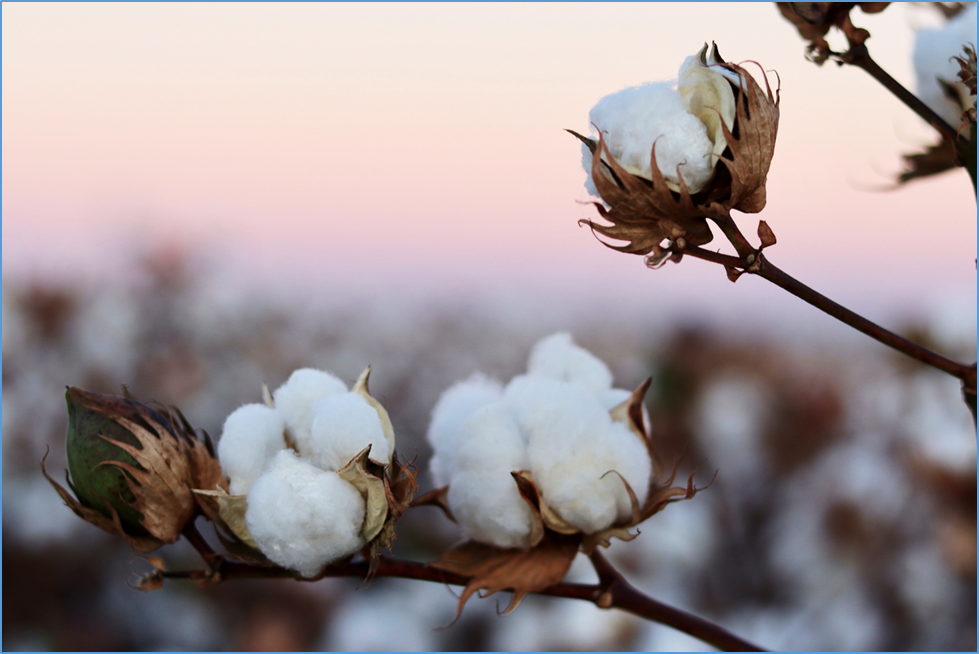
Thursday, 11/06/2026 | 06:36:11
Cotton is an incredibly important crop for farmers in India's Central Zone, a region that relies heavily on rain. However, these farmers face tough challenges, including low crop yields, unpredictable rainfall, droughts, pests, and plant diseases. While older Bt cotton varieties helped control bollworm pests, farmers still need new cotton varieties that yield high and can withstand biotic and abiotic stresses.
Research Shows Drought-Stressed Canola, Tomatoes, and Rice Block Iron Uptake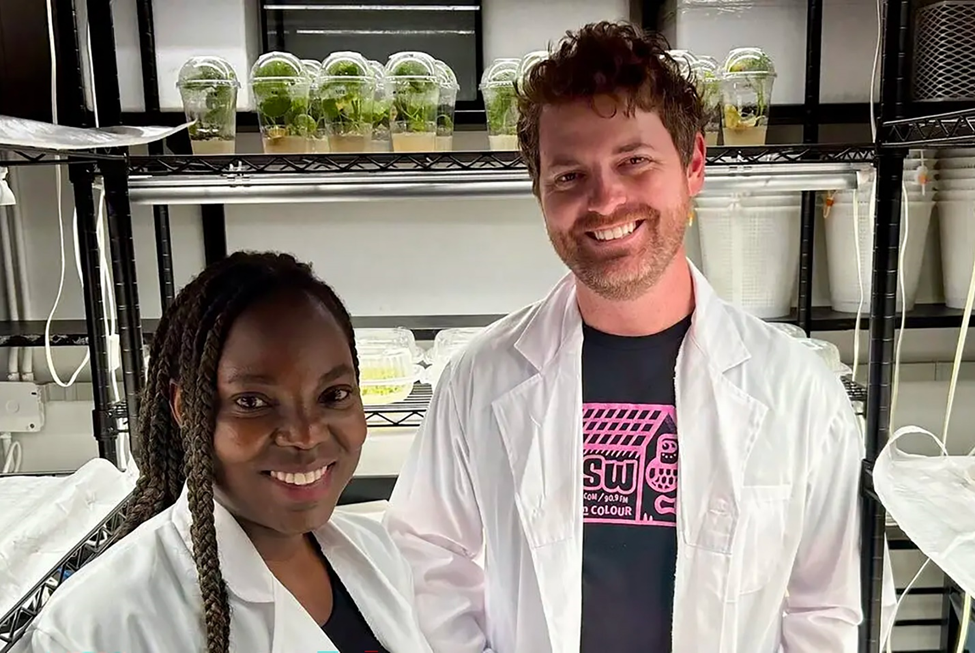
Thursday, 11/06/2026 | 06:35:20
A study by scientists at the University of Calgary (UCalgary) has revealed that major agricultural crops, including canola, tomatoes, and rice, actively shut down their ability to absorb iron during drought. Published in the journal Cell, the research shows that drought stress triggers a fundamental genetic wiring change in plant roots. Instead of sending out a "cry for help" to soil microbes, drought-stressed plants simultaneously dial down both their immune systems and their inner iron-uptake machinery.