


News & Events
News & Events
WHO Global Summit charts a bold future for traditional medicine
Friday, 09/01/2026 | 14:03:40
The second WHO Global Summit on Traditional Medicine, jointly organized with the Government of India, concluded today in New Delhi, marking a major milestone for global health as it drew over 16 000 online registrations and brought together 800 delegates from more than 100 countries, including ministers from over 20 nations. Combined with a strong line up of 160 speakers, the global traditional medicine community shared insights on how traditional medicine (TM) can strengthen health systems with more safe, evidence-based, and affordable care.
Improving gene editing of CRISPR/Cas9 using the callus-specific promoter pYCE1 in cassava (Manihot esculenta Crantz)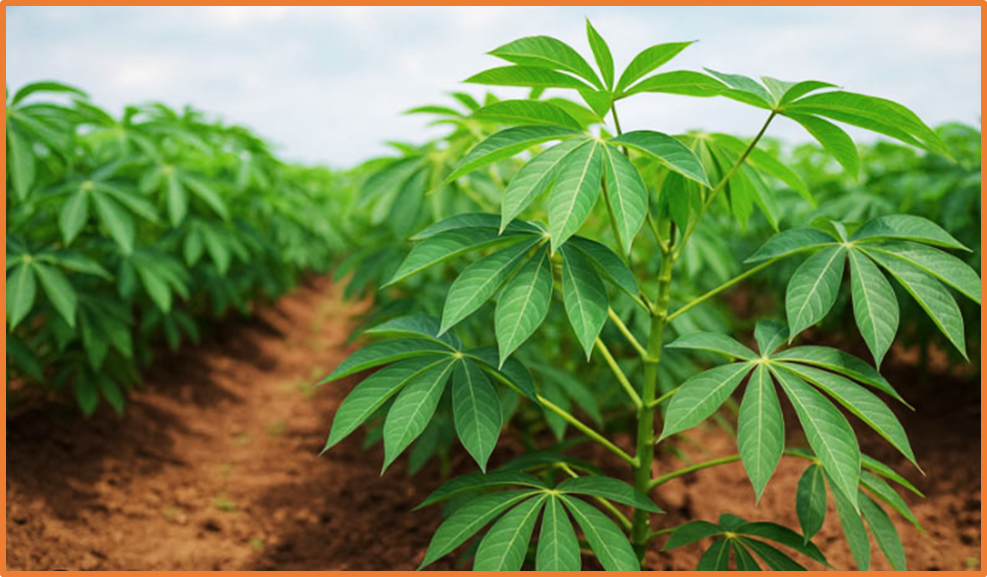
Friday, 09/01/2026 | 08:12:26
Previous studies have demonstrated that an appropriate promoter can drive Cas9 transcription in the CRISPR/Cas9 system, which improves the efficiency of gene editing. Here, we identified and characterized callus-specific promoters to enhance gene editing efficiency in cassava. From the transcriptome data of 11 cassava tissues, the gene named YCE1 was identified to exhibit callus-specific expression. Its promoter (pYCE1) could efficiently and specifically drive EGFP transcription in callus tissues.
Genome-Edited High-GABA Tomato Completes Singapore Food Agency (SFA) Process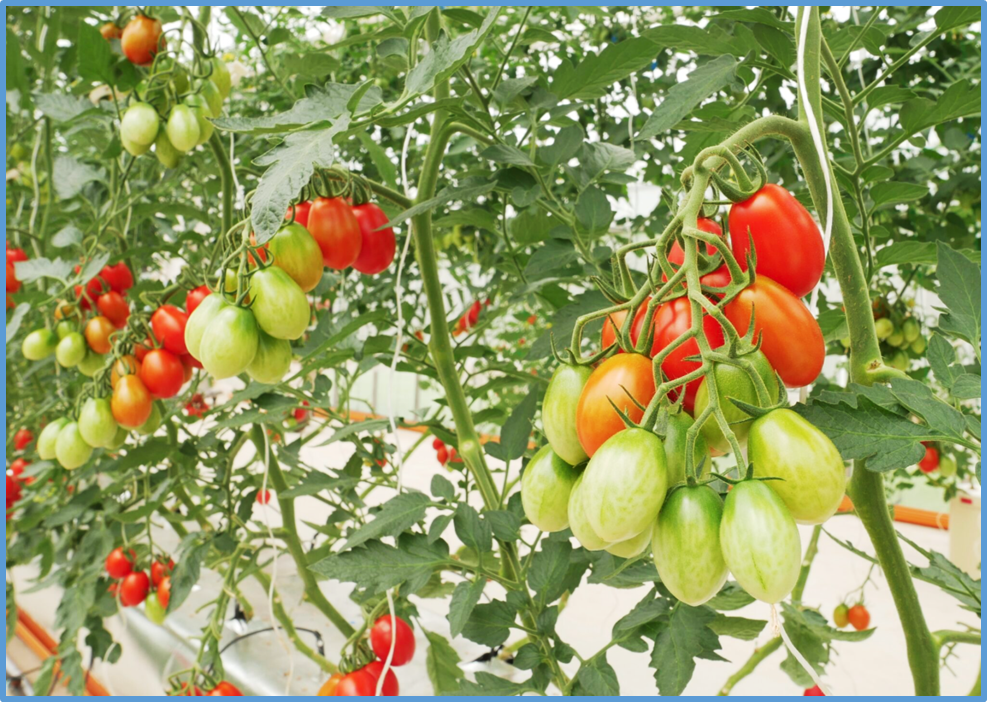
Friday, 09/01/2026 | 08:10:14
Seed Co., Ltd. (now Sanatech Life Sciences Co., Ltd.)’s genome-edited high-GABA tomato has been confirmed by the Singapore Food Agency (SFA) to be exempt from the GMO pre-market approval process (the approval process required for the sale of genetically modified crops and genome-edited crops deemed equivalent to genetically modified crops). (Notification received on October 30, 2025).
Rural investment builds a promising future at home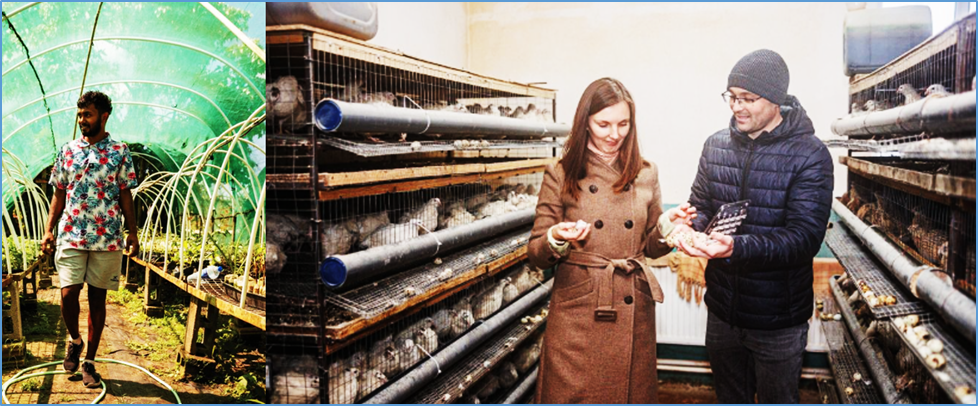
Friday, 09/01/2026 | 08:09:10
Migration is high on the political agenda of both developed and developing nations. This won't change anytime soon. High levels of poverty and hunger, trade tensions and growing inequality mean more people are likely to leaves their homes in search of a better future.
At IFAD, we believe migration should be a choice, not a necessity. No one should feel forced to leave their homes and their families in rural areas due to a lack of opportunities.
A robust 1K-core marker set for wild germplasm management and targeted pre-breeding of rice: development and applications
Thursday, 08/01/2026 | 08:04:06
Development of genome-wide distributed cross-transferable molecular markers applicable to different species can enhance pre-breeding efficiency. Screening of 23.5K primer pairs across nine reference genomes identified 1,008 cross-amplifiable sequence-tagged microsatellite site (STMS) markers, including 520 genic ones, for the Oryza sativa complex. Predicted amplicon lengths of the markers were validated using polymerase chain reaction (PCR).
Evolution of viral genomes and their clouds of sequence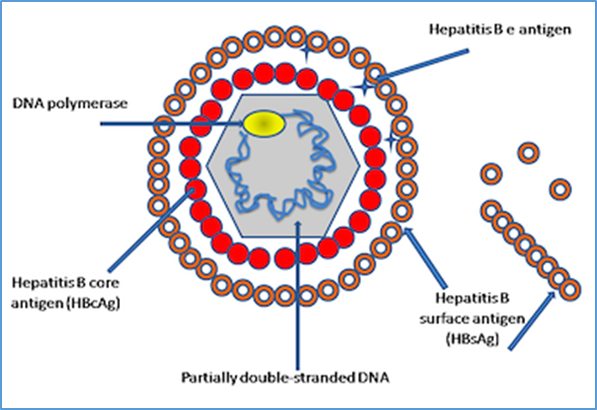
Thursday, 08/01/2026 | 08:02:35
When a novel virus such as Sudden Acute Respiratory Syndrome Coronavirus 2 (SARS-CoV-2) infects a new host species, it faces an inhospitable environment. However, a few mutations can be all the virus needs to get a bit of replication accomplished. As we know from the SARS-CoV-2 pandemic, the results of adaptation in even a few hosts can be catastrophic for the entire new host population. The remarkable paper by Martínez-González et al
FAO Food Price Index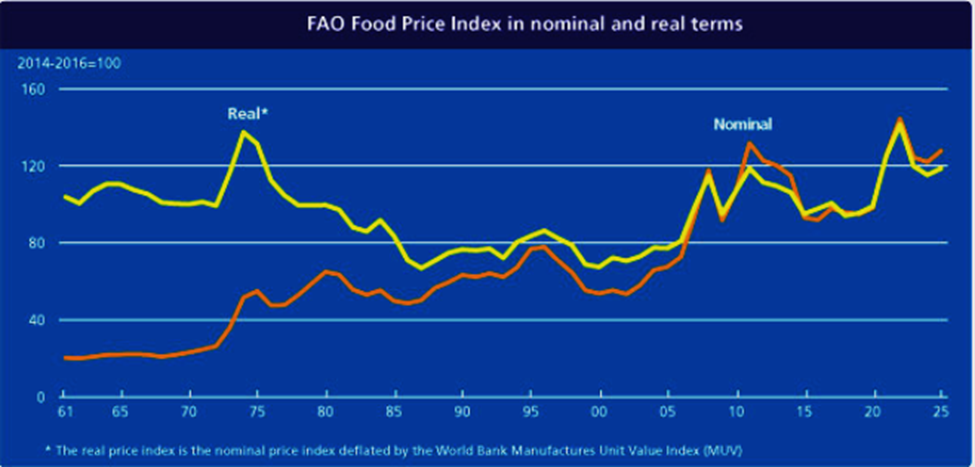
Thursday, 08/01/2026 | 08:01:24
The FAO Food Price Index (FFPI) is a measure of the monthly change in international prices of a basket of food commodities. It consists of the average of five commodity group price indices weighted by the average export shares of each of the groups over 2014-2016. A feature article published in the June 2020 edition of the Food Outlook presents the revision of the base period for the calculation of the FFPI and the expansion of its price coverage, to be introduced from July 2020
Single-cell transcriptomics reveal how root tissues adapt to soil stress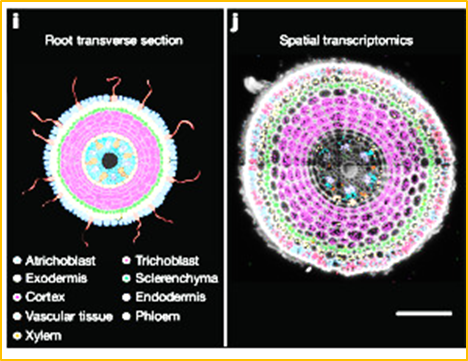
Wednesday, 07/01/2026 | 07:58:31
Land plants thrive in soils showing vastly different properties and environmental stresses1. Root systems can adapt to contrasting soil conditions and stresses, yet how their responses are programmed at the individual cell scale remains unclear. Using single-cell RNA sequencing and spatial transcriptomic approaches, we showed major expression changes in outer root cell types when comparing the single-cell transcriptomes of rice roots grown in gel versus soil conditions.
Philippines approved the soybean event GMB 151 for food, feed, and processing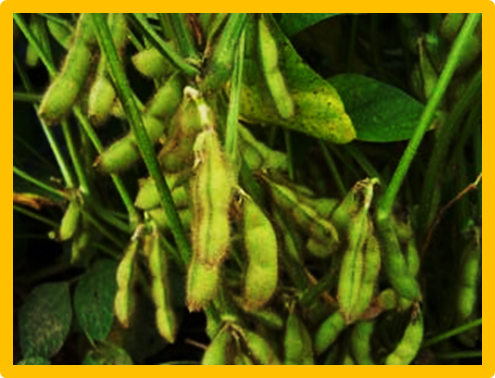
Wednesday, 07/01/2026 | 07:57:20
The GM Approval Database, or GMAD, is one of ISAAA’s unique features that compiles all the available information about biotech/GM crops that have been approved for planting and importation for food and feed, and commercialization. ISAAA sources out the information from publicly available decision documents per country, Biosafety Clearing Houses and peer-reviewed scholarly articles to maintain the credibility of the database.
Market trends reshaping rice-based food systems: Implications for IRRI 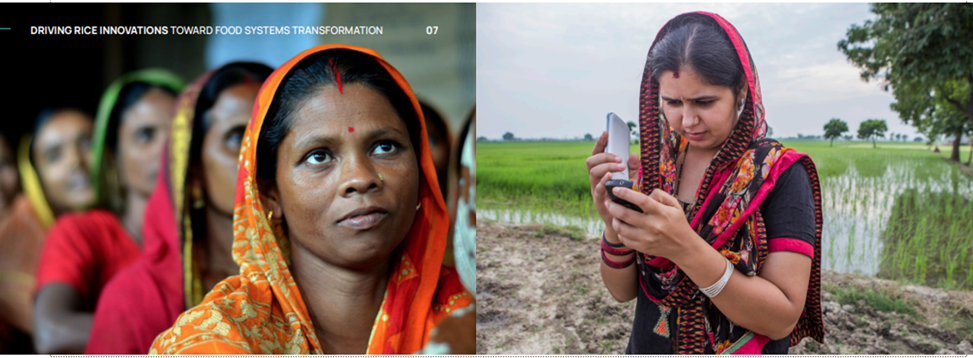
Wednesday, 07/01/2026 | 07:55:18
Climate change poses a major threat to rice productivity, with the crop facing a dual challenge: adapting to rising climate risks while reducing its environmental footprint. Rice also covers 11% of global arable land but contributes 10% of agricultural emissions—mainly methane from flooded paddies—and uses 40% of the world’s irrigation water. With each 1°C temperature rise potentially cutting tropical rice yields by 10–15%, and extreme weather already causing major food losses, IRRI will lead the shift to climate-smart, nature-positive systems.
A genome-wide association analysis identifies a key candidate gene controlling plant growth habit in chickpea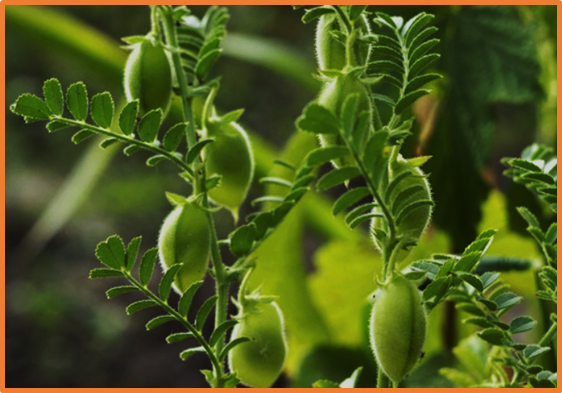
Tuesday, 06/01/2026 | 08:40:10
Identification of molecular markers governing plant growth habit (PGH) traits that enable mechanical harvestability is pivotal for boosting production efficiency of crops under changing climates and increasing global food demand. With a combinatorial integrated genomics-assisted breeding strategy comprising of association mapping, haplotype-based association, molecular haplotyping and gene expression analysis in a 286 association panel of chickpea (Cicer arietinum), we dissected the genetic basis of PGH traits.
BT Eggplant Production in the Philippines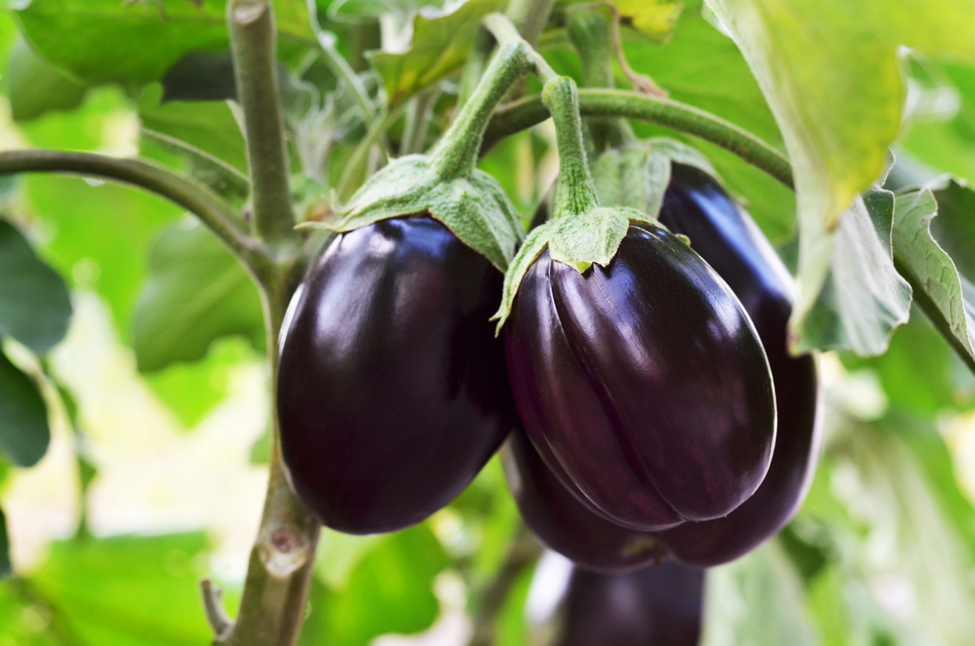
Tuesday, 06/01/2026 | 08:39:06
Eggplant is one of the world’s most important vegetables and a staple in some South and Southeast Asian countries. In the Philippines, eggplant or talong is the leading vegetable crop in terms of volume (248,000 metric tons) and area of production (14,000 hectares) based on the 2022 Philippine Statistics Authority report. Eggplant farming also offers huge income potential for resource-poor farmers in many provinces in the country.