


News & Events
News & Events
Why 2025 mattered: Top IFAD stories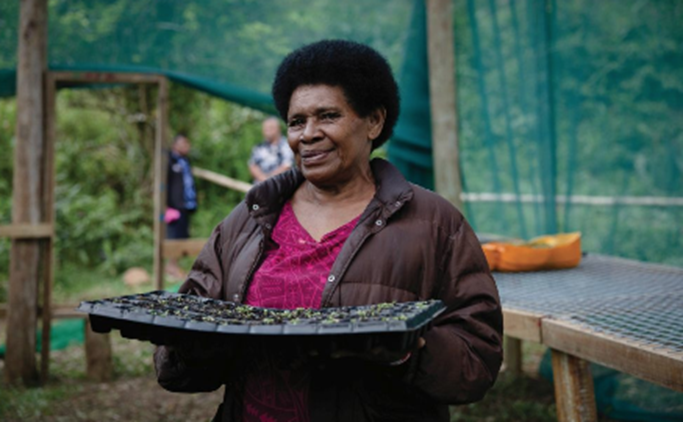
Wednesday, 14/01/2026 | 08:12:52
As the year draws to a close and we look back on 2025, the message is clear: IFAD’s investments are not just funding rural development, they are changing lives, building resilience, creating jobs and driving sustainable economic growth.
This year, IFAD has cemented its role as a financial leader, driving the charge in rural development and turning investments into tangible results for both rural communities and for Member States and other investors.
Crop root system architecture in drought response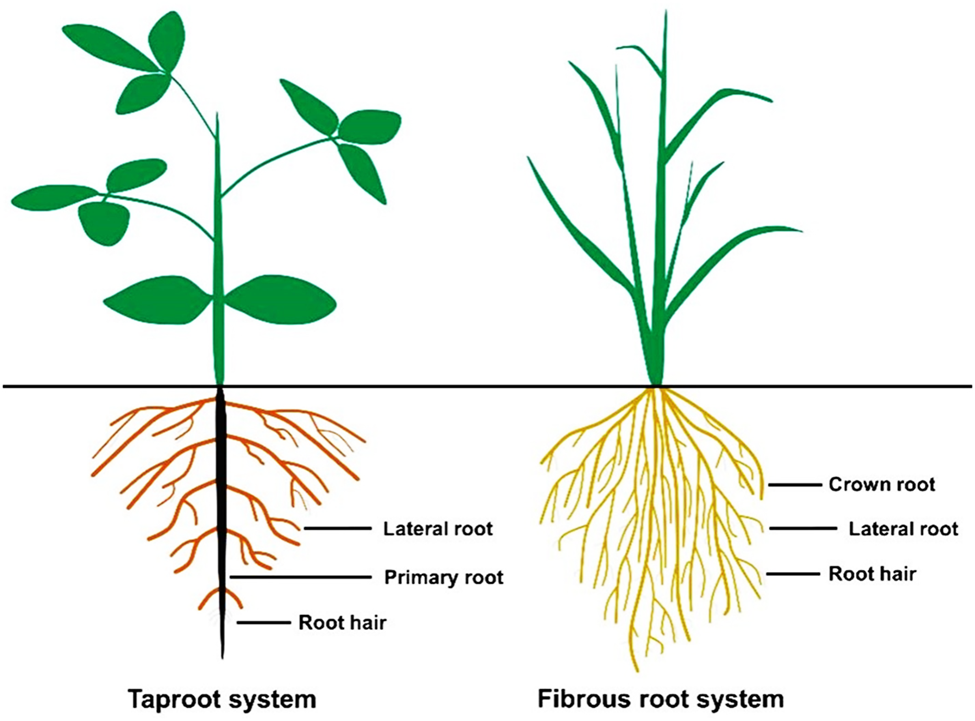
Tuesday, 13/01/2026 | 08:20:07
Drought is a natural disaster that profoundly impacts on global agricultural production, significantly reduces crop yields, and thereby poses a severe threat to worldwide food security. Addressing the challenge of effectively improving crop drought resistance (DR) to mitigate yield loss under drought conditions is a global issue. An optimal root system architecture (RSA) plays a pivotal role in enhancing the capacity of crops to efficiently uptake water and nutrients, which consequently strengthens their resilience against environmental stresses.
India approves first genome-edited rice varieties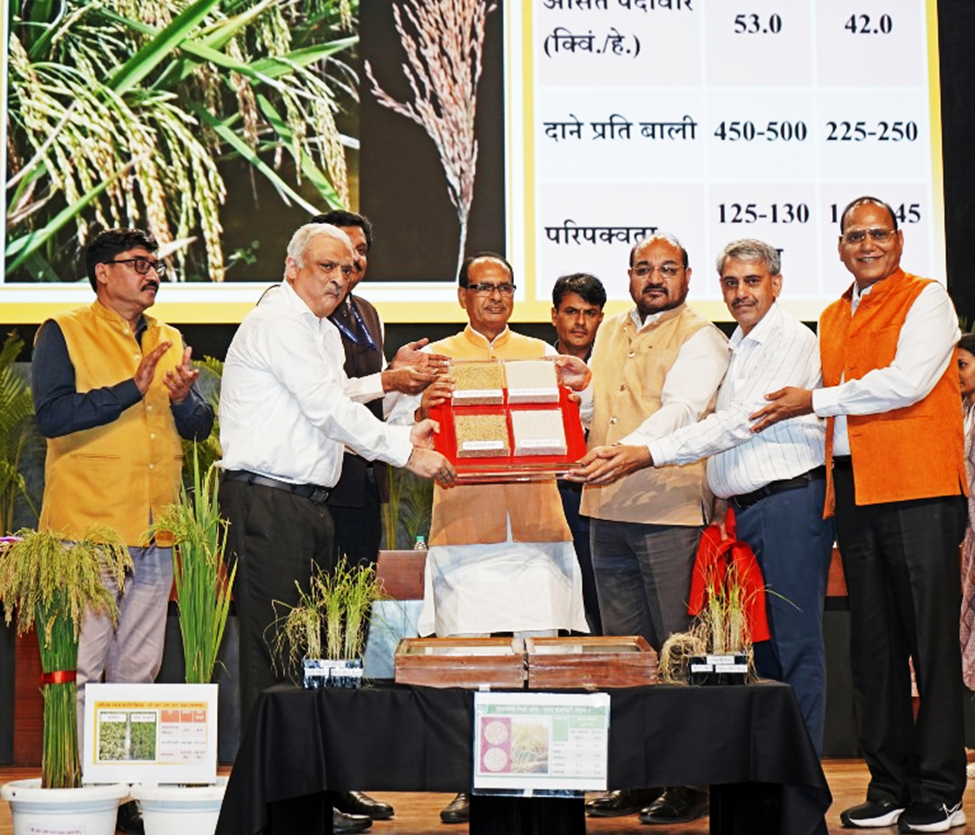
Tuesday, 13/01/2026 | 08:17:48
India has approved its first genome-edited rice varieties, signaling a shift toward more sustainable, high-performing crops developed without foreign DNA. Unlike genetically modified organisms (GMOs), these new rice lines, created using the CRISPR-Cas9 system, rely on precise gene editing to enhance resilience and productivity.
India's agriculture minister Shivraj Singh Chouhan released the two varieties — Pusa rice DST1 and DRR Dhan 100 — developed by researchers at the Indian Agricultural Research Institute (IARI) and the Indian Institute of Rice Research (IIRR), both under the Indian Council of Agricultural Research (ICAR).
ICRISAT Strengthens Global Capacity on Digital Sequence Information to Support Future-Ready Genebanks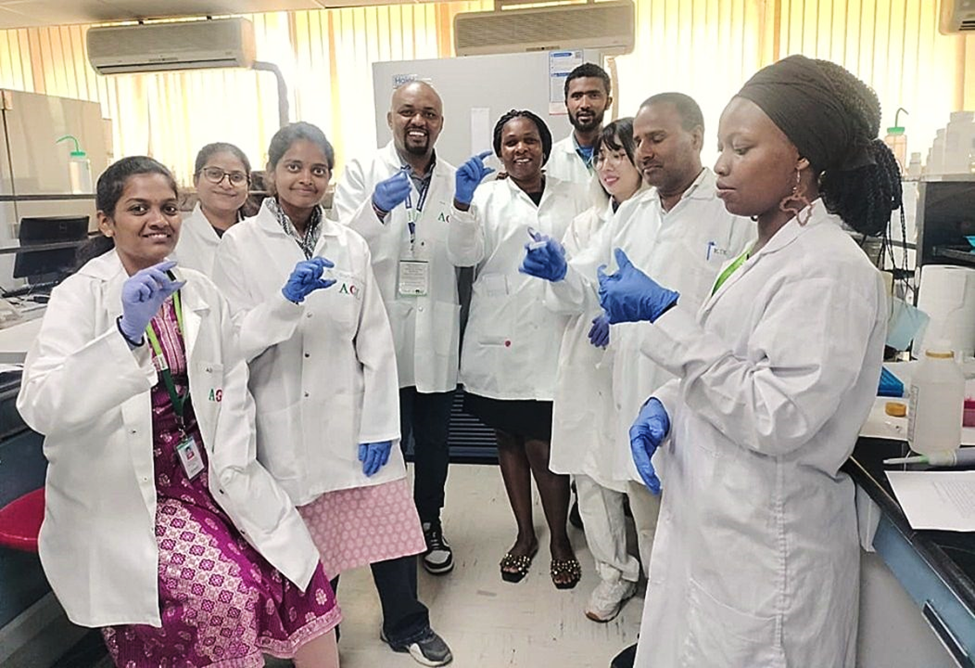
Tuesday, 13/01/2026 | 08:16:12
As genomics increasingly shapes modern agriculture, Digital Sequence Information (DSI), the digital data derived from a plant’s DNA, has become a powerful tool for improving how crop genetic resources are accessed and used, particularly in plant breeding programs for developing better crop varieties.
However, the rapid growth of genomic data has outpaced the capacity of many national research systems, especially in developing countries, to apply these tools effectively and responsibly.
Genomic approaches to build de novo elite breeding gene pools from locally adapted landraces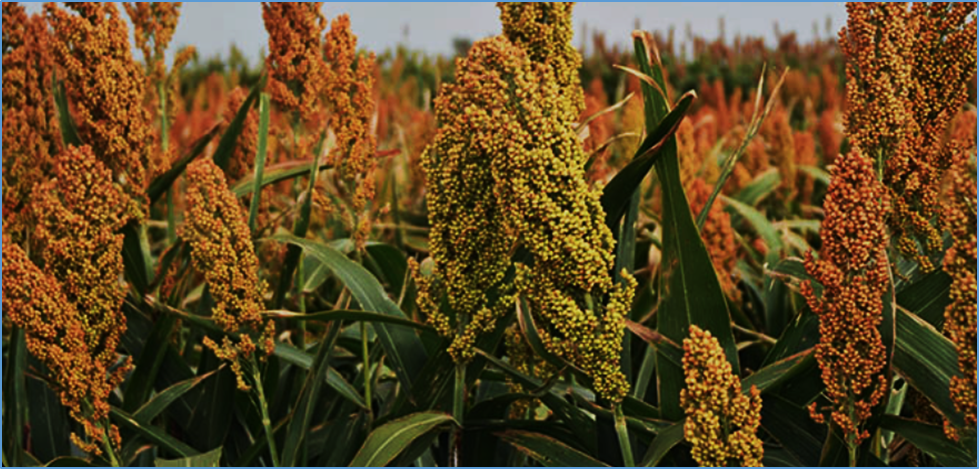
Monday, 12/01/2026 | 08:22:37
Many nascent breeding programs aim to achieve genetic gain by crossing locally-elite germplasm, but a lack of systematic approaches to develop elite gene pools from locally adapted varieties hinders their progress. Motivated by the observation of undesirable transgressive segregation in presumed elite crosses in Senegalese cereal breeding programs, we designed approaches for de novo development of elite gene pools from locally adapted landrace-derived germplasm.
World Meet on Biotechnology and Plant Biology in 2025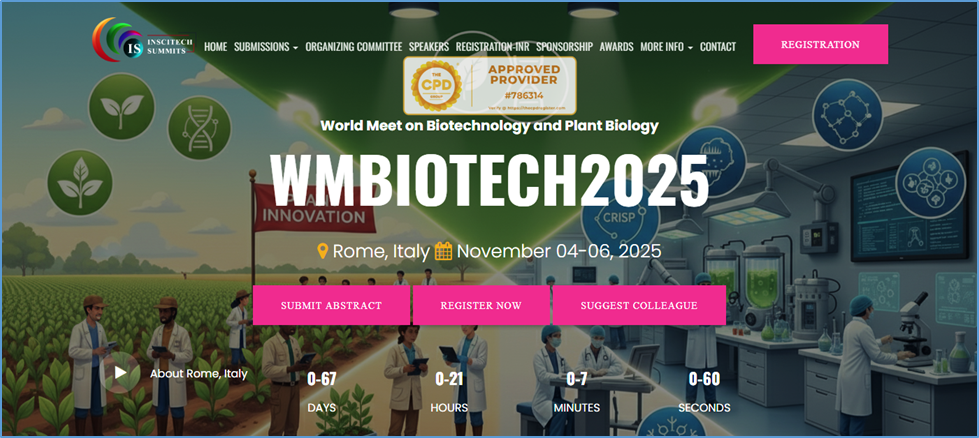
Monday, 12/01/2026 | 08:21:18
The World Meet on Biotechnology and Plant Biology (WMBIOTECH2025) is scheduled to take place from November 4–6, 2025, in Rome, Italy. This prestigious international conference is designed to serve as a global platform for scientists, researchers, academics, and industry leaders to exchange knowledge and showcase the latest innovations in the fields of biotechnology and plant biology.
Rural futures in focus: Papua New Guinea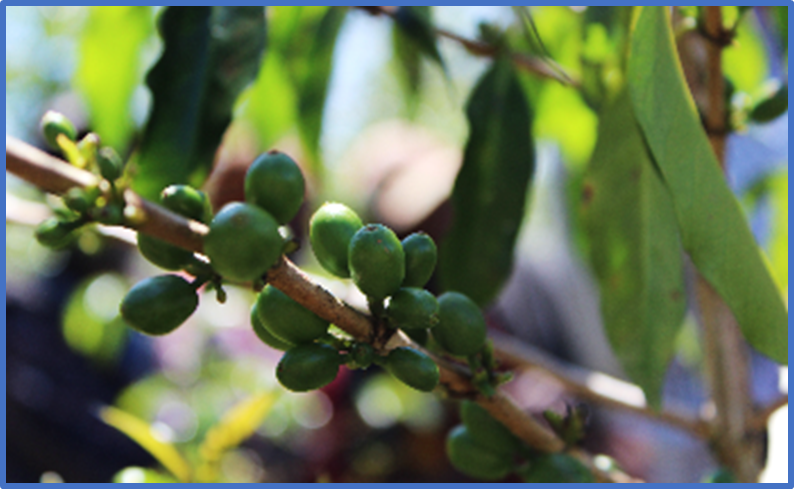
Monday, 12/01/2026 | 08:20:33
Papua New Guinea (PNG) is blessed with natural resources and a young, dynamic and strikingly diverse population, speaking over 800 languages. Yet its agricultural potential remains untapped. We caught up with Reehana Raza, IFAD’s Regional Director for Asia and the Pacific, to learn more after her recent visit to the island country. During her time in PNG, she saw the impact of the IFAD-supported Market for Village Farmers (MVF) project.
OsPP2C03 positively regulates rice drought stress resistance through a non-canonical ABA pathway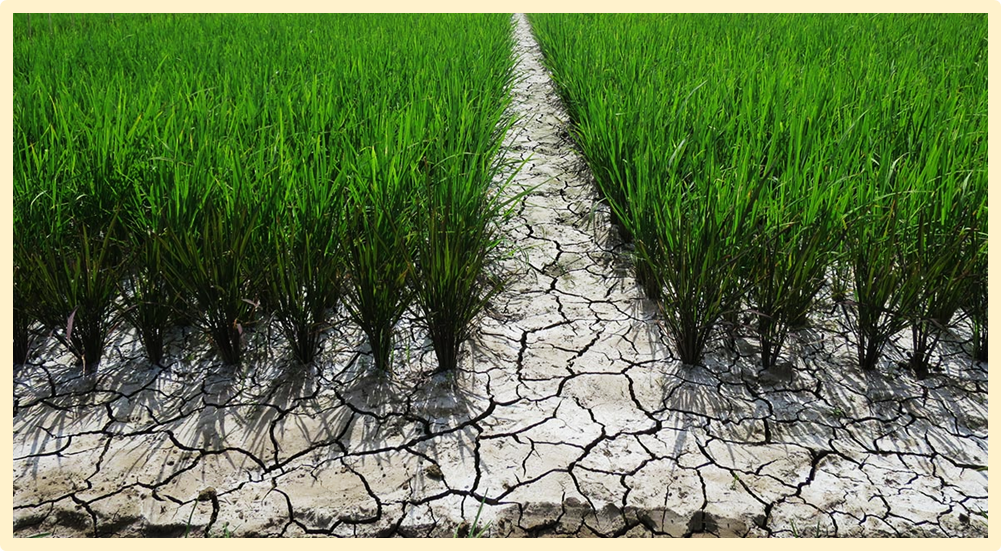
Sunday, 11/01/2026 | 08:18:25
Drought is a major factor limiting rice (Oryza sativa L.) production, making the identification of drought-related genes crucial for enhancing drought resistance in rice breeding. The Protein Phosphatase 2 C (PP2C) family, comprising serine/threonine protein phosphatases, plays critical roles in hormonal signaling pathways that orchestrate plant responses to biotic and abiotic stresses. Here, we identified OsPP2C03 (LOC_Os01g32964), an H-clade PP2C gene, as a drought-tolerance candidate through genome-wide association studies (GWAS).
WO2025264683 - genetically edited maize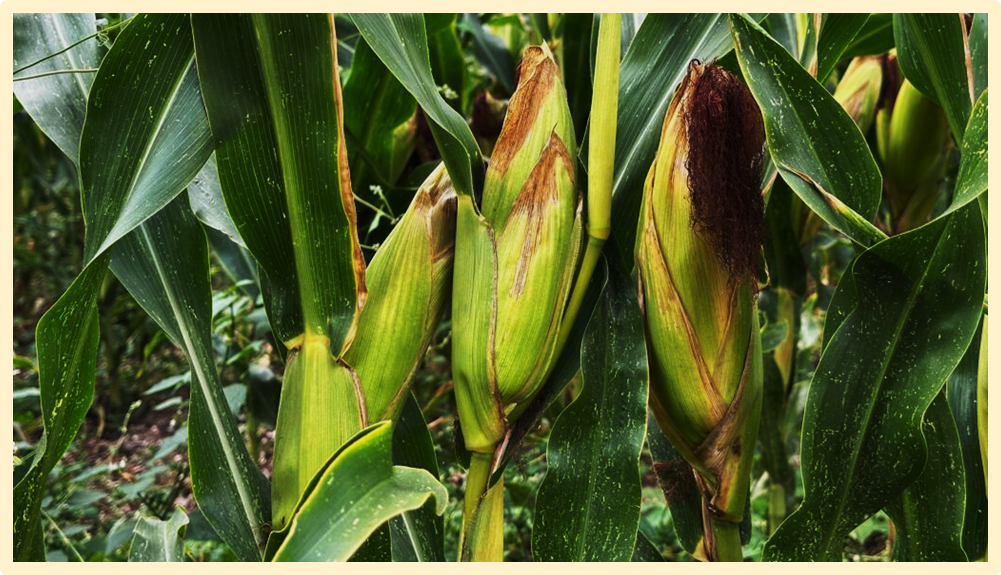
Sunday, 11/01/2026 | 08:18:29
Modifications of the maize gene ZmAN3 which provides maize plants with increased leaf length, leaf width, leaf area, leaf fraction fresh weight, leaf fraction dry weight, stem fraction dry weight, and/or 1000 kernel weight are disclosed. Also disclosed are seed obtained from such plants as well as use of the seed and plants to produce commodity productions and in maize breeding.
WHO hosts the second Global Summit to advance evidence, integration and innovation for traditional medicine
Sunday, 11/01/2026 | 08:18:33
The World Health Organization (WHO)’s Second Global Summit on Traditional Medicine, jointly organized with the Government of India, opens today, bringing together government ministers, scientists, Indigenous leaders, and practitioners from more than 100 countries. The Summit is expected to announce major scientific initiatives and new commitments aimed at advancing the implementation of the WHO Global Traditional Medicine Strategy 2025–2034
Goldilocks zone of lignin: Two extremes of valve lignification lead to silique indehiscence in Brassicaceae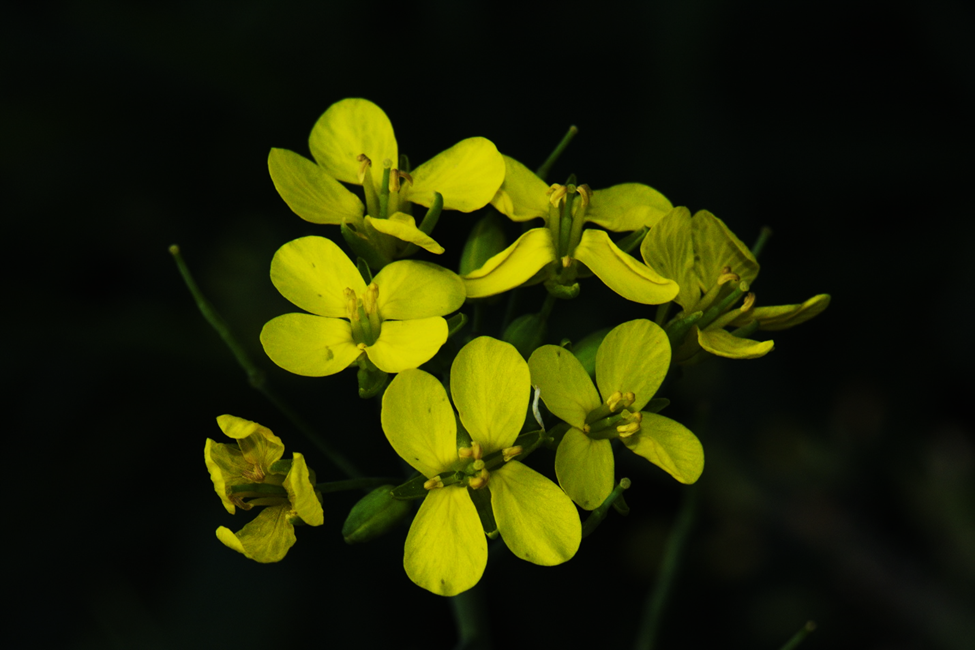
Friday, 09/01/2026 | 14:07:12
The spring-loaded spontaneous seed dispersal mechanism known as dehiscence, has been a critical plant feature for the successful colonization of land by angiosperms. Although advantageous for seed dispersal, spontaneous dehiscence is largely an unfavorable agronomic trait which historically was selected against during selective breeding of crops to increase seed retention. In canola (Brassica napus), a major global oil seed crop, spontaneous or harsh weather-induced fruit shattering at maturity could lead to yield losses from 3 to 50%.
Project Oppotunity completes first CRISPR-Cas field trials of late blight-resistant starch potatoes in Sweden and Denmark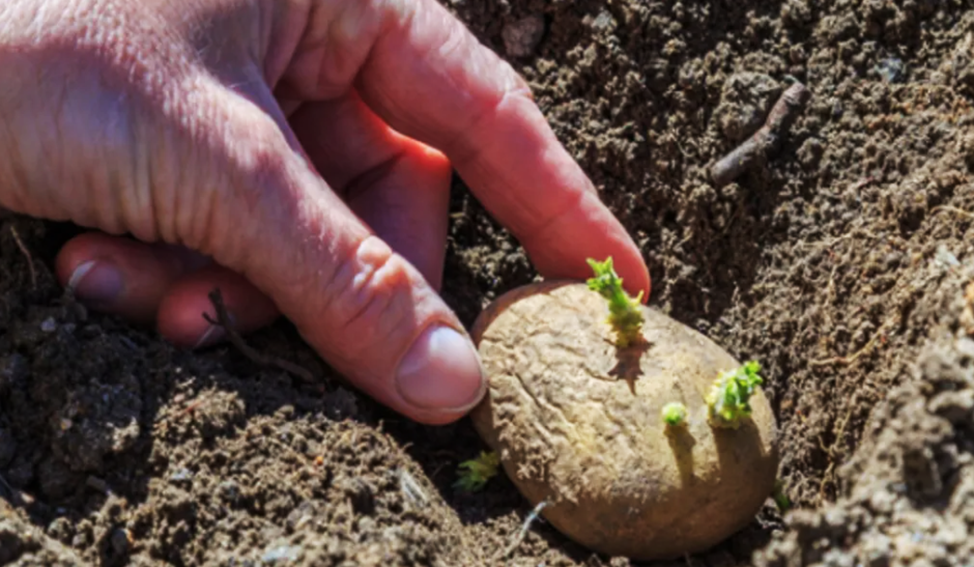
Friday, 09/01/2026 | 14:05:21
Project opportunity: a collaboration of 12 European organisations in the starch potato value chain – has reported successful completion of its first field trials with starch potatoes edited using CRISPR-Cas technology to improve resistance to late blight. The 2025 trials were conducted in Sweden and Denmark, alongside a seed multiplication programme designed to scale up material for larger tests in 2026.