


News & Events
News & Events
What fuels the stove, fires the change: rethinking cooking for health, empowerment and climate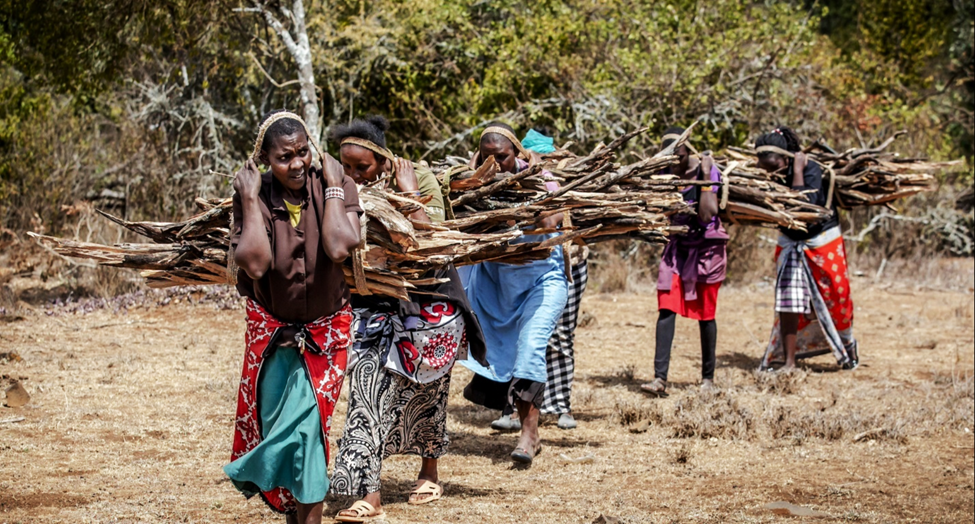
Tuesday, 06/01/2026 | 08:38:16
Five hours. That's how long women in energy-poor households spend each day on cooking-related tasks—time not spent in school, earning income, or caring for themselves. Multiply that by 2.1 billion people still cooking with traditional fuels, this represents a significant barrier to progress that gets far less attention than it deserves.
It isn’t just a matter of convenience. Household air pollution from traditional cooking methods causes 3.7 million premature deaths each year. Cooking with unsustainable, polluting fuels costs the world trillions in damage to the environment and local economies, but it’s women who pay the heftiest price.
Ey-1 encodes a DEDDh exonuclease in eggplant (Solanum melongena), providing a novel pathway for begomovirus resistance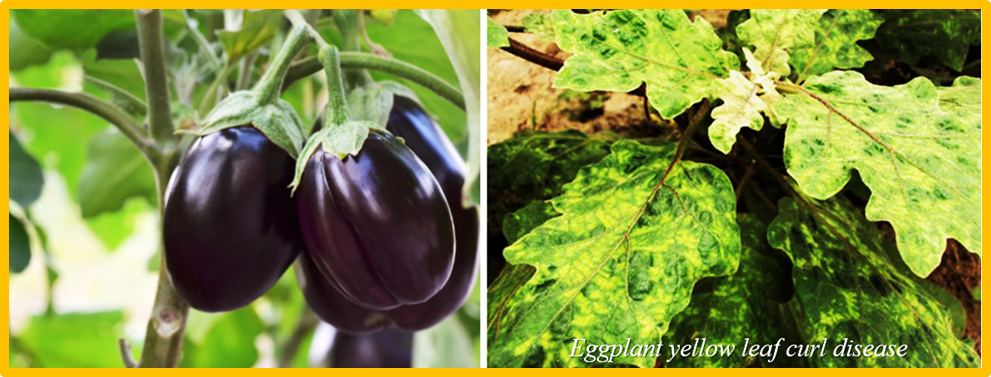
Monday, 05/01/2026 | 08:02:55
The whitefly-transmitted begomovirus can devastate Solanaceae crops worldwide. Despite a strong demand for the genetic introgression of begomovirus resistance, only the begomovirus resistance gene in tomatoes and peppers has been cloned. Here, we aimed to identify a begomovirus resistance gene in eggplant (Solanum melongena). Previously, we identified accession No.820 as a resistance source against tomato yellow leaf curl Kanchanaburi virus (TYLCKaV).
Advances in Rice Crop Breeding and Biotechnology: Techniques Driving Modern Rice Development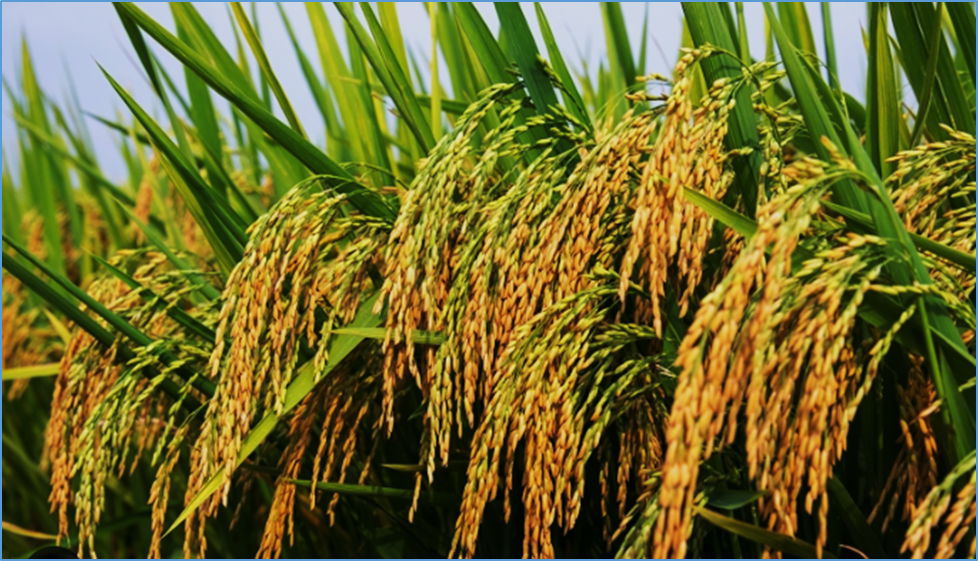
Monday, 05/01/2026 | 08:01:40
Rice is fundamental for global food security, but traditional breeding struggles to rapidly address challenges like climate change, pests, and increasing demand. This review synthesizes advancements in rice improvement, comparing conventional approaches with modern biotechnological tools. Traditional methods are slow, environmentally dependent, and have limited genetic diversity. Modern techniques, including MAS, QTL mapping,
2025 – A milestone year for the World Food Forum
Monday, 05/01/2026 | 08:00:35
Set against the backdrop of FAO’s 80th anniversary, the fifth edition of the World Food Forum in 2025 was remarkable, with 62 country chapters featuring a strong presence of global leaders, impressive numbers, and high-level events. This year's forum further solidified a five-year leadership in creating a premier international platform for discussions focused on transforming global agrifood systems.
A natural variant of an MYC2 gene in soybean contributes to resistance against the common cutworm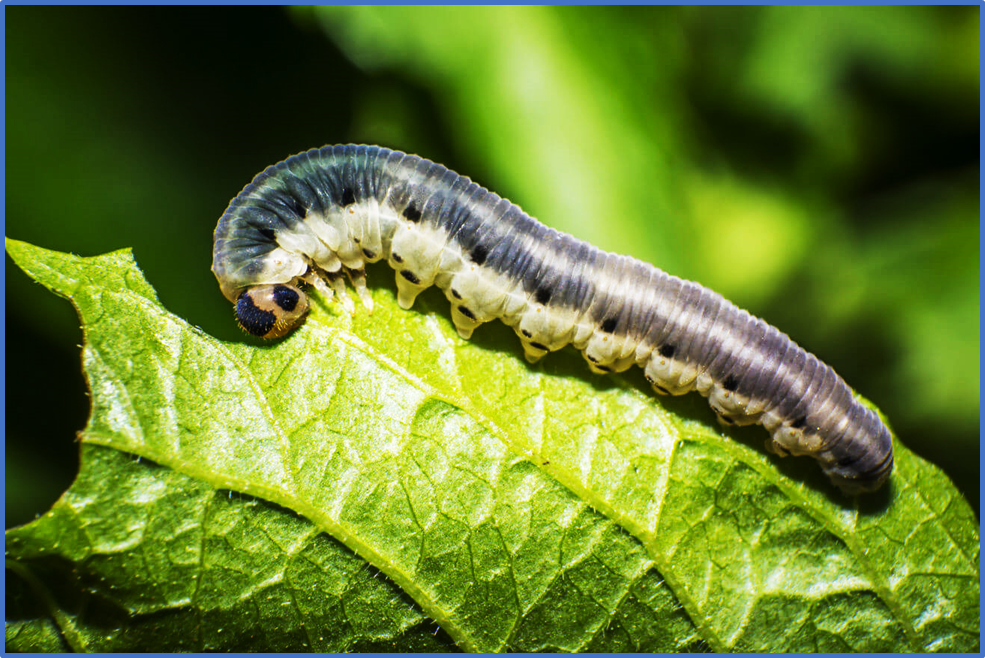
Monday, 05/01/2026 | 07:58:37
Herbivory is destructive for crop production in many regions worldwide. The induced plant response to herbivores promotes resistance; therefore, characterizing the mechanisms underlying natural host resistance is highly important. However, the genetic components of resistance to herbivores in the staple food crop soybean remain elusive. Here, a key defense gene, GmMYC3, was identified via joint linkage and association mapping in soybean.
Modern Japanese rice cultivars often carry a nonautonomous retrotransposon-insertion mutation at the pathogenesis-related 1b protein gene locus causing reduced resistance to Pyricularia oryzae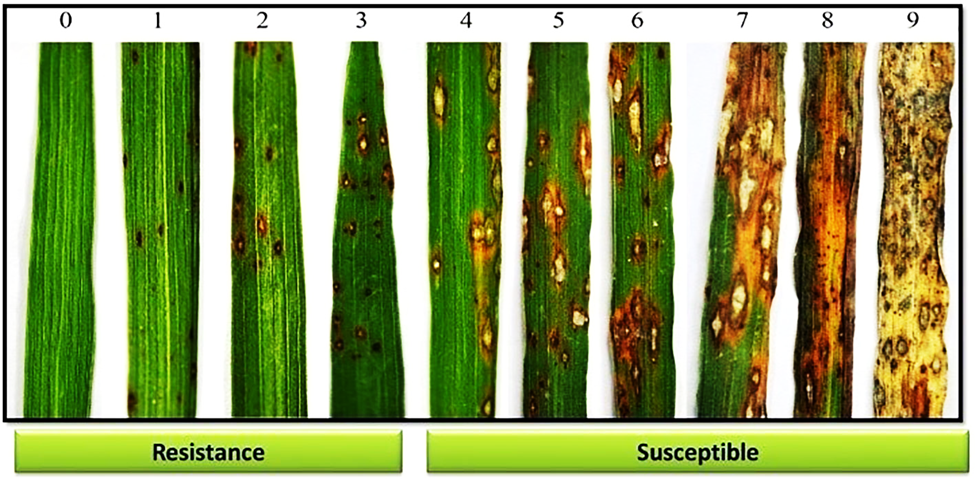
Saturday, 03/01/2026 | 08:20:16
In Japan, rice cultivars with high eating quality such as Koshihikari are often highly susceptible to the fungus Pyricularia oryzae, which causes rice blast, the most serious disease of rice; however, little is known about the genetic factors leading to this high susceptibility to blast. Here, after our initial inoculations with P. oryzae, the expression of the pathogenesis-related protein 1b (PR1b) gene was not detected in Koshihikari using RT-qPCR, but it was detected in Nipponbare
Edited rice variety in 2025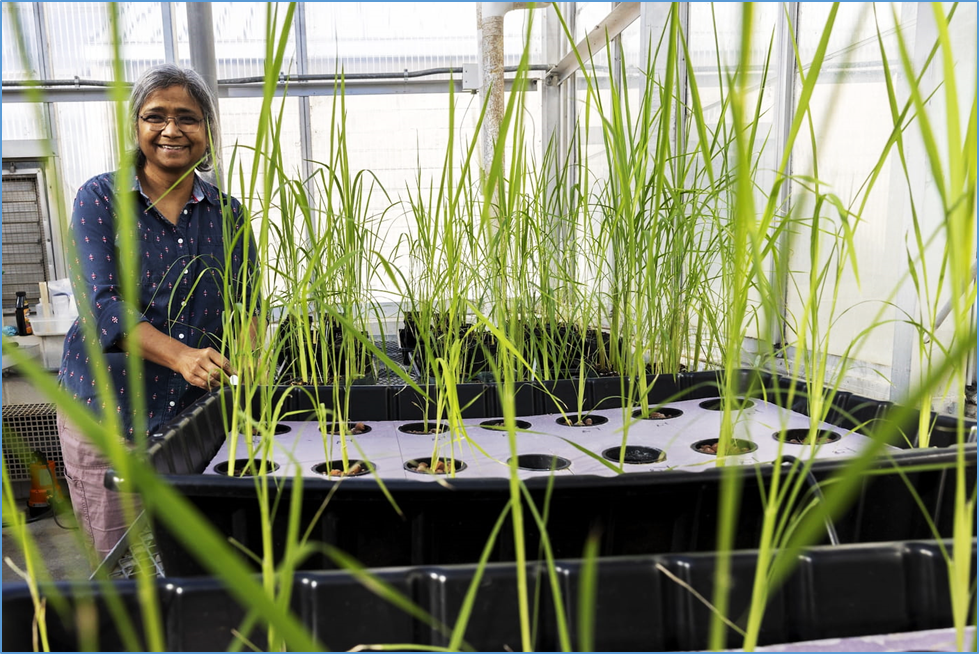
Sunday, 04/01/2026 | 09:52:54
In 2025, India launched two significant genome-edited rice varieties, DRR Rice 100 (Kamala) and Pusa DST Rice 1, using CRISPR technology for enhanced climate resilience, higher yields, and water savings, marking India as the first nation to release such varieties, with goals to boost food security and sustainability by improving drought/salinity tolerance and reducing emissions.
Ideas to Impact: Creative Systems Thinking in Agriculture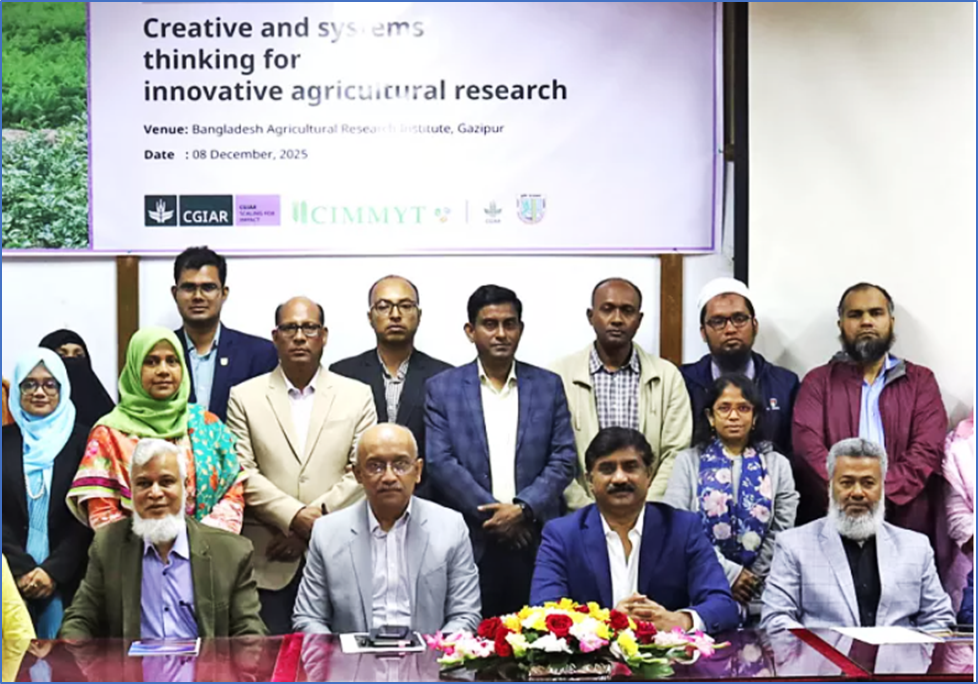
Sunday, 04/01/2026 | 09:53:02
A one-day CIMMYT–CGIAR Scaling for Impact (S4I) workshop with BARI on 8 Dec 2025 brought together 25 early- and mid-career scientists (56% women) to strengthen creative and systems thinking for more innovative, inclusive, and scalable agricultural research. Through hands-on sessions on problem mapping.
Scientists discover genes to grow bigger tomatoes and eggplants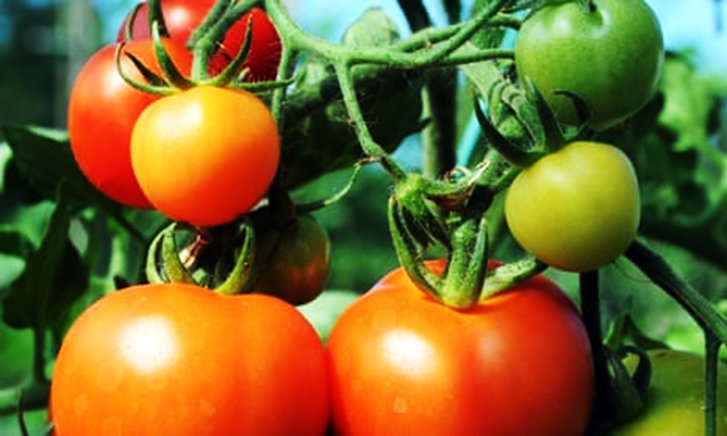
Saturday, 03/01/2026 | 08:19:39
Bigger, tastier tomatoes and eggplants could soon grace our dinner plates thanks to Johns Hopkins scientists who have discovered genes that control how large the fruits will grow.
The research—led by teams at Johns Hopkins University and Cold Spring Harbor Laboratory—could lead to the development of new varieties of heirloom tomatoes and eggplants, including those that help support agriculture in areas around the world where local varieties are currently too small for large-scale production.
Global forest products trade and production show signs of recovery in 2024
Saturday, 03/01/2026 | 08:19:32
After a sharp decline in 2023, the global forest products sector saw signs of stabilization in 2024, according to Global forest products facts and figures 2024 , released today by the Food and Agriculture Organization of the United Nations (FAO).
The report highlights that global international trade in wood and paper products has regained momentum, with modest growth recorded across most major product groups.
Characterization of CXE genes in pineapple and their aroma-related expression during fruit ripening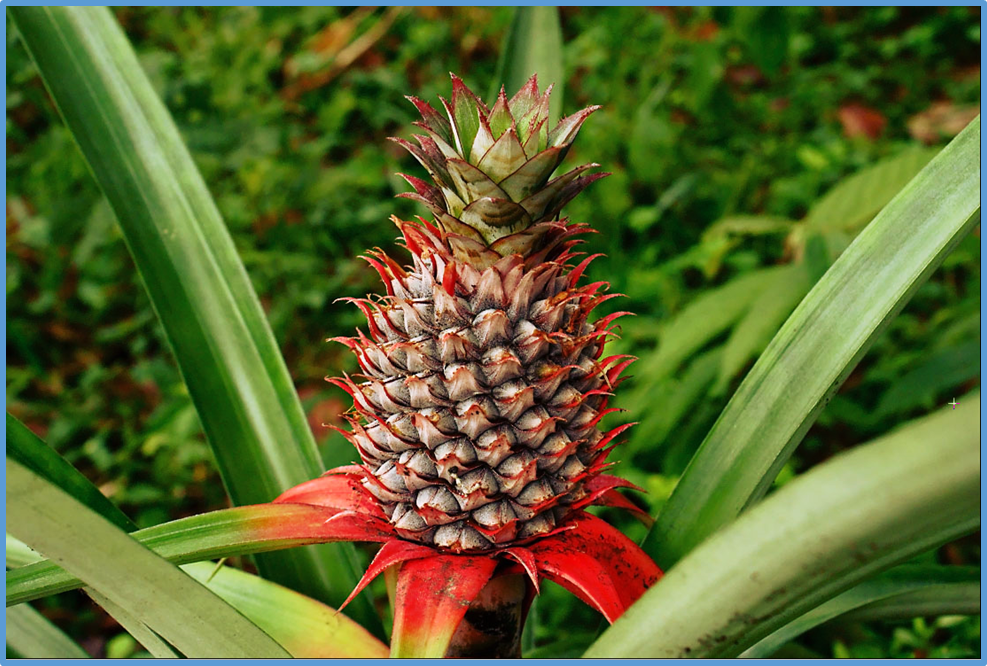
Friday, 02/01/2026 | 08:01:50
Carboxylesterases (CXEs) are ester hydrolyzing enzymes closely associated with the degradation of volatile esters and aroma release in fruit. Pineapple possesses a strong, ester-rich aroma, yet its CXE gene family has not been characterized. Here, we performed a genome-wide identification and analysis of the pineapple CXE family, detected 20 members, and pinpointed AcCXE4 and AcCXE7 as key negative regulators of aroma accumulation and prime candidates for aroma-oriented breeding
Sweeter tomatoes are coming soon thanks to CRISPR gene editing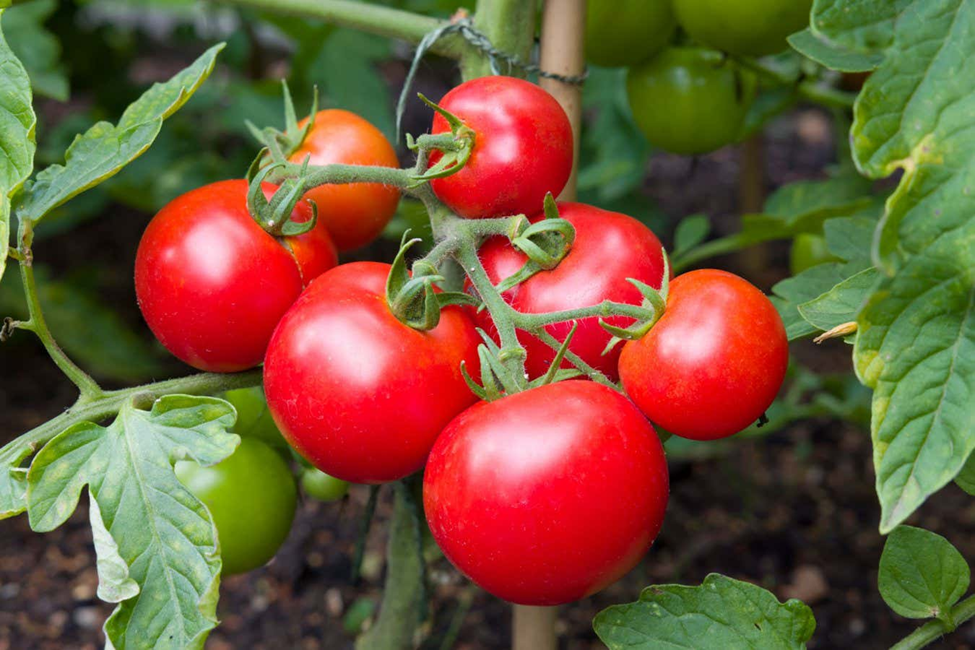
Friday, 02/01/2026 | 08:02:08
If you like your tomatoes sweet, the smaller cherry tomato varieties are currently the ones to go for. But bigger tomato varieties could soon get a sweetness boost with the help of CRISPR gene editing.
The bigger a tomato is, the lower its sugar content usually is, says Jinzhe Zhang at the Chinese Academy of Agricultural Sciences in Beijing. Efforts to boost the sweetness of larger varieties have had downsides such as lowering yields.