


News & Events
News & Events
IFAD to co-finance Papua New Guinea AgriConnect Action Plan with the World Bank
Friday, 06/03/2026 | 13:58:15
The International Fund for Agricultural Development (IFAD) is proud to co-finance the Government of Papua New Guinea’s AgriConnect Action Plan, launched with the World Bank, the Asian Infrastructure Investment Bank (AIIB) and other like-minded partners in Goroka today.
Natural allelic variation in BnCLV1 orchestrates root architectural remodelling and yield performance under nitrogen-limited conditions in Brassica napus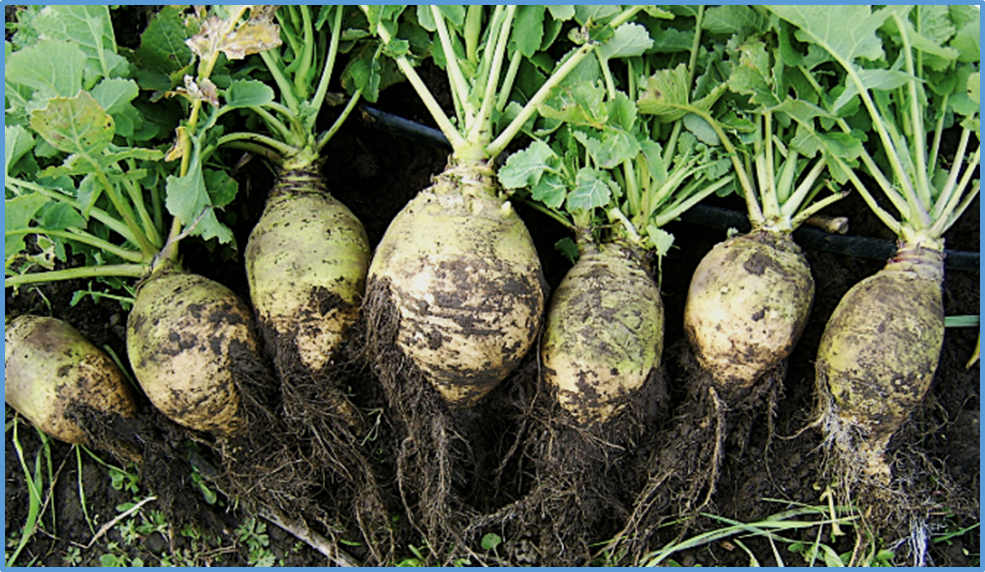
Friday, 06/03/2026 | 08:17:44
Nitrogen (N) deficiency is a major limiting factor for rapeseed root growth and yield. Therefore, genetic improvement of rapeseed with N acquisition and utilisation efficiency is a curial strategy for enhancing rapeseed yield and N fertiliser efficiency. Using genome-wide association study (GWAS) and transcriptome analyses, we found that natural variation of leucine-rich repeat receptor-like kinase gene (BnCLV1)
Study: No One-size-Fits-All Representation of Trust in Science and Scientists
Friday, 06/03/2026 | 08:16:26
Researchers from Australia and New Zealand studied the relationship of trust with social attitudes and motivations in forming perspectives on scientific issues such as climate change, vaccines, and gene drives. The findings are published in the Journal of Trust Research.Trust in science and scientists (TSS) is an emerging field of interest that explores science applications and their impact to society.
Our Research and Impact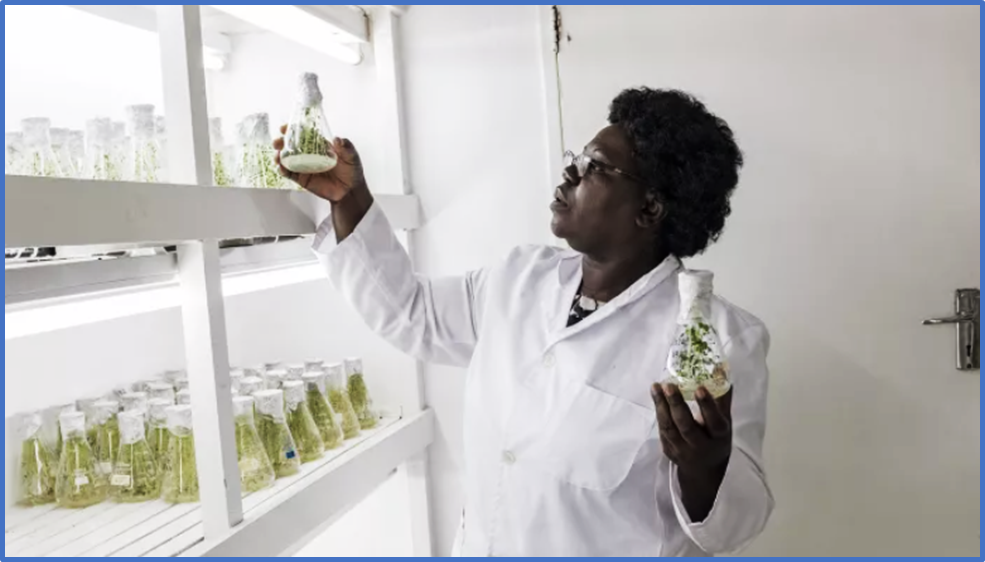
Friday, 06/03/2026 | 08:15:10
The 2025-30 Research Portfolio is intended to accelerate and strengthen the implementation of CGIAR’s 2030 Strategy. It aims to raise the ambition for our science and innovation by bringing together and leveraging collective capabilities of all CGIAR Research Centers. Our Portfolio focuses on addressing major global challenges such as climate change, gender and social inequalities, poor-quality diets, rural poverty,
Glycosylation of glyphosate drives residue reduction and herbicide tolerance in rice
Thursday, 05/03/2026 | 08:03:59
Glyphosate is the most widely used herbicide globally, especially due to the extensive cultivation of genetically modified glyphosate-resistant crops. However, its intensive application has raised public concerns about the risks to food safety and human health. Identifying enzymes capable of metabolizing glyphosate in plants represents an ideal strategy for addressing this issue, but few are known. Here, we identified the rice variety Kitaake with natural tolerance to glyphosate and demonstrated that this tolerance is driven by glyphosate glycosylation metabolism
CRISPR/Cas9-Based Gene Editing in Soybean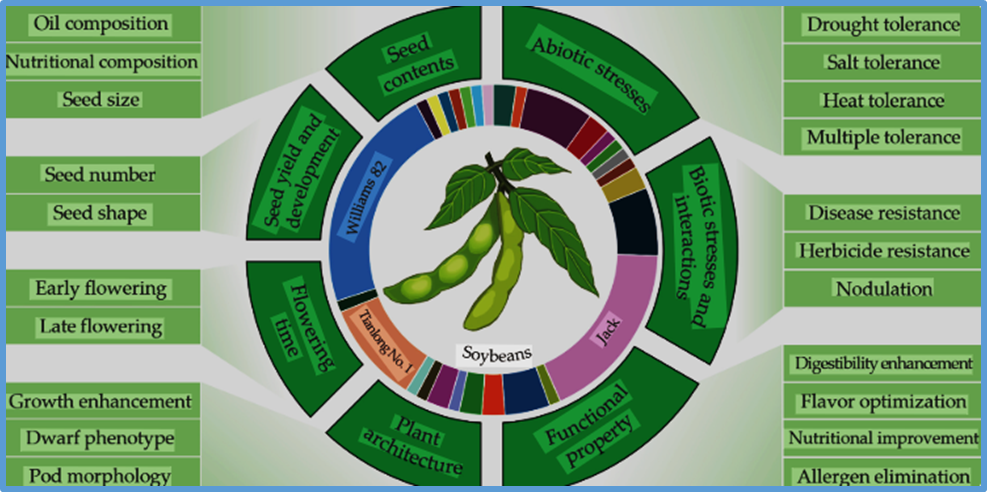
Thursday, 05/03/2026 | 08:02:37
CRISPR/Cas9 (clustered regularly interspaced short palindromic repeat/CRISPR-associated Cas9)-based gene editing is a robust tool for functional genomics research and breeding programs in various crops. In soybean (Glycine max), a number of laboratories have obtained mutants by the CRISPR/Cas9 system; however, there has not yet been a detailed method for the CRISPR/Cas9-based gene editing in soybean
IFAD and Tonga sign new initiative to bolster climate resilience and rural livelihoods
Thursday, 05/03/2026 | 08:01:22
The International Fund for Agricultural Development (IFAD) and the Kingdom of Tonga signed a US$5.3 million financing agreement for the Tonga Rural Innovation Project – Phase III (TRIP III) last week. This ambitious six-year initiative aims to strengthen resilience to climate shocks and natural disasters for about 35,000 people, representing over one-third of the country’s population.
Ultra-high-throughput mapping of genetic design space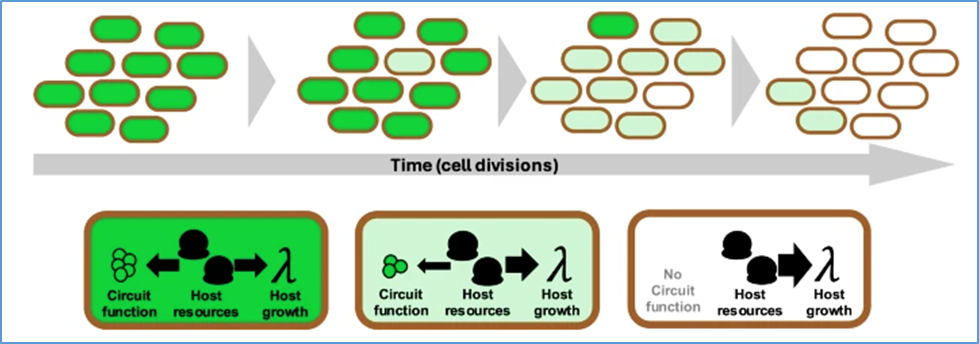
Wednesday, 04/03/2026 | 08:12:21
Massively parallel genetic screens have been used to map sequence-to-function relationships for a variety of genetic elements. However, as these approaches interrogate only short sequences, it remains challenging to perform high-throughput assays on constructs containing combinations of multiple sequence elements arranged across multi-kb length scales. Overcoming this barrier could accelerate synthetic biology; by screening diverse gene circuit designs and learning 'composition to function' mappings
Engineering the plant microbiome: synthetic community approaches to enhance crop protection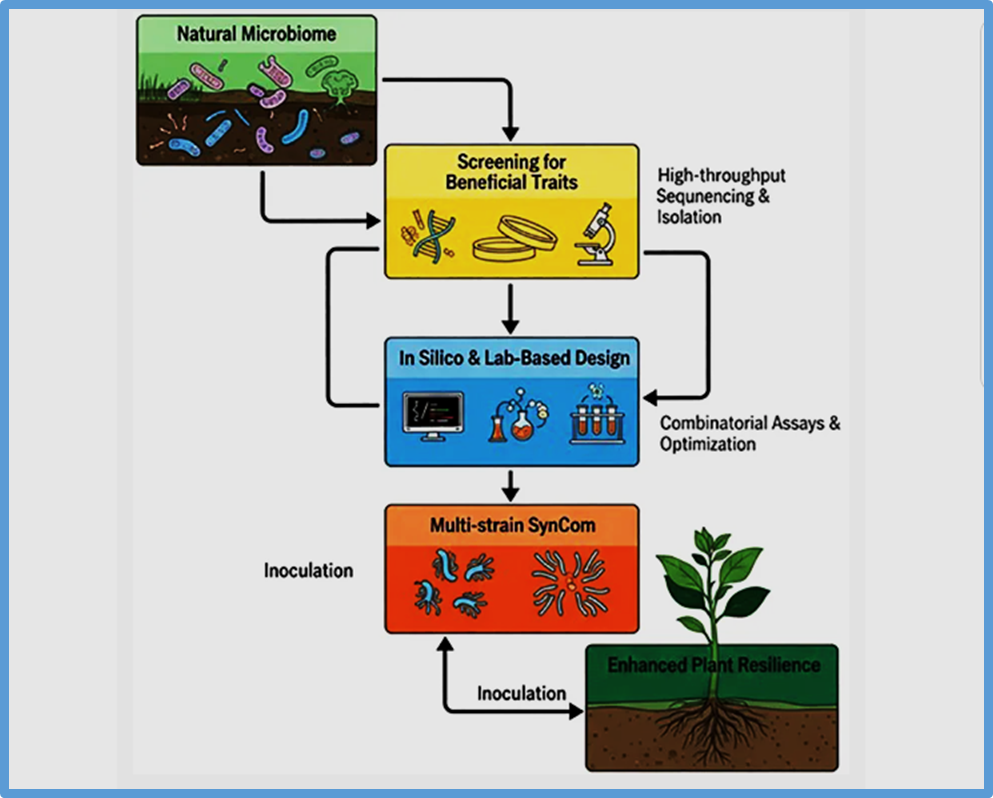
Wednesday, 04/03/2026 | 08:11:20
The plant microbiome is essential for plant health; in particular, synthetic microbial communities (SynComs) offer a scalable, sustainable alternative to chemical pesticides. The concept has moved beyond single-strain inoculants, with SynComs being rationally designed using ecological principles, computational tools, and an understanding of how plants shape their microbial niche through root exudates and chemotaxis
Somalia’s humanitarian crisis worsening with 6.5 million people facing high levels of hunger, Federal Government and United Nations warn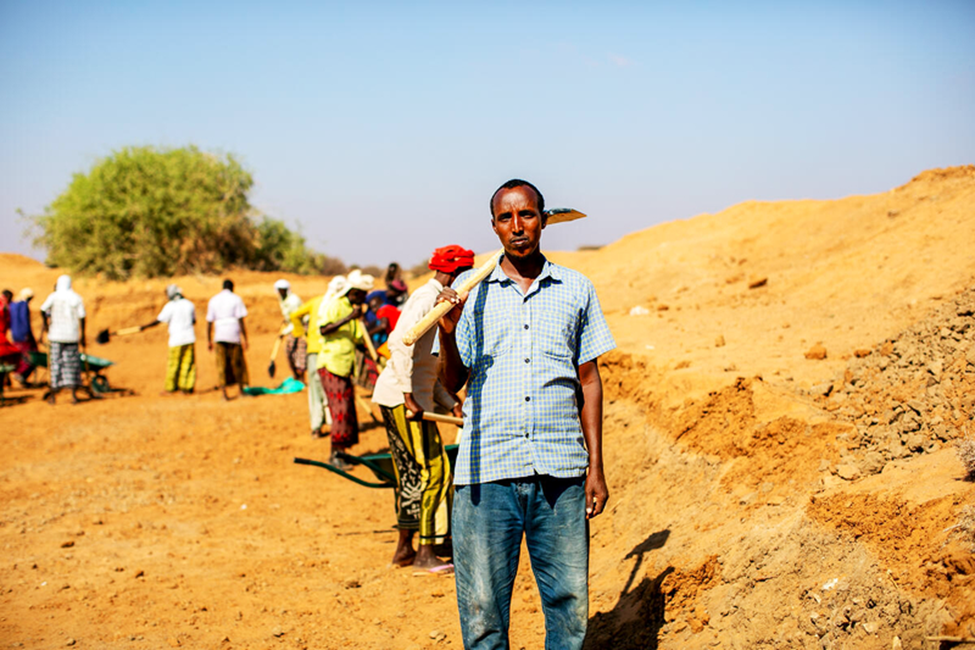
Wednesday, 04/03/2026 | 08:08:59
Nearly 6.5 million Somalis face high levels of hunger, and more than 1.8 million children face acute malnutrition due to worsening drought, the Somali government and UN agencies have warned in a new report. The Integrated Food Security Phase Classification (IPC) report indicates that a third of the population – 6.5 million people – are expected to face crisis levels of hunger or worse (IPC 3 and 4) by March, an increase of 1.7 million people since January.
A PPR gene cluster from Solanum aethiopicum underlies fertility restoration in cytoplasmic male-sterile eggplant (S. melongena L.)
Tuesday, 03/03/2026 | 08:19:57
Cytoplasmic male sterility (CMS) and nucleus-controlled fertility restoration systems are essential tools for hybrid breeding to improve crop productivity. In eggplant (Solanum melongena), CMS lines have been widely developed through interspecific hybridization, but the genetics basis of fertility restoration remains poorly understood.
Autoactive MtDMI1 Reprogrammes Immunity and Development in Tomato via Ethylene Signalling
Tuesday, 03/03/2026 | 08:19:02
The Common Symbiosis Signalling Pathway (CSSP) underpins interactions between plants and microbes, yet its potential for crop improvement remains underexplored. Here, we investigated the gain-of-function mutant SPD1 (MtDMI1S760N), which constitutively activates the symbiotic signalling pathway in Medicago truncatula, by expressing it in tomato (Solanum lycopersicum cv. Micro-Tom).