


News & Events
News & Events
University of Missouri Discovers Protein that Regulates Root Growth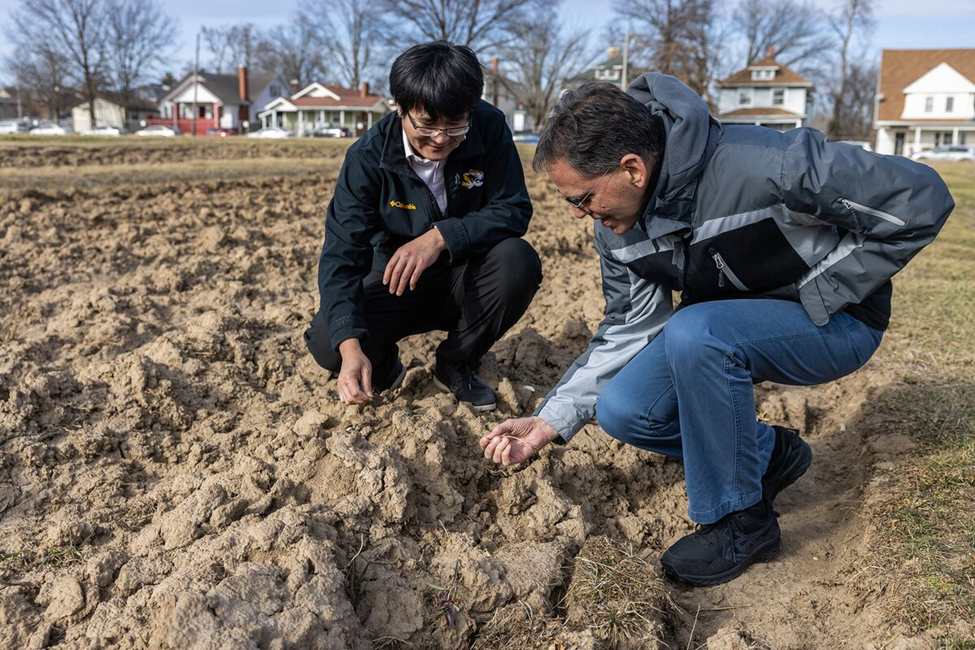
Wednesday, 11/03/2026 | 08:22:39
Scientists at the University of Missouri have identified a key protein, SRFR1, that controls root length in plants, using artificial intelligence (AI) and genetic modification to uncover and enhance its function. The findings of the study, published in The Plant Cell, could help develop crop varieties that are better suited to drought conditions.The researchers found that SRFR1 forms tiny gel-like structures, known as condensates, that naturally help control the root growth of plants.
Meta-QTLs and candidate genes for kernel protein content in maize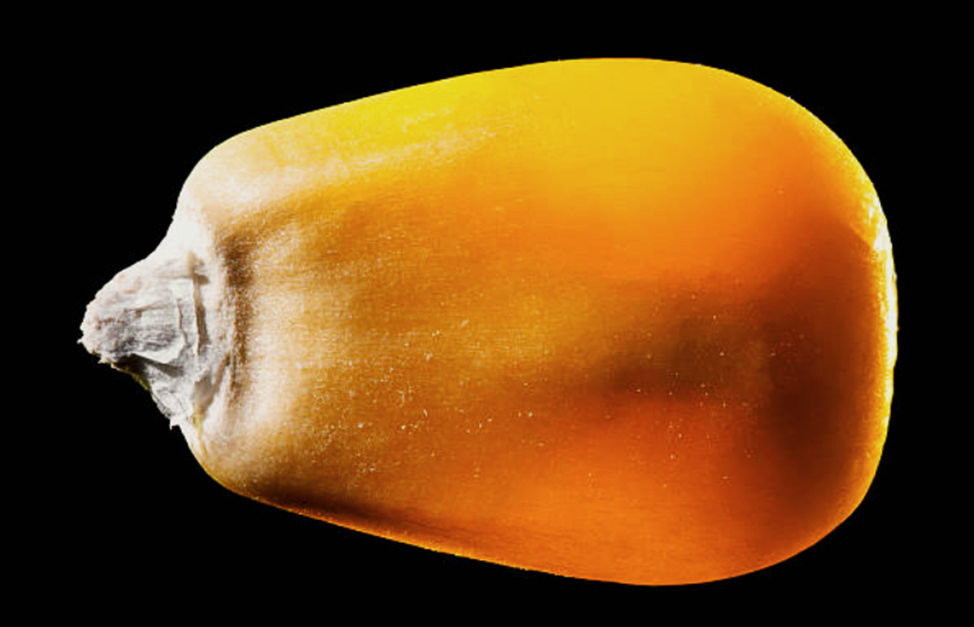
Tuesday, 10/03/2026 | 08:25:14
Maize is a major feed and food crop, yet its kernel protein content remains insufficient to meet nutritional needs. Enhancing protein content is critical for improving feed efficiency and supporting plant-based diets. Although numerous QTLs associated with protein content have been identified, their typically broad confidence intervals and variability across studies make it difficult to pinpoint reliable candidate genes.
Rice Gene Discovery to Reduce Fertilizer Needs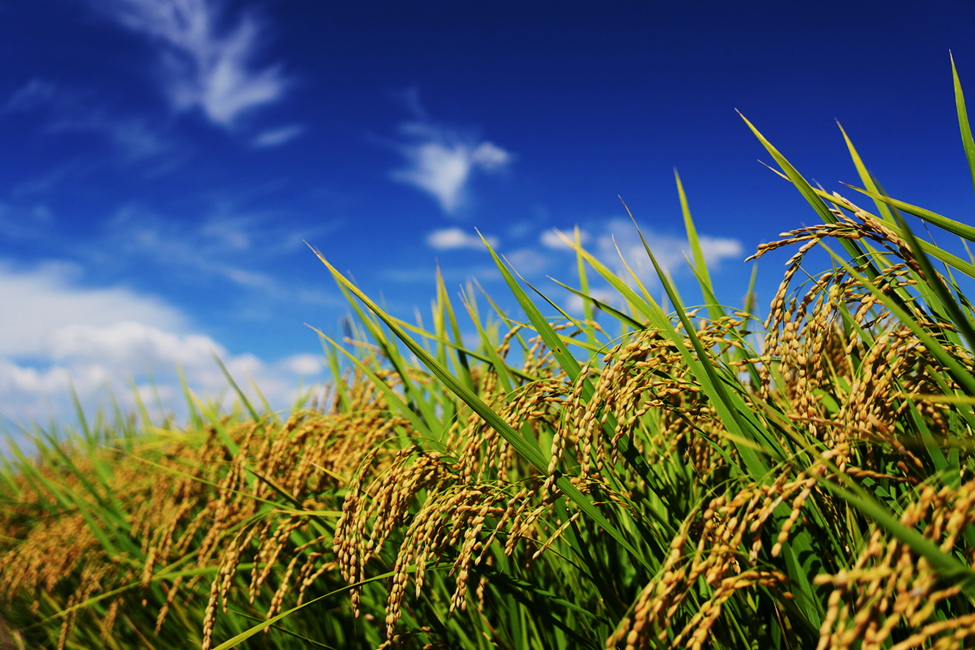
Tuesday, 10/03/2026 | 08:24:25
Researchers from the University of Oxford, Nanjing Agricultural University, and the Institute of Genetics and Developmental Biology (Chinese Academy of Sciences) have identified a "master regulator" gene in rice that could revolutionize sustainable farming. This discovery, published in the journal Science in February 2026, allows rice plants to maintain high yields even when nitrogen fertilizer levels are significantly reduced, potentially curbing both agricultural costs and environmental pollution.1
European Commission Authorizes GM Sugar Beet and Renews GM Maize for Food and Feed Use
Tuesday, 10/03/2026 | 08:23:34
The European Commission has authorized a genetically modified (GM) sugar beet and renewed approval for a GM maize for use in food and animal feed. The decision was announced on February 27, 2026, following a scientific assessment by the European Food Safety Authority (EFSA), concluding that both crops are as safe as their conventional counterparts.
GmAP1 delays flowering time and confers sensitivity to salt stress in soybean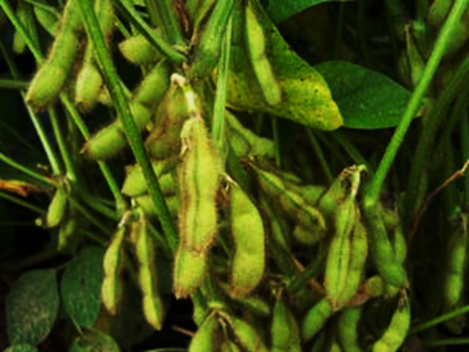
Monday, 09/03/2026 | 08:40:53
Aspartic proteases represent a class of proteolytic enzymes widely implicated in plant growth regulation and abiotic stress responses. Our previous work identified an aspartic protease, GmAP1, whose expression is strongly correlated with flowering time in wild soybean populations. In this study, we further demonstrated that GmAP1 overexpression (OE) significantly delays flowering, whereas CRISPR/Cas9-mediated knockout (CR) accelerates this process.
ISF Chief Urges Global Regulatory Alignment to Unlock the Potential of Gene-Edited Seeds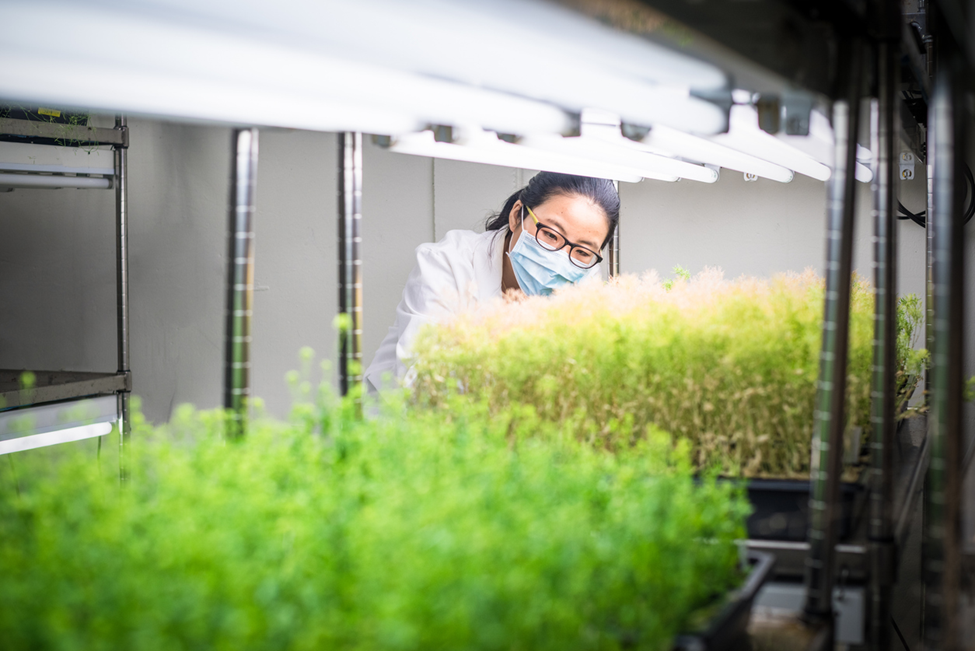
Monday, 09/03/2026 | 08:39:49
The International Seed Federation (ISF) is calling for a unified global regulatory framework for gene-edited seeds to prevent trade disruptions and accelerate agricultural innovation. By aligning standards across borders, the organization aims to ensure that farmers worldwide can access resilient, high-yielding crop varieties necessary to combat climate change and food insecurity.
A Compact Solution for Precision Agriculture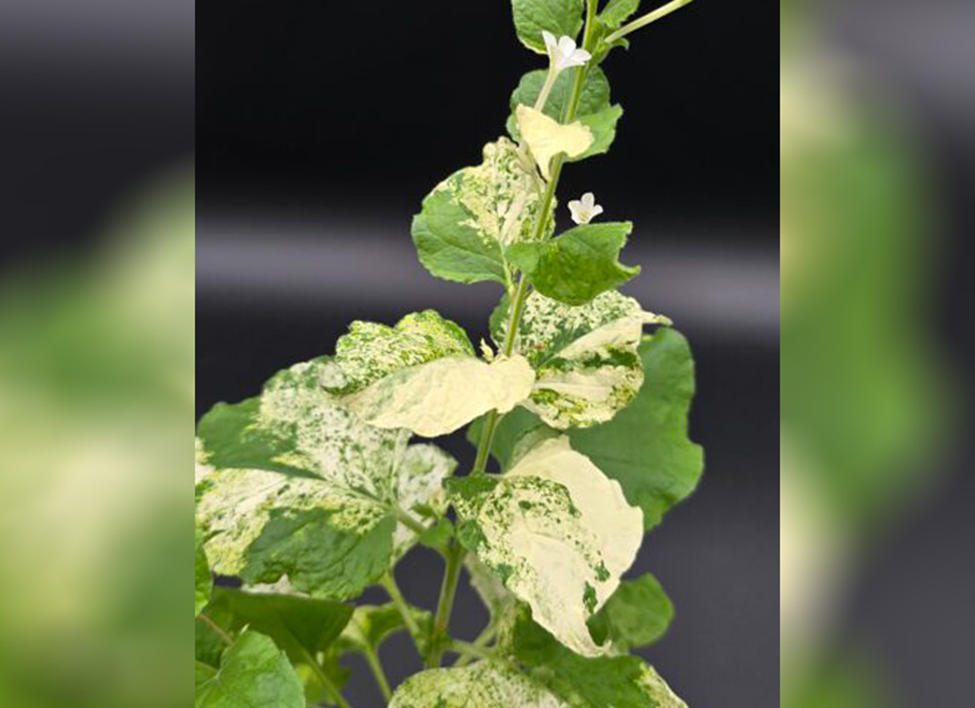
Monday, 09/03/2026 | 08:38:48
Researchers from the University of California, Davis (UC Davis) and the Innovative Genomics Institute (IGI) have developed a "pint-sized" gene editor that overcomes the size limitations of traditional CRISPR-Cas9. This engineered enzyme, derived from "jumping genes," allows for highly efficient and heritable plant gene editing via a simple viral delivery system, bypassing the need for complex and highly regulated genetic modification.
Reference based transcriptome assembly of Piper nigrum L. reveals novel genes and transcripts in drought tolerance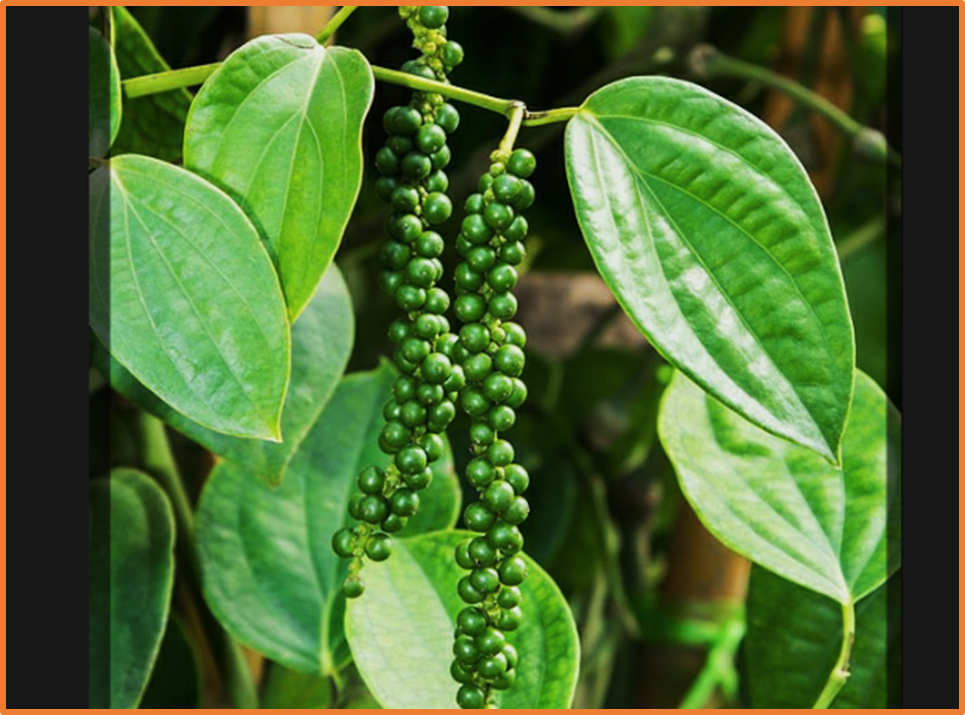
Sunday, 08/03/2026 | 07:54:12
Reference based assembly of RNAseq data and differential gene expression analysis revealed 2,780 DEGs such as RUBISCO-S, 50S_RP, SPX, associated with photosynthetic carbon assimilation, stress-induced regulation of protein synthesis and phosphate homeostasis under nutrient and drought stress, respectively. Functional annotation highlighted enriched biological processes such as metabolic reprogramming and secondary metabolite biosynthesis,
Gene Drive Technology May Have Potential Applications in Agriculture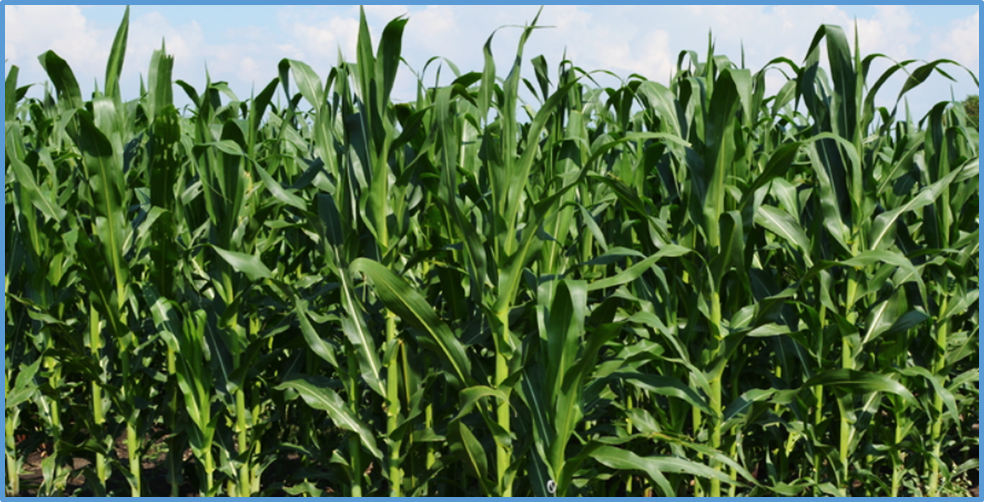
Sunday, 08/03/2026 | 07:54:17
Gene drive technology is a genetic phenomenon occurring in nature and causing an identified trait to spread through a species through sexual reproduction over several generations, with an inheritance rate higher than the Mendelian rate of 50%. While gene drives have been used for public health and conservation, the approach could also be used in other species that reproduce sexually in short generation times, including agricultural pests.
International Women's Day 2026 theme is 'Give To Gain'
Sunday, 08/03/2026 | 07:54:22
The IWD 2026 Give To Gain Campaign encourages a mindset of generosity and collaboration. Give To Gain emphasizes the power of reciprocity and support. When people, organizations, and communities give generously, opportunities and support for women increase. Giving is not a subtraction, it's intentional multiplication. When women thrive, we all rise.
Integrated physiological, biochemical and hormonal traits determine drought tolerance and yield stability in cashew (Anacardium occidentale L.)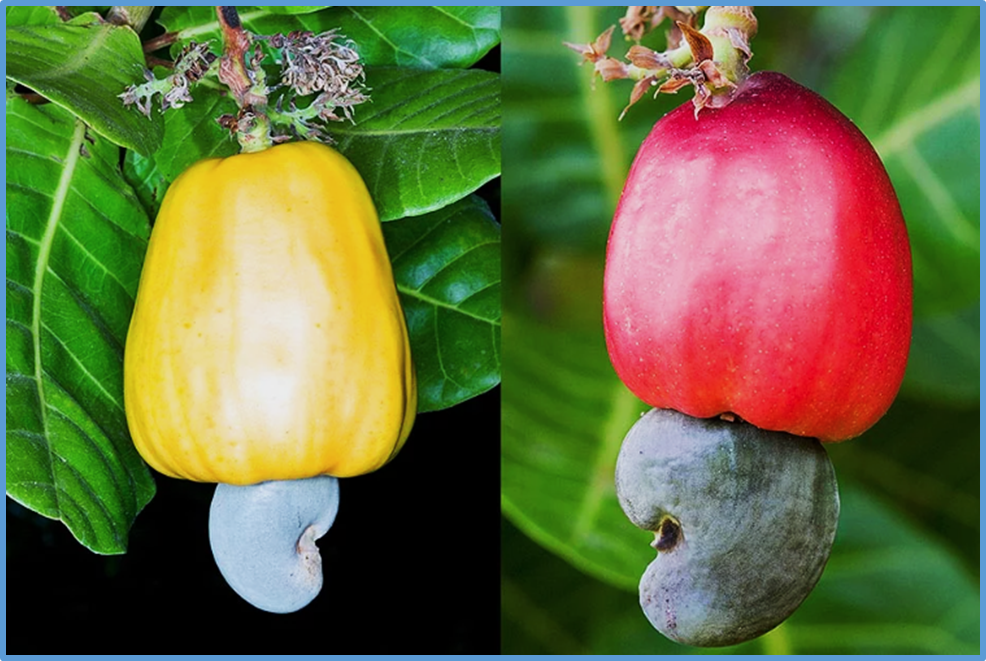
Friday, 06/03/2026 | 14:00:17
Drought stress, intensified by climate change, represents a major limiting factor to growth, reproductive development, and nut productivity of cashew (Anacardium occidentale L.), especially in rainfed and marginal production systems. Identifying drought-tolerant cultivars and understanding their adaptive mechanisms are therefore critical for sustaining cashew productivity in water-limited environments.
Can Gene Drive Help Control Invasive Species Like Rats?
Friday, 06/03/2026 | 13:59:02
Historically, the most significant number of extinctions happen on small islands. One of its leading causes is the introduction of invasive species due to human activity. Rats, for example, were unintentionally brought to islands when sea explorers tried to map the world hundreds of years ago. To date, these rats have become a threat to the local biodiversity. They are responsible for 40-60% of reptile extinctions and endangering many species of sea birds.