


News & Events
News & Events
Functional genomics in sugarcane breeding: key challenges and strategies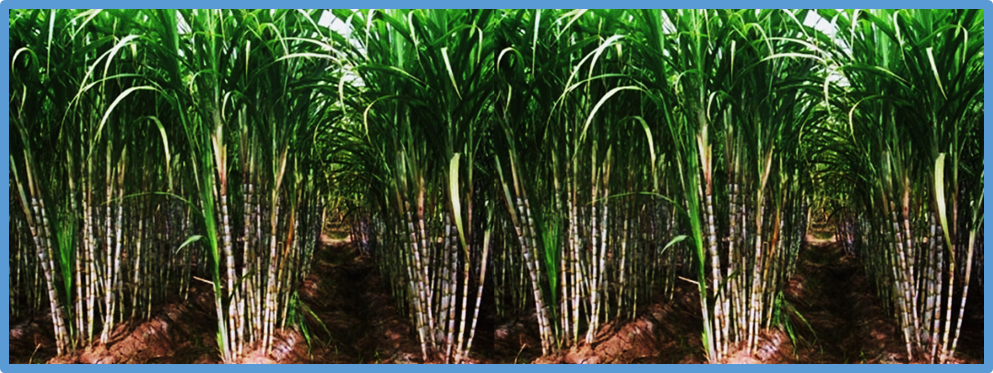
Thursday, 23/04/2026 | 08:09:59
Sugarcane, a leading source of sugar and bio-energy around the globe stands at the cross-road of genome complexity and agricultural innovation, offering the immense potential to fuel a sustainable future. Functional genomics with its precise identification and manipulation of genes could enable researchers unlock this potential and accelerate the breeding efforts. However, the polyploid genome of sugarcane with: high heterozygosity, high-repetitive DNA content, multiple copies of homo(eo)logous gene, epistatic interaction of alleles, etc.
EFSA Confirms Safety of GM Oilseed Rape MS11
Thursday, 23/04/2026 | 08:08:50
The European Food Safety Authority (EFSA) has released a scientific statement confirming that genetically modified (GM) oilseed rape MS11 is as safe for human and animal consumption as its conventional counterparts. Following a review of additional compositional data, the EFSA Panel on Genetically Modified Organisms (GMO Panel) concluded that the crop does not pose any nutritional concerns or environmental risks. This updated assessment clears the way for the variety to be used in the European market, noting that no post-market monitoring for food and feed safety is required.
Tracing impact: A joint mission through Kenya’s BRAINS project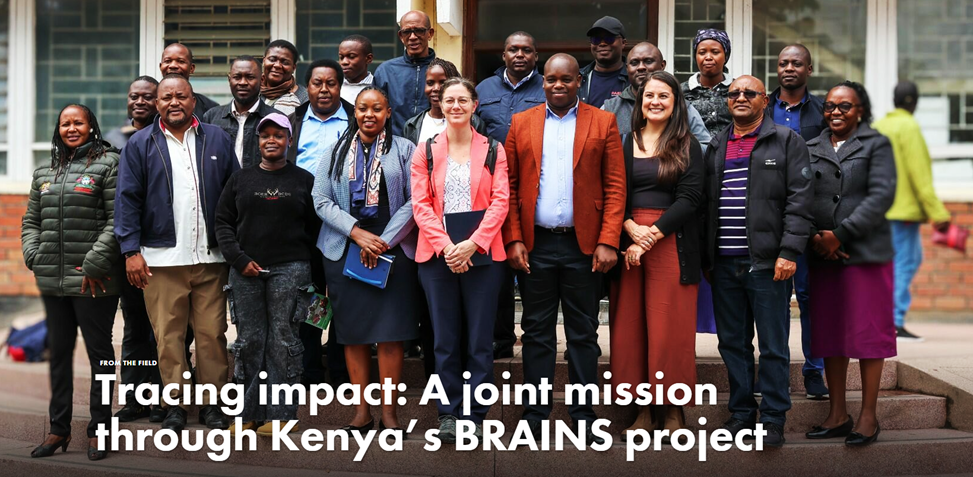
Thursday, 23/04/2026 | 08:07:58
Over three days in Nakuru, Nairobi, and Kiambu, partners and funders of the BRAINS project observed how research, markets, and finance are aligning to improve livelihoods, strengthen value chains, and build climate resilience for farmers and enterprises. Impact is often reported in numbers but sometimes it stands beside you, lifts the lid of a new water tank, and says quietly, “This is from beans.”
Regulatory networks and molecular mechanisms underlying salt stress tolerance in rice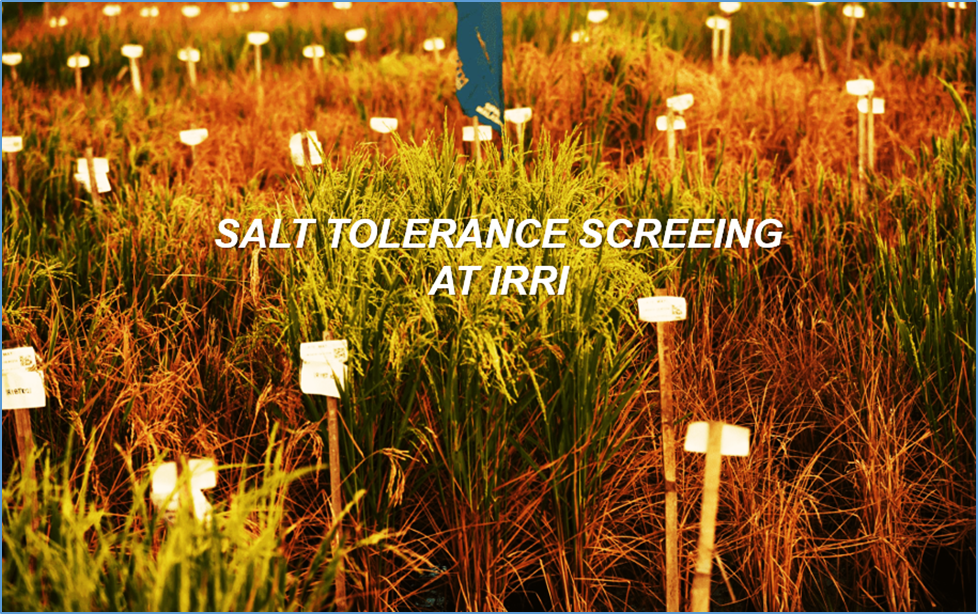
Wednesday, 22/04/2026 | 08:35:11
Salinity and alkaline stress severely restrict rice productivity by disrupting ionic balance, generating oxidative damage, and impairing growth across developmental stages. Despite the significant advances in the salt tolerance knowledge, rice is very sensitive in contrast to other cereals, which demonstrates gaps in mechanistic understanding and breeding efficiency. This review incorporates the progress in the salt perception, signaling, and stress adaptation, and introduces limitations that slow down the practical improvement.
Experts to Level-Up Insecticide Resistance of Crops with iJAZ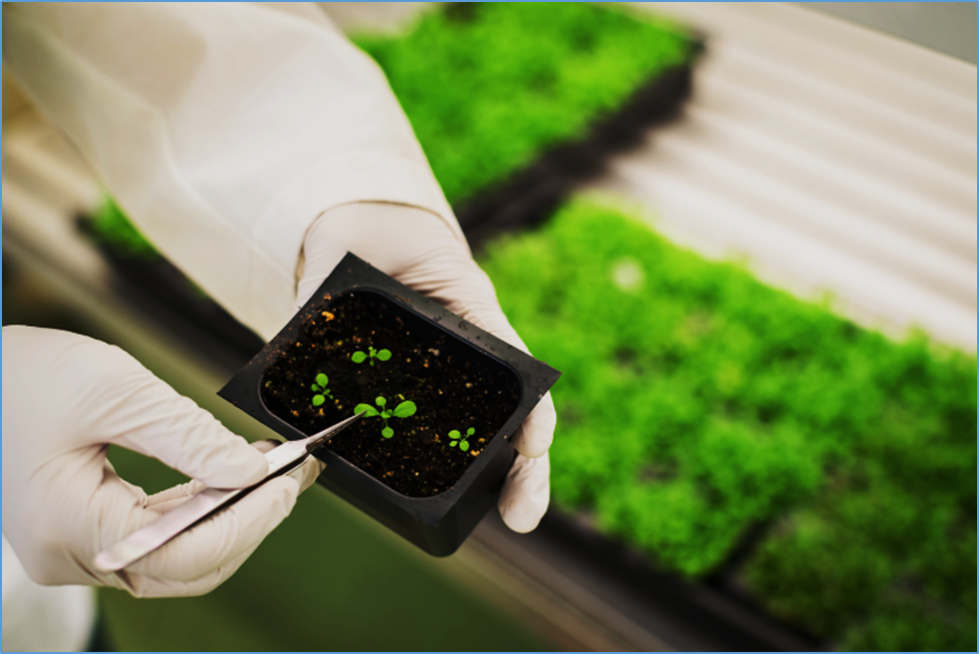
Wednesday, 22/04/2026 | 08:32:28
Researchers at the Institute of Cotton Research (ICR) of the Chinese Academy of Agricultural Sciences developed a new plant-derived insecticidal protein called iJAZ, which has now moved from laboratory to practical application. iJAZ is a naturally occurring protein in cotton, pumpkin, durian, and other plants. It exhibits broad-spectrum insecticidal activity against specific pests and works differently from the Bacillus thuringiensis (Bt) insecticidal protein. iJAZ remains in stealth mode under normal conditions.
Success of Fertilize Right pilot in Vietnam’s 1M-Hectare Rice Program show better yields and incomes
Wednesday, 22/04/2026 | 08:31:36
An additional yield of nearly 0.9 t/ha and a 24% increase in farmer incomes emerged from the “Fertilize Right” pilot model under the One Million Hectare of High Quality, Low Emission Rice (1mHa) Program. This major milestone was reported during a workshop led by the International Rice Research Institute (IRRI) together with the Sub-Department of Plant Production and Protection under the Can Tho Department of Agriculture and Environment.
Semiochemicals and odorant receptors underlying potato cultivar susceptibility and resistance to potato tuber moth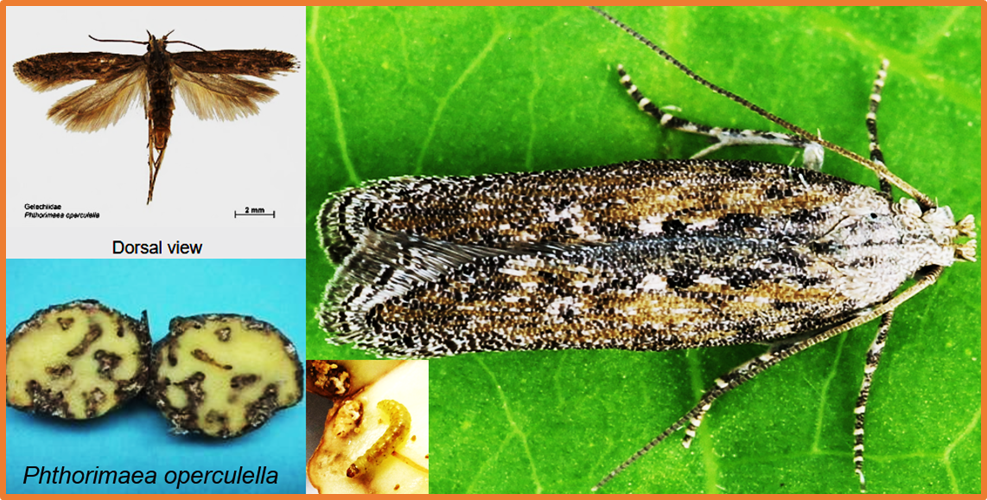
Tuesday, 21/04/2026 | 08:20:38
Infestation of potato by the potato tuber moth (Phthorimaea operculella) varies markedly among cultivars, yet the chemical and molecular mechanisms underlying this variation remain poorly understood. Here, we combine field surveys, chemical ecology, functional genomics, and structural modeling to reveal how cultivar-specific volatile profiles shape moth oviposition behavior and pest outcomes. Field and laboratory assays identified marked differences in adult attraction, oviposition, and larval damage among potato cultivars, which correlated with distinct blends of emitted volatile organic compounds (VOCs).
Research Finds Genetically Modified Feed Safe for Livestock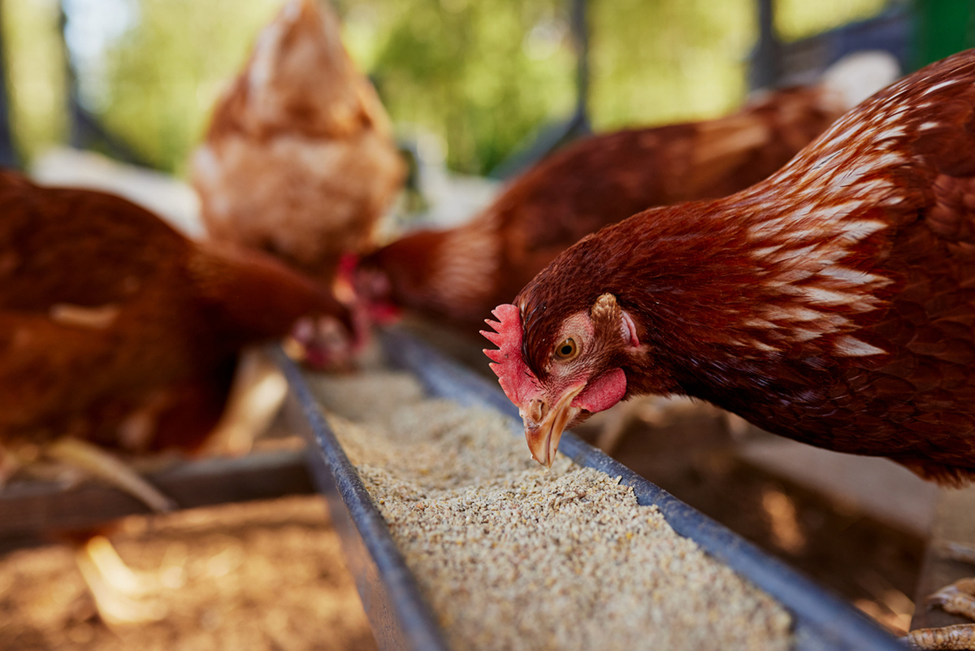
Tuesday, 21/04/2026 | 08:19:07
Researchers from Arba-Minch University and Borena University in Ethiopia evaluated the effects of genetically modified organisms (GMOs) used as livestock feed. GM crops have been widely adopted to improve traits such as yield, nutrition, and resistance to diseases and pests. The study, published in the Journal of Veterinary Medicine and Animal Health, highlighted both the benefits and ongoing concerns associated with the use of GMOs as livestock feed.
FAO Regional Conference for Africa: Director-General urges “abundance” narrative for youthful continent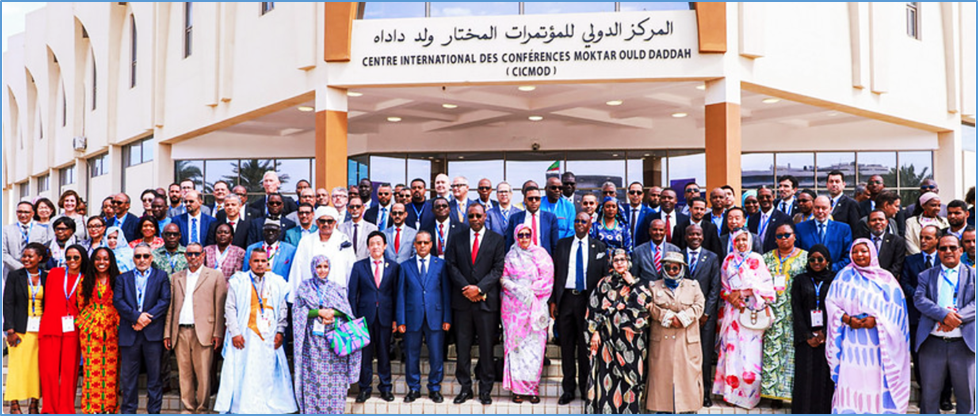
Tuesday, 21/04/2026 | 08:18:16
Ministers from around Africa have gathered in the Islamic Republic of Mauritania’s capital to agree on ways the Food and Agriculture Organization of the United Nations (FAO) can help their countries revive progress towards reducing hunger over the next two years.This week’s 34th Session of the Regional Conference for Africa (ARC34) indicated priority regional and local themes and areas for FAO to take into account while preparing the Programme of Work and Budget for the next biennium, and aligning with FAO’s Strategic Framework, Medium-Term Plan and country programming frameworks.
Identification of nodule number-related loci and the candidate gene GmbHLH135 in soybean under low phosphorus stress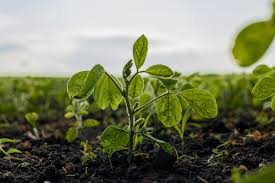
Monday, 20/04/2026 | 08:23:11
Soybean plays a crucial role in meeting nitrogen demands through biological nitrogen fixation (BNF), a process highly dependent on phosphorus availability. Low-phosphorus (LP) stress significantly impairs nodule development, thereby affecting soybean growth and productivity. Genome-wide association study (GWAS) was conducted using the ratio of the nodule numbers (RNNs) under normal phosphorus condition and low-phosphorus condition in a natural population with 272 soybean accessions grown in three environments
Scientists Use CRISPR to Reduce Histamine in Tomatoes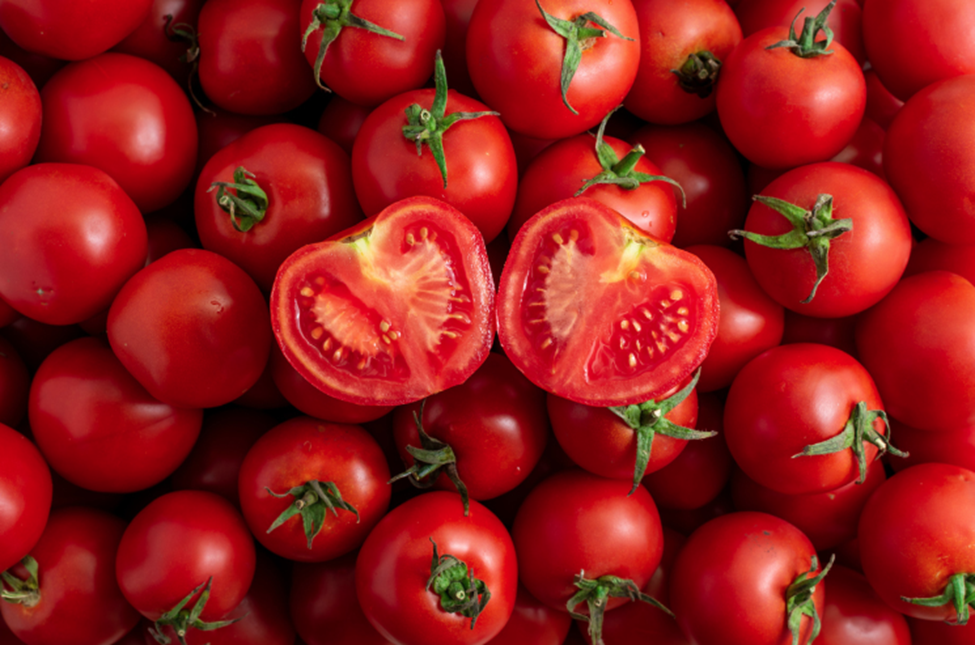
Monday, 20/04/2026 | 08:21:25
Experts from Chonnam National University have developed a new way to reduce histamine levels in tomatoes using CRISPR-Cas9 gene editing. Histamine, a compound that can trigger adverse reactions in sensitive individuals, is found at relatively high levels in tomatoes. In this study, the researchers modified specific genes linked to histamine production during fruit ripening.
Japan and Brazil Grant Green Light to Non-browning Banana
Monday, 20/04/2026 | 08:20:18
Tropic's non-browning banana variety has received regulatory approvals in Japan and Brazil. These approvals enable the import, sale, and consumption in both countries. Brazil, one of the world's largest banana‑producing and banana‑consuming countries, also granted cultivation approval.