


News & Events
News & Events
Toward sustainable control of phyto-nematodes: integrating lessons from crops to advance genetic modification in tomato
Monday, 27/04/2026 | 09:25:26
Root-knot nematodes (RKN, Meloidogyne spp.) continue to challenge tomato production by disrupting root architecture, impairing nutrient uptake, and reducing yields. Recent advances in plant biotechnology provide multiple avenues to enhance nematode resistance beyond conventional resistance (R)-gene utilization. This review discusses molecular and transgenic strategies investigated for RKN resistance across diverse plant systems, including the transfer or engineering of R-genes, expression of anti-feedant proteins and nematotoxic peptides, host-induced gene silencing targeting essential nematode genes, and CRISPR/Cas-mediated modification of host susceptibility factors,
Breakthrough Gene Editing Trims Wheat Chromosomes for Faster Breeding
Monday, 27/04/2026 | 09:27:16
In a world-first achievement, researchers at the Leibniz Institute of Plant Genetics and Crop Plant Research (IPK) Gatersleben have successfully used CRISPR-Cas9 technology to significantly shrink or entirely remove specific chromosomes in wheat. By targeting satellite DNA, the team has demonstrated that even the massive, complex genome of wheat can be precision-engineered at a structural level. This breakthrough, published in Plant Communications, provides scientists with a powerful new toolkit to manipulate crop genetics with unprecedented accuracy.
Tasmania Revises Gene Technology Policy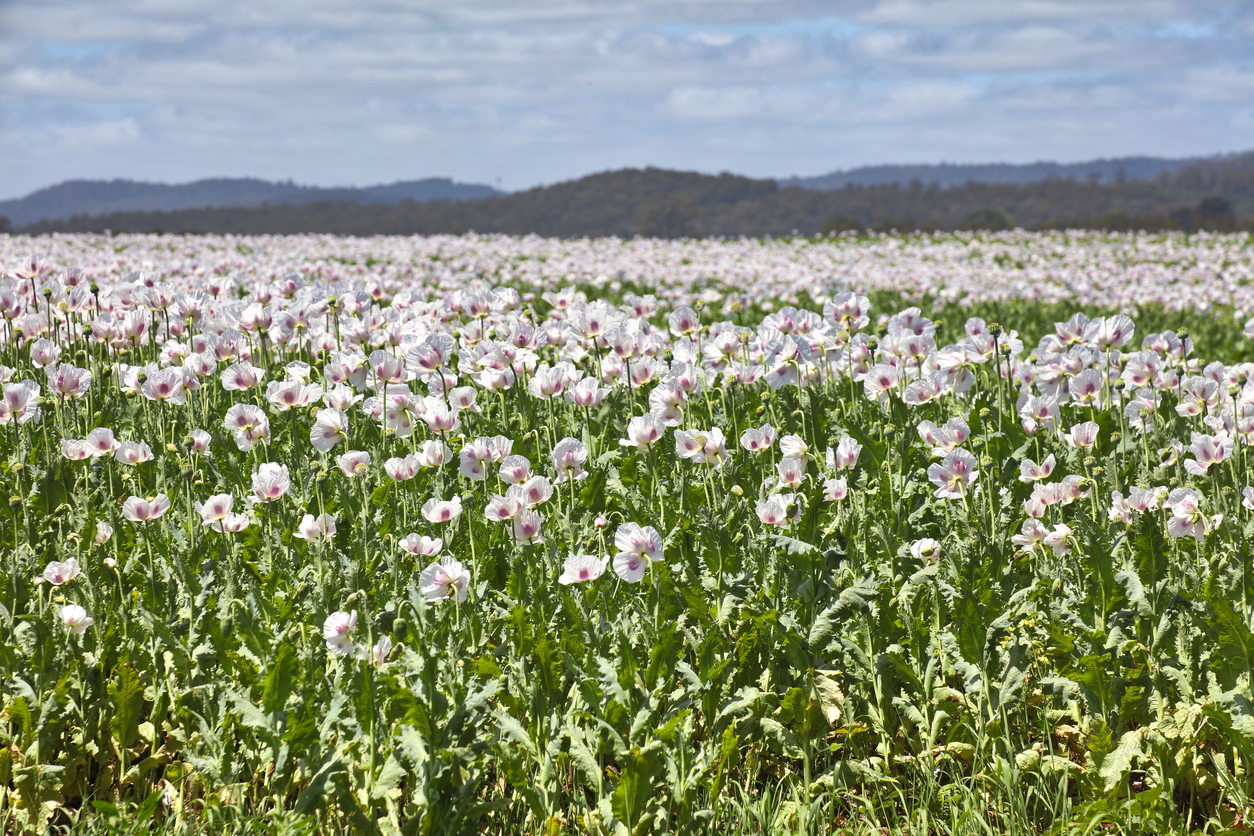
Monday, 27/04/2026 | 09:26:36
The Tasmanian Government revised its gene technology policy to allow farmers to get access to products of site-directed nuclease-1 (SDN-1) technology. SDN-1 technology is a precision breeding technique that introduces traits such as abiotic stress tolerance and high yield. According to Minister for Primary Industries and Water, Gavin Pearce, SDN-1 products do not contain foreign genes, so they are not classified as genetically modified organisms (GMOs), which are in moratorium in Tasmania until 2029.
Comparative Metabolomic Profiling of Resistant and Susceptible Coffea arabica Accessions to Bacterial Pathogen Infection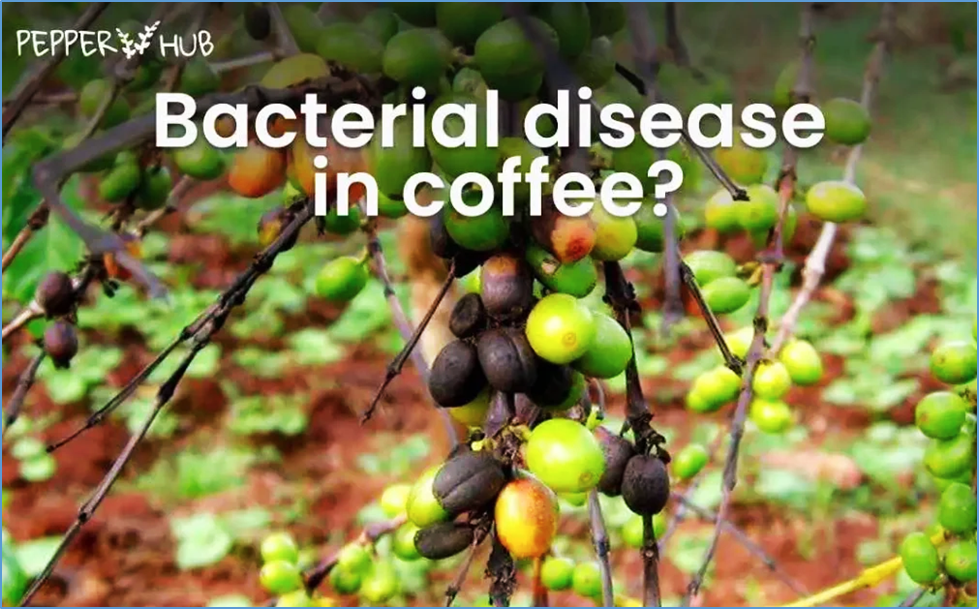
Monday, 27/04/2026 | 06:37:58
Coffea, a plant species of significant agricultural value used in coffee production, is a key commodity that supports the livelihoods of millions of people worldwide. However, coffee cultivation faces substantial threats from various pathogens, including Pseudomonas coronafaciens pv. garcae (Pcg), the causative agent of bacterial blight. This pathogen compromises coffee plant health, leading to reduced yields and plant death and impacting farmers and large-scale producers.
Experts Find Low Risk in GM Fungus for Malaria Control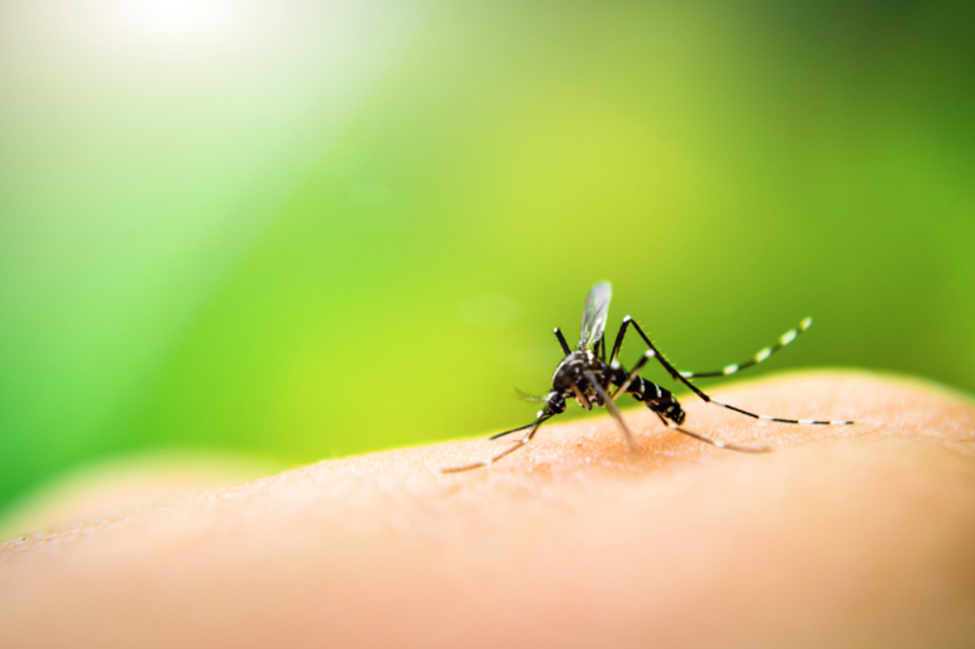
Monday, 27/04/2026 | 06:38:02
A study suggests that a genetically modified (GM) fungus could be a safe and effective tool for controlling malaria-carrying mosquitoes. Researchers in Burkina Faso, Africa, assessed the potential risks associated with the environmental release of a modified Metarhizium pingshaense (Mp-Hybrid) strain for malaria vector control. The approach aims to address growing challenges, such as insecticide resistance and changing vector behavior.
Extreme heat is pushing agrifood systems to the brink worldwide
Monday, 27/04/2026 | 06:38:07
Extreme heat events currently threaten the livelihoods and health of over a billion people, causing half a trillion work hours to be lost annually, with the prospect for damage to livestock herds and crop yields set to soar higher in the future. Agricultural workers and agrifood systems are on the frontlines, absorbing the greatest impacts from extreme heat.
Progress and Prospects of Parasitic Plant Biodiversity Genomics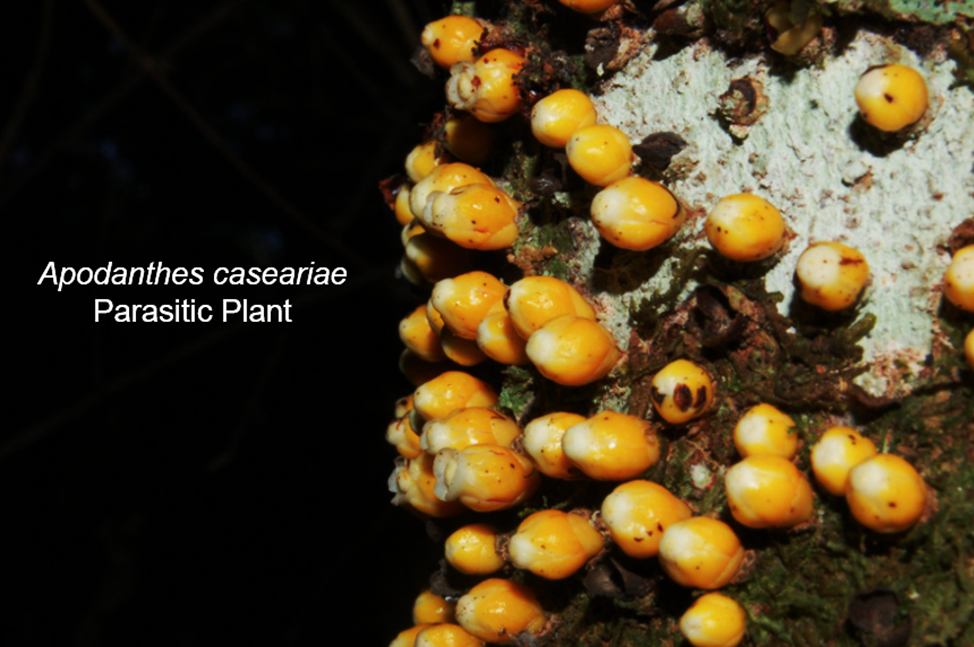
Friday, 24/04/2026 | 13:54:08
Parasitic plants have evolved independently at least a dozen times across angiosperms, yielding some of the most extreme examples of genomic reconfiguration in plants. Comparative analyses of plastid, mitochondrial, and nuclear genomes reveal striking convergence across lineages such as progressive plastid genome reduction with retention of a minimal core gene set, alongside lineage-specific divergences, including unusual mitochondrial genome architectures, rampant horizontal gene transfer
GM Poplar Trees Show Tolerance to Salt Stress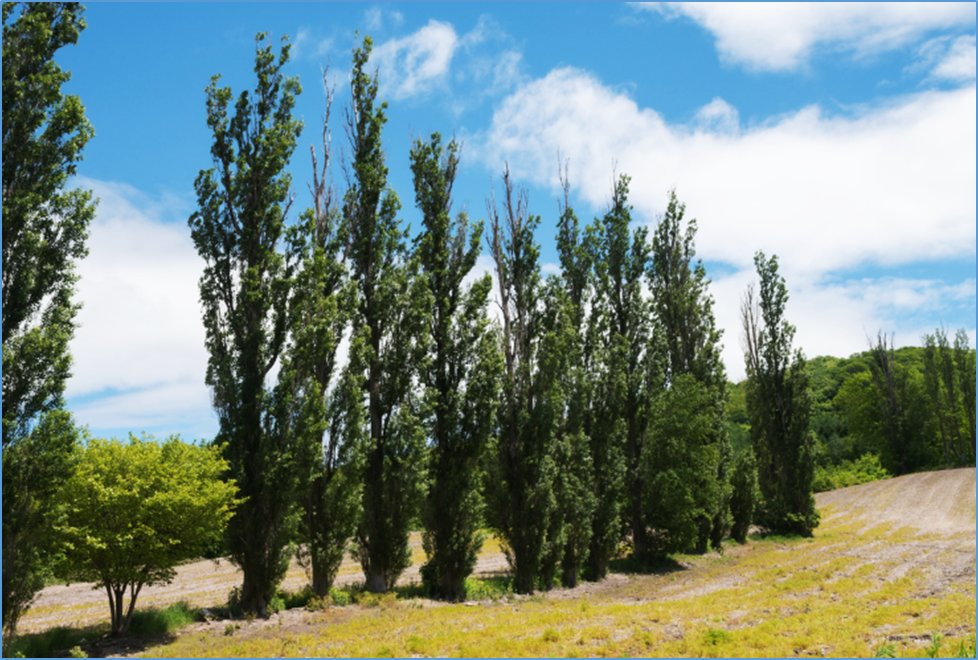
Friday, 24/04/2026 | 13:52:37
Researchers from the Siberian Branch of the Russian Academy of Sciences, Russia, developed two transgenic lines of genetically modified (GM) poplar trees carrying dehydrin genes TaWCS120 and HvDHN5 to improve tolerance to high salinity. The findings of the study offer potential benefits for both the wood industry and agriculture.
Strengthening seed systems in Liberia: EU-project improving access to high-quality coffee seedlings via regional seedling nursery hubs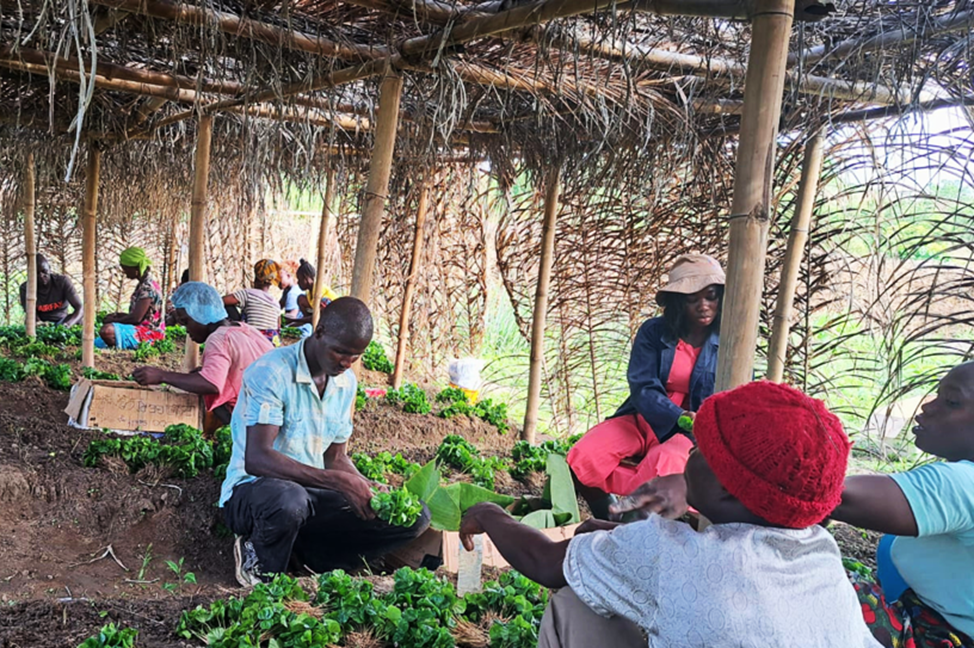
Friday, 24/04/2026 | 13:51:38
In the pre-war Liberia era, coffee was a high economic crop, especially Liberica coffee, which is unique to the country. The coffee sector in Liberia produced 5 percent of the world’s coffee. However, the 14-year civil war destroyed coffee production systems. Post-war, Liberian farmers relied on informal seed distribution networks to keep their farms alive, facing a high risk of loss from climate adversities including pests and diseases affecting low-yielding varieties and non-availability of good quality planting materials.
Rubisco kinetic acclimation at the holoenzyme level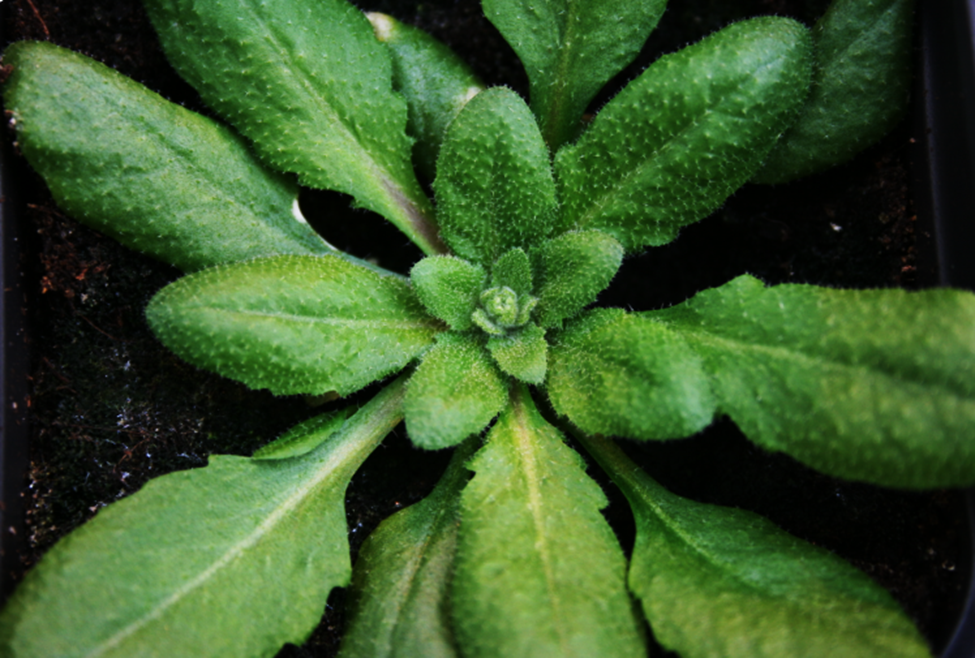
Friday, 24/04/2026 | 08:23:03
In plants, the CO2-fixing enzyme Rubisco is hexadecameric, with each mature holoenzyme containing eight small subunits (SSus). Many plants express multiple SSus and vary their expression in response to environmental cues. Previous work indicates that this may allow fine-tuning of Rubisco’s performance in a variable environment (i.e., kinetic acclimation). Despite SSu pools being heterogeneous and dynamic, nearly no evidence exists for holoenzyme-level heterogeneity.
Exhibition Features Gene-edited Glowing Plants in China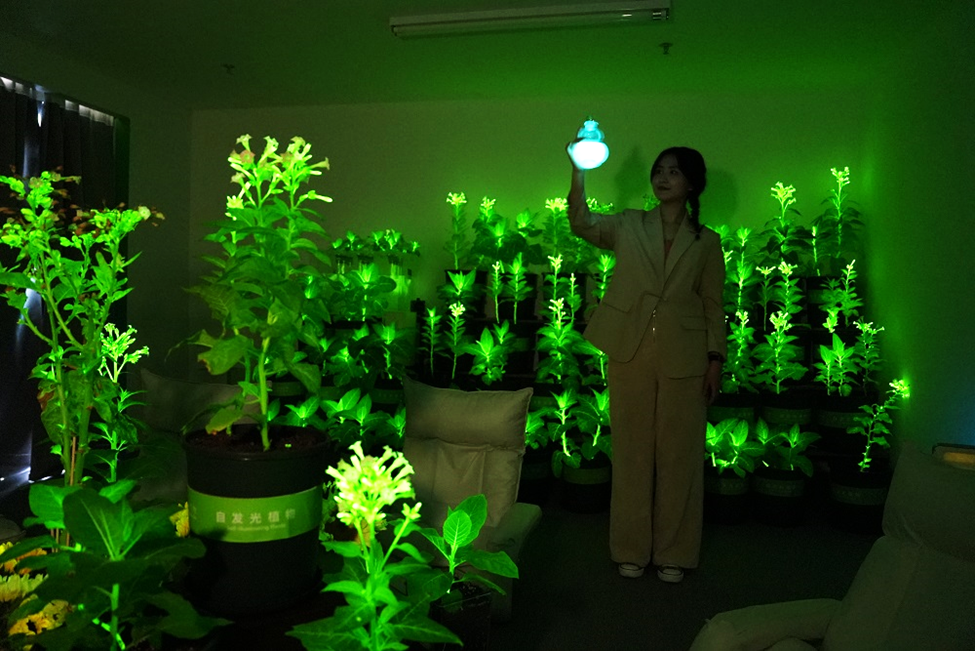
Friday, 24/04/2026 | 08:20:51
Gene-edited glowing plants were one of the highlights of the 2026 Garden Conference x Garden Collection Design Week held on April 17-19, 2026, at Suzhou International Expo Center in China. The glowing plants were showcased by Magicpen Bio, a China-based startup focused on research and development of gene-edited glowing plants.The glowing plants were developed by introducing firefly and glowing fungi genes into plant cells, allowing them to emit a soft glow. The researchers have modified more than 20 species to glow in the dark, including orchids, sunflowers, and chrysanthemums.
Africa's First Gene-Edited Grapevine Promises Climate Resilience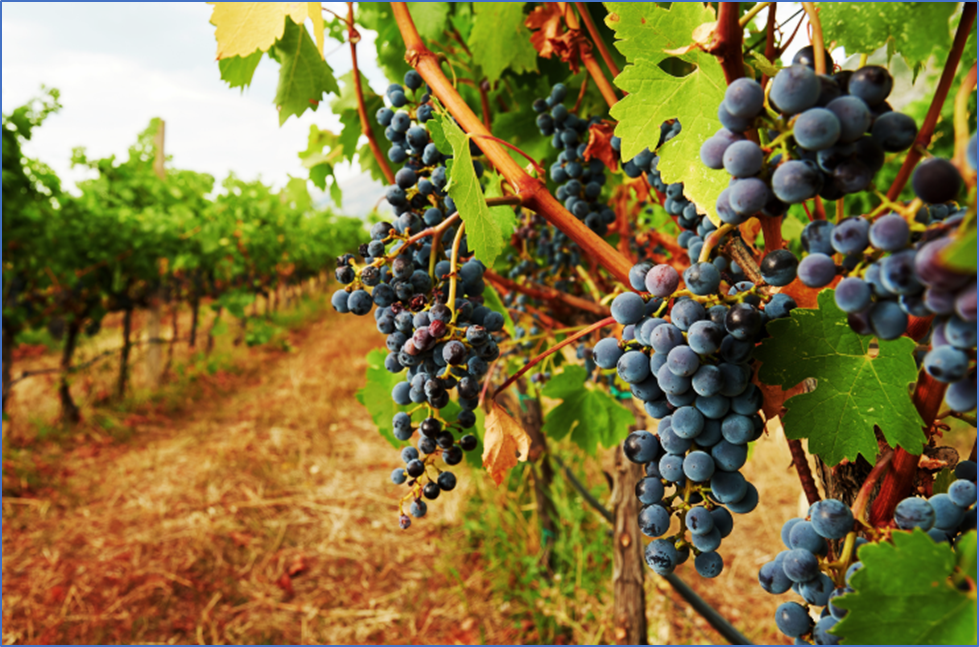
Friday, 24/04/2026 | 08:19:30
In a landmark achievement for African biotechnology, researchers from Stellenbosch University and the Agricultural Research Council have successfully produced the continent's first gene-edited grapevine. By using CRISPR-Cas9 technology to switch off a specific gene known as VvDMR6.1, the team has developed a woody crop variety with enhanced resistance to devastating diseases. This breakthrough, recently published in the journal Plant Stress, marks a significant milestone in using precision breeding to protect high-value horticultural crops in Africa.