


News & Events
News & Events
Microbiological quality of plant-based cheese analogues and pathogen behavior in cashew nut-based varieties in cashew nut-based varieties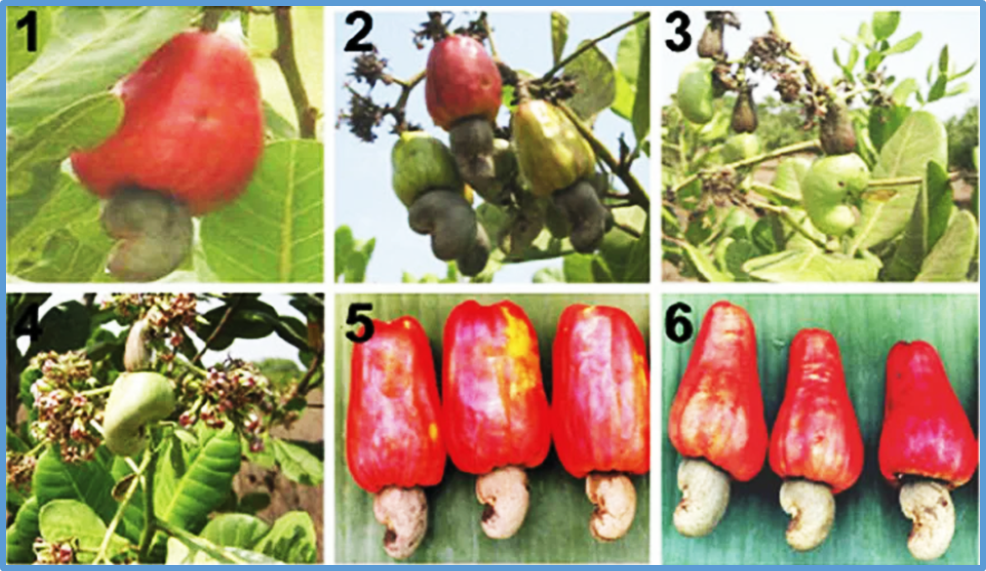
Friday, 17/04/2026 | 11:45:02
The high demand for plant-based foods has made cheese analogues a rapidly growing category. Nevertheless, the lack of specific regulations results in undefined microbiological standards, highlighting the need to assess their safety and quality. This study evaluated the microbial quality of 37 cheese analogue products from eight brands marketed nationwide, collected in the Campinas-SP region, Brazil, in two batches (n = 74), and assessed the microbial behavior of six pathogens in five cashew nut-based analogues from the same brand
Novel CRISPR-Based Vaccine Shows Protection Against Marek’s Disease
Friday, 17/04/2026 | 11:44:01
Scientists from Henan University of Science and Technology and partners have developed a novel vaccine using CRISPR-Cas9-based gene editing to target hypervirulent Marek's disease virus (MDV), a major cause of economic losses in the poultry industry. The findings of the study, published in Poultry Science, highlight the growing challenge of emerging MDV strains that evade protection from existing commercial vaccines.
Nigeria Approves High-Performing Groundnut Variety SAMNUT 30 Developed by ICRISAT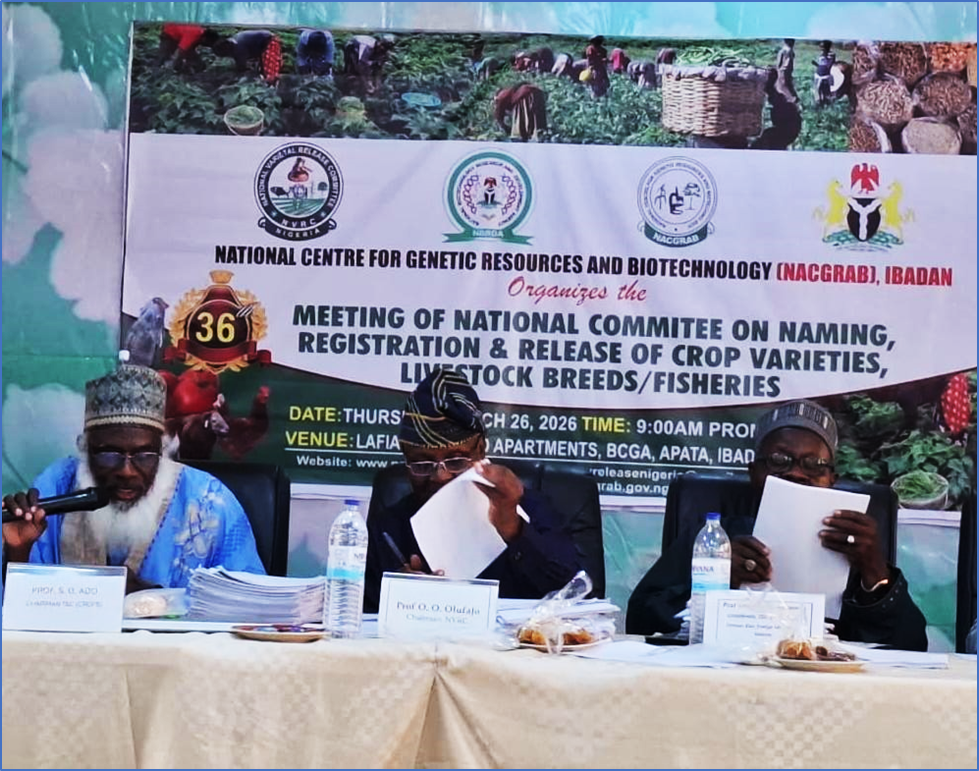
Friday, 17/04/2026 | 11:43:05
Ibadan, Nigeria | April 2026: Nigeria has approved the release of SAMNUT 30 (ICGV 206228), a high-performing groundnut variety developed by ICRISAT, marking an important step toward enhancing productivity and resilience and food and nutrition security among smallholder farmers. The new variety stands out for its high grain yield, strong stability across environments, and combined tolerance to major diseases including rosette disease, early leaf spot, and late leaf spot.
Identification and Analysis of DUF506 Gene Family in Peanut (Arachis hypogaea)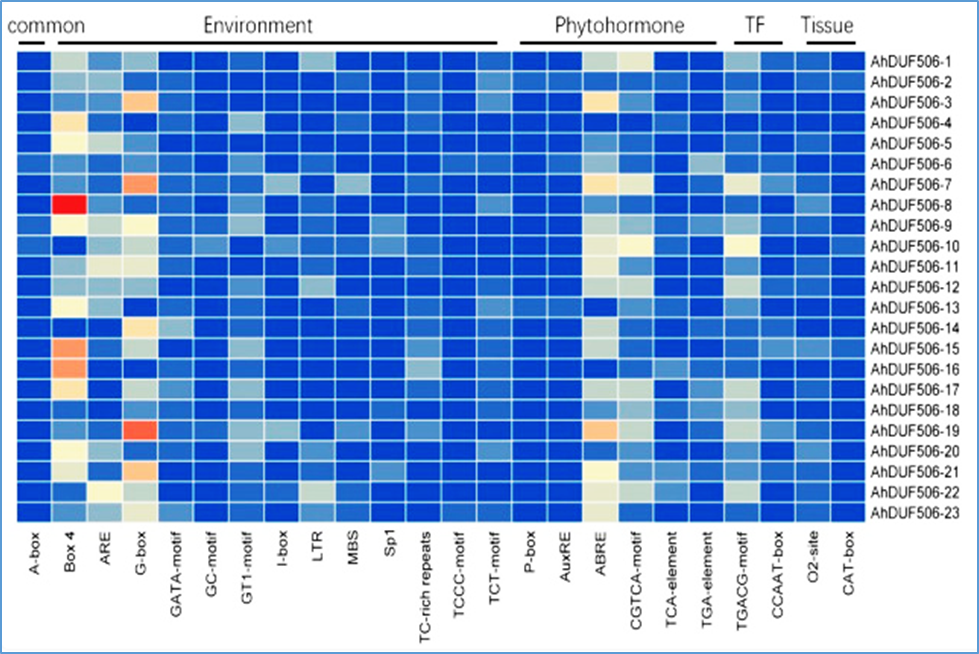
Friday, 17/04/2026 | 11:41:51
The Domain of Unknown Function 506 (DUF506) family, part of the PD-(D/E)XK nuclease superfamily, has been shown to play a vital role in plant development and responses to abiotic stresses. However, the function of the DUF506 family in cultivated peanuts remains unknown. This study identified 23 AhDUF506 genes using bioinformatics approaches; these genes are spread across 15 chromosomes and grouped into 4 subfamilies.
Wheat Gene Confers Tolerance to Low Temperature in Arabidopsis
Friday, 17/04/2026 | 11:40:54
Researchers from Qiqihar University in China reported the successful transformation of a wheat gene that confers low-temperature tolerance into Arabidopsis. Their findings are published in the journal Transgenic Research.Low temperature hampers normal plant growth and development. This led the research team to isolate and characterize the wheat cold-regulated gene 80 (Wcor80) from Dongnongdongmai 1, a variety of winter wheat.
FAO: Protracted Strait of Hormuz crisis could turn into global agrifood catastrophe
Friday, 17/04/2026 | 11:40:05
Ships carrying critical agricultural inputs must start moving through the Strait of Hormuz as soon as possible to ward off the risks of a dangerous spike in food price inflation later this year that could trigger a cascade of effects similar to the aftermath of the COVID-19 pandemic crisis, according to the Food and Agriculture Organization of the United Nations (FAO).
Next-Generation Precision Breeding in Peanut (Arachis hypogaea L.) for Disease and Pest Resistance: From Multi-Omics to AI-Driven Innovations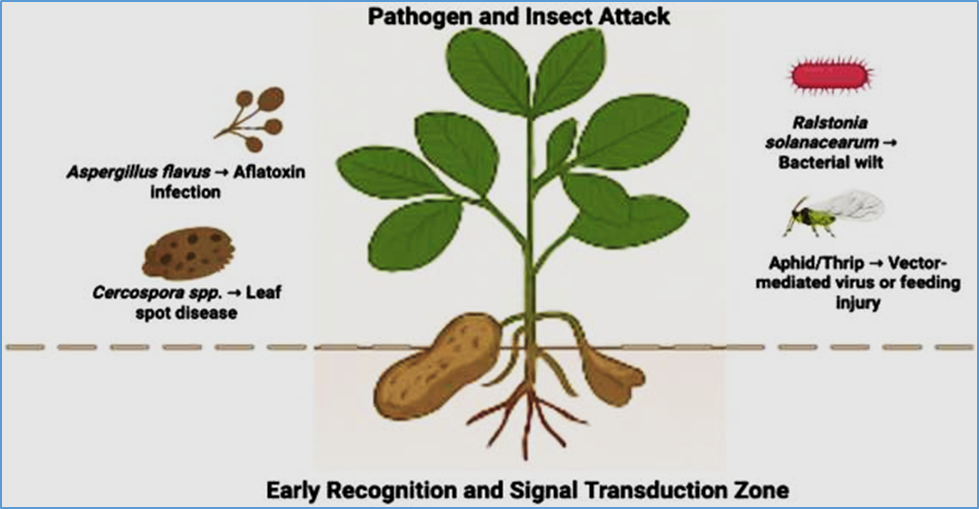
Friday, 17/04/2026 | 08:27:11
Peanut (Arachis hypogaea L.) is a globally important oilseed and food legume, yet its productivity is persistently constrained by devastating diseases and insect pests that thrive under changing climates. This review aims to provide a comprehensive synthesis of advances in precision breeding and molecular approaches for enhancing disease and pest resistance in peanut. Traditional control measures ranging from crop rotation and cultural practices to chemical protection have delivered only partial and often unsustainable relief.
How Bacteria Are Transforming Food, Agriculture, Health, and the Environment Through Biotechnology
Friday, 17/04/2026 | 08:25:30
You may not see them with the naked eye, but bacteria are among the most influential organisms on Earth. Often feared as agents of disease, bacteria are now being used as essential tools in biotechnology to transform the way we produce food, protect crops, treat illnesses, and conserve the environment. From fermenting everyday staples like yogurt and cheese, bacterial applications are quietly evolving in many ways to address global challenges such as food security, climate change, and public health.
New research provides updated estimates on global forest-sector employment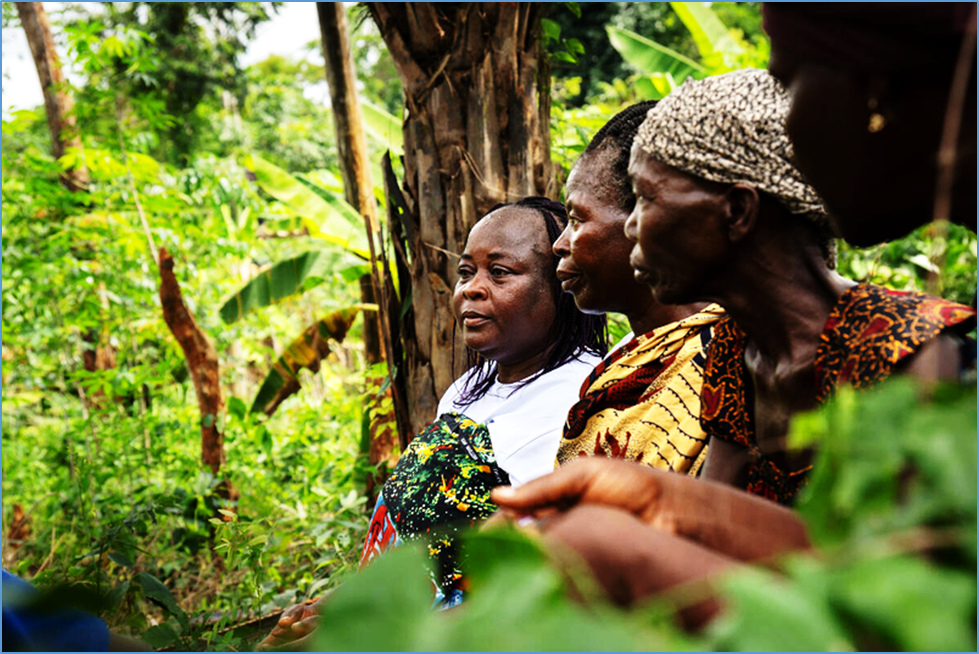
Friday, 17/04/2026 | 08:24:00
Forests employ approximately 42 million people worldwide, with women accounting for one quarter of the workforce, according to new research from the Food and Agriculture Organization of the United Nations (FAO), the International Labour Organization (ILO) and the Thünen Institute of Forestry. Published on Tuesday, Updated methodology to quantify forest-sector employment: Global and regional estimates presents fresh estimates that help close critical data gaps in global and regional forest-sector employment between 2011 and 2022.
Deciphering cassava brown streak virus infection in cassava through VPg mediated host protein interactions
Thursday, 16/04/2026 | 08:15:11
Cassava brown streak disease (CBSD) poses a major threat to cassava production in Africa. Identifying cassava proteins that interact with cassava brown streak virus (CBSV), the major causal virus, can help elucidate the mechanisms of infection and resistance. Here we constructed a cassava cDNA library and screened for proteins interacting with CBSV viral genome-linked protein (VPg) using yeast two-hybrid assays, identifying 36 interactors.
Study Finds How Visual Cues Drive GMO Polarization
Thursday, 16/04/2026 | 08:13:36
A new study published in the Journal of Science Communication (JCOM) reveals that images used in media coverage of genetically modified organisms (GMOs) often deepen existing public polarization rather than changing minds. Researchers found that visual cues—ranging from simple fruit to evocative "frankenfood" imagery—frequently reinforce a person's prior beliefs, making supporters more positive and skeptics more wary.
FAO Director-General calls for accelerated action on One Health agenda
Thursday, 16/04/2026 | 08:12:44
The Director‑General of the Food and Agriculture Organization of the United Nations (FAO), QU Dongyu called for accelerated action to advance the One Health agenda, warning that persistent capacity gaps and insufficient sustainable financing continue to undermine progress. Qu delivered opening remarks at the fourth executive meeting of the Quadripartite - an agreement between FAO, the United Nations Environment Programme (UNEP), the World Health Organization (WHO)