


News & Events
News & Events
Rorippa islandica is a genetically accessible dicot model system to study flooding tolerance 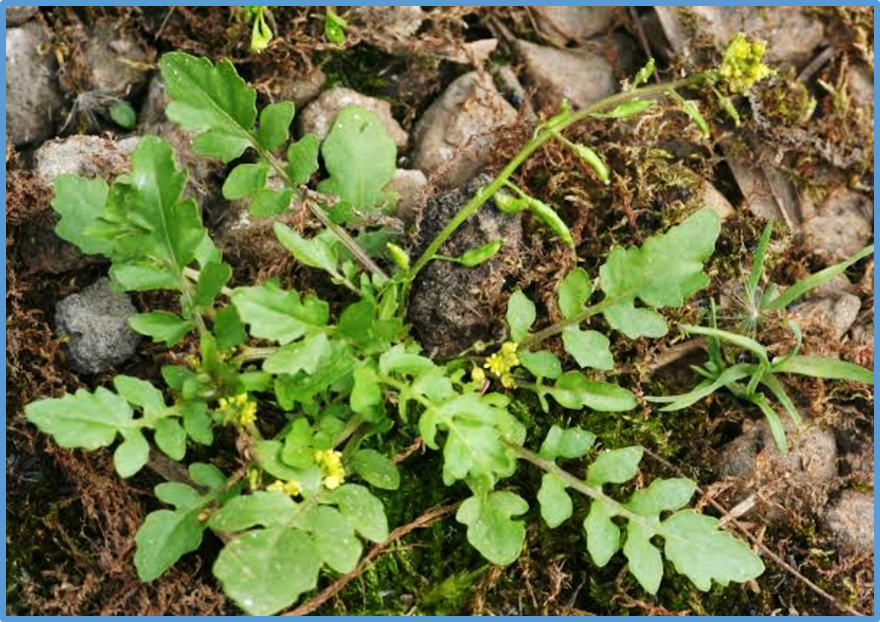
Friday, 29/05/2026 | 08:18:55
Most crop species cannot survive prolonged flooding events. Within the Cardamineae tribe of the Brassicaceae family, several wild species display high flooding tolerance and are therefore attractive study systems to unravel tolerance mechanisms. However the genetic recalcitrance of many of these species has prevented detailed mechanistic studies of observed tolerance traits. Here, Rorippa islandica was identified as a genetically accessible diploid species with high submergence tolerance.
Stanford University Bioengineers Speed Up Protein Testing to 24 Hours
Friday, 29/05/2026 | 08:18:05
Bioengineers from Stanford University have developed a new protein engineering method that can design, build, and test protein variants in just 24 hours. The technique, called MIDAS or Microbe-Independent Deep Assembly and Screening, could accelerate research in medicine, biotechnology, and environmental science by simplifying how proteins are engineered and tested.
Reviving Water, Restoring Landscapes: Livelihoods Improved After Six Years of Measurable Change in Central India 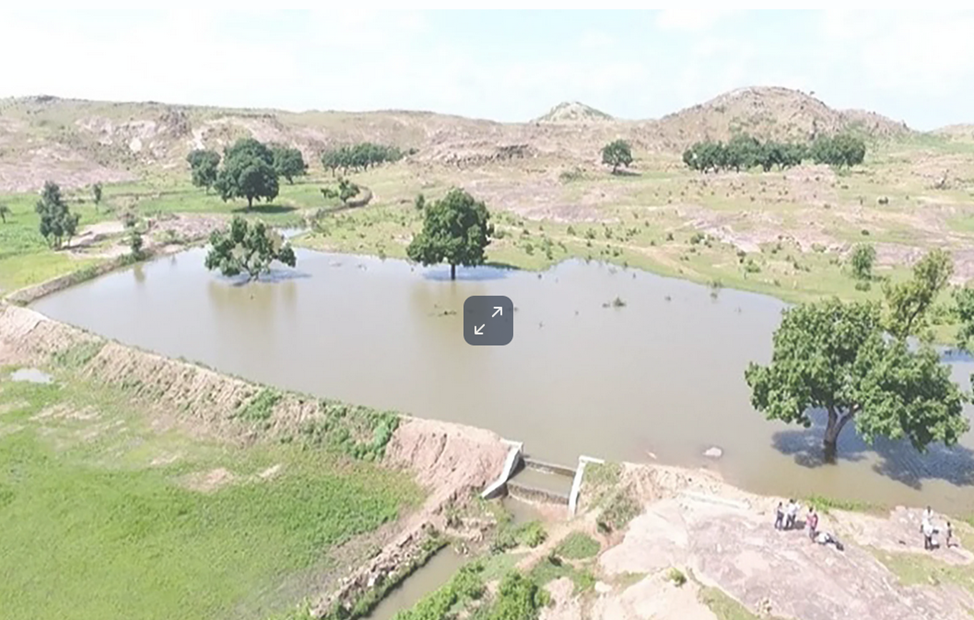
Friday, 29/05/2026 | 08:17:21
ICRISAT’s study, “Restoration potential of degraded landscapes for strengthening rural livelihoods,” presents compelling evidence from Bundelkhand, India, tracking watershed-driven transformation and showing how Pura Birdha village moved from drought-stricken conditions to water surplus.
Genetic dissection of oil content in maize kernel using combined genome-wide association analysis and linkage mapping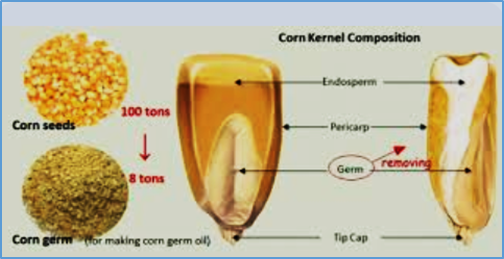
Thursday, 28/05/2026 | 08:06:52
With an exceptional energy density and high polyunsaturated fatty acid content, maize oil positions high-oil maize as multifunctional feedstocks. Exploring the genetic architecture of oil content (OC) in maize kernel is crucial for breeding high-oil maize varieties. Herein, a combination of genome-wide association study and linkage mapping was employed to explore the quantitative trait loci (QTL) and candidate genes underlying the OC in maize kernel under four environments.
University of Florida Develops World’s First DNA-Guided CRISPR System
Thursday, 28/05/2026 | 08:05:13
A team of engineers at the University of Florida has developed the world's first CRISPR system that uses DNA instead of RNA to guide gene-editing enzymes. Published in Nature Biotechnology, the breakthrough challenges the long-standing assumption that RNA must be used as the guide in CRISPR-based RNA editing tools.
New Fertilizer Supply Chain Network Formed to Support Vietnam's 1-Million-Hectare Rice Program 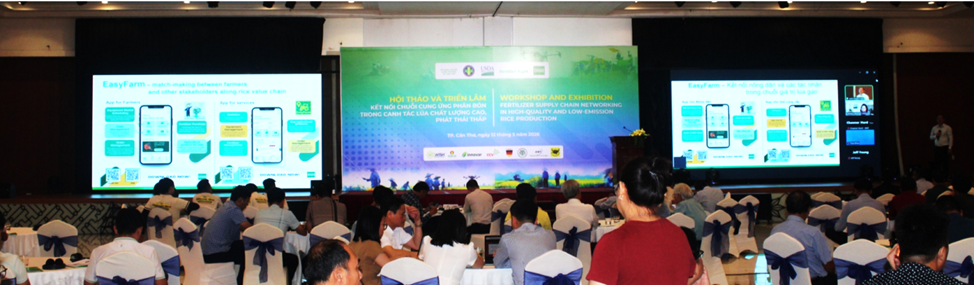
Thursday, 28/05/2026 | 08:04:04
Under the U.S. Department of Agriculture (USDA)-funded Fertilize Right (FerRight) project, the International Rice Research Institute (IRRI), in collaboration with the Plant Production and Protection Department (PPD) of the Ministry of Agriculture and Environment (MAE) and the Department of Agriculture and Environment (DAE) of Can Tho City, teamed up to scale efforts in implementing a government program that focuses on the sustainable development of one million hectares of low-emission rice cultivation in the Mekong Delta region by 2030 (the 1mHa Program).
A candidate gene marker at the red kidney color locus (Rk) enables the development of slow-darkening pink beans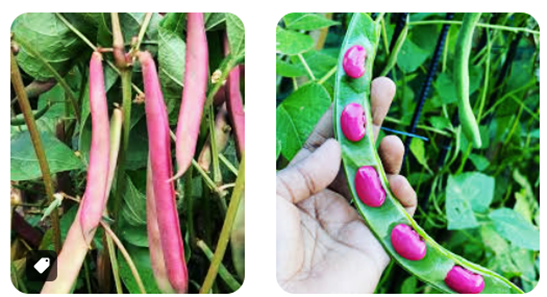
Wednesday, 27/05/2026 | 08:14:01
Common bean (Phaseolus vulgaris L.) is a globally important and nutritious crop with diverse market classes. Multiple genes control the seed coat color and patterns that characterize these market classes. Therefore, understanding the genetic control of seed coat color is critical for breeding purposes, especially when making crosses among different market classes. One such gene is Rk, the “red kidney” color gene.
Stanford University Bioengineers Speed Up Protein Testing to 24 Hours
Wednesday, 27/05/2026 | 08:12:46
Bioengineers from Stanford University have developed a new protein engineering method that can design, build, and test protein variants in just 24 hours. The technique, called MIDAS or Microbe-Independent Deep Assembly and Screening, could accelerate research in medicine, biotechnology, and environmental science by simplifying how proteins are engineered and tested.
Nutrition-Sensitive Trade: What Zanzibar’s Dagaa Fishery Reveals About Food and Nutrition Security
Wednesday, 27/05/2026 | 08:11:56
A recent study published in the journal of Environmental Research: Food Systems, examines how trade in aquatic foods can contribute to nutrition security across regions, using the dried dagaa (small pelagic fish) fishery in Zanzibar, Tanzania, as a case study. The authors introduce the concept of “nutrition-sensitive trade,” which refers to trade that delivers and balances access to nutrient-dense foods to multiple spatially distant populations,
Breeding for next-generation biotic stress-tolerant pigeonpea for sustainable food legume production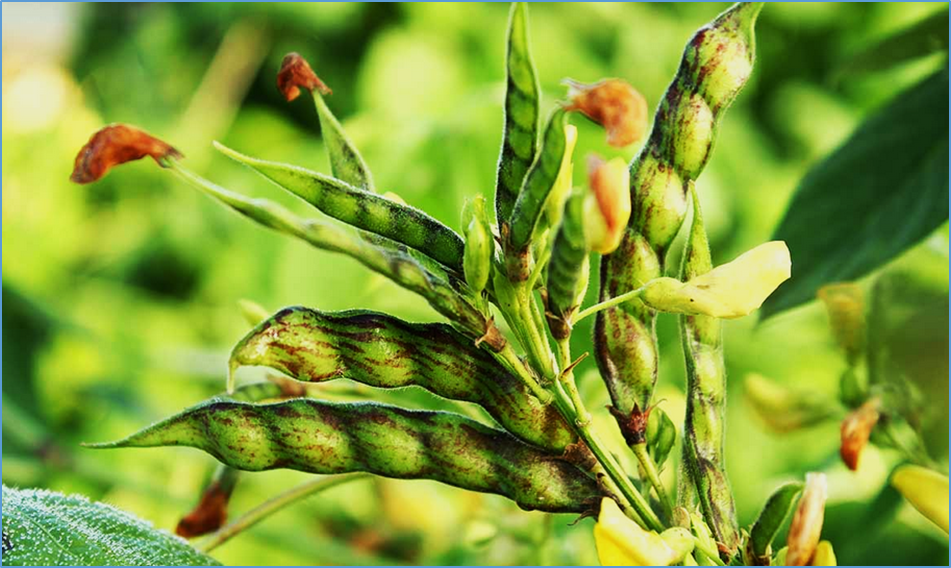
Tuesday, 26/05/2026 | 07:48:49
Pigeonpea, scientifically known as Cajanus cajan (L.) Millsp, is an important leguminous crop grown in tropical and subtropical areas. However, its production is increasingly threatened by biotic stresses, including sterility mosaic disease (SMD), fusarium wilt (FW), Helicoverpa armigera, Maruca vitrata, and other emerging plant pathogens, posing significant challenges to its sustainability. The pigeonpea gene pool exhibits considerable genetic diversity for biotic stress resistance, offering potential for developing resistant cultivars.
Plant Biotechnology Associations Urge EU Parliament to Reject NGT Amendments
Tuesday, 26/05/2026 | 07:47:52
Four prominent European plant biotechnology associations have issued a joint open letter urging members of the European Parliament's Committee on the Environment, Climate and Food Safety (ENVI) to swiftly pass a pending compromise regulation on New Genomic Techniques (NGTs). The letter, dated May 15, 2026, was signed by the French Association of Plant Biotechnologies (AFBV), Forum Grüne Vernunft (FGV), the Society for Plant Biotechnology (GfPB), and the Genomics and Genetic Engineering Research Circle (WGG).
Hilltops and teacups: How Rwanda is maximising its hilly landscape and boosting up small-scale farmers for quality tea production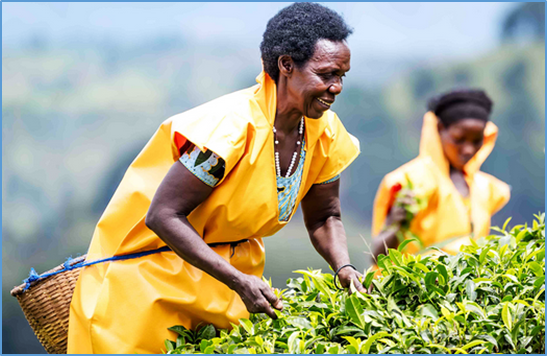
Tuesday, 26/05/2026 | 07:46:57
Dawn breaks over the lush, green fields of the country of 1 000 hills. As the sun rises, the ethereal mists shrouding the hilltops begin to lift, signalling another day for Rwanda’s agricultural workers.Tea leaves shimmer in the rising sun as tea pluckers don their colourful yellow protective gear, safeguarding them from scratches as they plunge into verdant rows of tea plants. A wicker basket is strapped to their backs, ready to collect the leaves they expertly pluck.