


News & Events
News & Events
AI-designed OpenCRISPR-1 performs robust knockout, base editing, and prime editing in rice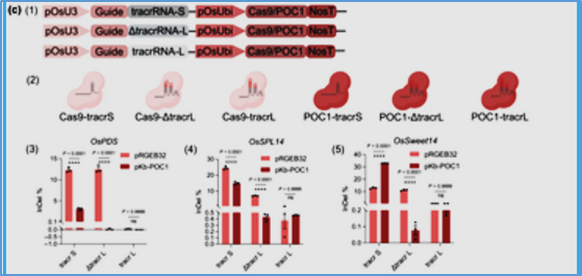
Tuesday, 02/06/2026 | 07:19:55
RNA-guided programmable nucleases enable high-precision genome engineering for applications in agriculture, medicine, and biotechnology. Genome editing in biological organisms relies on a limited set of naturally occurring enzymes. Widely used nucleases such as Cas9 (Jinek et al., 2012) and Cas12a (Zetsche et al., 2015), as well as emerging effectors including TnpB (Karvelis et al., 2021; Karmakar et al., 2024a) and IscB (Altae-Tran et al., 2021),
Scientists Uncover Genetic Secret Behind Stevia's Sweetness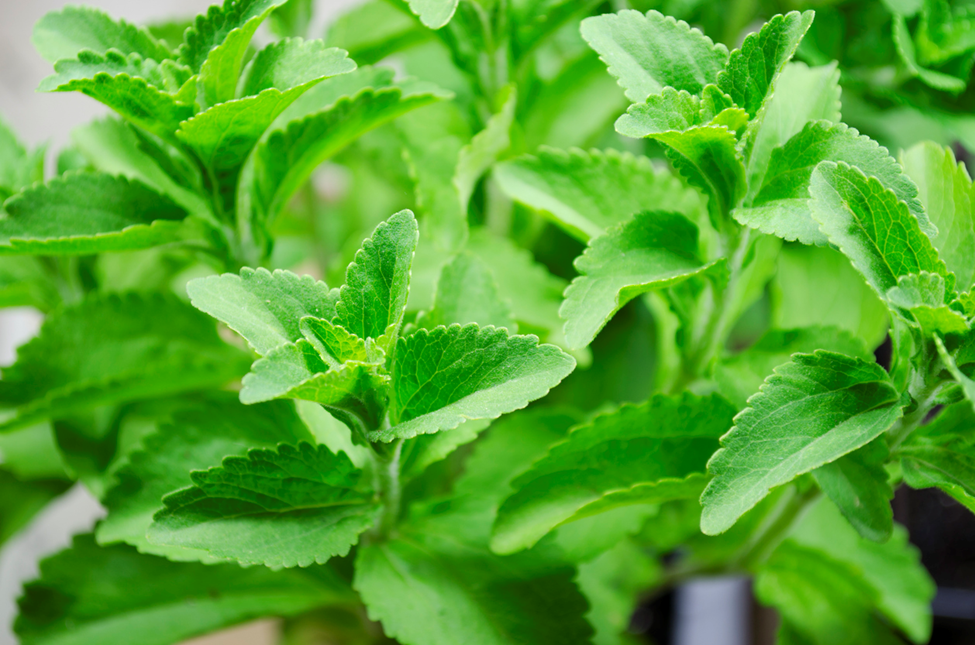
Tuesday, 02/06/2026 | 07:18:56
A new study from the University of Toyama has revealed why certain varieties of the natural sweetener stevia possess a cleaner, more sugar-like flavor than others. Sourced from the leaves of Stevia rebaudiana plant, stevia can be up to 300 times sweeter than regular sugar, though some varieties leave an undesirable bitter aftertaste. The research team discovered that stevia's sweetness is fundamentally determined by specific glycosyltransferase genes and their localized, cell-specific activity within the leaf structure.
Pakistan Introduces Major Biosafety Reforms to GMO Regulation
Tuesday, 02/06/2026 | 07:18:02
Pakistan's National Biosafety Committee has approved major amendments to the Pakistan Biosafety Rules 2005, significantly liberalizing its genetically modified organisms (GMO) regulatory regime. The reforms aim to transition the country toward a modern, science-based, and business-friendly governance system by simplifying licensing procedures, easing import restrictions, and facilitating laboratory research.
The effector NlOBP1b from the brown planthopper suppresses rice immunity by manipulating the OsCK2 complex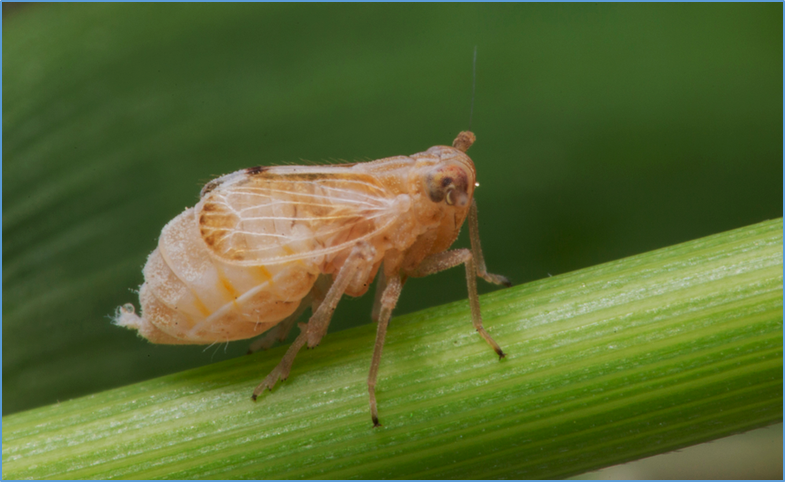
Monday, 01/06/2026 | 08:23:47
Odorant-binding proteins (OBPs) are crucial mediators in the peripheral olfactory perception of insects, functioning as a link between the external environment and odor receptors. Recent research has revealed their noncanonical role as salivary proteins that mediate plant–herbivore interactions, though the underlying mechanisms remain poorly understood. This study investigates the molecular basis of NlOBP1b, a salivary effector protein in the brown planthopper (Nilaparvata lugens, BPH)
How Do People Perceive GM and Gene-Edited Foods?
Monday, 01/06/2026 | 08:22:40
Public understanding of genetically modified (GM) and gene-edited foods has been widely studied across different countries. While some research says that increased familiarity with genetic engineering is associated with more favorable views, various studies find that public attitudes tend to be shaped by a combination of perceived risks and benefits, trust in regulatory institutions, and the credibility of information sources
FAO Director-General calls for AI’s transformative power to be at the service of rural communities and a bridge towards shared prosperit
Monday, 01/06/2026 | 08:21:21
The Director-General of the Food and Agriculture Organization of the United Nations (FAO), QU Dongyu, today called for Artificial Intelligence (AI) to be guided by human dignity, inclusion and solidarity, warning that “technological change is moving fast and we need to ensure social adaptation”.
OsCBL10 negatively regulates salt tolerance at seedling stage in rice 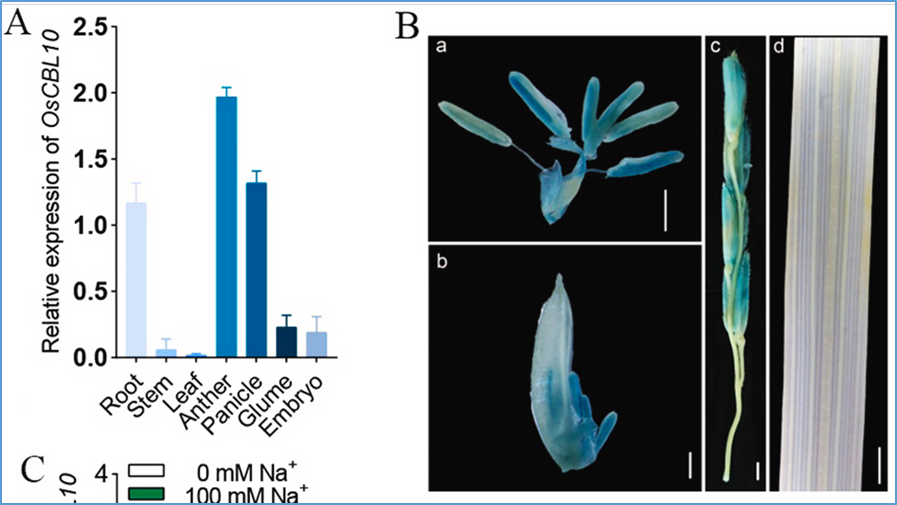
Friday, 29/05/2026 | 14:39:18
Soil salinity increasingly endangers global rice production. Although CBL-CIPK complexes are known to decode salt-induced Ca2+surges to activate ion transporters and antioxidant pathways, the in vivo role of rice OsCBL10 remains unknown, leaving a critical gap in Ca2+-mediated salt-tolerance mechanisms. In this study, we demonstrate that OsCBL10 is a tonoplast-localized Ca2+sensor that is transcriptionally up-regulated by salinity and most highly expressed in anthers and salt-stressed shoots.
Survey in Iran Shows Growing Positive Attitudes Toward GM Crops
Friday, 29/05/2026 | 14:37:52
A survey in Iran has examined public perceptions of genetically modified organisms (GMOs), revealing how awareness, trust, and socio-demographic factors influence attitudes toward the technology. The study assessed responses from 5,730 mostly young, urban, and educated participants across 16 provinces. The researchers found that while GM technology is generally viewed positively, knowledge remains limited. About 40% of respondents expressed positive attitudes towards GM crops, but 42% reported limited understanding of GMOs
Kenyan President calls for ambitious investment in IFAD14 at Africa Forward Summit
Friday, 29/05/2026 | 14:36:34
The disruption of the Strait of Hormuz reaches further than most headlines suggest. As crude oil pushed past US$100 a barrel for the first time in four years, and urea prices rose by more than a quarter within days of the conflict in Iran, the immediate concern in most capitals was energy, security and inflation. In Africa, the calculation is different. Nearly a third of the world’s traded fertilizer passes through that narrow strip of water, and the sharpest agricultural consequences are projected to arrive in the second half of this year when farmers across our continent will be making planting decisions for the season ahead.
Water stress tolerance, genomic selection and identification of genomic regions in a MAGIC population of eggplant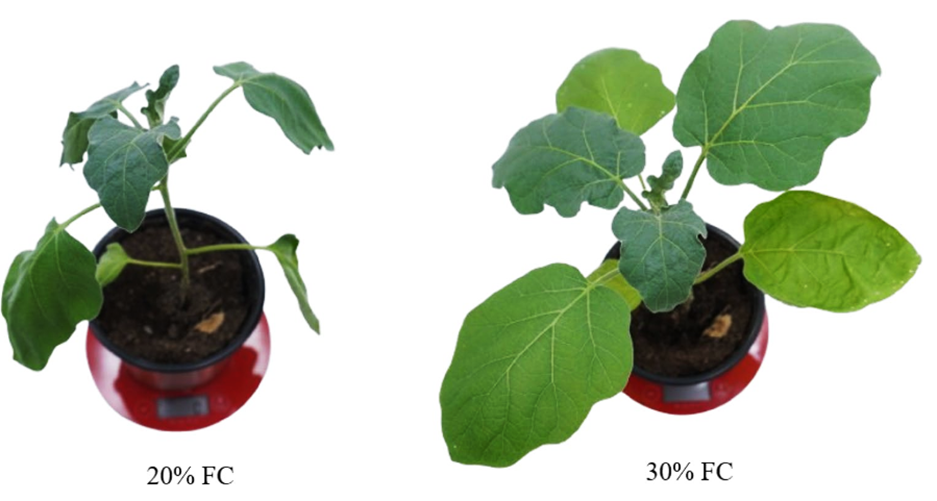
Friday, 29/05/2026 | 14:34:14
Horticultural crops are increasingly affected by water stress due to climate change, making the development of stress-tolerant varieties essential. In this study, we evaluated 184 multi-parent advanced generation inter-cross (MAGIC) eggplant lines under water stress conditions, consisting of irrigation at 30% of field capacity. After 21 days of stress, we assessed growth-related traits, water content, plant pigments, and proline content. The MAGIC population showed high variability for water stress tolerance, with several transgressive lines surpassing parental values.
Study Finds Dicot Model System to Study Flooding Tolerance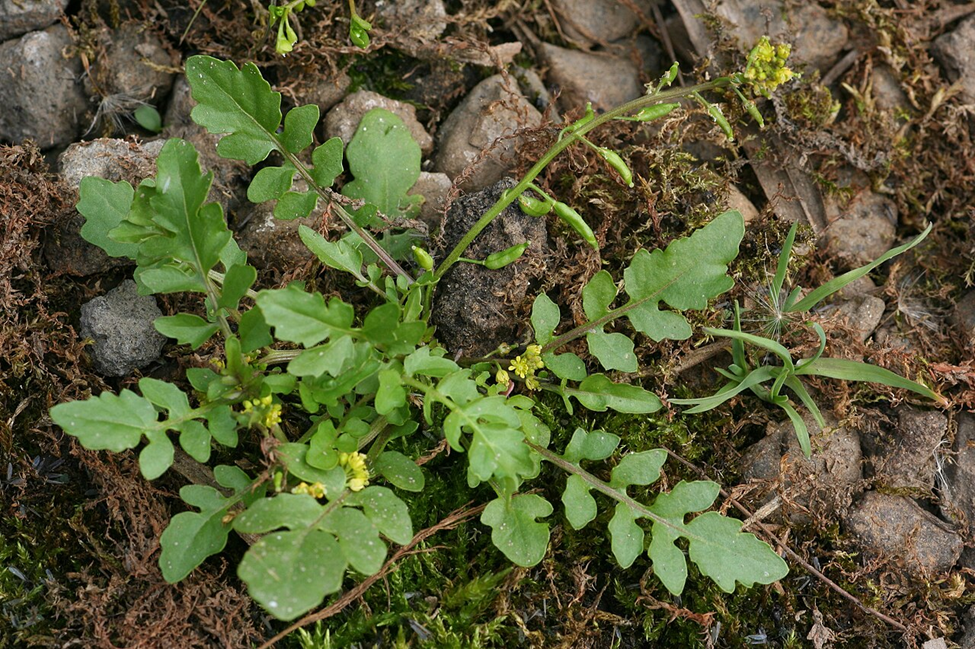
Friday, 29/05/2026 | 14:32:41
Most economically important crops cannot survive long periods of severe floods. Thus, researchers look to wild plant families with inherent submergence traits. However, most of these wild crops are difficult to study at a genetic level. Scientists at the University of Bayreuth, Germany, reported yellow marshcress (Rorippa islandica) as a breakthrough candidate because of its simple genetic structure and ability to survive submergence. Their findings are published in Plant Physiology.
ICRISAT Accelerated Crop Improvement (ACI) Overview
Friday, 29/05/2026 | 14:31:08
The Accelerated Crop Improvement (ACI) Program leads the development of ICRISAT’s efforts to improve dryland crop varieties for Africa, Asia, and beyond.The Program employs advanced technologies and innovative approaches to develop improved crop varieties with desirable traits such as increased yield, better nutritional quality, and enhanced resilience to biotic and abiotic stresses.