


News & Events
News & Events
Experts Develop Gene-Edited Pigs Resistant to Classical Swine Fever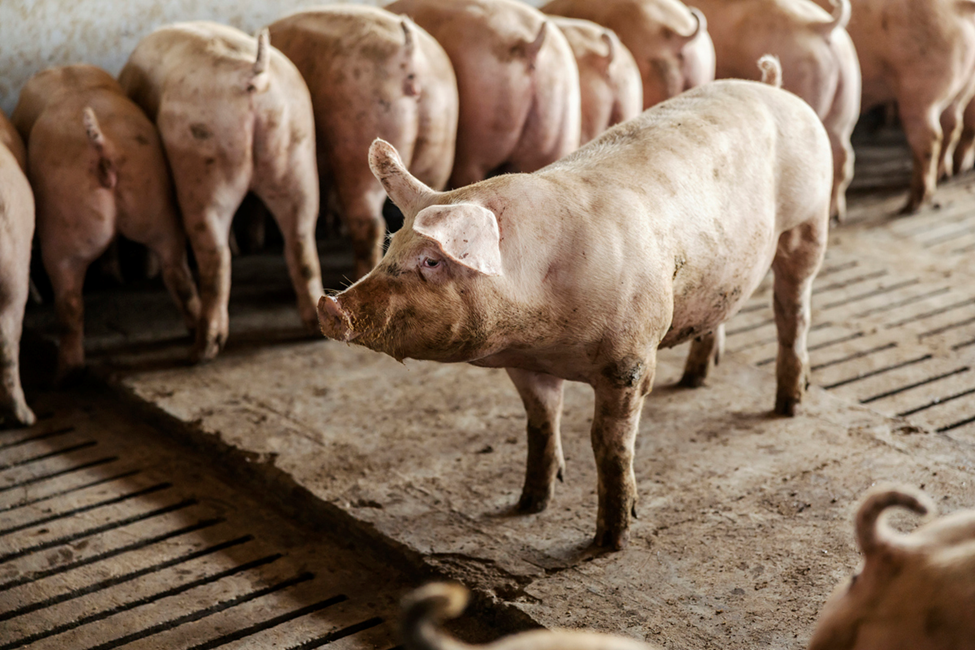
Thursday, 06/11/2025 | 08:16:18
Researchers from the Animal and Plant Health Agency, University of Lübeck, and University of Edinburgh have successfully developed gene-edited pigs resistant to classical swine fever, a highly infectious and often deadly viral disease that threatens the livestock industry worldwide. The genetic modification provided the animals' protection from infection without affecting their health or development.
Proteomic analysis reveals dynamic expression related to malondialdehyde in cassava in response to cassava bacterial blight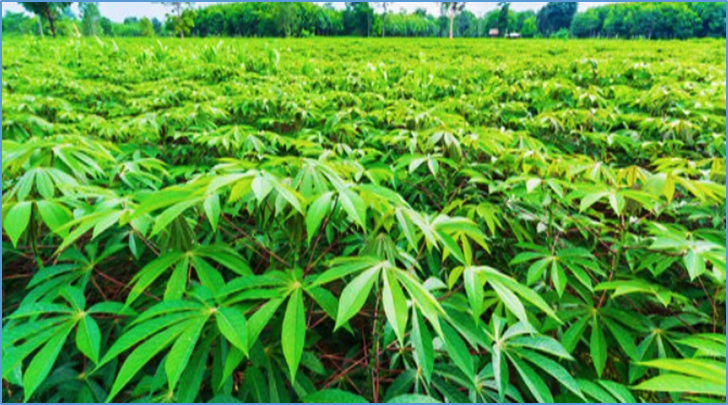
Wednesday, 05/11/2025 | 08:12:59
Cassava bacterial blight (CBB) significantly affects cassava production in Thailand. Understanding tolerant cultivar responses can reveal key disease resistance mechanisms. This study identified differentially abundant proteins between the tolerant 'Rayong72' (R72) and susceptible 'Hanatee' (HN) cassava cultivars, with quantitative PCR validating mRNA-level changes. Several upregulated proteins in the R72 cultivar were linked to disease progression and defense mechanisms. Correlations between phenotypic symptoms, including malondialdehyde (MDA) levels and protein expression trends, were observed.
Scientists Show How to Grow More Nutritious Rice That Uses Less Fertilizer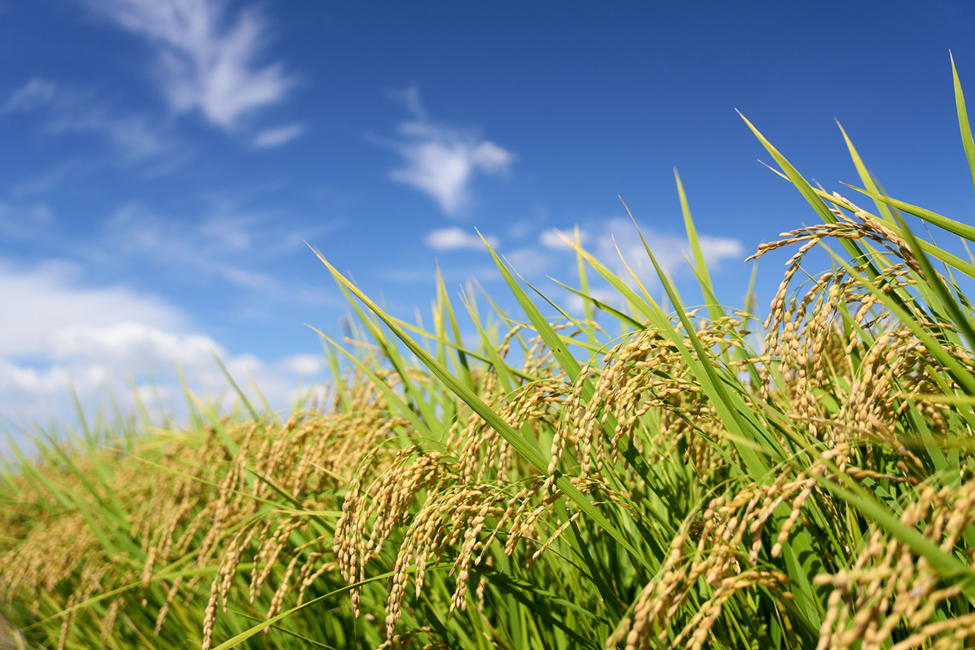
Wednesday, 05/11/2025 | 08:10:27
A new study co-led by the University of Massachusetts Amherst has introduced a groundbreaking method for cultivating rice. Researchers found that applying nanoscale selenium to rice plants can dramatically cut the need for synthetic nitrogen fertilizer while maintaining or even increasing crop yields. This innovation addresses the "triple threat" of a growing population, climate change, and the high environmental cost of conventional farming, which typically sees up to 70% of fertilizer wasted and washed away.
Gene Drive Technologies: Advances in Health, Conservation, and Governance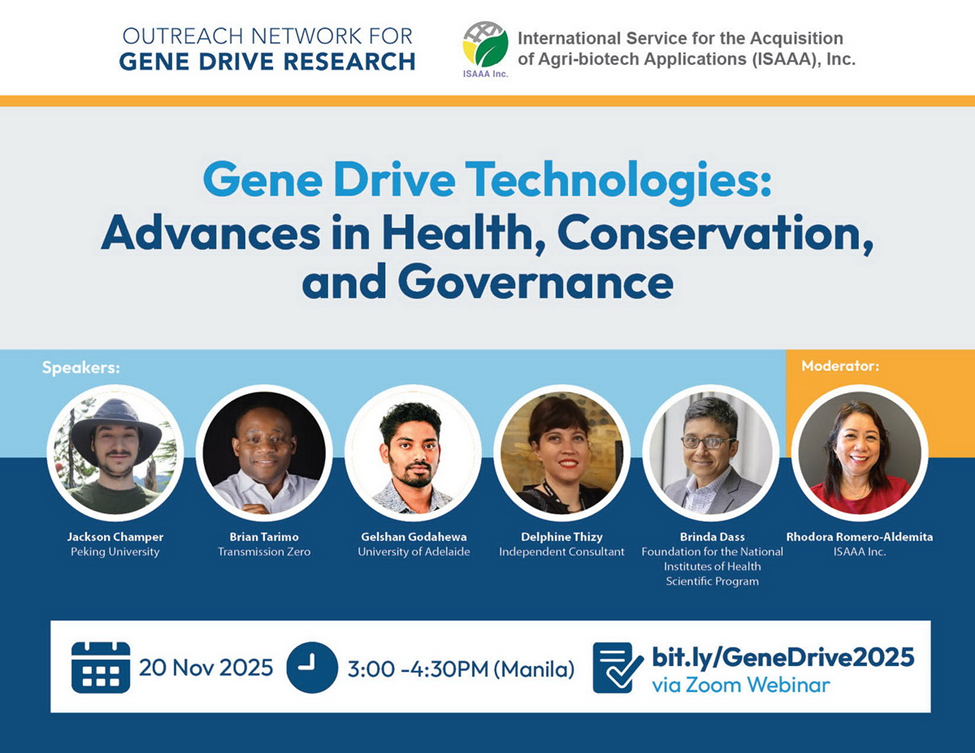
Wednesday, 05/11/2025 | 08:09:37
Gene drive technology is rapidly advancing, offering powerful new tools with the potential to tackle some of the world's most pressing challenges in public health and environmental conservation. Thus, this webinar will cover core concepts on gene drive while providing timely updates on real-world progress, emerging policy discussions, and the evolving societal considerations shaping the gene drive landscape. Dr. Rhodora Romero-Aldemita, Executive Director of ISAAA, Inc., will moderate the discussions.
A yeast mating platform for multiplex screening of fungal GPCR–ligand interactions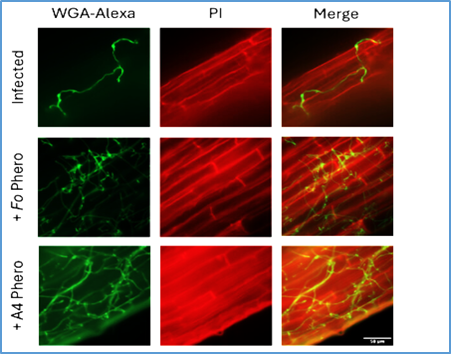
Tuesday, 04/11/2025 | 08:10:48
Fungi are essential members across ecosystems, yet phytopathogenic fungi pose an increasing risk to crop yields. Despite their ecologic importance, cell–cell communication in fungi is underexplored, partly due to the lack of high-throughput techniques. Here, we developed a Yeast Mating Platform (YeMaP) to investigate the interaction between fungal G protein–coupled receptors (GPCRs) and pheromone peptides. We used YeMaP for high-throughput screening of 8,000 pheromone sequences and identified peptides with improved agonism or antagonism action.
Pakistan Approves GM Sugarcane and GM Cotton for Commercialization and GM Canola for Food, Feed, and Processing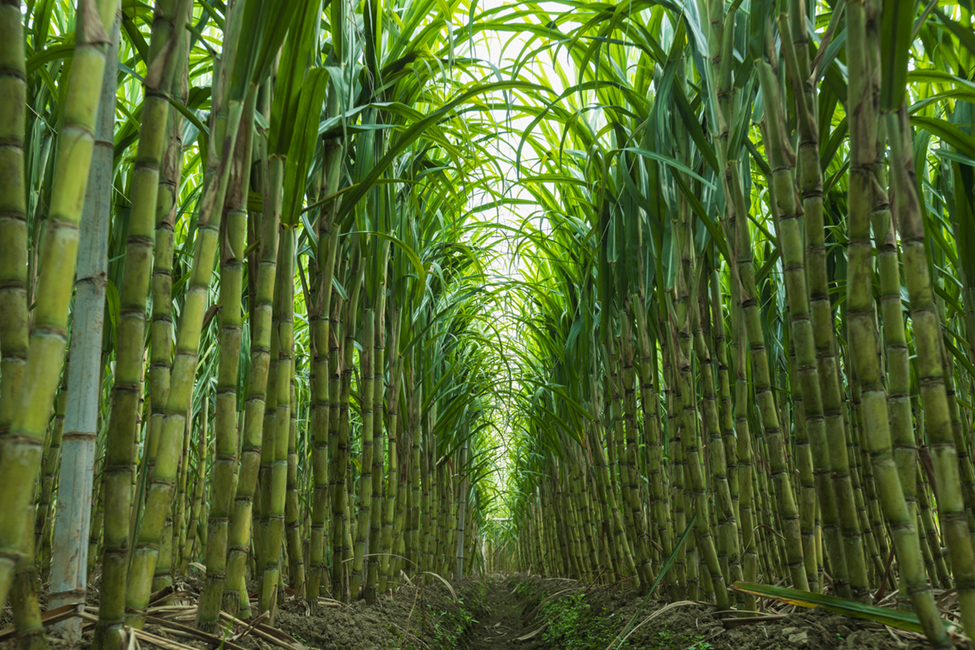
Tuesday, 04/11/2025 | 08:09:32
The National Biosafety Committee (NBC) has approved Pakistan's first genetically modified (GM) sugarcane and advanced cotton varieties for commercialization during NBC's 35th meeting at the Ministry of Climate Change and Environmental Coordination (MoCC&EC). Chaired by the Secretary of the Climate Change Ministry, the meeting was attended by the Director General of Pakistan Environmental Protection Agency and other senior officials and experts.
Escaping the fragility-poverty trap: New evidence on financing food systems in Africa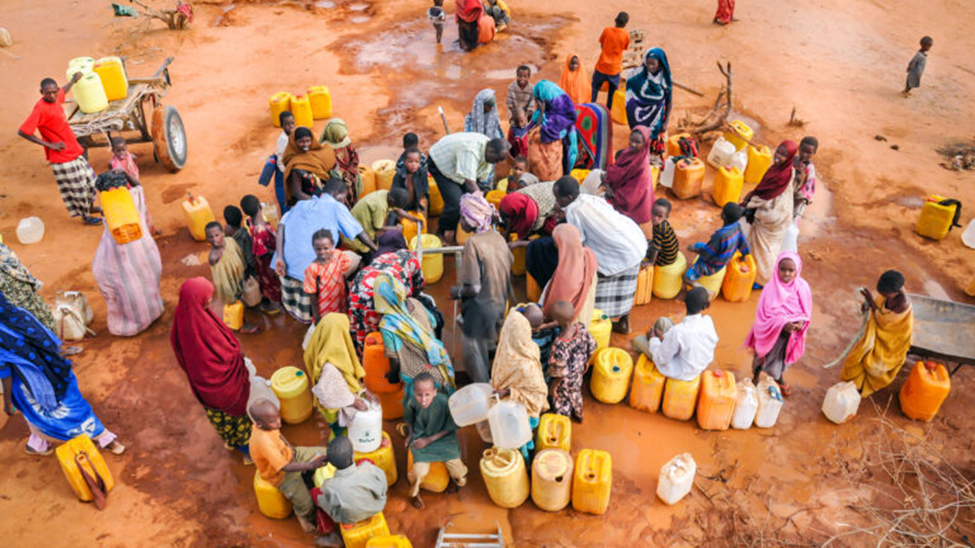
Tuesday, 04/11/2025 | 08:08:41
Extreme poverty and fragility are increasingly converging, and so must the policies and financing designed to address them. This was the central message of an October 17 policy seminar, Tackling Extreme Poverty and Financing for Food Systems in Africa, organized by IFPRI on the margins of the 2025 World Bank-International Monetary Fund (IMF) Annual Meetings in Washington, D.C.
Genetic dissection of low-sulfur tolerance via linkage and genome-wide association analyses in soybean [Glycine max (L.) Merr.] seedlings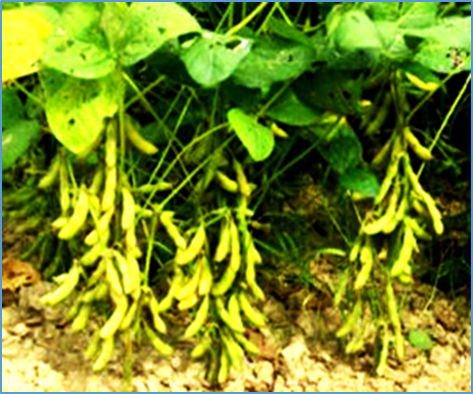
Monday, 03/11/2025 | 08:20:58
Low-sulfur nutrient stress severely affects yield and quality in soybean production. However, genetic studies related to soybean tolerance to low-sulfur conditions are insufficient. Here, soybean tolerance to low-sulfur conditions was evaluated according to ten traits at the seedling stage. A total of 72 quantitative trait loci (QTLs) and 103 quantitative trait nucleotides (QTNs) related to low-sulfur tolerance in soybean seedlings were detected via linkage analysis and genome-wide association analysis (GWAS) in a recombinant inbred line (RIL) population and a natural population, respectively
PhilRice Deposits 4,417 Rice Seed Samples to the Svalbard Global Seed Vault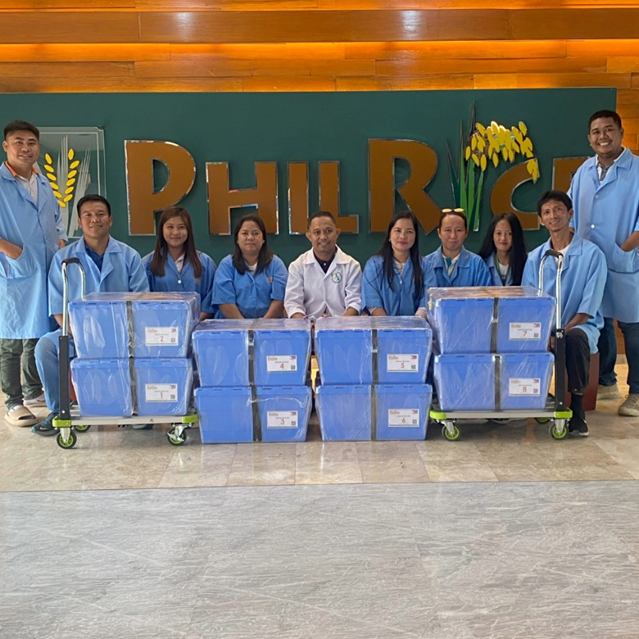
Monday, 03/11/2025 | 08:19:56
In October 2025, the Philippine Rice Research Institute (PhilRice) made a groundbreaking commitment to global food security by donating 4,417 rice seed samples to the Svalbard Global Seed Vault. This historic deposit represents PhilRice's inaugural contribution to the vault and the first time in 40 years that duplicates of their invaluable seed collections have been secured outside the Philippines. Such actions are crucial in safeguarding these resources against the escalating threats of natural disasters and climate change.
Mexico trip features visit to a GIAHS site, to CIMMYT, and bilateral meetings with high level government representatives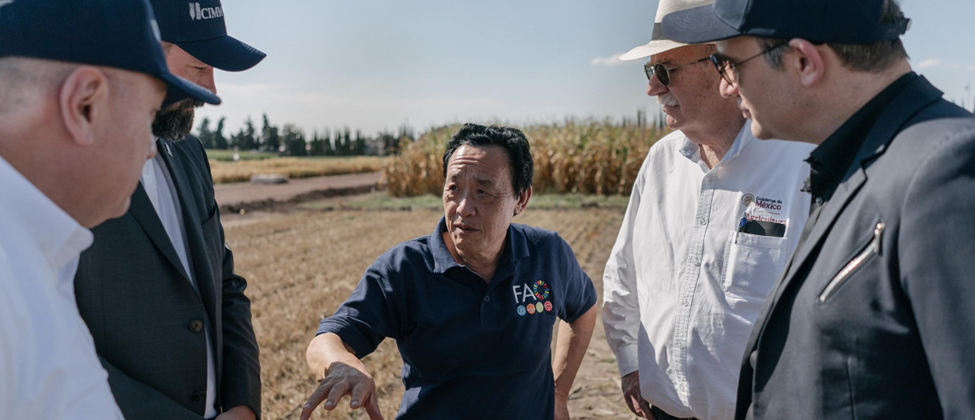
Monday, 03/11/2025 | 08:18:40
QU Dongyu visited Mexico on a two-day trip during which he met senior government ministers and made field visits to local institutions.
A highlight was the Director-General’s visit to Metepantle in Españita, Tlaxcala state, where he visited the Metepantle, a recently-designated FAO Globally Important Agricultural Heritage Systems (GIAHS) site. Accompanied by Julio Berdegué Sacristán, Secretary for Agriculture and Rural Development, and local authorities, Qu praised Metapantle as a powerful example of long-term agricultural resilience in fragile mountain environments.
Generating Broad-Spectrum Resistance to ALS-Inhibiting Herbicides in Rice by CRISPR/Cas9-Mediated NHEJ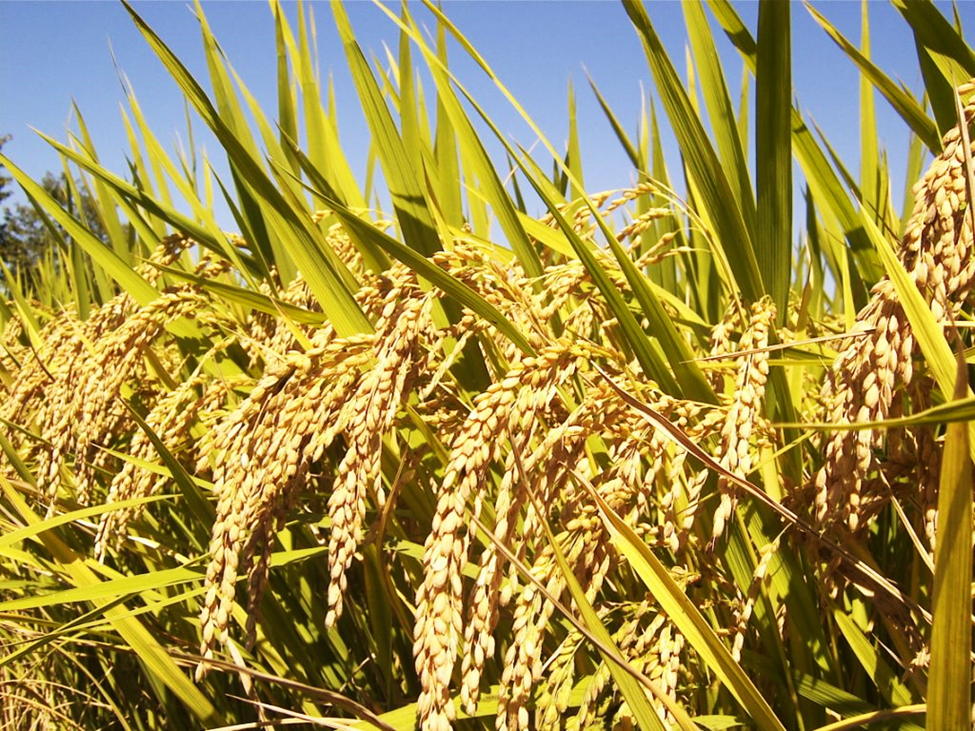
Friday, 31/10/2025 | 09:30:39
Herbicides are pivotal for modern agriculture, but challenges like weed resistance and crop rotation issues necessitate the development of herbicide-resistant genetic resources. This study focused on acetolactate synthase (ALS), a key enzyme targeted by numerous herbicides. Using CRISPR/Cas9-mediated non-homologous end joining (NHEJ) and combining with whole-stage selection, we induced mutations in the OsALS gene of indica rice and identified novel in-frame mutations at the P171 and S627 sites, respectively. Among them, one mutation at the P171 site, the triple mutation P171T/R172G/M174L (ALS-TM) conferred broad-spectrum resistance to Imidazolinones Pyrimidinylthiobenzoates Sulfonylaminocarbonyltriazolinones and Sulfonylureas herbicides.
The Enormous Impact of Biotechnology in Agriculture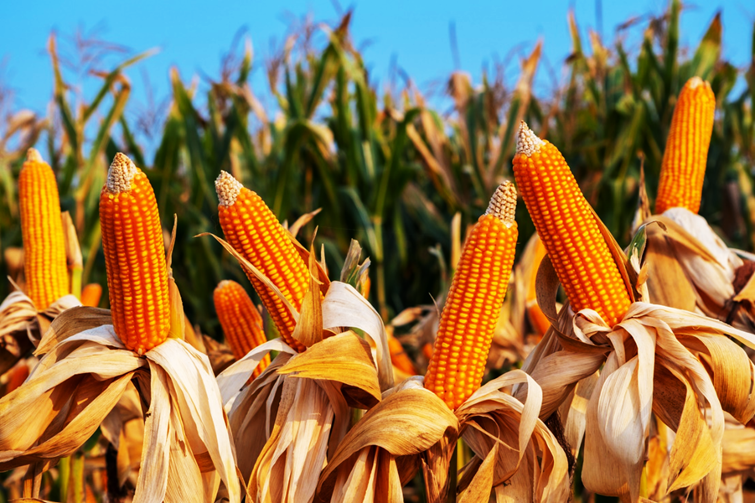
Friday, 31/10/2025 | 09:28:57
With the recent typhoons this year and the El Niño in 2024, the writing on the wall is very clear: Philippine agriculture must accelerate adoption of technologies to increase productivity and attain resiliency, and lift more farmers out of poverty.
Typhoons and droughts have a telling effect on agricultural lands. For one, floods can wipe out a farmer’s single cropping, and make it hard to plant anew if floods do not subside.