


News & Events
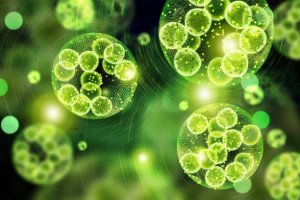
An international team led by the researchers in Ruhr-Universität Bochum (RUB) in Germany provided new insights in the transport of light-energy of Photosystem I (PSI), a complex, giant photosynthetic protein. The researchers isolated the protein complex using mass-spectrometry, spectroscopy, and biochemical methods to characterize it in detail. They used the atomic structure of PSI to study the energy transfer inside the protein complex and the localization of the red chlorophylls.

A study in the US done in 2019 found that extreme opposition to genetically modified (GM) food was associated with low levels of objective knowledge. Now, a similar study was done in China, and the results were found to be the same. Researchers from different universities in Wuhan, Guangzhou, and Shanghai conducted a conceptual replication of the study with Chinese internet users as respondents.
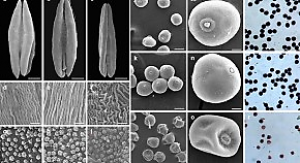
Cytoplasmic male sterility (CMS) is widely used for heterosis and hybrid seed production in wheat. Genes related to male fertility restoration in the presence of Aegilops kotschyi cytoplasm have been reported, but the fertility restoration-associated gene loci have not been investigated systematically. In this study, a BC1F1 population derived from a backcross between KTP116A, its maintainer line TP116B, and its restorer line LK783 was employed to map fertility restoration by bulked segregant RNA-Seq (BSR-Seq). A major fertility allele restorer locus for Ae. kotschyi cytoplasm in wheat, Rfk1, was mapped to chromosome arm 1BS, and it was contributed by LK783.
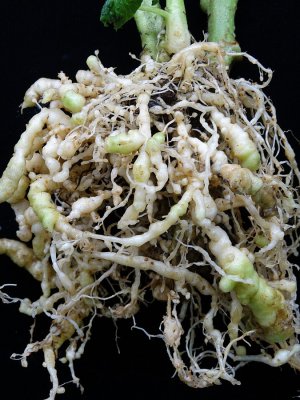
A team of Japanese researchers found that phytol, a constituent of chlorophyll, has inhibitory effects on the root invasion of root-knot nematodes (RKN). The study, published in Molecular Plant-Microbe Interactions (MPMI), could lead to creating eco-friendly agrochemicals for nematode control. Phytol is known to be present in almost all photosynthetic organisms but its role in plant defense is yet to be explored.
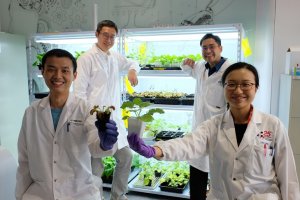
A group of experts led by scientists from Nanyang Technological University in Singapore (NTU Singapore) has developed a communication device that can deliver electrical signals to and from plants. The findings are published in Nature Electronics. For decades, scientists have known that plants emit electrical signals to sense and respond to their environment. Measuring the electrical signals emitted by plants could help researchers in various applications, including plant-based robots or early disease detection for food security.
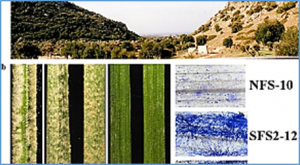
Wheat powdery mildew caused by Blumeria graminis forma specialis tritici (Bgt) is a globally devastating disease. The use of powdery mildew resistance genes from wild relatives of wheat is an effective method of disease management. Our previous research has shown that disruptive ecological selection has driven the discrete adaptations of the wild emmer wheat population on the south facing slope (SFS) and north facing slope (NFS) at the microsite of “Evolution Canyon” at Mount Carmel,

Canada is changing its risk assessment policy for genetically engineered (GE) plants and food products. GE plants that contain foreign DNA will continue to be subject to regulatory oversight, while gene-edited organisms that do not have foreign DNA will be exempted from safety evaluation. GE plants will be categorized as novel or non-novel. Novel organisms are those that exhibit traits that are not naturally occurring and contain foreign DNA. On the other hand, non-novel organisms are those that have a history of safe use, no introduced characteristics

Experts who have previously served the Organization for Economic Cooperation and Development (OECD) are proposing to update the Recommendation on Recombinant DNA Safety Considerations of 1986 to make it more suitable for the modern era of biotechnology. In an article published by Trends in Biotechnology, the experts presented their suggestions on how to update the Recommendation to take into account the accomplishments made by modern biotechnology since 1986.
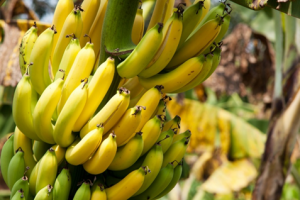
In the present study, we investigated the functions of MaMAPK3 and MaICE1 involved in cold tolerance of banana. The effect of RNAi of MaMAPK3 on Dajiao (Musa spp. ‘Dajiao’; ABB Group) cold tolerance was evaluated. The leaves of the MaMAPK3 RNAi transgenic plants showed wilting and severe necrotic symptoms, while the wide-type (WT) plants remained normal after cold exposure.

Researchers at Martin Luther University Halle-Wittenberg (MLU) and the Leibniz Institute of Plant Biochemistry (IPB) have developed an improved version of the gene editing tool CRISPR-Cas9 with the ability to knock out up to 12 genes in plants in a single blow. Until now, this had only been possible for single or small groups of genes. The method makes it easier to investigate the interaction of various genes.
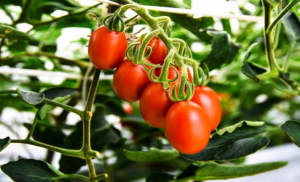
The first direct consumption genome-edited tomato was launched in Japan by Sanatach Seed. The Japanese ministries in-charge have announced their determination that the genome-edited tomato will not be regulated as a genetically modified product. Sanatech Seed's Sicilian Rouge High GABA tomato was developed using CRISPR-Cas9 gene editing technology. The tomato contains high levels of gamma-aminobutyric acid (GABA), an amino acid believed to aid relaxation and help lower blood pressure

Andropogon virginicus is an invasive weed that seriously threatens agricultural production and economics worldwide. In this research, dried aerial parts of A. virginicus were extracted, applying Soxhlet and liquid-liquid phase methods to acquire the total crude (T-Anvi), hexane (H-Anvi), ethyl acetate (E-Anvi), butanol (B-Anvi), and water (W-Anvi) extracts, respectively. In which, T-Anvi contains the highest total phenolic and flavonoid contents