


News & Events

A team led by scientists at the University of Southern California characterized four strains of bacteria isolated from the International Space Station (ISS) that could help plants withstand stressful conditions in space. They identified Methylobacterium species in different locations of the space station across two consecutive flights. The bacterial strains were found to grow optimally under extreme conditions in space.
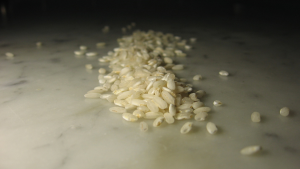
A study of the relationship between temperature and yields of various rice varieties conducted by a professor and extension specialist at North Carolina State University suggests that warming temperatures have negatively affected rice yields. Based on 50 years of weather and rice-yield data from farms in the Philippines, the study led by Dr. Roderick Rejesus examined rice yields and atmospheric conditions from 1966 to 2016 in Central Luzon, the country's major rice-growing region
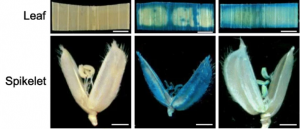
Methyl-CpG-binding domain (MBD) proteins play important roles in epigenetic gene regulation, and have diverse molecular, cellular, and biological functions in plants. MBD proteins have been functionally characterized in various plant species, including Arabidopsis, wheat, maize, and tomato. In rice, 17 sequences were bioinformatically predicted as putative MBD proteins. However, very little is known regarding the function of MBD proteins in rice.
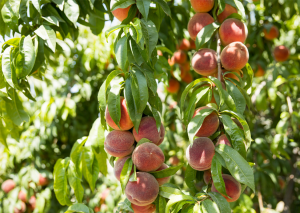
A research team led by the Boyce Thompson Institute (BTI) has identified genes that could enable peaches and their wild relatives to tolerate stressful conditions and adapt to climate change. The research team examined the genomes of 263 wild relatives and landraces of peach from seven regions in China. Of these, 218 came from the National Peach Germplasm Repository of China and 45 from the Tibetan Plateau.
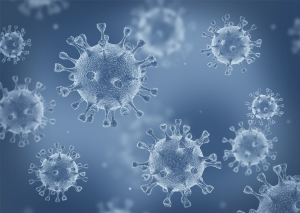
A study conducted by a collaboration between researchers in the UK, US, and Belgium shows that since December 2019 and for the first 11 months of the SARS-CoV-2 pandemic, there has been very little 'important' genetic change observed in the hundreds of thousands of sequenced virus genomes. Using HyPhy, a state-of-the-art analytical framework at Temple University, Philadelphia, the research team was able to tease out the signatures of evolution embedded in the virus genomes.
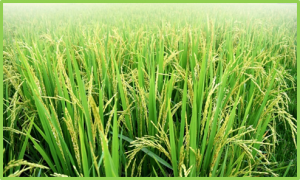
The safety of transgenic Bt rice containing bacteria-derived mCry1Ac gene from Bacillus thuringiensis (Bt) was assessed by conducting field trials at two locations for two consecutive years in South Korea, using the near-isogenic line comparator rice cultivar (‘Ilmi’, non-Bt rice) and four commercial cultivars as references. Compositional analyses included measurement of proximates, minerals, amino acids, fatty acids, vitamins, and antinutrients
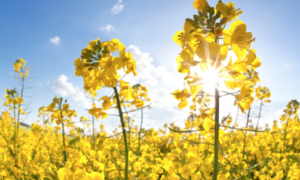
The Government of New South Wales, Australia announced that the ban on the use of genetically modified (GM) crops will be lifted on July 1, 2021, by allowing an 18-year moratorium to lapse. This action aims to increase NSW's agricultural competitiveness and productivity. Minister of Agriculture Adam Marshall announced this decision as the government opens the door for the State's primary industries sector to embrace new GM technologies in the field, which can potentially bring economic benefits across NSW.
ISAAA SEAsiaCenter will hold a public webinar on Innovative Tools in Crop Breeding on March 25, 2021, at 7 PM GMT+8 via Zoom. The webinar will highlight the most used technologies in genome editing: transcription activator-like effector nucleases (TALENs) and clustered regularly interspaced short palindromic repeats (CRISPR).
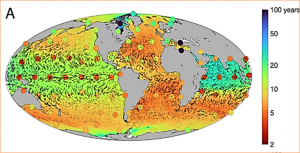
Marine microbial communities are highly interconnected assemblages of organisms shaped by ecological drift, natural selection, and dispersal. The relative strength of these forces determines how ecosystems respond to environmental gradients, how much diversity is resident in a community or population at any given time, and how populations reorganize and evolve in response to environmental perturbations. In this study, we introduce a globally resolved population–genetic ocean model in order to examine the interplay of dispersal, selection, and adaptive evolution and their effects on community assembly and global biogeography.

One of the most inspirational scientists we have ever known found her own inspiration in the pages of Life magazine. In a 2016 interview with one of us, Kathryn Anderson (1952–2020) mentioned that “in eighth grade, an article caught my eye about human development with a really beautiful picture of a human fetus. That really captured my imagination” (1). Her imaginative mind was thenceforth hooked, and the body of work on embryonic development and patterning that resulted over the next five decades was simply outstanding and represents contemporary biology at its finest.
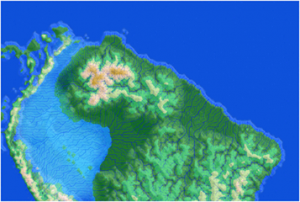
A tropical shrub called Chrysobalanus icaco pushes up through Brazil’s white sandy beaches. The plant’s leathery oval leaves and tough silver bark give it the distinct appearance of a mangrove species, adapted to a life buffeted by saltwater. Strangely, though, C. icaco also turns up more than a thousand miles inland, in the forests of the western Amazon. “We find fossil mangroves and associated coastal plants in the middle of the Amazon,” says paleoecologist Carina Hoorn, at the University of Amsterdam in The Netherlands.
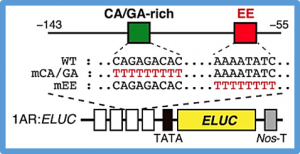
Cold stress is an adverse environmental condition that affects plant growth, development, and crop productivity. Under cold stress conditions, the expression of numerous genes that function in the stress response and tolerance is induced in various plant species, and the dehydration-responsive element (DRE) binding protein 1/C-repeat binding factor (DREB1/CBF) transcription factors function as master switches for cold-inducible gene expression. Cold stress strongly induces these DREB1 genes.