


News & Events
News & Events
ICRISAT Strengthens Global Capacity on Digital Sequence Information to Support Future-Ready Genebanks
Friday, 16/01/2026 | 11:17:34
As genomics increasingly shapes modern agriculture, Digital Sequence Information (DSI), the digital data derived from a plant’s DNA, has become a powerful tool for improving how crop genetic resources are accessed and used, particularly in plant breeding programs for developing better crop varieties.
Pathogen-inspired engineering of plant protease enhances late blight resistance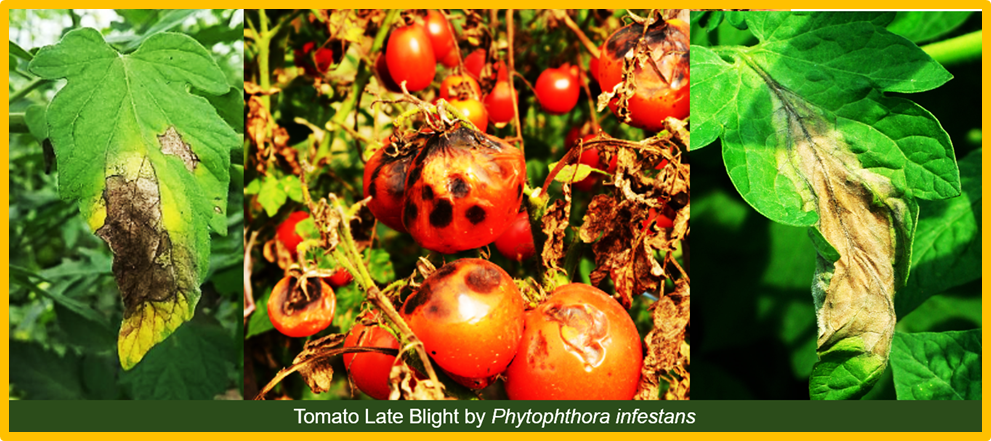
Friday, 16/01/2026 | 11:16:24
The apoplast is an important battlefield in plant–pathogen interactions. The late blight oomycete pathogen Phytophthora infestans, for instance, secretes cystatin-like protease inhibitors EpiC1 and EpiC2B to suppress C14, a papain-like immune protease secreted by tomato. Here, we found that P. infestans also secretes two distinct papain-like proteases termed Pain1 and Pain2, which are transcriptionally induced during infection. Both Pains promote P. infestans infection, but not when their catalytic residues are mutated
Nigerian Daily Newspapers Shape Discussions on GM Maize
Friday, 16/01/2026 | 11:14:48
A new study analyzed the content of 111 Nigerian daily newspaper articles published from January to September 2024 in three widely read Nigerian dailies. The researchers assessed the issues covered, how stories were framed, the sources cited, and where articles were placed in the newspapers amid the public discussion about the possible adoption of genetically modified (GM) maize in the country.
FAO launches International Year of the Woman Farmer 2026 to accelerate gender equality and women’s empowerment in agrifood systems
Friday, 16/01/2026 | 11:13:48
The Food and Agriculture Organization of the United Nations (FAO) yesterday launched The International Year of the Woman Farmer 2026, a global campaign aimed at recognizing women’s indispensable yet often overlooked contributions to global agrifood systems and to galvanize efforts to close persistent gender gaps.
Identification and validation of novel and stable QTL for Gibberella stalk rot resistance in maize inbred KA105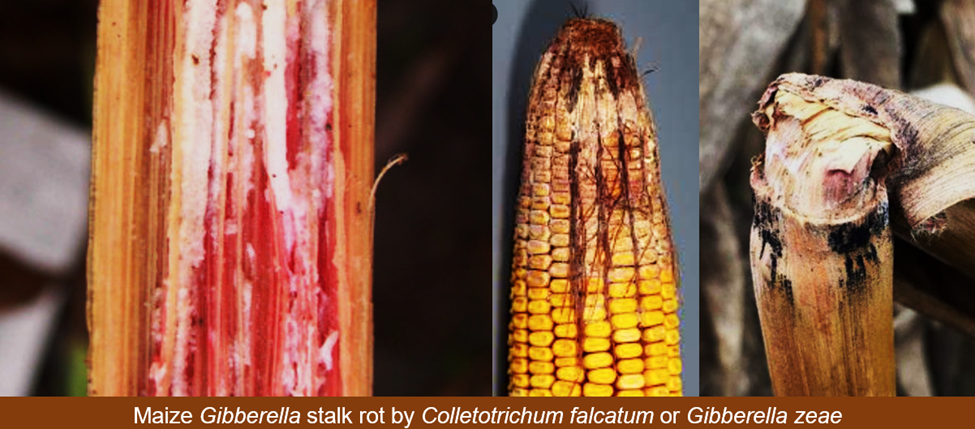
Friday, 16/01/2026 | 08:18:08
Gibberella stalk rot (GSR) is a highly destructive fungal disease that threatens global maize production significantly. Although many quantitative trait loci (QTL) associated with maize stalk rot resistance have been identified, only a few have been validated and fine-mapped. KA105 is an elite maize inbred line widely utilized in arid and semi-arid areas in China, which shows high level of resistance to multiple diseases. Here, a recombinant inbred line (RIL) population derived from a cross between KA105 and KB204 was evaluated for GSR resistance in four environments and genotyped using 61,282 single-nucleotide polymorphism (SNP) markers.
Glyphosate Use Contributes to Reduction of Global CO2 Emissions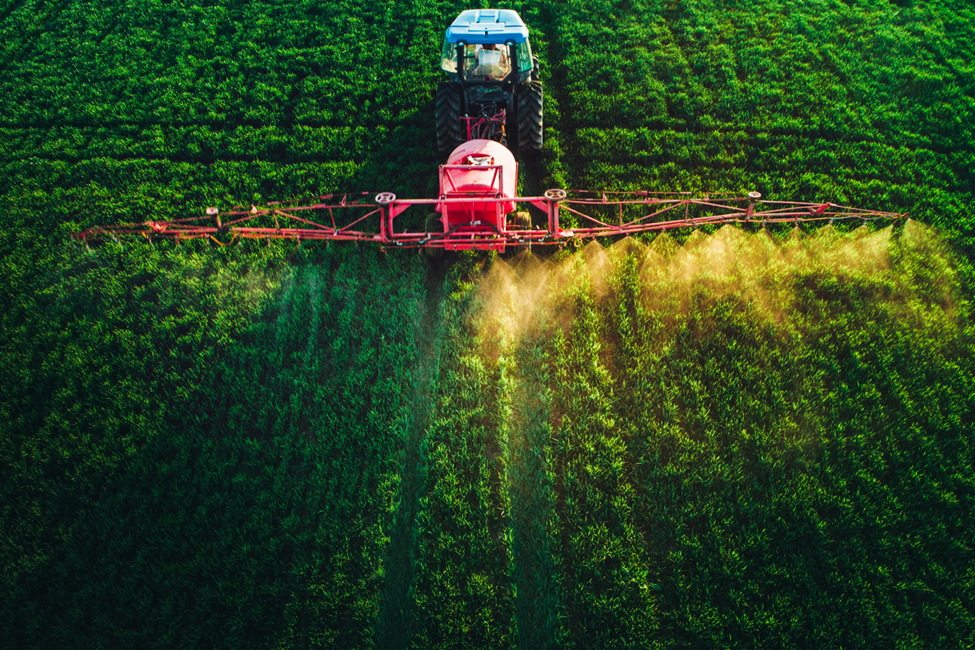
Friday, 16/01/2026 | 08:16:26
Glyphosate plays an important role in the reduction of global carbon dioxide equivalent (CO2e) emissions from activities linked with agriculture. This key finding was reported in the latest paper authored by Graham Brookes from PG Economics. The full paper is published in the journal GM Crops & Food.
Glyphosate is the most popular herbicide among farmers globally. Its contribution to significant emission savings is associated with the adoption of conservation tillage practices.
ISAAA Offers Enhanced Subscription Plans for Biotech Updates
Friday, 16/01/2026 | 08:15:31
ISAAA is regarded as the top authoritative source of information about biotech crop adoption globally through the Global Status of Commercialized GM/Biotech Crops released from 1996 to 2020, authored by ISAAA Founder and Chair Emeritus Dr. Clive James and ISAAA Inc. Executive Director Dr. Rhodora Romero-Aldemita. ISAAA will release the next report with 2024 adoption data and analysis in February 2026.
Integrated omics and functional validation identify StGDPD1 as a central regulator of salt stress tolerance in potato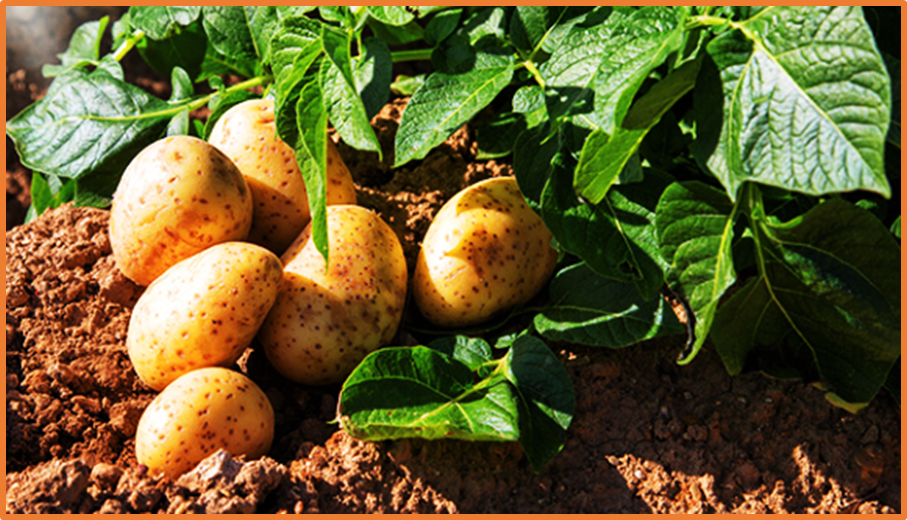
Thursday, 15/01/2026 | 08:13:38
Soil salinization poses a major threat to global agricultural productivity, particularly for salt-sensitive crops such as potato (Solanum tuberosum L.). However, the genetic and metabolic mechanisms underlying salt tolerance in potato remain poorly understood. Here, we conducted hydroponic screening of ten potato varieties under NaCl stress and identified Dongnong 303 (DN303) as a highly salt-tolerant genotype. Physiological analyses revealed that DN303 maintained root growth and exhibited enhanced antioxidant activity and osmoprotectant accumulation under salt stress.
Edited potato variety in 2026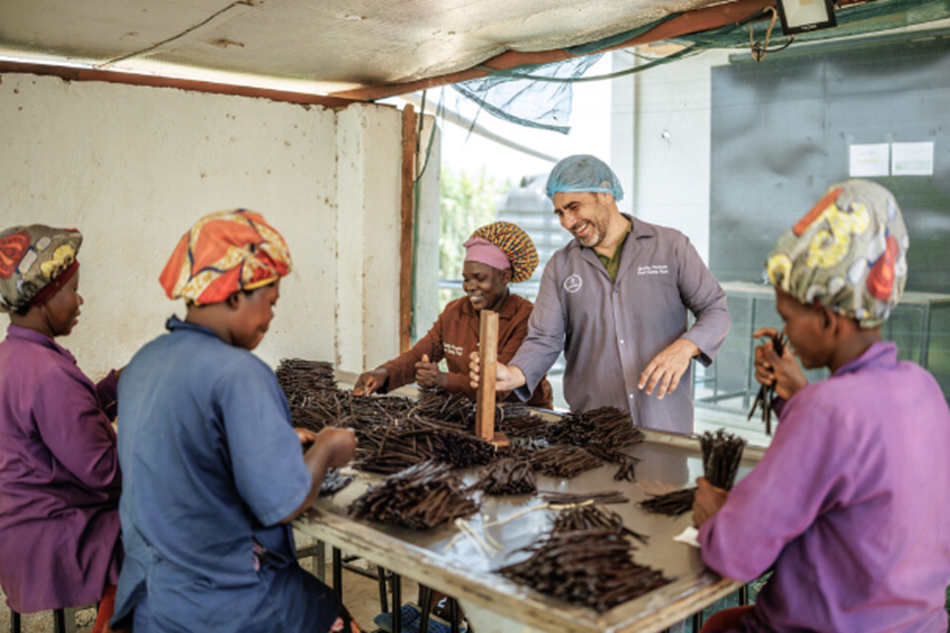
Thursday, 15/01/2026 | 08:12:35
In 2026, the potato world is seeing "edited" varieties emerge, primarily using CRISPR for enhanced disease resistance (like late blight in European starch potatoes) and improved quality (better frying, lower acrylamide, better storage) through precision breeding, moving beyond traditional breeding for faster development of climate-resilient, high-yield potatoes like Brazil's BRS F21 and India's Kufri varieties, marking a significant shift towards technologically-advanced, sustainable cultivation.
Filling the funding gap to boost small rural businesses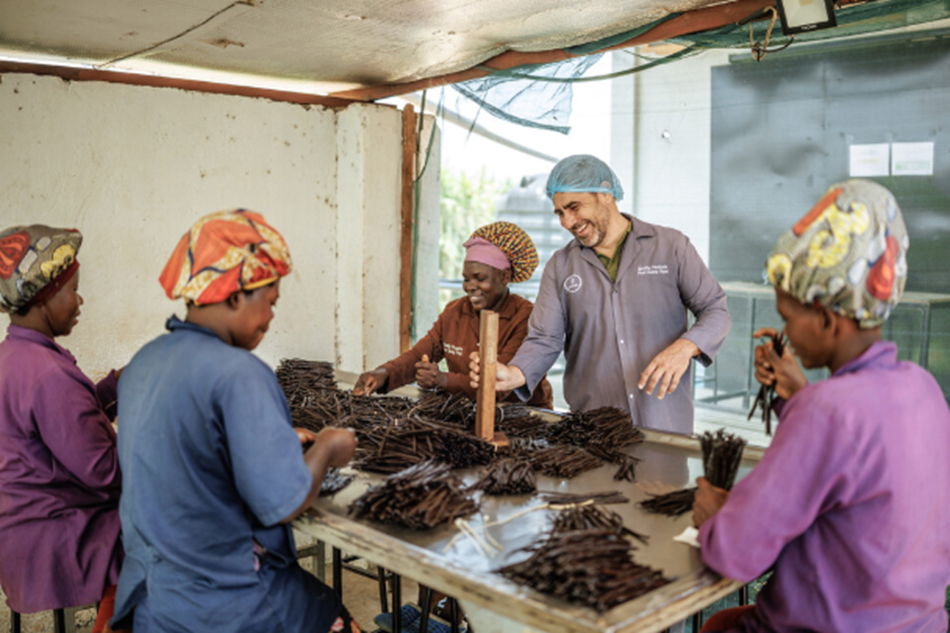
Thursday, 15/01/2026 | 08:11:24
Rural micro, small and mid-size enterprises (MSMEs) are the backbone of agriculture and food systems. But too often, they are constrained by a lack of investment and adequate capital.Many investors simply lack the knowledge and capacity to reach small-scale farmers and rural MSMEs. That’s why bridging the funding gap requires an investor with a deep understanding of the agriculture sector and rural communities.From India to Uganda and beyond, IFAD is stepping in to empower rural entrepreneurs to grow their businesses at every stage of their journey.
A MAPK cascade regulates nuclear migration during female gametogenesis to establish specific cell identity and rice female fertility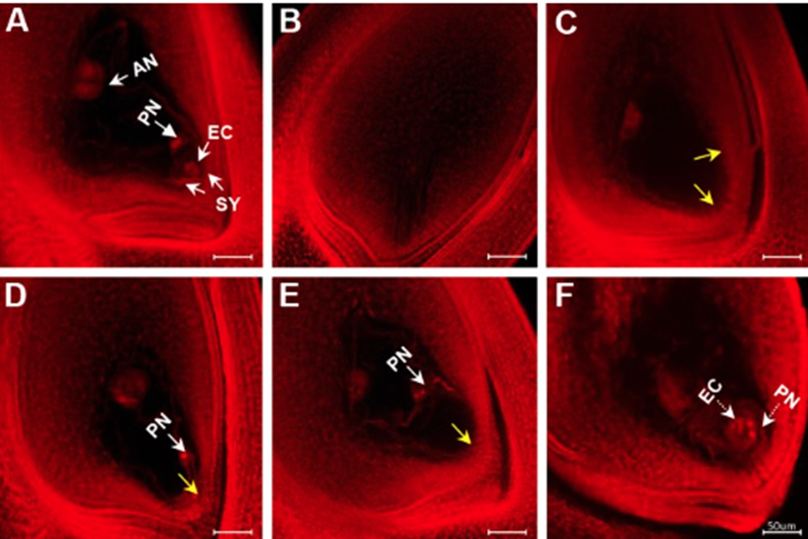
Wednesday, 14/01/2026 | 08:15:39
During the development of the rice female gametophyte (FG, embryo sac), there exists a free-nuclear stage wherein eight nuclei, originating from the same mother cell nucleus, respectively migrate to specific positions to acquire distinct cell identities after cellularization and develop into the egg cell, central cell, or accessory cells. Therefore, this nuclear migration stage is essential for fertilization and rice fertility. How these nuclei can find their own way to exactly move to different predetermined positions and how the two polar nuclei are selected have been intriguing questions for decades.
Machine learning reveals hidden dimensions of functional similarity in proteins
Wednesday, 14/01/2026 | 08:14:02
Large language models trained on biological sequences, rather than natural language, are transforming biology, from predicting human genetic disease (1, 2) to the design of new-to-nature proteins (3–5). In this issue of PNAS, Cao et al. (6) extend these applications to detect the molecular underpinnings of phenotypic convergence by decoding patterns invisible to traditional sequence analysis approaches