


News & Events
News & Events
Targeted knockout of a host peroxisomal peptidase confers field resistance to maize lethal necrosis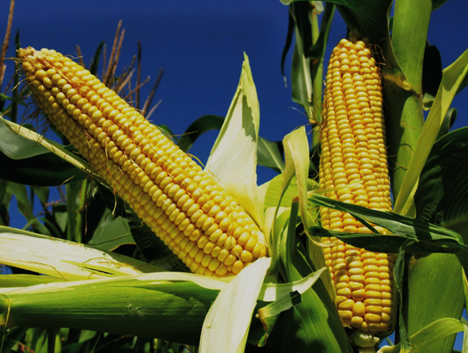
Wednesday, 13/05/2026 | 08:39:10
Maize lethal necrosis (MLN) is a severe disease caused by the combined infection of maize chlorotic mottle virus (MCMV) and a potyvirus, most often sugarcane mosaic virus (SCMV). This disease seriously threatens food security across sub-Saharan Africa (SSA). We investigated a major-effect quantitative trait locus for resistance on chromosome 6, named the maize lethal necrosis susceptibility locus 1 (qMLNS1), derived from the Thai line KS23-6. Fine mapping and CRISPR-Cas9 editing of the candidate genes within the narrowed 105 kb interval revealed a peroxisomal peptidase as the underlying cause of susceptibility
CSIRO Adopts Pairwise’s CRISPR Platform to Boost Agricultural Innovation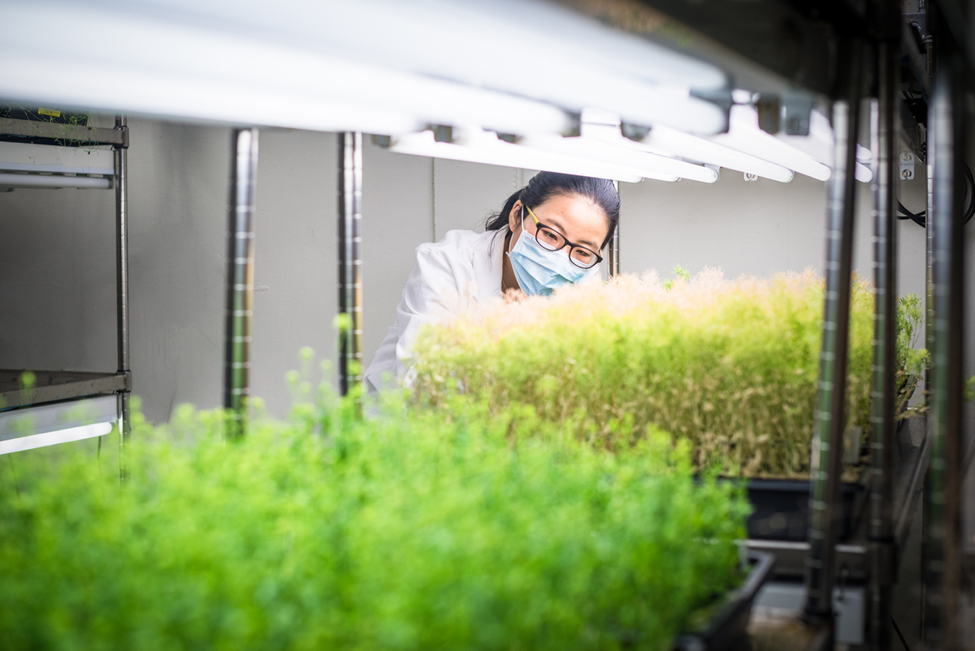
Wednesday, 13/05/2026 | 08:37:39
Pairwise, a global leader in precision breeding, has announced a major commercial licensing agreement with CSIRO, Australia's national science agency. This partnership grants CSIRO access to the Fulcrum® platform, a sophisticated suite of CRISPR-based gene editing tools, including the proprietary SHARC™ enzyme. The agreement marks one of the most comprehensive licenses issued by Pairwise to date, spanning applications across plants, livestock, aquaculture, and microbes.
Factors influencing Newcastle disease vaccine use in village chicken flocks in rural Burkina Faso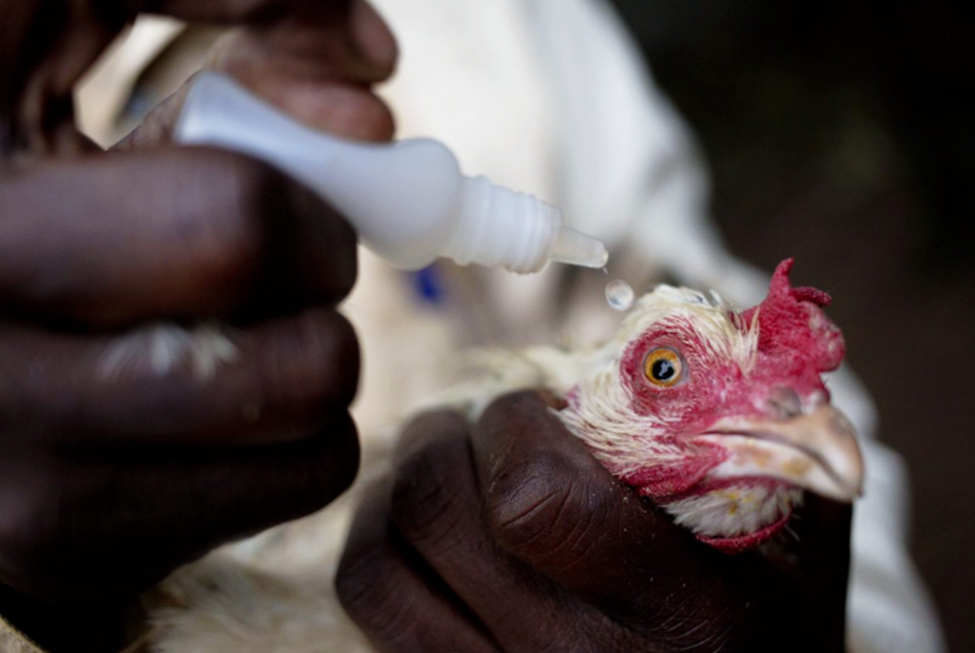
Wednesday, 13/05/2026 | 08:36:59
Newcastle disease (ND) is endemic in traditional poultry farming in Burkina Faso. Despite government's efforts, international organizations and farmer associations in supporting vaccination campaigns, the use of vaccines by farmers remains limited. A cross-sectional survey was carried out from August to September 2023 to understand the determinants of ND vaccination uptake in the commune of Boussouma (Kuilsé region of Burkina Faso). Structured interviews were conducted with 483 households keeping chickens from 23 villages. Descriptive statistics and multivariate logistic regression were carried out to identify the factors that influence the uptake of ND vaccines by farmers
First brassinosteroid-based dwarf mutant discovered and characterized in grapevine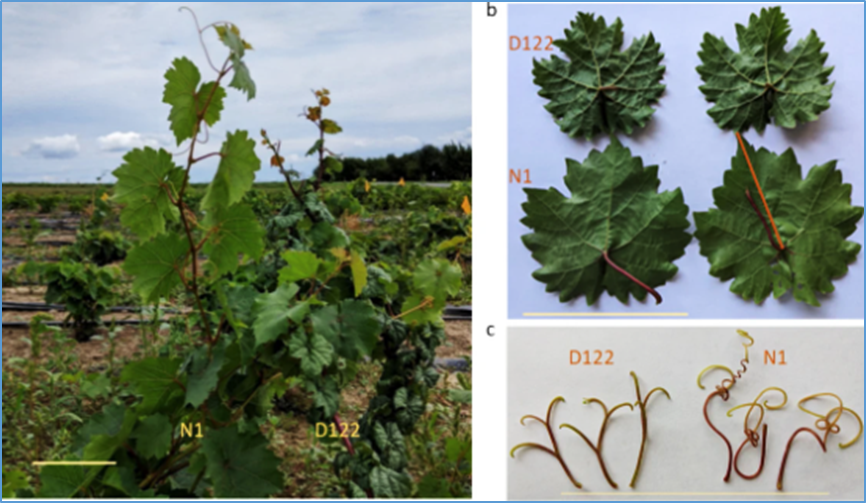
Tuesday, 12/05/2026 | 07:54:00
In this study, we investigated the genetic control of dwarfism in naturally occurring dwarf mutant lines of grapevines. Through trait–segregation and marker–trait association analyses, we identified a major locus on Chromosome 14 tightly associated with the dwarf trait. Subsequently, we conducted a bulked RNA-seq analysis, fine mapped the dwarf trait and identified VviBR6OX1, a cytochrome P450 enzyme involved in brassinosteroid synthesis, as a candidate gene for the observed dwarfism.
Gene Discovery to Help Tomato Seeds Germinate Under High-Temperature Conditions
Tuesday, 12/05/2026 | 07:52:24
Researchers at the University of Tsukuba have identified a gene, SlIAA9, that plays a critical role in allowing tomato seeds to germinate under extreme heat. While high temperatures typically trigger dormancy or cause physical abnormalities in standard tomato seedlings, plants lacking this gene showed a remarkable ability to maintain high germination rates and healthy growth.
New report urges urgent, coordinated financing to reverse rising hunger and transform agrifood systems across Africa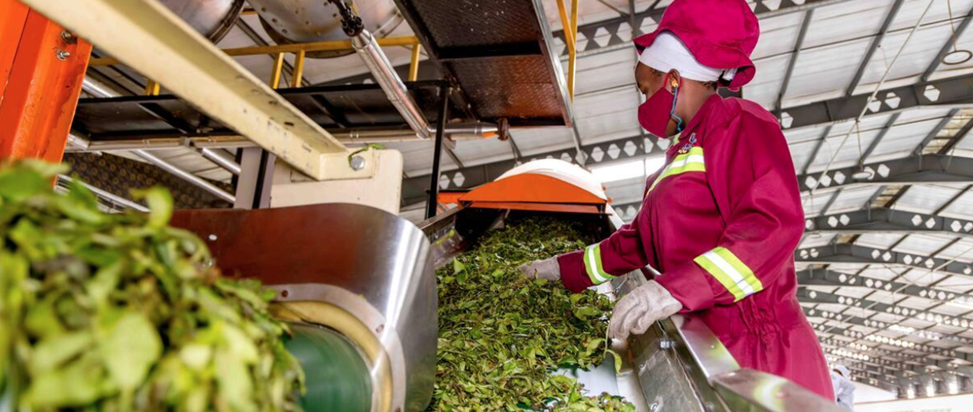
Tuesday, 12/05/2026 | 07:51:39
A new joint report by the Food and Agriculture Organization of the United Nations (FAO), the United Nations Economic Commission for Africa (ECA), the World Food Programme (WFP) and the African Union Commission (AUC) highlights the enormous gap between current public and private financing of agriculture and the level of financing needed to transform Africa’s agrifood systems. It also affirms the continuing rise in hunger and food insecurity across Africa, underscoring the urgency for substantial and sustained financing to transform agrifood systems.
ZmWAK3 overexpression enhances cold tolerance via coordinated improvement of antioxidant defense and photosynthesis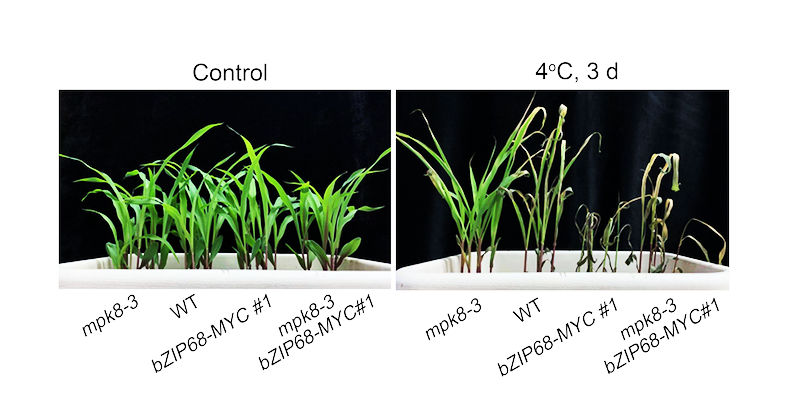
Monday, 11/05/2026 | 08:44:35
Low temperature is a major abiotic stress that constrains agricultural productivity by severely inhibiting crop growth and development, leading to substantial yield losses. As a chilling-sensitive crop, maize is particularly vulnerable to cold stress. Cold conditions induce excessive accumulation of reactive oxygen species in plants, disrupting photosynthetic performance, compromising antioxidant defense systems, and disturbing cellular ion homeostasis.
Study Shows Gene Arrangement Controls DNA Folding and Expression
Monday, 11/05/2026 | 08:43:19
Researchers at the Massachusetts Institute of Technology (MIT) have discovered that altering the arrangement of genes, or “gene syntax,” could create circuits that synergize to maximize output. The study found that when a gene is activated, it changes the physical structure of nearby DNA, creating ripple effects that can either boost or suppress neighboring genes. The team found that DNA becomes looser upstream of an active gene and more tightly wound downstream, affecting how easily other genes can be accessed.
Strait of Hormuz crisis: Fertilizer scarcity will affect next harvests and food supplies, FAO warns
Monday, 11/05/2026 | 08:41:57
The Director-General of the Food and Agriculture Organization of the United Nations (FAO), QU Dongyu, emphasized today that the global fertilizer scarcity caused by disruptions in the Strait of Hormuz will lead to lower yields and tightening food supplies in the latter half of 2026 and into 2027. He spoke at the Ministerial Meeting of the MED9++ Countries on “Supporting Food Security and Access to Fertilizers” co-chaired by FAO, Italy and Croatia. Addressing ministers and senior representatives gathered in Rome, the Director-General stressed that the current crisis extends far beyond geopolitics, increasingly affecting food production, trade, agricultural inputs and access to food worldwide.
Resistance gene against Xanthomonas oryzae pv. oryzae (Xoo) in rice: molecular mechanisms and breeding strategies for bacterial leaf blight 
Sunday, 10/05/2026 | 05:34:19
Bacterial leaf blight (BLB), caused by Xanthomonas oryzae pv. oryzae (Xoo), is one of the most devastating diseases threatening global rice production. In recent decades, a range of disease resistance genes have been identified in rice. These genes are involved in complex molecular mechanisms, such as the activation of immune receptors and defense signaling pathways, which trigger the plant's immune response to combat pathogen invasion. Some of these genes have been successfully applied in molecular breeding to develop new disease-resistant varieties.
New CRISPR Tool Identifies Multiple Viruses in a Single Test
Sunday, 10/05/2026 | 05:35:01
A research team led by Professor Sung-min Son of Korea Advanced Institute of Science & Technology (KAIST), in collaboration with the University of California, Berkeley (UC Berkeley) and the Gladstone Institutes, has developed a new CRISPR-based diagnostic tool that can detect and distinguish multiple viruses in a single test by analyzing how quickly gene editing proteins react. The study introduces a method that uses reaction speed as a unique signal to identify different viruses, including COVID-19 and influenza.
Biotech Updates Now Available in Korean Language
Sunday, 10/05/2026 | 05:35:25
The ISAAA e-newsletter, Biotech Updates, is officially expanding its accessibility within Asia. The latest news and research highlights on agricultural biotechnology are now available in Korean, marking a significant step in its regional growth.To better serve a diverse audience and reach more readers in the region, Biotech Updates provides translations in several key languages: