


News & Events
News & Events
Emergence of Bacterial Leaf Blight of Rice in Madagascar: A Recent Introduction from Asia 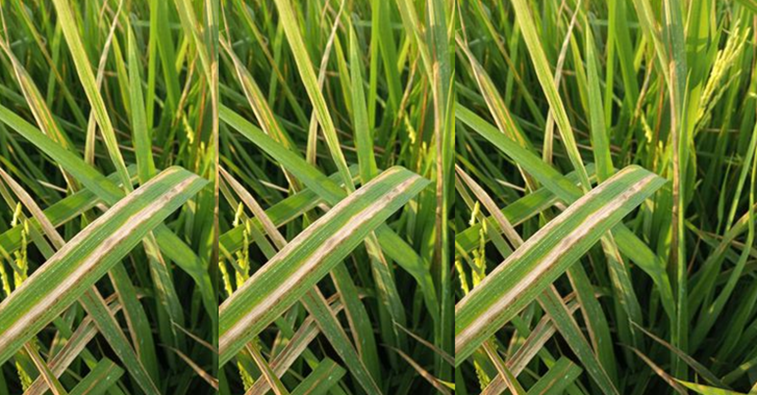
Friday, 08/05/2026 | 09:42:51
Xanthomonas oryzae pv. oryzae (Xoo) causes bacterial leaf blight (BLB), a major rice disease causing up to 70% yield loss in Asia and West Africa. First described in Japan in 1884 and later reported in West Africa in the 1970s, BLB recently emerged in East Africa, with an epidemic reported in Tanzania in 2019. Remarkably, the disease was detected for the first time in Madagascar the same year, representing a serious threat to food security. To investigate the origin of BLB in Madagascar, we isolated 73 Xoo strains from symptomatic rice leaves collected between 2019 and 2023
Agri-Food Coalition Urges Swift EU Adoption of New Genomic Technique Regulations
Friday, 08/05/2026 | 09:41:48
A coalition of 31 European agri-food value chain organizations has issued a joint statement calling for the swift adoption of the New Genomic Techniques (NGT) regulation without further amendments. The group, representing plant breeders, farmers, food processors, and traders, emphasizes that a science-based and predictable regulatory framework is critical for the future of the European agri-food sector. They argue that NGTs are essential tools for developing crops that are more resilient to climate change, pests, and diseases, thereby ensuring long-term food security and sustainability across the continent.
2024 Biotech Facts and Trends: Asia & Oceania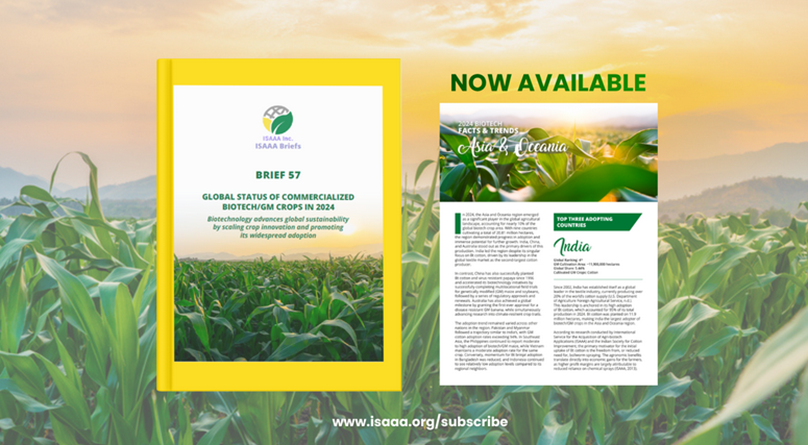
Friday, 08/05/2026 | 09:40:44
Asia and Oceania continue to emerge as pivotal drivers in the global agricultural biotechnology sector, reaching a significant milestone of 20.81 million hectares of biotech crop area in 2024. These findings are detailed in the 2024 Biotech Facts and Trends: Asia & Oceania, a regional summary and analysis of biotech adoption, and supplementary to Brief 57: Global Status of Commercialized Biotech/GM Crops in 2024.
A Non-Host Pathogen Elicitor Induces Blast Resistance Mediated by OsNAC78-Pir7b Module in Rice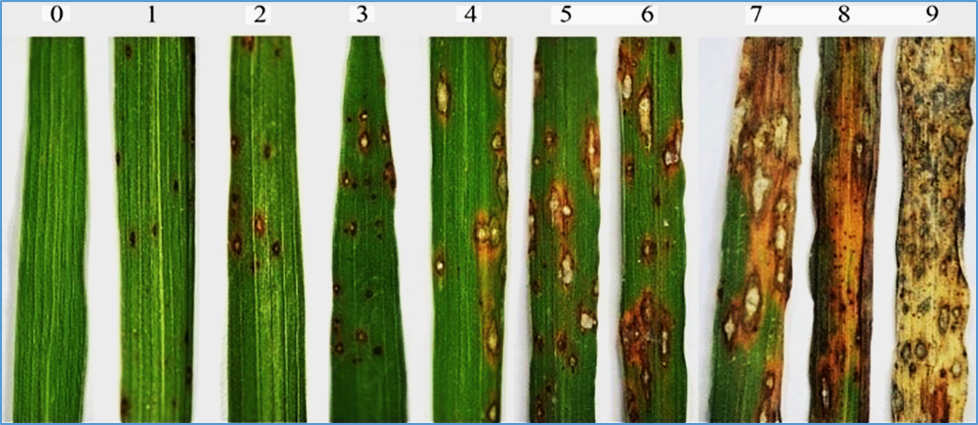
Friday, 08/05/2026 | 07:57:26
Plants exhibit broad-spectrum and persistent resistance induced by non-host pathogens. Previous studies have found that syringolin A secreted by Pseudomonas syringae pv. syringae can activate the expression of defense-related gene Pir7b in non-host rice, but the underlying mechanism remains ambiguous. In this study, we found that OsNAC78, a transcription factor upstream of Pir7b, is possible to participate in the immune pathway.
Researchers Develop Single-Dose Vaccine Against Newcastle Disease and H9N2 Avian Influenza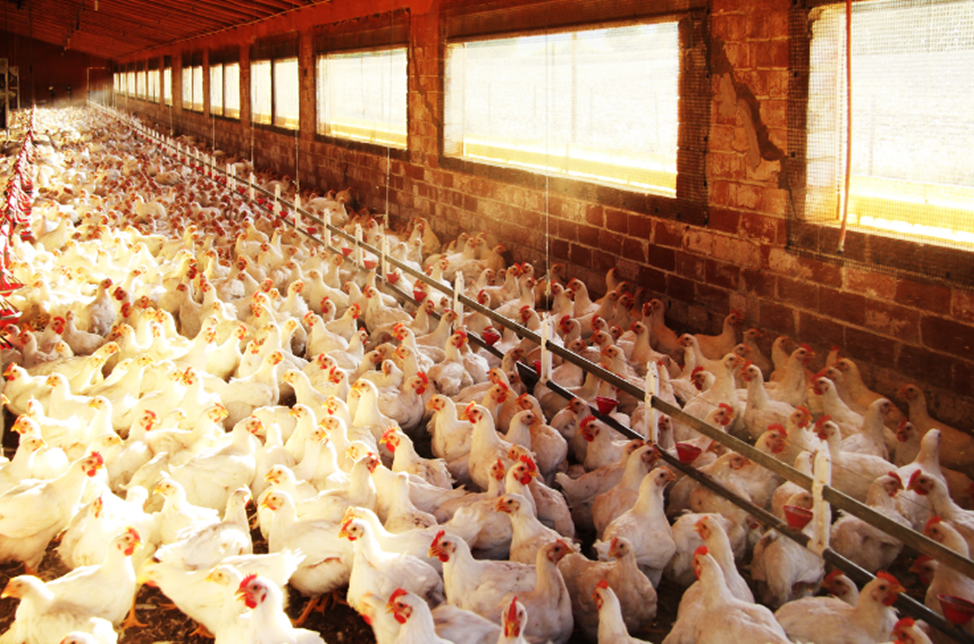
Friday, 08/05/2026 | 07:56:02
Researchers from China Agricultural University and the Agricultural College of Yanbian University have developed and examined two recombinant turkey herpesvirus (rHVT) vaccine candidates designed to protect poultry against Newcastle disease virus (NDV) and H9N2 avian influenza. The study explores a potential single-dose vaccine strategy that could simplify current poultry vaccination programs.
Study Shows Mitochondria Can Make New Organelles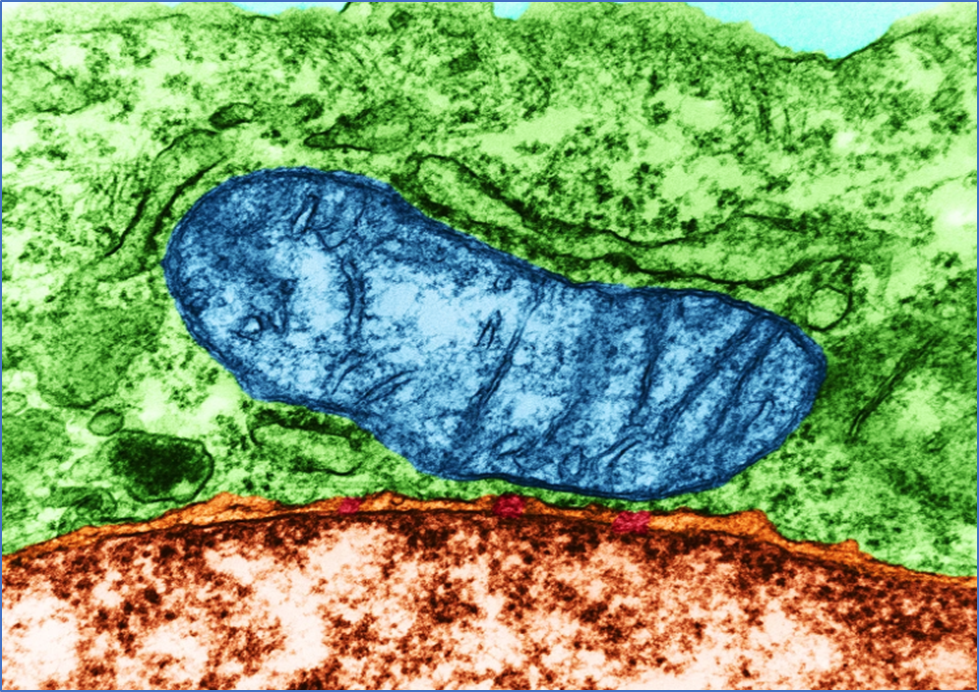
Friday, 08/05/2026 | 07:55:09
Scientists from the University of California, Los Angeles, have discovered that when a certain parasite, Toxoplasma gondii, infects a human cell, it hijacks the cell's mitochondria, the structures usually known as the cell's powerhouses. Instead of just producing energy, these mitochondria react by shedding their outer layers to create entirely new compartments called structures positive for outer mitochondrial membrane (SPOTs). These new structures actually help the parasite grow. While it is not yet fully understood how, researchers believe the parasite might be "feeding" off the waste material that these new compartments digest, effectively turning the cell's own machinery against itself to fuel the infection.
Calcium signaling in crops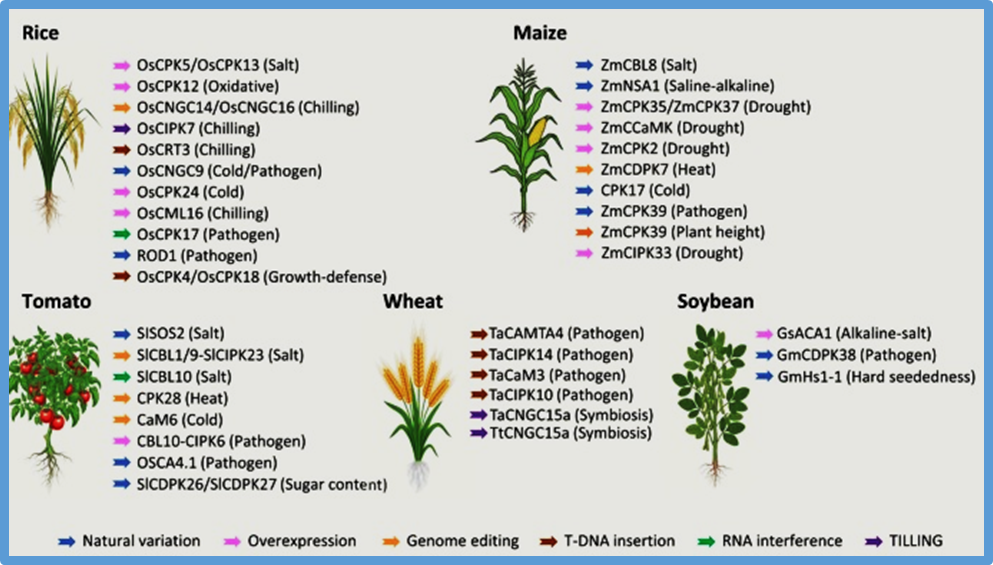
Thursday, 07/05/2026 | 08:33:49
Calcium (Ca2+) signaling is integral to nearly all aspects of plant biology, including development and responses to biotic and abiotic stresses. It operates through two main layers: the generation of Ca2+ signals and their decoding by Ca2+-binding proteins, which act early in diverse signaling pathways. The system exhibits remarkable robustness and versatility, largely due to its network-like organization. While fundamental principles of Ca2+ signaling were initially established in noncrop model organisms
First Gap-Free Peanut Genomes Reveal Genes for Bigger Seeds and Better Oils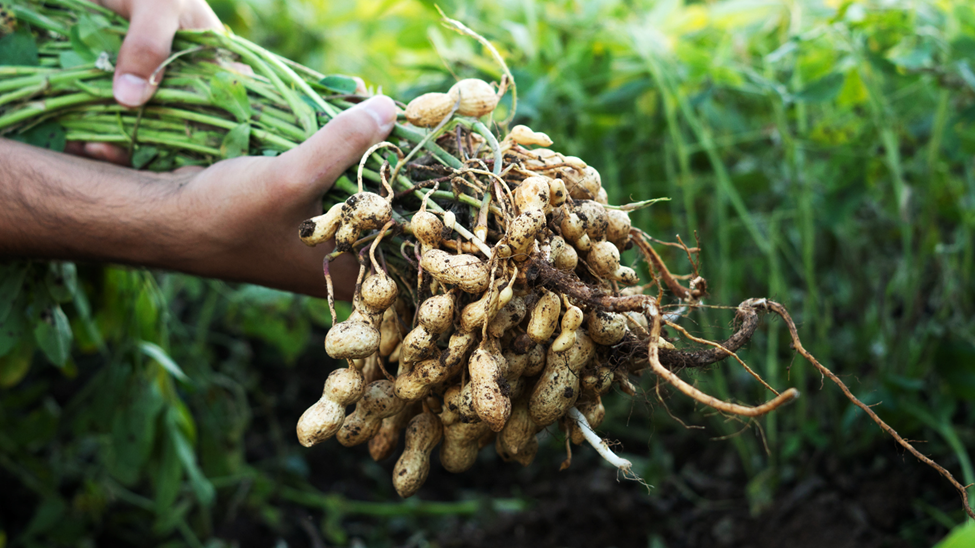
Thursday, 07/05/2026 | 08:28:49
An international team of researchers, led by Murdoch University, has successfully sequenced the first complete, gap-free genomes of six peanut varieties, providing a definitive blueprint for agricultural improvement. Published in Nature Genetics, this telomere-to-telomere (T2T) assembly identifies two critical genes, AhWRI1, which can increase seed oil content from 48% to 54%, and AhGSA1, which is linked to a 70% increase in seed weight.
Researchers Reveal How Plants Hit the Reset Button After Stress
Thursday, 07/05/2026 | 08:27:46
When plants face harsh conditions, such as extreme cold or high salt levels, they do not just stop growing by accident; their bodies actively manage the crisis at the microscopic level. Once the "stress" ends, plants try to bounce back and return to normal growth, but the specific biological switches that manage this recovery process have long been a mystery to scientists.
A combination of QTL mapping and genome wide association study revealed key genes for heat tolerance in maize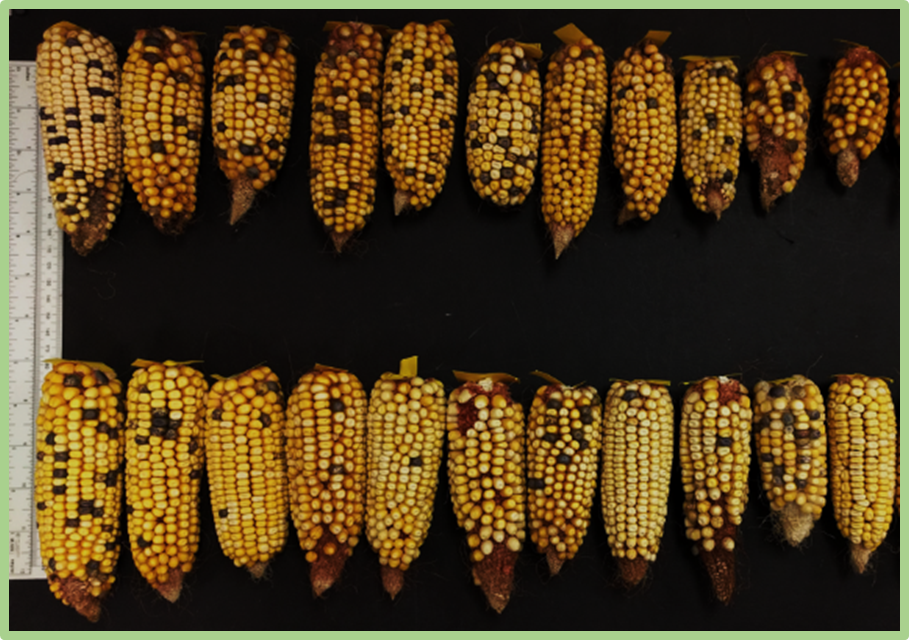
Wednesday, 06/05/2026 | 08:38:12
Heat stress during germination critically impairs maize seedling establishment and yield stability, yet its genetic basis remains poorly understood. Here, 21 quantitative trait loci (QTLs) for heat tolerance were identified in a recombinant inbred line (RIL) population under heat stress (39 °C vs. 28 °C), including a major hypocotyl diameter QTL (qHDT2-1, LOD = 23.68). Concurrently, genome-wide association study (GWAS) in an association panel detected 213 significant SNPs associated with heat tolerance. Population-stable SNPs, pleiotropic SNPs and high-impact QTLs were integrated to identify candidate genes.
Vietnam updates regulatory framework for agricultural biotechnology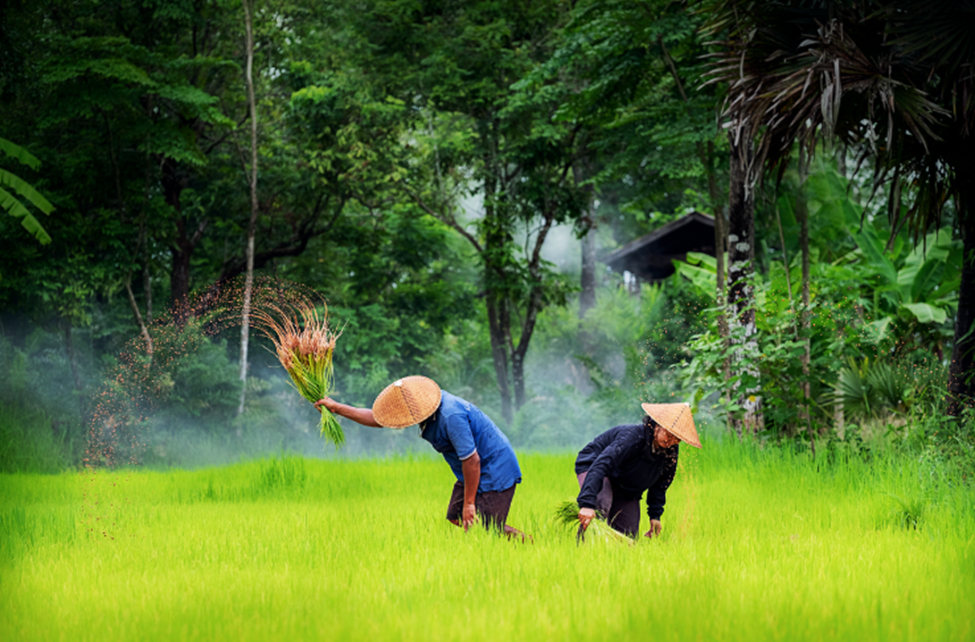
Wednesday, 06/05/2026 | 08:37:10
The Government of Vietnam has amended its agricultural biotechnology regulations with the issuance of Decree 43/2026/ND-CP, a move aimed at modernizing the country's food and feed sectors. Effective in early 2026, the new framework significantly accelerates market access for genetically engineered (GE) products by slashing standard approval timelines for food and feed from 90 working days down to 45 for products already cleared in at least five OECD or G20 nations. This reform aligns with Vietnam's 2025 designation of biotechnology as a strategic pillar for agricultural growth and is expected to facilitate more efficient trade and domestic production.
Extreme heat is pushing agrifood systems to the brink worldwide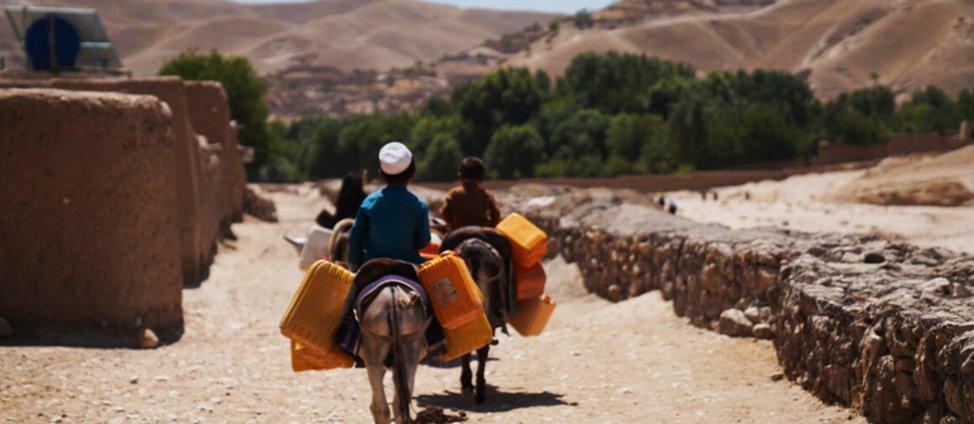
Wednesday, 06/05/2026 | 08:34:58
Extreme heat events currently threaten the livelihoods and health of over a billion people, causing half a trillion work hours to be lost annually, with the prospect for damage to livestock herds and crop yields set to soar higher in the future. Agricultural workers and agrifood systems are on the frontlines, absorbing the greatest impacts from extreme heat.The frequency, intensity and duration of extreme heat events have risen sharply over the past half century, with worrying impacts on agrifood systems and landscapes, according to “Extreme heat and agriculture,” a new report from the Food and Agriculture Organization of the United Nations (FAO) and the World Meteorological Organization (WMO).