


News & Events
News & Events
Integrated physiological, biochemical and hormonal traits determine drought tolerance and yield stability in cashew (Anacardium occidentale L.)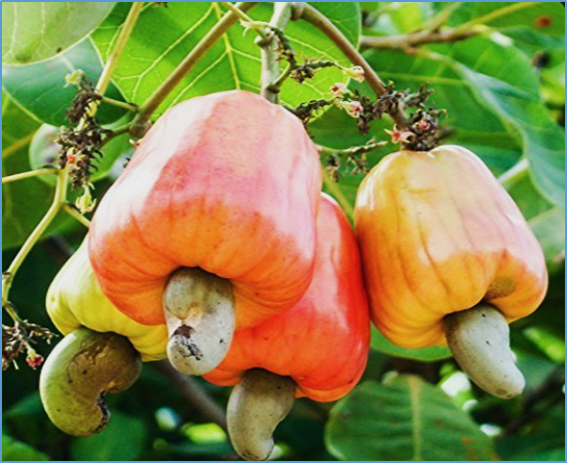
Friday, 15/05/2026 | 13:41:40
Drought stress, intensified by climate change, represents a major limiting factor to growth, reproductive development, and nut productivity of cashew (Anacardium occidentale L.), especially in rainfed and marginal production systems. Identifying drought-tolerant cultivars and understanding their adaptive mechanisms are therefore critical for sustaining cashew productivity in water-limited environments.
Gene Combinations Provide Durable Resistance to Begomoviruses in Tomato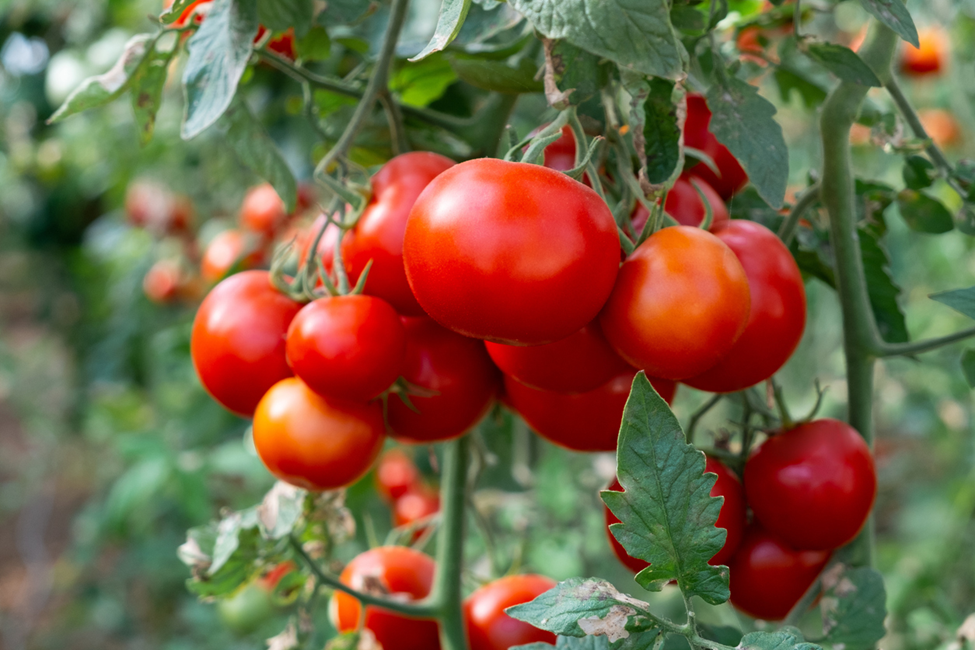
Friday, 15/05/2026 | 13:40:28
Begomoviruses are some of the most damaging threats to tomato crops globally. To fight these viruses, scientists breed specific protective genes, known as Ty-genes, into tomato plants. However, relying on just one of these genes often is not enough to stop the most aggressive virus strains. This led Kindai University researchers to test several commercial tomatoes and special breeding lines from the World Vegetable Center against three different viruses of varying strengths to see which genetic combinations worked best.
IFAD, Viet Nam and the GCF launch US$102 million climate investment to protect forests and boost rural incomes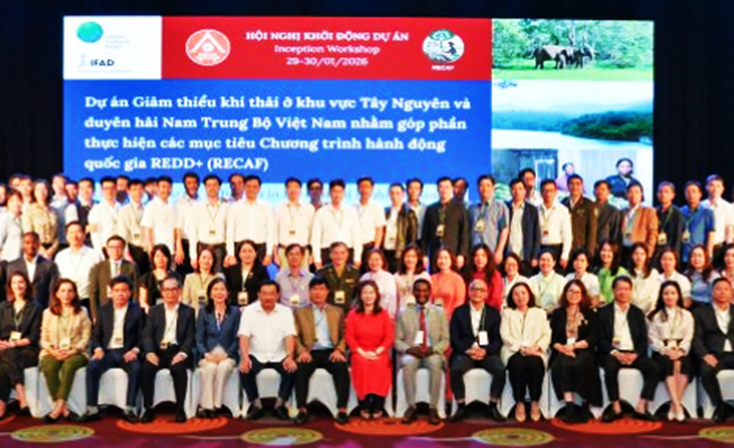
Friday, 15/05/2026 | 13:39:39
The Socialist Republic of Viet Nam, the International Fund for Agricultural Development (IFAD), and the Green Climate Fund (GCF) today launched the US$102.50 million RECAF project to combat rising greenhouse gas emissions and protect vital forest ecosystems where rural people depend on coffee production for their livelihoods.
Advances and prospects of genomic-assisted breeding in roots, tubers, and banana crops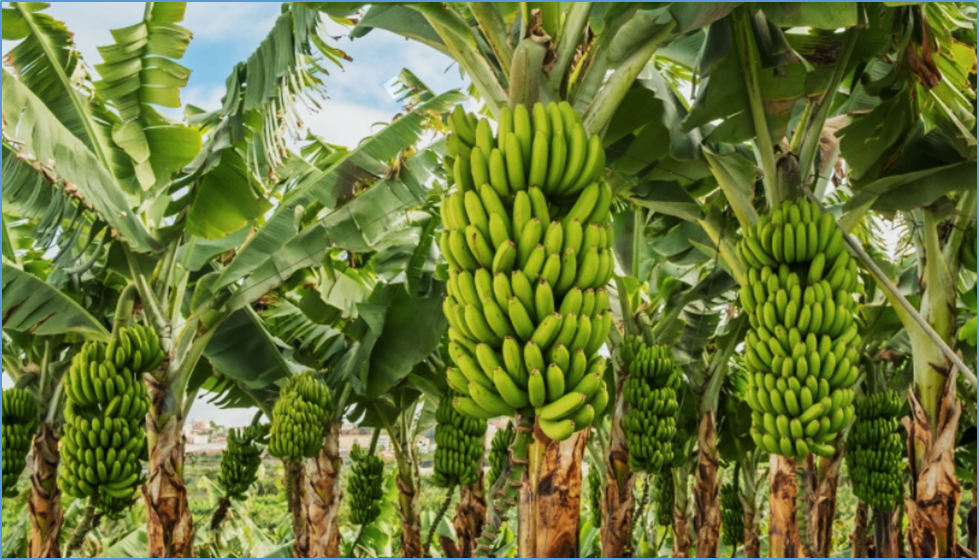
Saturday, 16/05/2026 | 09:36:23
Roots, Tubers, and Bananas (RTB), including banana and plantain, cassava, yam, sweetpotato, and potato crops, share several defining features that set them apart from cereals and legumes. They are essential for food and nutritional security for hundreds of millions of people, especially in developing countries. Despite their significance, RTB crop breeding has lagged due to the complexity of genetics and the use of vegetative propagation.
Gene Editing Boosts Fiber Quality of Cotton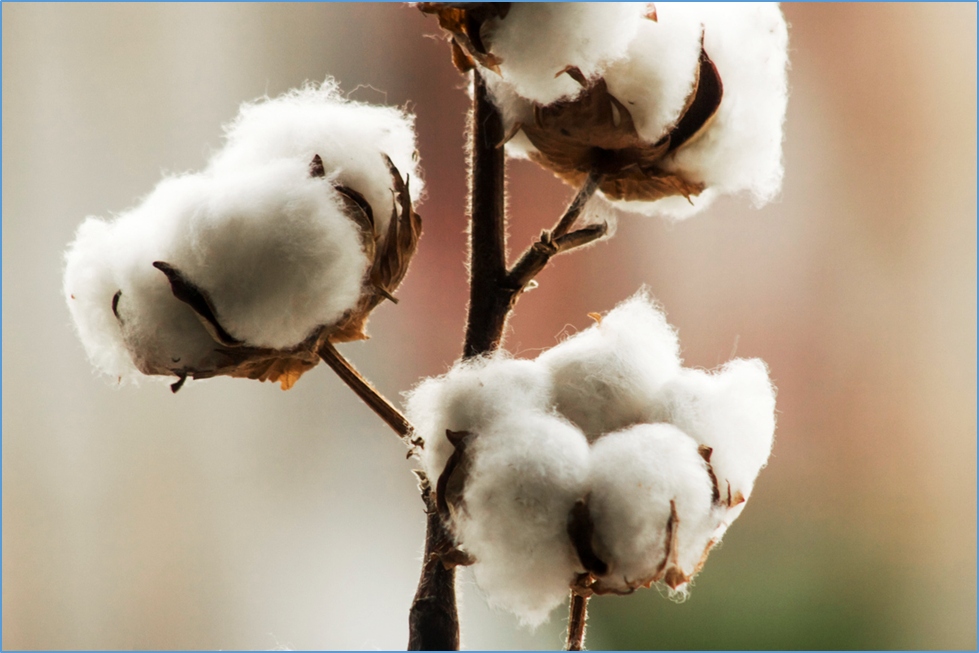
Saturday, 16/05/2026 | 09:36:30
Researchers from the University of Agriculture Faisalabad and the University of Nizwa in Pakistan used the CRISPR-Cas9 gene editing system to improve the fiber quality of cotton. The study, published in GM Crops & Food, focused on modifying the GhJAZ2 gene to enhance the fiber length and increase lint percentage to meet growing demand for high-quality cotton.
ICRISAT and Rajasthan Government Forge Strategic Alliance at GRAM 2026 Investor Meet to Transform Dryland Agriculture
Saturday, 16/05/2026 | 09:36:36
In a landmark move to bolster agricultural productivity and climate resilience in Rajasthan, the International Crops Research Institute for the Semi-Arid Tropics (ICRISAT) and the Department of Agriculture, Government of Rajasthan, formally exchanged four strategic Memorandums of Understanding today.
Unlocking genetic diversity in Colombian cassava landraces for accelerated breeding
Friday, 15/05/2026 | 08:15:27
Cassava (Manihot esculenta) is a staple crop across the global south, yet modern varieties may have limited genetic diversity due to historical bottlenecks. We investigated the genomic diversity of over 1000 cassava genotypes, incorporating 387 newly sequenced Colombian landraces originating from diverse climates. We hypothesized that landraces retain untapped variation useful for breeding and adaptation. Whole-genome sequencing was used to characterize landraces and breeding lines.
Pairwise Licenses Fulcrum® CRISPR Platform to Ball® Horticultural Company
Friday, 15/05/2026 | 08:14:37
Global agricultural innovator Pairwise has announced a landmark licensing agreement with Ball Horticultural Company to apply its Fulcrum® CRISPR genome editing platform to the ornamental plant market. This partnership marks the first time the Fulcrum® technology will be utilized outside of food and staple crops, granting Ball access to precision breeding tools for more than 40 ornamental species, including roses, petunias, and hydrangeas.
Climate-smart rice systems could help curb malaria and other vector-borne diseases
Friday, 15/05/2026 | 08:13:52
New evidence and expert discussions highlight how climate change and rice production systems are converging to influence the spread of vector-borne diseases such as malaria and schistosomiasis in sub-Saharan Africa, underscoring the need for integrated solutions across agriculture and public health sectors. Despite decades of investment, malaria remains a leading cause of death in the region, claiming an estimated 600,000 lives annually, 76% of which are children under five.
An auxin-induced transcriptional cascade CmBES1–CmSAUR66 orchestrates the ray floret development in Chrysanthemum morifolium
Thursday, 14/05/2026 | 07:57:28
Sympetaly (fused petals) is a key morphological innovation that has arisen multiple times during evolution. It occurs via one of two developmental pathways: late sympetaly (from initially separate petal primordia that later fuse) or early sympetaly (directly from a shared ring-like primordium). Nevertheless, the genetic basis of corolla tube formation in early-sympetalous lineages remains largely unknown.
Scientists Map Genetic Switches to Improve Mosquito Control Strategies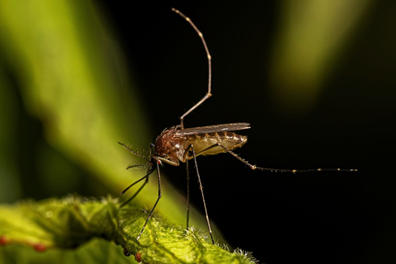
Thursday, 14/05/2026 | 07:56:21
Scientists at Keele University have developed the first detailed map of genetic “switches” that control reproduction in disease-carrying insects. The study, published in Communications Biology, provides a key resource for developing more precise and effective genetic control strategies. The researchers examined cis-regulatory elements (CREs), short DNA sequences that determine when and where genes are activated.
FAO Food Price Index up for third consecutive month largely on rising vegetable oil prices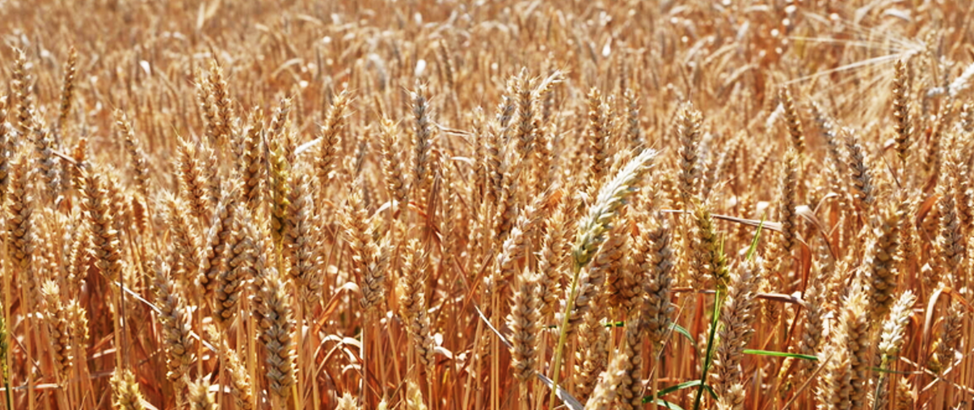
Thursday, 14/05/2026 | 07:55:18
The benchmark of world food commodity prices rose in April for a third consecutive month amid elevated energy costs and disruptions caused by the conflict in the Near East, according to the latest release by the Food and Agriculture Organization of the United Nations (FAO).The FAO Food Price Index, which tracks monthly changes in the international prices of a basket of globally traded food commodities, averaged 130.7 points in April, up 1.6 percent from its revised March level and 2.0 percent higher than a year ago.