


News & Events
The U.S. Food and Drug Administration (FDA) released a new inventory of voluntary premarket meetings held between the FDA and developers of foods from new genome-edited plant varieties. Voluntary premarket meetings are one of the processes that the FDA outlined in its guidance for industry describing how developers can voluntarily engage with the agency before marketing food from genome-edited plants depending on the food's risk-based characteristics.
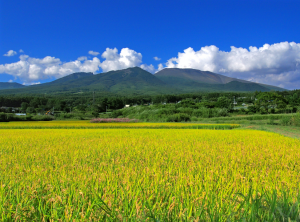
Global methane emissions are expected to increase as global warming continues and the human population grows. Rice, one of the world's key staples, is responsible for 12 percent of global methane emissions. Now, an international team of scientists has identified chemical compounds released by rice roots that determine how much methane the plants emit. In their paper published in Molecular Plant, the scientists report that this information enabled them to breed a new strain of rice that emits up to 70 percent less methane.
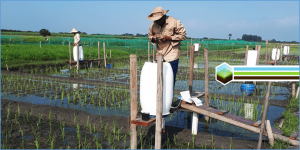
Methane in rice paddies is mainly produced by methanogenic communities feeding on carbon from root exudates and debris. However, the dominant root secretion governing methane emissions is not yet identified after decades of studies, even though secreted carbohydrates and organic acids have been shown to contribute to methane emissions.

Using fermentation, researchers from the University of Alberta produced a genetically engineered yeast with high levels of punicic acid, a healthy fatty acid commonly found in pomegranates. The study, published in the Journal of Agricultural and Food Chemistry, provides significant insights into developing a sustainable source of this valuable fatty acid along with yeast biomass.
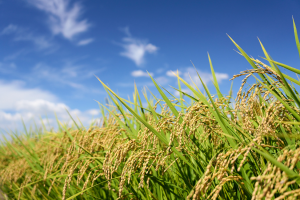
Fujian Agriculture and Forestry University researchers and partners reported a new type of TALENs for plants and exhibiting high efficiency in gene editing. Their findings are published in Plant Molecular Biology. TALEN-mediated gene editing has been known for its high specificity, independence from epigenetic modification, lack of PAM limitation, and feasibility for organelle editing without the need for RNA binding.
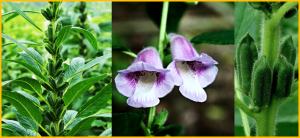
Anthocyanins not only serve as critical pigments determining floral hues but also play essential roles in attracting insects for pollination, feeding animals and mitigating abiotic stress. However, the molecular mechanisms underlying the regulation of flower color in sesame has not yet been reported. In this study, an F2 population was constructed by crossing ‘Ganzhi 9’ (purple-flowered) with ‘BS377’ (white-flowered).

A paper published in Agroecology and Sustainable Food Systems provides a comprehensive overview of agricultural practices, policies, and technologies that contribute to achieving the United Nations (UN) Sustainable Development Goal 2: Zero Hunger. The author said that addressing hunger necessitates a multi-faceted approach that requires innovative solutions, sustainable agricultural practices, and collaboration among stakeholders.

A paper published in Food and Energy Security shows the impact of transgenic technology on global crop export trade since its introduction in the production field. The paper analyzed binary marginal data of genetically modified (GM) soybean technological innovation and export in 41 countries worldwide from 2002 to 2012.
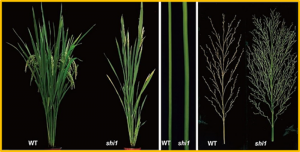
The tiller angle, one of the critical factors that determine the rice plant type, is closely related to rice yield. An appropriate rice tiller angle can improve rice photosynthetic efficiency and increase yields. In this study, we identified a transcription factor, TILLRE ANGLE CONTROL 8 (TAC8), that is highly expressed in the rice tiller base and positively regulates the tiller angle by regulating cell length and endogenous auxin content;

The U.S. Department of Agriculture's (USDA) Animal and Plant Health Inspection Service (APHIS) will begin to accept and process notifications for the introduction of certain modified plants that meet the regulatory definition of “regulated article” under 7 CFR 340 (2019) on February 7, 2025. APHIS is restarting the notification procedure following a December 2, 2024, ruling by the U.S. District Court for the Northern District of California that vacated the May 2020 final rule (7 CFR part 340) for organisms developed using genetic engineering.
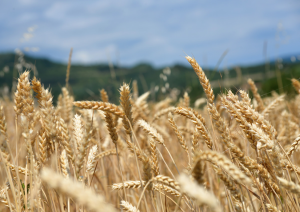
A team of researchers at Forman Christian College in Pakistan reported the successful introduction of the Agrobacterium Isopentenyl transferase (IPT) gene into wheat which led to drought tolerance. Their findings are published in Transgenic Research. Drought is one of the abiotic stresses that affect the yield and aging of leaves in cereal crops, leading to limitations in productivity. The isopentenyl transferase (IPT) gene, which is involved in the production of cytokinin, can delay drought-induced leaf aging
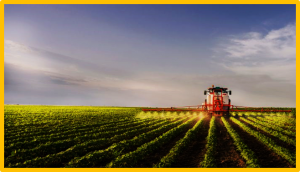
Advancing sustainable agriculture is crucial for achieving Goal 2: Zero Hunger, as it ensures that food production is efficient, environmentally friendly, and economically viable in the long term. Sustainable agriculture encompasses a range of practices, policies, and technologies that contribute to achieving this goal. By focusing on the significance of sustainable agriculture and fostering a deeper understanding of the complex challenges associated with achieving Zero Hunger,