


News & Events
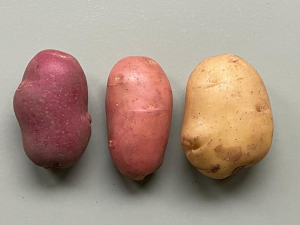
The Board for Plant Varieties in the Netherlands has granted plant breeders' rights to the first skin-transplant potato variety. This groundbreaking potato variety was developed using KeyGene's proprietary 2S1® technique for creating graft hybrids. KeyGene's 2S1® technique allows for the creation of superior and stable new varieties by combining desirable skin traits, such as drought tolerance and insect repellence from one variety, with high-yield traits from another.

The SARS-CoV-2 virus, causing COVID-19, continues to spread and mutate globally despite the approval and use of commercial vaccines. Thus, the development of safe, effective, and affordable vaccines remains to be a global demand. Plants have emerged as an effective platform to express recombinant proteins for pharmaceutical and vaccine use, leading researchers to use rice plants in the development of a COVID-19 vaccine.
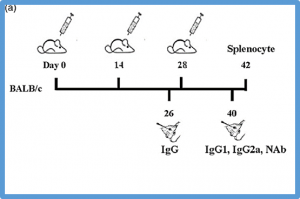
Since 2019, severe acute respiratory syndrome coronavirus 2 (SARS-CoV-2), the virus causing COVID-19, has been spreading and mutating globally despite the expedited approval of many commercial vaccines. Therefore, developing safe, effective and affordable vaccines remains essential to meet the global demand, particularly in developing countries. Transgenic plants have emerged as a promising platform to express recombinant proteins for pharmaceutical and vaccine applications.

A study from the Catholic University of the Sacred Heart (Università Cattolica del Sacro Cuore) analyzed consumer attitudes toward foods developed using New Genomic Techniques (NGTs), focusing on how labeling influences purchase intention. The findings provide significant insights into the approaches that could boost market acceptance of NGT products.The paper examined consumer responses to four different labeling scenarios for NGT-based food products.

Under the current law, these plants are treated identically to those developed through conventional genetic engineering. They are subject to the strict provisions of the Genetic Engineering Act (GEA), including the ongoing moratorium on cultivation in Switzerland. The new proposal marks a shift in the country's regulatory landscape and introduces a risk-based authorization system that will reflect the potential of new breeding technologies (NBTs) and the need for appropriate safeguards.
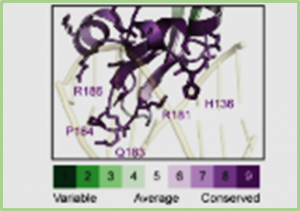
Auxin Response Factor (ARF) plant transcription factors are the key effectors in auxin signaling. Their DNA-Binding Domain (DBD) contains a B3 domain that allows base-specific interactions with Auxin Response Elements (AuxREs) in DNA target sites. Land plants encode three phylogenetically distinct ARF classes: the closely related A- and B-classes have overlapping DNA binding properties,

Researchers from Genetic Engineering and Society Center in the US conducted a survey to understand the public attitudes toward natural and genetically engineered (GE) microbiomes. The findings, published in Frontiers in Genetics, provide insights on crafting strategies for effective engagements in the future. Natural microbiomes are microbial communities introduced into the built environment (homes, workplaces, schools, and other indoor spaces) without intentional GE microbiomes.
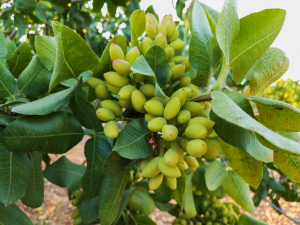
Researchers from the University of California, Davis (UC Davis), have generated the most comprehensive genome sequence of the pistachio, allowing plant breeders to create better and more nutritious varieties. The researchers have also detailed how pistachio nuts develop, which will help farmers manage their crop more sustainably. The UC Davis team sequenced the genome of the Kerman cultivar, the most common pistachio variety grown in California

This study examines public preferences for natural microbiomes and support for genetically engineered (GE) microbiomes in the built environment, focusing on the demographic, sociographic, and attitudinal factors that influence these preferences. Using data from a nationally representative survey of 1,000 U.S. adults, we employed hierarchical regression analyses to assess the relative contribution of these variables.
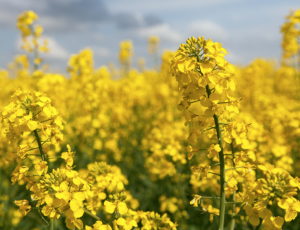
The Australian Gene Technology Regulator (OGTR) is inviting comments on an application from Miruku Australia Pty. Ltd. to conduct a field trial of canola genetically modified for dairy protein production. The field trial is proposed to take place at up to 1 hectare in 2025 and increase to 20 sites of up to 15 hectares each in 2029. The maximum total planting area proposed is 436 hectares over the 5 years of the trial in New South Wales, Victoria, Western Australia, and South Australia.

The Food Standards Agency (FSA) and Food Standards Scotland (FSS) released the results of the safety assessment on the genetically modified (GM) soybean MON 87705 x MON 87708 x MON 89788 (three-event stack soybean) for food and feed uses. The safety assessment is published in FSA Research and Evidence. The three-event stack soybean was developed to enhance the seed's fatty acid profile by increasing oleic acid levels and introducing two proteins that provide tolerance to dicamba (DMO) and glyphosate-based herbicides (CP4 EPSPS).
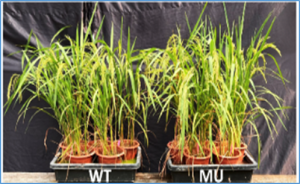
Rice is a staple food for over half of the world’s population; hence, its nutritional quality is crucial for global health. Iron deficiency anemia affects billions of people worldwide and is particularly prevalent in rice-consuming regions. Accordingly, the biofortification of rice through genetic enhancement offers a sustainable solution to this widespread nutritional challenge. Suitably, the elite Vietnamese rice cultivar TBR225, known for its high yield and superior quality, presents an ideal candidate for iron biofortification