


News & Events
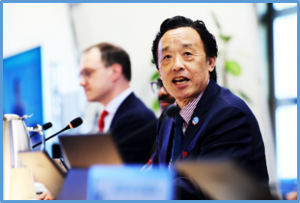
I start by thanking the Independent Chairperson of the Council (ICC), Mr Hans Hoogeveen, for his convening and coordination of the Council during his last session as ICC. Hans has worked seriously over the past four years during often difficult times for the Council, which reflected the many challenges due to natural and man-made disasters affecting global food availability, food accessibility, and food affordability, and agrifood systems and rural development.
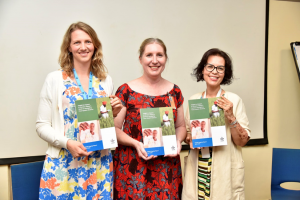
With food systems under strain from climate change, conflict, biodiversity loss, and hunger, CGIAR has launched its inaugural flagship report, Insight to Impact: A Decision-Maker’s Guide to Navigating Food System Science at CGIAR Science Week in Nairobi, Kenya. The new report hand-selects data and innovations from among decades of research. It presents science as practical, ready-to-use guidance for decision-makers and investors working to build more resilient, sustainable food systems—especially in low- and middle-income countries.
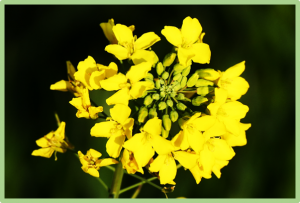
Seeds, a most crucial materials for crop production, constitute the basis of agriculture. Seed aging usually occurs during storage, especially for seeds with high oil content. However, the genes and mechanisms underlying seed aging in Brassica napus, a widely grown oilseed crop, remain largely unexplored. In this study, nine SNPs associated with seed vigor after aging were identified through a genome-wide association study,
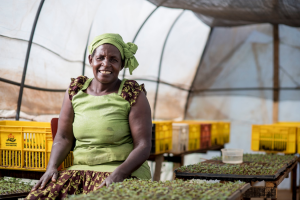
With droughts, rising food imports and youth unemployment on the rise, how can Kenya chart a new agricultural path? For over 50 years, agricultural development in the country has largely depended on external aid. This support has been instrumental in building infrastructure, advancing technology, and supporting training programmes that have improved food and nutrition security across the country.
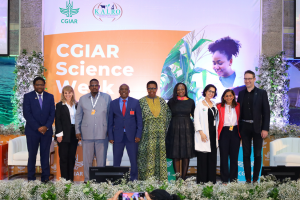
After a remarkable week of science, innovation, and cementing of partnerships, CGIAR’s inaugural Science Week wrapped up at the official closing ceremony led by Ismahane Elouafi, Executive Managing Director, CGIAR, and Eliud Kireger, Director General, Kenya Agricultural & Livestock Research Organization (KALRO). “Over the past days, we’ve explored groundbreaking research, forged new collaborations, and reaffirmed our commitment to creating sustainable, resilient, and equitable food systems. The dialogues and connections fostered here will undoubtedly propel our shared mission forward,” said Ismahane Elouafi, Executive Managing Director, CGIAR
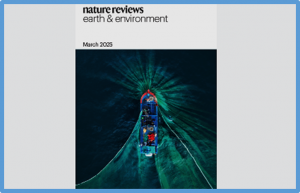
The prevalence of crop insect pests, which damage crops and reduce their yield, is increasing globally owing to changes in climate and land use, posing a threat to food security. In this Review, we synthesize evidence on how tropical, temperate, migratory and soil crop pests respond to changes in climate, land use and agricultural practices. In general, crop pests are responding to warming with expanded geographic ranges
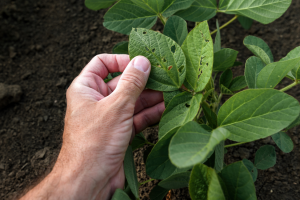
Hebei University scientists released a compilation of evidence on how tropical, temperate, migratory and soil crop pests respond to changes in climate, land use, and agricultural practices. Their review article is published in Nature. According to the review, crop pests are responding to warming with expanded geographic ranges, advanced phenological events, and an increased number of reproductive generations per year.
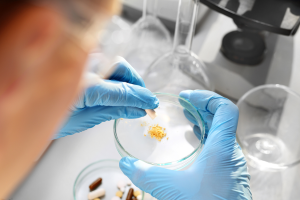
A study conducted by researchers from Osaka Metropolitan University reveals how yeast can be genetically engineered to produce D-lactic acid from methanol. The findings of the study, published in Biotechnology for Biofuels and Bioproducts, offer an alternative approach to reduce reliance on petroleum-based processes.

Powdery mildew (PM), caused by the biotrophic fungal pathogen Podosphaera aphanis, poses an increasing threat to garden strawberry (Fragaria × ananassa) production worldwide. While a few commercial cultivars exhibit partial resistance, fungicide application remains essential for managing PM outbreaks. However, breeding offers a more sustainable approach for controlling PM. A better understanding of the genetics of resistance is required for informed breeding strategies
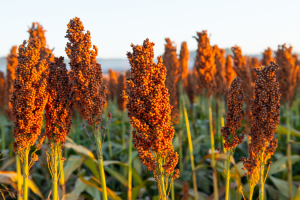
Sorghum has attracted the attention of researchers and the industry, who see great potential for the crop in a future of increased climate change, drought, and flooding. However, how sorghum withstands drought and floods remains a mystery. Researchers from the University of Copenhagen, the Carlsberg Laboratory, and the University of Queensland in Australia have developed a technique called ‘FIND-IT' that can efficiently identify new mutations in specific genes within large seed collections,
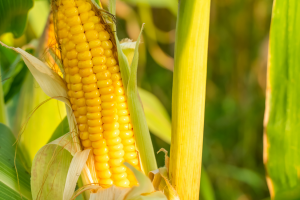
A study conducted by researchers from the University of KwaZulu-Natal and the University of Limpopo (Turfloop Campus) evaluated the impact of improved maize varieties (IMVs) on agricultural productivity and technical efficiency in the Eastern Cape, South Africa. The adopted IMVs include open-pollinated, hybrid, and genetically modified (GM) varieties.
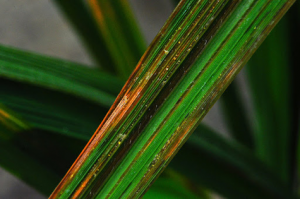
BACKGROUND B: acterial leaf streak (BLS) is a bacterial disease that severely affects rice leaves, leading to significant yield reductions. microRNAs (miRNAs) are short non-coding RNAs extensively involved in the growth, development, and stress responses of plants and animals. However, miRNAs that regulate the response of rice to bacterial leaf streak are still relatively scarce. RESULTS: The indica rice variety Dular exhibits resistance to BLS, whereas the variety 9311 is highly susceptible to the disease.