


News & Events
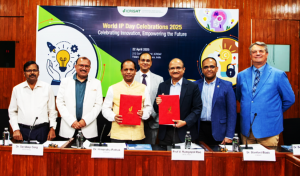
In the lead-up to World Intellectual Property Day (26 April), the International Crops Research Institute for the Semi-Arid Tropics (ICRISAT) hosted a special event titled “Celebrating Innovation, Empowering the Future” at its Hyderabad campus. The event held on 22 April 2025, featured two key milestones: the signing of a Memorandum of Understanding (MoU) with BITS Pilani and an IP licensing agreement with Eco-Paryavaran for ICRISAT’s Solar Water Hyacinth Harvester.
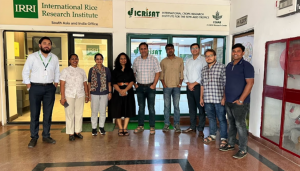
In a significant step toward inclusive and climate-resilient agricultural transformation, the International Rice Research Institute (IRRI) and the International Crops Research Institute for the Semi-Arid Tropics (ICRISAT) have outlined a joint research vision for 2025–2027, focusing on the inclusive delivery, adoption, and scaling of improved germplasms in India’s dryland ecosystems.
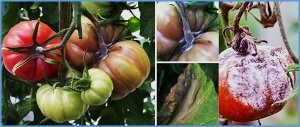
NAC (NAM, ATAF1/2 and CUC2) is a transcription factor which contributes to the response for both biotic and abiotic stresses. In this study, the regulatory effects and potential mechanisms of SNAC4/9 on resistance to Botrytis cinerea (B. cinerea) were investigated by the differences in physiological and biochemical indices as well as transcriptional and metabolic profiles between SNAC4/9 overexpressed (OE-SNAC4/9) and wild-type (WT) tomato fruit inoculated with B. cinerea. The results showed that OE-SNAC4/9 accelerated the infection to tomato fruit by B. cinerea.
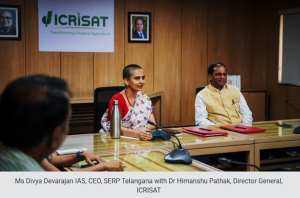
“This project tackles two of the biggest challenges faced by Indian farmers, fair market access and freedom from exploitative middlemen. We cannot afford to fail in this mission, and I am confident ICRISAT, together with SERP, will leverage our collective expertise to make this initiative a success in Telangana, with the potential to be scaled across India.” The project aims to enhance technical skills, strengthen quality control, and improve access to both domestic and international markets, creating lasting economic opportunities for communities across the state.
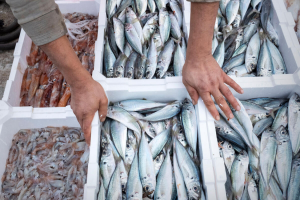
Efforts to combat illegal, unreported and unregulated (IUU) fishing have received a boost from the People's Republic of China, the world’s largest capture fisheries producer, which has become the 108th State to join the FAO Agreement on Port State Measures to Prevent, Deter and Eliminate Illegal, Unreported and Unregulated Fishing (PSMA).The PSMA supports sustainable fisheries by ensuring that only legal, regulated and reported fish catches are landed in ports and eventually traded.
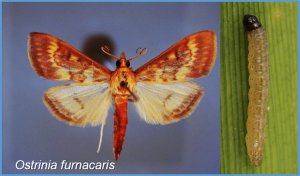
Crops genetically engineered to produce insecticidal proteins from the bacterium Bacillus thuringiensis (Bt) have been used extensively to control some major crop pests, but their benefits decrease when pests evolve resistance. Better understanding of the genetic basis of resistance is needed to effectively monitor, manage, and counter pest resistance to Bt crops. Resistance to Bt proteins in at least 11 species of Lepidoptera, including many important crop pests, is associated with naturally occurring mutations that disrupt one or more of three larval midgut proteins: cadherin and ATP-binding cassette proteins ABCC2 and ABCC3.
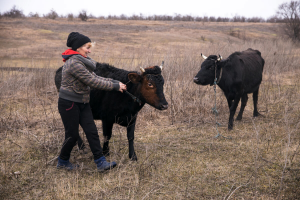
The war in Ukraine continues inflicting pressure on the agricultural sector, making it increasingly difficult for farmers and rural families to continue food production and sustain their livelihoods. In response, the Food and Agriculture Organization of the United Nations (FAO) has launched a two-year Emergency and Early Recovery Response Plan (EERRP) 2025–2026, designed to support over half a million vulnerable people in restoring agricultural production, protecting livelihoods and building long-term resilience.
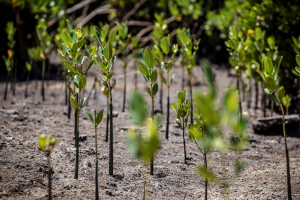
“AIM4NatuRe will provide a new dynamic input for global restoration efforts,” said FAO Director-General QU Dongyu. “By providing countries with technical expertise and solutions, and ensuring they have the resources they need to monitor their progress accurately, we can ensure that our collective efforts translate restoration commitments into real and lasting impacts for people and the planet during this UN Decade on Ecosystem Restoration and beyond.”
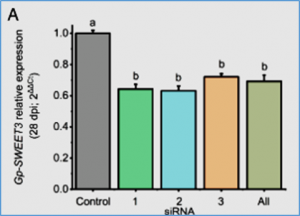
Crop pathogens often lack exclusive access to their host and must interact with plants concurrently engaged with numerous other symbionts. Here, we demonstrate that the colonization of hosts by plant–mutualistic mycorrhizal fungi can indirectly induce transcriptional responses of a major plant parasite, the nematode Globodera pallida, via a modified host resource profile. A shift in the resource profile of the root, where the parasite feeds, is perceived and responded to by the parasite through transcriptional changes, potentially to optimize resource intake. Specifically, G. pallida react to reduced host-photosynthate influx due to concurrent mycorrhizal-host symbiosis by upregulating the expression of a sugar transporter (SWEET3) in the nematode intestine.
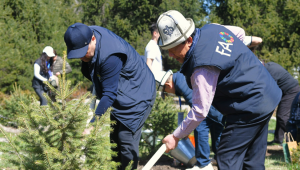
FAO Director-General QU Dongyu today concluded a four-day official visit to Kyrgyzstan, where he took part in a tree-planting ceremony, opened an exhibition and toured a number of agricultural facilities including family farms after attending a conference focused on the world’s mountain regions. At the Ala-Archa National Park, some 40 km south of Bishkek, together with the President of Kyrgyzstan, the Director-General and his delegation planted Tianshan spruce seedlings.
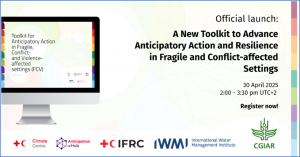
In fragile, conflict- and violence-affected (FCV) settings, acting early to reduce the impact of hazards is crucial to protect the lives and livelihoods of those most in need, and to avoid further pressure on already burdened disaster response systems and funding. Building on emerging lessons, best practices, and an understanding of persistent challenges and knowledge gaps related, this toolkit brings together hands-on resources to support practitioners in implementing conflict-sensitive, effective, and sustainable anticipatory action in FCV contexts,
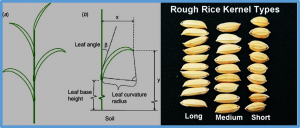
Grain size and leaf angle are key agronomic traits that determine the final yield. OsBSKs (BRASSINOSTEROID-SIGNALING KINASES) and OsMAPKs (MITOGEN ACTIVATED PROTEIN KINASE) are known to play essential roles in plant growth, development, and stress responses. However, the potential crosstalk between these pathways and their specific roles in regulating grain size and leaf angle remain largely unexplored in rice.