


News & Events
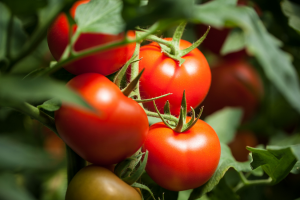
A study published in the Journal of Phytopathology demonstrates the efficacy of the CRISPR-Cas9 system in enhancing the resistance of tomato plants against tomato leaf curl New Delhi virus (ToLCNDV). ToLCNDV is a highly destructive plant virus that poses a significant threat to tomato plant production worldwide, particularly in Asia and the Mediterranean region. Transmitted by whiteflies, this virus causes severe symptoms, such as leaf curling, stunted growth, vein thickening, and reduced fruit yield.
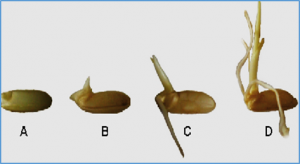
Submergence stress is a major obstacle limiting the application of direct seeding in rice cultivation. Rapid bud and root growth helps plants establish a stronger growth base and improve their submergence tolerance. Therefore, mining genes for bud length (BL) and root length (RL) helps in the development of varieties that are adaptable to submergence and improve seedling emergence and yield of direct-seeded rice.
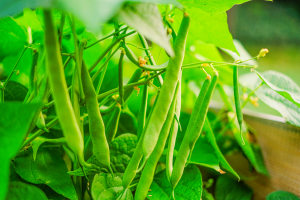
A team of researchers from the University of Cordoba in Spain used CRISPR gene editing technology to study the complexities of nitrogen metabolism in beans, revealing promising insights that could help enhance agricultural sustainability. Beans hold a unique position in global agriculture, not just as a major source of protein, but also because of their ability to fix atmospheric nitrogen into the soil.
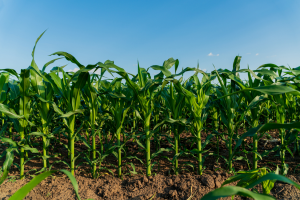
Researchers from the Biotechnology Research Institute of the Chinese Academy of Agricultural Sciences (CAAS), in collaboration with Anhui Agricultural University and South China Agricultural University, have developed a gene-editing technique to reduce corn plant height, enabling the creation of compact, high-density varieties resistant to lodging.

Oryza is a remarkable genus comprising 27 species and 11 genome types, with ~3.4-fold genome size variation, that possesses a virtually untapped reservoir of genes that can be used for crop improvement and neodomestication. Here we present 11 chromosome-level assemblies (nine tetraploid, two diploid) in the context of ~15 million years of evolution and show that the core Oryza (sub)genome is only ~200 Mb and largely syntenic
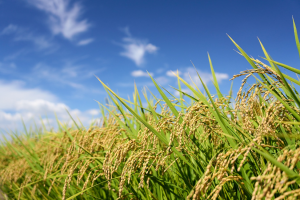
Research on very-long-chain fatty acids (VLCFAs) in plants, critical for various physiological processes, led to the identification of a semi-dwarf rice mutant, CRISPR-Cas-based dwarf-1 (csd-1), through a CRISPR-Cas9 knockout library. This mutant exhibited a range of developmental defects, including reduced plant height, panicle length, seed size, and seed-setting rate.
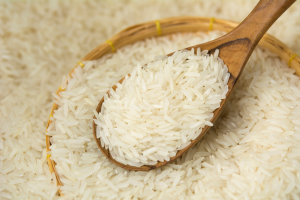
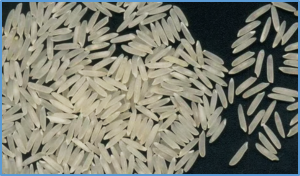
A new study led by researchers at King Abdullah University of Science and Technology (KAUST) in Saudi Arabia and Wageningen University & Research (WUR) in the Netherlands provides new insights on the evolution of rice, showing how the DNA of this valuable staple crop has changed across species. The study is expected to help with improving rice yields and introduce rice into regions where its production is currently untenable.
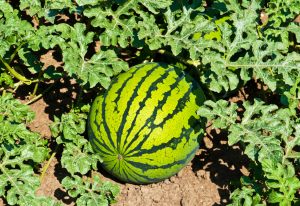
In agriculture, selecting ideal plant types with desirable traits, such as dwarfing and upright stem structures, significantly enhances crop yield and quality by optimizing light absorption, spatial efficiency, and nutrient utilization. Developing new varieties of dwarf watermelon is a crucial objective in watermelon breeding. In this study, we constructed an F2 population using the wild-type V063 as the paternal parent and the dwarf variety dw-n as the maternal parent.

In a historic breakthrough, a child with a rare and life-threatening condition became the first person to receive a customized CRISPR gene editing therapy by a team at the Children's Hospital of Philadelphia (CHOP) and Penn Medicine. The treatment is the first of its kind designed to correct a disease-causing mutation found only in that individual. The infant, KJ, was diagnosed with a rare urea cycle disorder. He was born with a rare metabolic disease known as severe carbamoyl phosphate synthetase 1 (CPS1) deficiency.
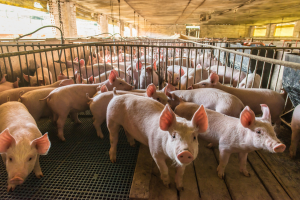
A research team from Northwest A&F University and partners examined the effectiveness of a recombinant Pseudorabies Virus (PRV) in addressing challenges posed by Porcine Reproductive and Respiratory Syndrome Virus (PRRSV) and PRV in the pig industry. The findings provide significant insights into the development of vaccines and future prevention and control of NADC30-like PRRSV and PRV.
Very-long-chain fatty acids (VLCFAs) play crucial roles in various physiological processes in plants. Through our investigation using a CRISPR-Cas9 knockout mutant library in rice, we identified a semi-dwarf rice mutant named CRISPR-Cas-based dwarf-1 (csd-1). This mutant displayed multiple developmental defects, such as decreased plant height, panicle length, seed size, and seed-setting rate.

Researchers from Columbia University's Vagelos College of Physicians and Surgeons and the Broad Institute of MIT and Harvard have developed a new gene editor, called evoCAST, that inserts an entire gene into specific sites in the human genome. This breakthrough marks a significant step toward more efficient and safer gene therapies.