


News & Events
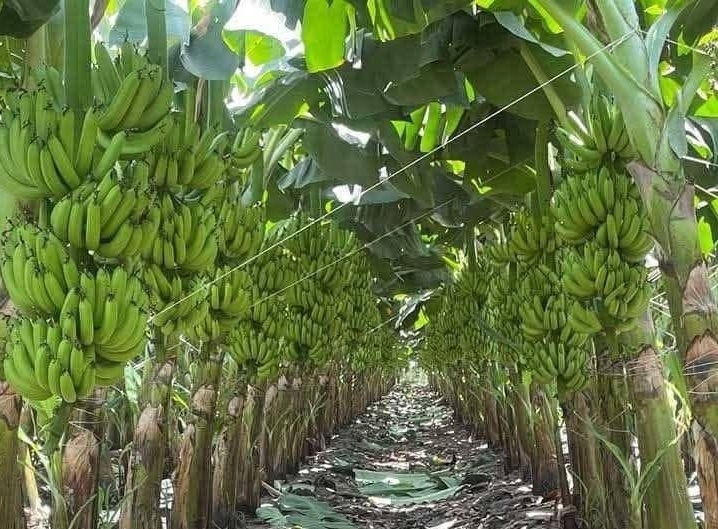
Genetically modified East African highland bananas (EAHBs) with elevated levels of pro-vitaminA (pVA) have been developed to address vitamin A deficiency (VAD) in Uganda. The green, maturefruits of EAHBs are traditionally prepared into “matooke,” a soft, savory dish made by peeling,steaming, and mashing the fruit. Biofortifying such a culturally embedded food offers an effectiveapproach to improving nutrition, particularly among vulnerable populations.
Cashew (Anacardium occidentale L.) is an important tree grown worldwide for its edible fruits, nuts and other products of industrial applications. The ecologically sensitive cashew-growing region in coastal Kenya is significantly affected by rising temperatures, droughts, floods, and shifting rainfall patterns. These changes adversely impact cashew growth by altering flowering patterns, increasing pests and diseases, and causing postharvest losses
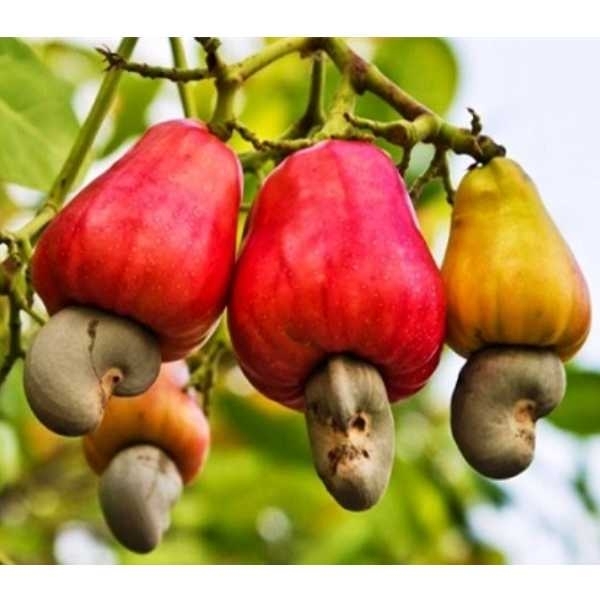
Cashew (Anacardium occidentale L.) is an important tree grown worldwide for its edible fruits, nuts and other products of industrial applications. The ecologically sensitive cashew-growing region in coastal Kenya is significantly affected by rising temperatures, droughts, floods, and shifting rainfall patterns. These changes adversely impact cashew growth by altering flowering patterns, increasing pests and diseases, and causing postharvest losses
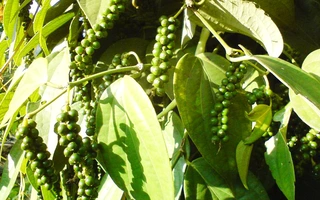
A genome-wide resequencing analysis reveals the involvement of copy-number variation in black pepper accessions influencing advantageous agronomic traits and the evolution of elite genotypes with specific attributes. Black pepper (Piper nigrum L.) is renowned as a versatile seasoning, offers numerous health benefits, and possesses historical significance in the global spice trade.
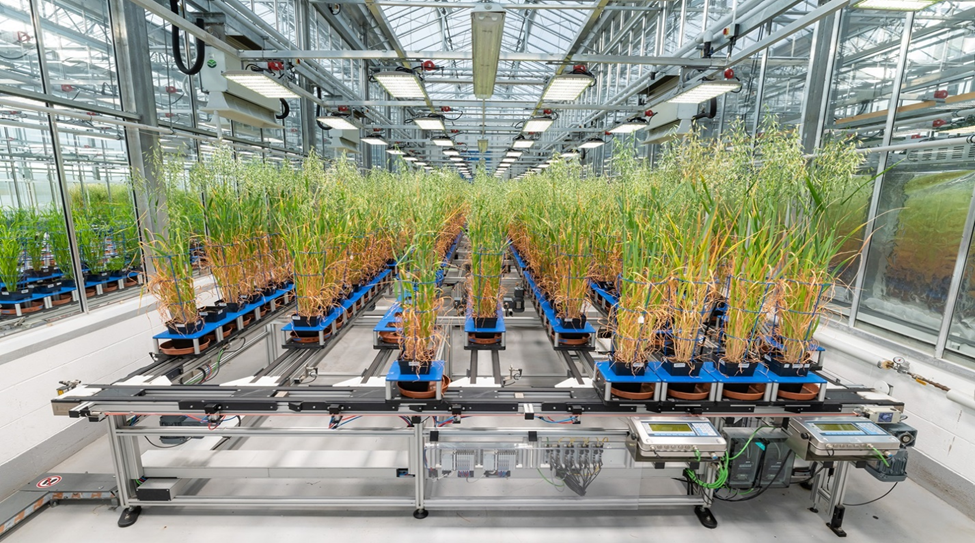
An international team of researchers from China, the USA, and Europe, including Aberystwyth University, has released a report highlighting a roadmap for integrating artificial intelligence (AI) with genome editing, protein design, high-throughput phenotyping, and omics technologies that analyze the genetic and chemical makeup of plants.
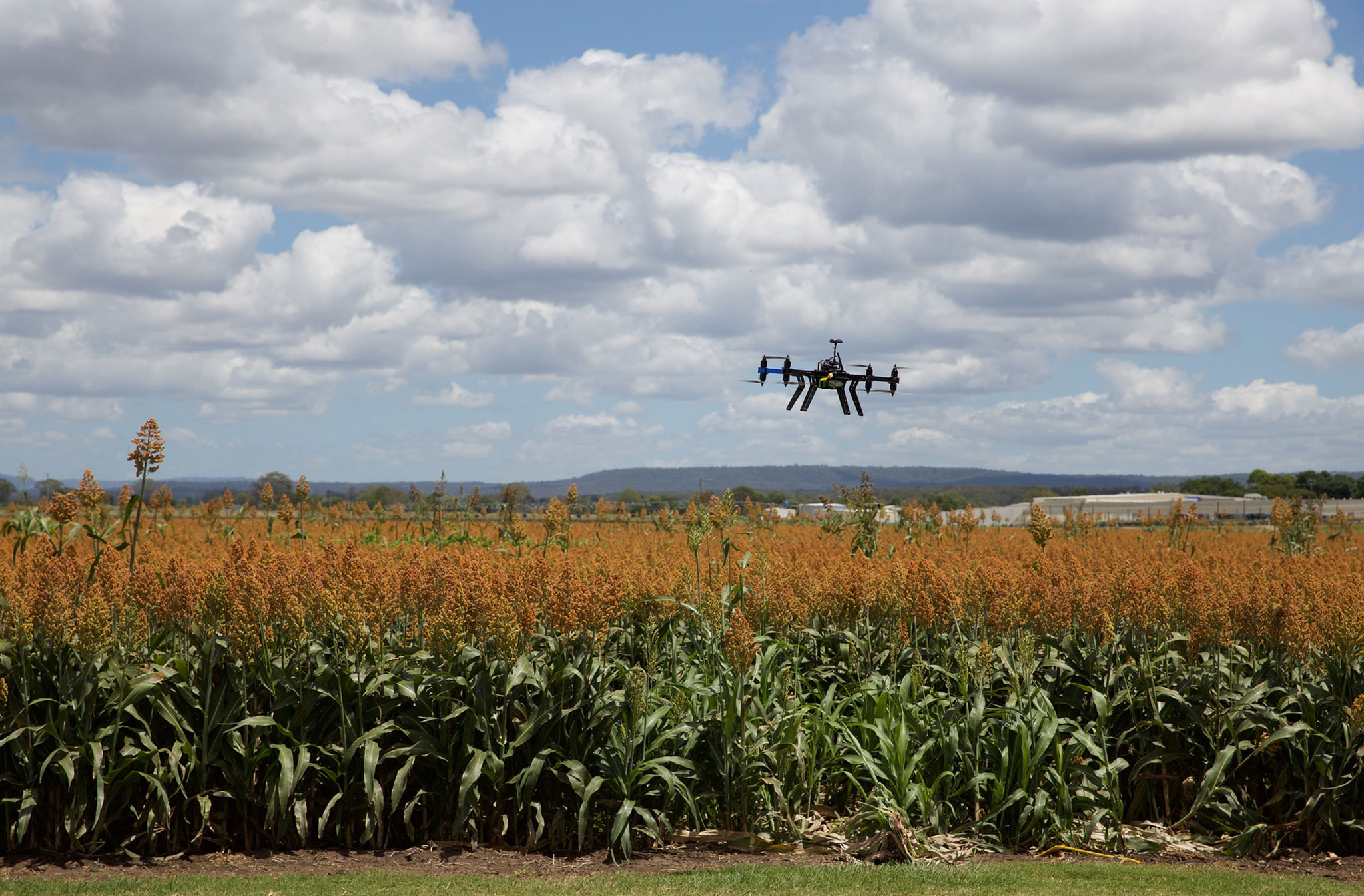
The Enabling Systems Transformation program works across all ICRISAT locations, and with various dryland agricultural stakeholders, to create a more supportive environment for the adoption of context specific sustainable and resilient agricultural practices that can withstand future challenges. This is achieved through a combination of policy reforms, institutional changes, agri-entrepreneurship solutions, technological and inclusive nutrition sensitive innovations, gender equality, and social inclusion social engagement and the capacity strengthening of key actors.
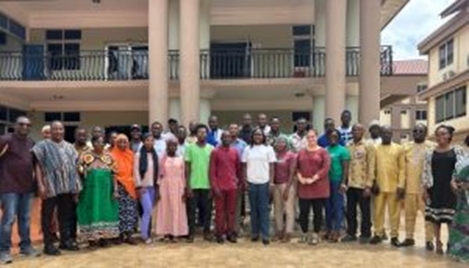
With marine fish stocks declining and rural livelihoods under strain, small reservoirs in northern Ghana are emerging as promising alternatives for aquaculture-based food and income security. On June 10, 2025, 37 stakeholders from policymakers and researchers to fish farmers and private sector actors gathered in Tamale, Ghana to co-design inclusive, sustainable aquaculture business models tailored for northern Ghana
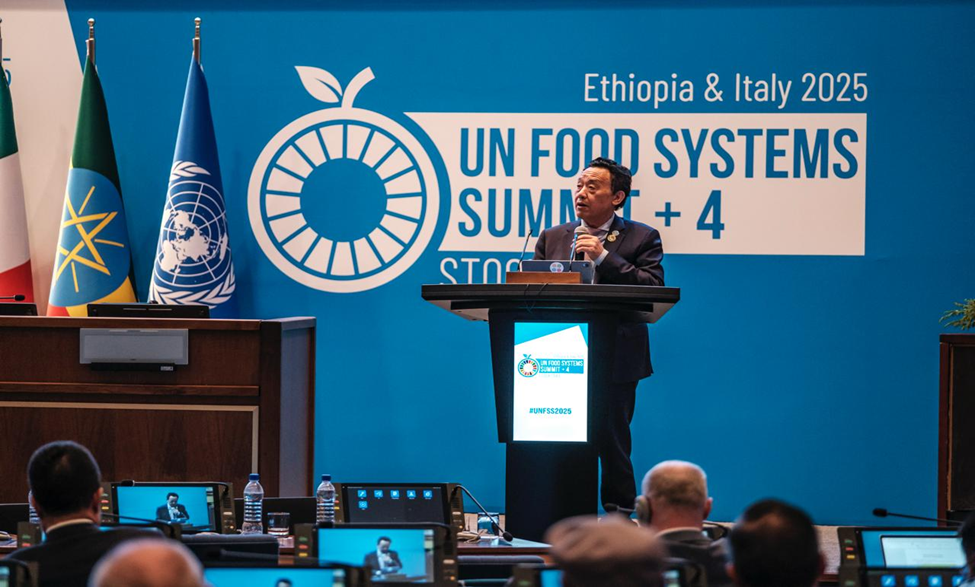
The Director-General of the Food and Agriculture Organization of the United Nations (FAO), QU Dongyu, called for bold action, scaled-up investment, and stronger partnerships to accelerate global agrifood systems transformation, at the UN Food Systems Summit +4 (UNFSS+4) Stocktaking Moment. Addressing world leaders, ministers, and delegates gathered in Addis Ababa, Qu emphasized that agrifood systems are central to addressing interconnected global challenges – from food insecurity and climate issues to environmental degradation and inequality.

Maize (Zea mays L.) growth and yield are severely limited by drought stress worldwide. Stomata play crucial roles in transpiration and gas exchange and are thus essential for improving plant water-use efficiency (WUE) to help plants deal with the threat of drought. In this study, we characterized the maize dsd1 (decreased stomatal density 1) mutant, which showed defects in stomatal development,

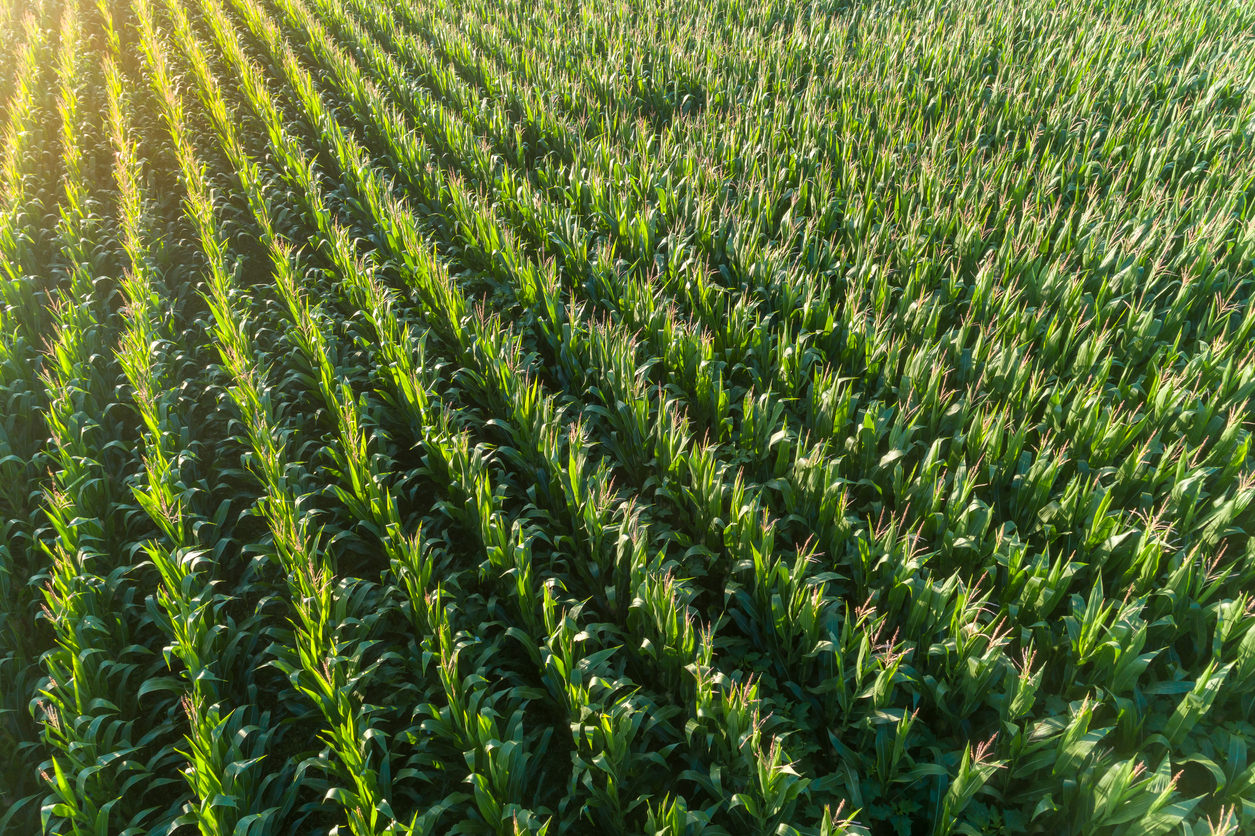
The study surveyed 426 maize farmers in Pu'er City, Yunnan in China to evaluate factors affecting their willingness to adopt GM insect-resistant maize. The variables examined in the study include GM cognition, risk perception (environmental and market-related), value orientation (egoistic, altruistic, pro-national, pro-ecological), and social trust (trust in government, peers, seed companies, etc.).